Sodium Sulfate → HCID 13020118, compound
Reaction equation

Cl.[Br:2][C:3]1[CH:8]=[CH:7][C:6]([C:9]([OH:22])([C:16]2[CH:17]=[N:18][CH:19]=[CH:20][CH:21]=2)[CH2:10][C:11](OCC)=[O:12])=[CH:5][CH:4]=1.[H-].[Al+3].[Li+].[H-].[H-].[H-].S([O-])([O-])(=O)=O.[Na+].[Na+]>C(OCC)C>[Br:2][C:3]1[CH:4]=[CH:5][C:6]([C:9]([C:16]2[CH:17]=[N:18][CH:19]=[CH:20][CH:21]=2)([OH:22])[CH2:10][CH2:11][OH:12])=[CH:7][CH:8]=1Participants
5
Reactant 3
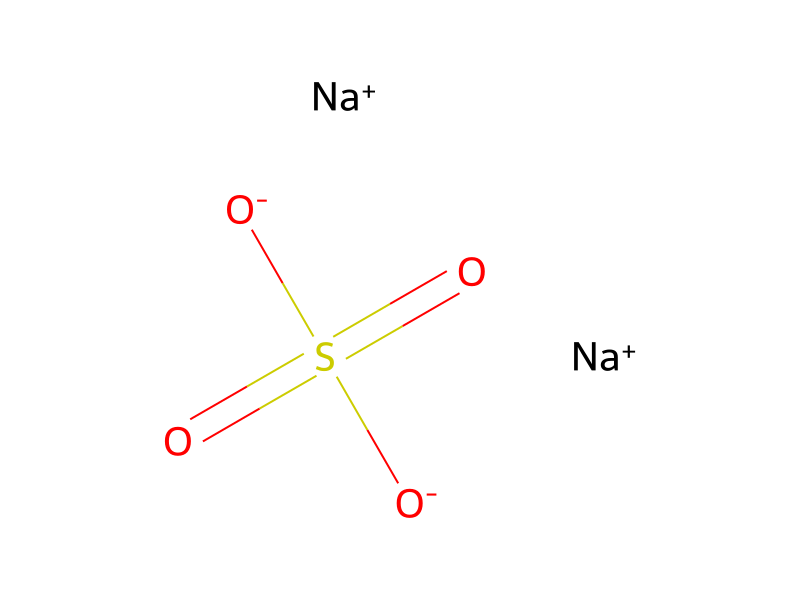


Product 1

Reagents, catalysts & solvents 1

Procedure
The base (9.5 g, 0.027 moles) from ethyl 3-(4-bromophenyl)-3-hydroxy-3-(3-pyridyl)propanoate hydrochloride (step 1) was prepared and dissolved in ethyl ether (50 ml). This solution was added dropwise to an ice-cold mixture of lithium aluminium hydride (1.0 g, 0.027 moles) and ethyl ether (150 ml). The reaction mixture was refluxed for 5 hours, cooled and a saturated sodium sulphate solution was added until a white precipitate was formed. This was filtered off and the filtrate evaporated. The residue was crystallized from chloroform. 1-(4-bromophenyl)-1-(3-pyridyl)-1,3-propanediol was obtained. Yield: 39%. M.p. 130°-132° C.
Workup
- temperatureThe reaction mixture was refluxed for 5 hours
- temperaturecooled
- customwas formed
- filtrationThis was filtered off
- customthe filtrate evaporated
- customThe residue was crystallized from chloroform
Sources & evidence
- ORD record
- ord-4347759158c4491bb65ffd5264337d83
- Source dataset
- uspto-grants-1978_07
- Patent number
- US04102887
Reaction notes
Loading…