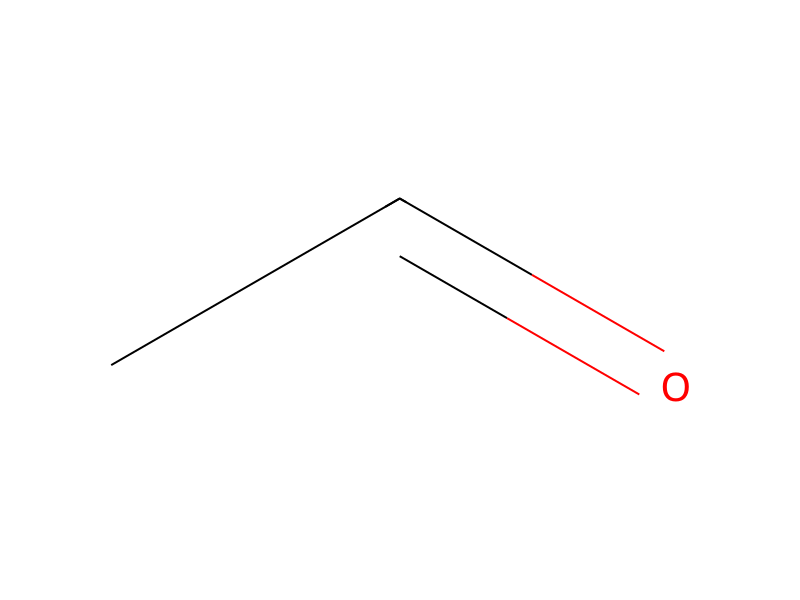
Acetaldehyde → 2-(2-hydroxy-5-methylphenyl)benztriazole N-oxide
Reaction equation

[N+:1]([C:4]1[CH:9]=[CH:8][CH:7]=[CH:6][C:5]=1[N:10]=[N:11][C:12]1[CH:17]=[C:16]([CH3:18])[CH:15]=[CH:14][C:13]=1[OH:19])([O-])=[O:2].[OH-].[Na+].C1C2C(=O)C3C(=CC=CC=3)C=2C=CC=1.C(=O)C>O.CO>[OH:19][C:13]1[CH:14]=[CH:15][C:16]([CH3:18])=[CH:17][C:12]=1[N:11]1[N+:1]([O-:2])=[C:4]2[CH:9]=[CH:8][CH:7]=[CH:6][C:5]2=[N:10]1Participants
7






Conditions
- Temperature
- 65 °C
Procedure
2-nitro-2'-hydroxy-5'-methylazobenzene 12.9 g was added to a mixture of methanol 60 ml, water 30 ml and 97% sodium hydroxide 12.4 g, and the resultant mixture was stirred while raising temperature to 65° C. 9-fluorenone 1.2 g and then 90% acetoaldehyde 3.2 g were added to the mixture for 1 hour. The resultant mixture was then heated to the boiling point (75° C.), and was stirred at the boiling point (75° C.) for 6 hours, thus almost all of the azobenzenes having disappeared to produce 2-(2-hydroxy-5-methylphenyl)benzotriazole-N-oxide.
Sources & evidence
- ORD record
- ord-d97cab669722445baf11994c637087f9
- Source dataset
- uspto-grants-1988_10
- Patent number
- US04780541
Reaction notes
Loading…