Adipic Acid → Cyclohexanol
Reaction equation

[C:1]([OH:10])(=O)[CH2:2][CH2:3][CH2:4][CH2:5][C:6](O)=O.C(O)(=O)CCCC(O)=O>C1CCCCC1>[C:1]1(=[O:10])[CH2:2][CH2:3][CH2:4][CH2:5][CH2:6]1.[CH:1]1([OH:10])[CH2:2][CH2:3][CH2:4][CH2:5][CH2:6]1Participants
Reactant 2
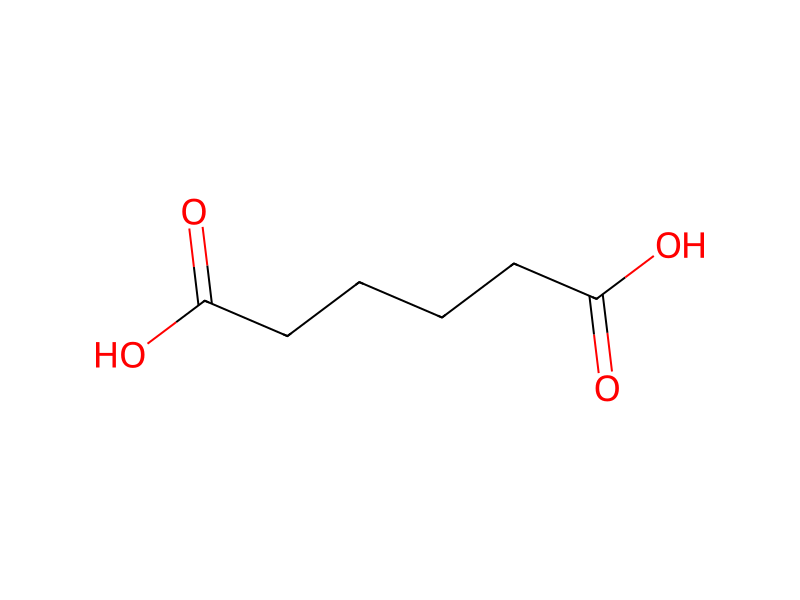
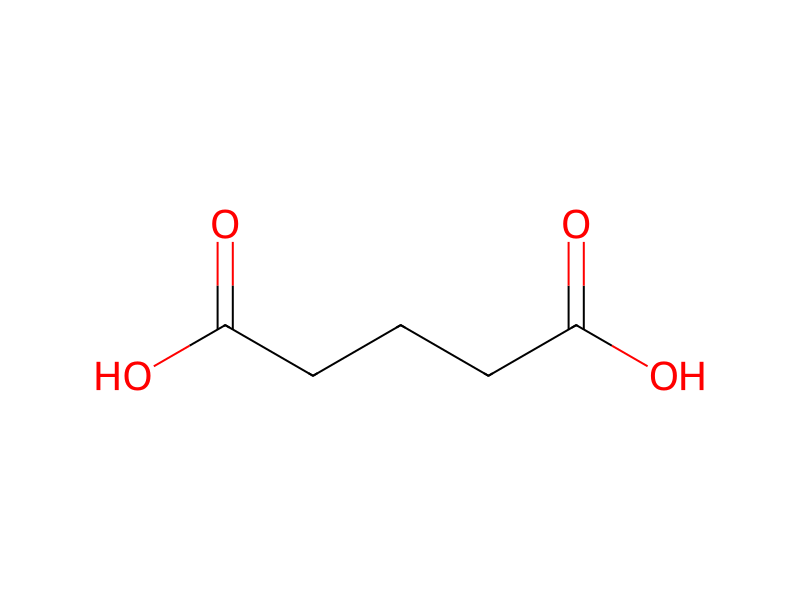
Product 2
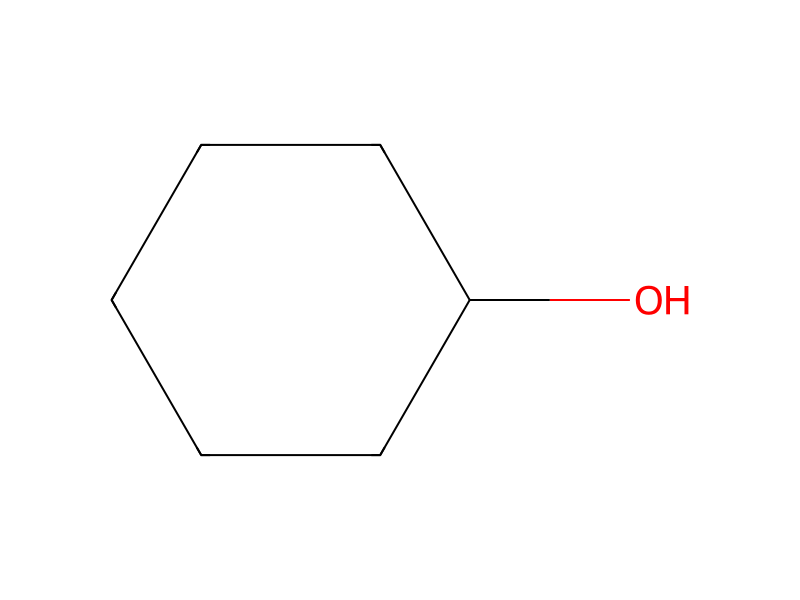

Reagents, catalysts & solvents 1

Procedure
Conventionally, 1,6-hexanediol is produced from an organic acid mixture containing adipic acid, hydroxycapronic acid and glutaric acid, wherein the organic acid mixture is by-produced during the production of cyclohexanone and/or cyclohexanol by oxidation of cyclohexane with air. For producing 1,6-hexanediol, the organic acid mixture is subjected to esterification and then to hydrogenation in the presence of a copper catalyst to thereby obtain 1,6-hexanediol, and the obtained 1,6-hexanediol is purified by distillation. 1,6-Hexanediol which is conventionally produced in the above-mentioned manner contains 1,4-cyclohexanediol, and such 1,6-hexanediol is not suitable as a raw material for producing the polycarbonate diol of the present invention. The boiling point of 1,4-cyclohexanediol and the boiling point of 1,6-hexanediol are very close to each other and, therefore, it is difficult to decrease the amount of 1,4-cyclohexanediol in 1,6-hexanediol to the above-mentioned preferred level (i.e., 0.5% by weight or less) by distillation.
Sources & evidence
- ORD record
- ord-929328abada14b4f9780a53f3ac46208
- Source dataset
- uspto-grants-2006_02
- Patent number
- US07005495B2
Reaction notes
Loading…