Acetic Acid → Ethyl 2-(2-benzoyloxyethoxyimino)-4-chloro-3-oxobutyrate
Reaction equation

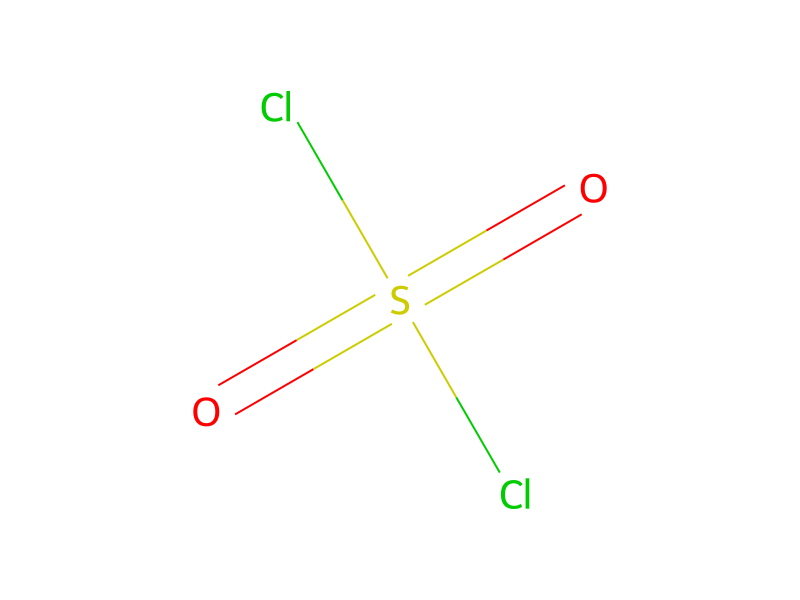
[C:1]([O:9][CH2:10][CH2:11][O:12][N:13]=[C:14]([C:18](=[O:20])[CH3:19])[C:15]([O-:17])=[O:16])(=[O:8])[C:2]1[CH:7]=[CH:6][CH:5]=[CH:4][CH:3]=1.S(Cl)([Cl:24])(=O)=O.[C:26](O)(=O)[CH3:27]>>[C:1]([O:9][CH2:10][CH2:11][O:12][N:13]=[C:14]([C:18](=[O:20])[CH2:19][Cl:24])[C:15]([O:17][CH2:26][CH3:27])=[O:16])(=[O:8])[C:2]1[CH:7]=[CH:6][CH:5]=[CH:4][CH:3]=1Participants
4



Procedure
A solution of 2-(2-benzoyloxyethoxyimino)-3-oxobutyrate (syn isomer, 28 g.), sulfuryl chloride (13.5 g.) and acetic acid (30 ml.) was treated in a similar manner to that of Example A-(2) to give ethyl 2-(2-benzoyloxyethoxyimino)-4-chloro-3-oxobutyrate (syn isomer, 29 g.).
Sources & evidence
- ORD record
- ord-69fb5c584da34316ad456f21180946f1
- Source dataset
- uspto-grants-1981_08
- Patent number
- US04284631
Reaction notes
Loading…