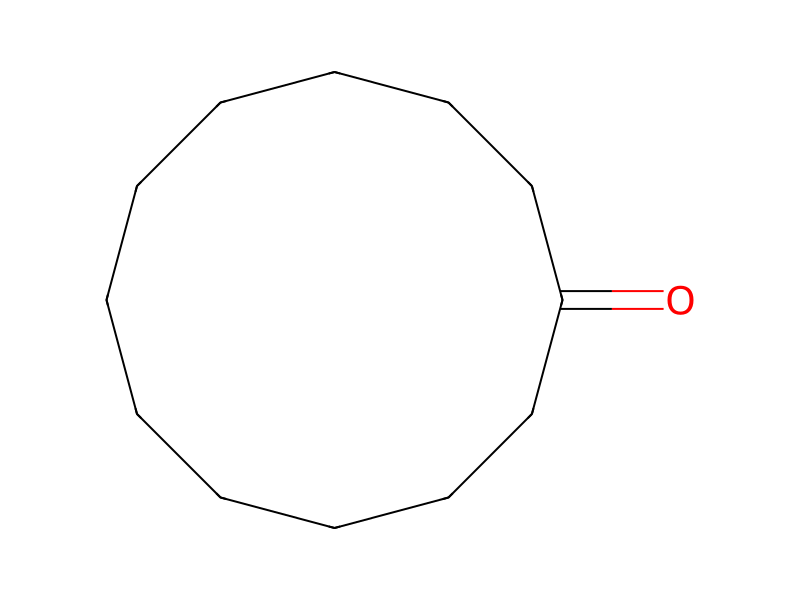
Cyclododecanone → 1-(Diisopropylamino-propoxyimino)cyclododecane
Reaction equation

[C:1]1(=O)[CH2:12][CH2:11][CH2:10][CH2:9][CH2:8][CH2:7][CH2:6][CH2:5][CH2:4][CH2:3][CH2:2]1.Cl.Cl.[CH:16]([N:19]([CH2:23][CH2:24][CH2:25][O:26][NH2:27])[CH:20]([CH3:22])[CH3:21])([CH3:18])[CH3:17].C(O)(=O)/C=C/C([O-])=O>>[CH:16]([N:19]([CH2:23][CH2:24][CH2:25][O:26][N:27]=[C:1]1[CH2:12][CH2:11][CH2:10][CH2:9][CH2:8][CH2:7][CH2:6][CH2:5][CH2:4][CH2:3][CH2:2]1)[CH:20]([CH3:21])[CH3:22])([CH3:18])[CH3:17]Participants
4


Procedure
Starting from 18.23 g. (0.1 moles) of cyclododecanone and 30.16 g. (0.12 moles) of diisopropylaminopropoxyamine dihydrochloride the title compound is prepared as in Example 13. Yield: 24.2 g. (71.6%). Hydrogen fumarate, m.p.: 119°-121° C.
Sources & evidence
- ORD record
- ord-e7e0c9bfbb3e4a2e9d0c1414a19fb0e9
- Source dataset
- uspto-grants-1981_08
- Patent number
- US04285942
Reaction notes
Loading…