2-Chloroethanol → 2-Chloroethyl N-(2-chloro-4-nitrophenyl)carbamate
Reaction equation

[Cl:1][C:2]1[CH:7]=[C:6]([N+:8]([O-:10])=[O:9])[CH:5]=[CH:4][C:3]=1[N:11]=[C:12]=[O:13].[Cl:14][CH2:15][CH2:16][OH:17].CCOCC>CCCCCC>[Cl:1][C:2]1[CH:7]=[C:6]([N+:8]([O-:10])=[O:9])[CH:5]=[CH:4][C:3]=1[NH:11][C:12](=[O:13])[O:17][CH2:16][CH2:15][Cl:14]Participants
5
Reactant 3
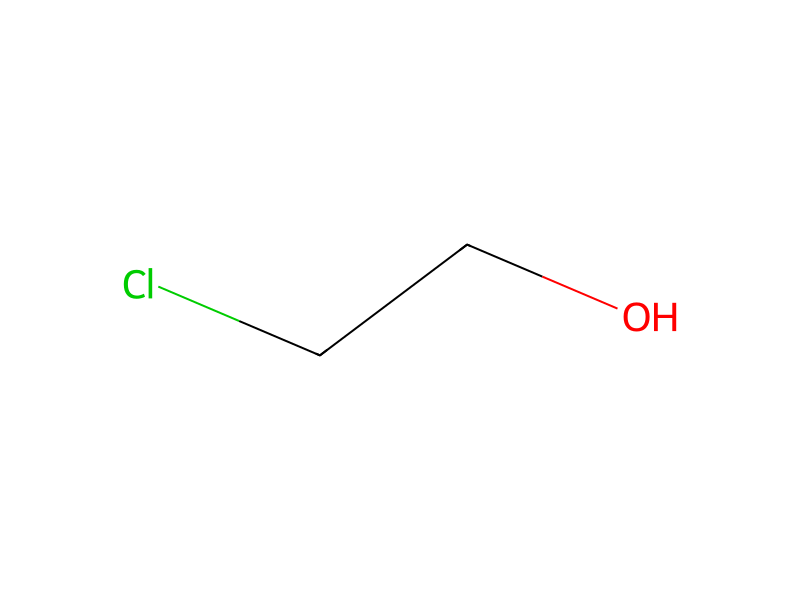


Product 1

Reagents, catalysts & solvents 1

Conditions
- Temperature
- 15 °C
Procedure
50.0 g of 2-chloro-4-nitrophenyl isocyanate was added, with stirring, to 100 g of 2-chloroethanol. After 2 minutes, the temperature of the mixture rose to 65° C. The mixture then was heated at 80°-90° C. for 10 minutes, and cooled. 200 ml of ether and 200 ml of hexane were added, the mixture was cooled to 15° C. and filtered. Drying of the filter cake gave 2-chloroethyl (2-chloro-4-nitrophenyl)carbamate (1A), as a white solid, mp: 128°-130° C.
Workup
- customrose to 65° C
- temperatureThe mixture then was heated at 80°-90° C. for 10 minutes
- temperaturecooled
- filtrationfiltered
- customDrying of the filter cake
Sources & evidence
- ORD record
- ord-58878eaa9ab94d928c8cef230751b479
- Source dataset
- uspto-grants-1980_10
- Patent number
- US04226612
Reaction notes
Loading…