Sodium Carbonate → HCID 13277357, compound
Reaction equation

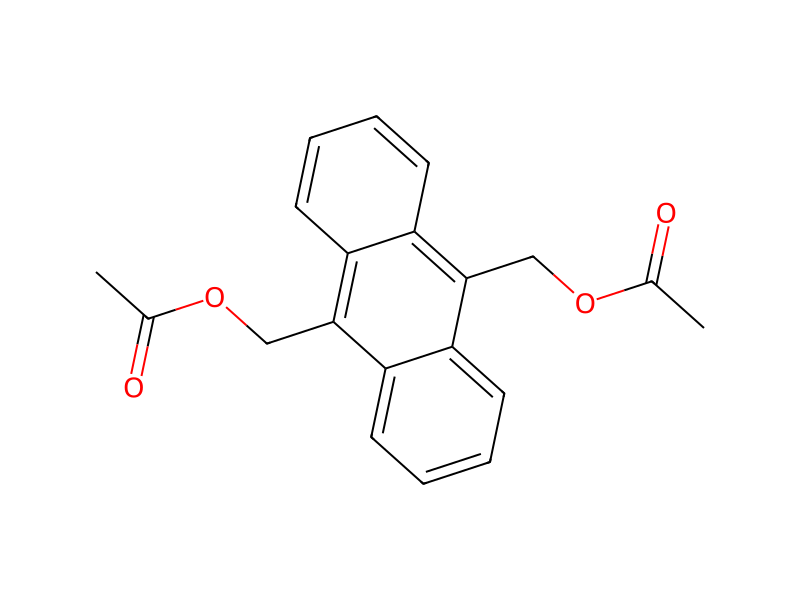
[C:1]([C:3]1[C:4]([N:11]([CH2:16][CH2:17][N:18]([CH3:20])[CH3:19])[C:12](=O)[O:13]C)=[N:5][C:6]([CH3:10])=[CH:7][C:8]=1[CH3:9])#[N:2].[H][H].C(=O)([O-])[O-].[Na+].[Na+]>CC(OCC1C2C(=CC=CC=2)C(COC(C)=O)=C2C=1C=CC=C2)=O.[Pt]=O.O>[CH3:19][N:18]([CH3:20])[CH2:17][CH2:16][N:11]1[C:4]2[N:5]=[C:6]([CH3:10])[CH:7]=[C:8]([CH3:9])[C:3]=2[CH2:1][NH:2][C:12]1=[O:13]Participants
7
Reactant 3



Product 1

Reagents, catalysts & solvents 3


Procedure
A solution of methyl N-(3-cyano-4,6-dimethyl-2-pyridyl)-N-(2-dimethylaminoethyl)carbamate (14.8 g, 53 mmol) in glacial acetic (200 ml) containing platinum oxide catalyst (1.1 g) is hydrogenated in a Parr apparatus until two equivalents of hydrogen are taken up (20 hours). The catalyst is removed by filtration and the solvent evaporated to give a residue which is dissolved in water, made basic with sodium carbonate, and the crude product extracted into methylene chloride. This dried solution is evaporated to give a crude product (12.5 g) which is crystallized from cyclohexane to yield 7.2 g of pure title C product; m.p.: 139°-141° C.
Workup
- custom(20 hours)
- customThe catalyst is removed by filtration
- customthe solvent evaporated
- customto give a residue which
- extractionthe crude product extracted into methylene chloride
- customThis dried solution is evaporated
Sources & evidence
- ORD record
- ord-3eebdfc2ced14657a5fd7be153eae29e
- Source dataset
- uspto-grants-1983_12
- Patent number
- US04420615
Reaction notes
Loading…