2,6-Diaminopyridine → HCID 1228218, compound
Reaction equation

[NH2:1][C:2]1[CH:7]=[CH:6][CH:5]=[C:4]([NH2:8])[N:3]=1.[F:9][C:10]1[CH:18]=[CH:17][C:13]([C:14](Cl)=[O:15])=[CH:12][CH:11]=1>ClCCl>[F:9][C:10]1[CH:18]=[CH:17][C:13]([C:14]([NH:1][C:2]2[CH:7]=[CH:6][CH:5]=[C:4]([NH:8][C:14](=[O:15])[C:13]3[CH:17]=[CH:18][C:10]([F:9])=[CH:11][CH:12]=3)[N:3]=2)=[O:15])=[CH:12][CH:11]=1Participants
4
Reactant 2

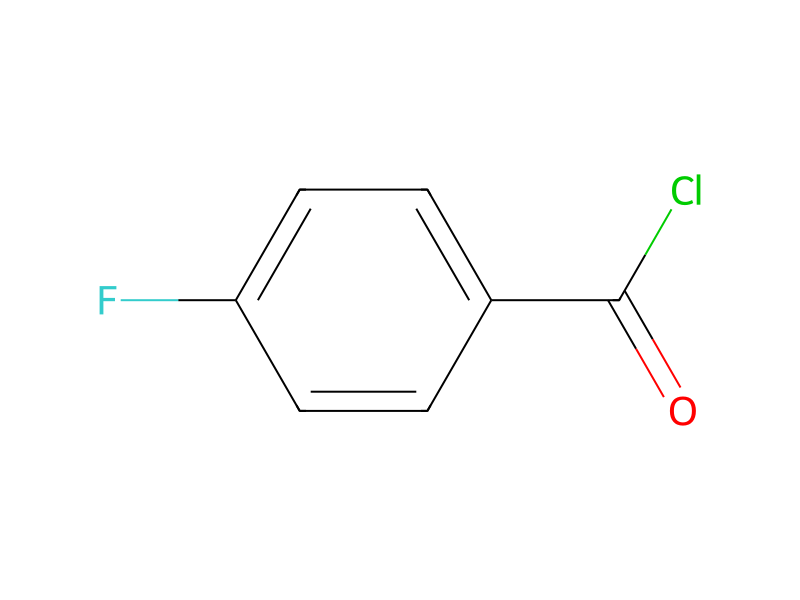
Product 1

Reagents, catalysts & solvents 1

Conditions
- Temperature
- 0 °C
Procedure
2,6-Diaminopyridine (10.9 grams, 0.1 mole) was dissolved in 500 milliliters dichloromethane and trietbylamine (28.0 milliliters, 20.2 grams, 0.2 mole) was added. The solution was chilled to 0° C. before 4-fluorobenzoyl chloride (24.0 milliliters, 31.7 grams, 0.2 mole) was added drop-wise over the course of 30 minutes. After stirring for 2 hours at 0° C., the solution was allowed to warm to room temperature (25° C.) and stirred for 18 hours. The resulting precipitate was isolated by filtration and suction dried. The precipitate was recrystallized from 300 milliliters of refluxing ethanol, isolated by filtration, rinsed with ethanol, suction dried, and vacuum dried in an oven overnight. The yield was 34.0 grams of white crystals.
Workup
- additiontrietbylamine (28.0 milliliters, 20.2 grams, 0.2 mole) was added
- additionwas added drop-wise over the course of 30 minutes
- temperatureto warm to room temperature (25° C.)
- stirringstirred for 18 hours
- customThe resulting precipitate was isolated by filtration and suction
- customdried
- customThe precipitate was recrystallized from 300 milliliters of refluxing ethanol
- customisolated by filtration
- washrinsed with ethanol, suction
- customdried
- customvacuum dried in an oven overnight
Sources & evidence
- ORD record
- ord-ed5ddc3afd484ac0885b0ae1a621f9f3
- Source dataset
- uspto-grants-2011_09
- Patent number
- US08012541B2
Reaction notes
Loading…