Hydrochloric Acid → 6-Bromo-2-[(4-methoxyphenyl)methyl]-1(2H)-isoquinolinone
Reaction equation

[Br:1][C:2]1[CH:3]=[C:4]2[C:9](=[CH:10][CH:11]=1)[C:8](=[O:12])[N:7]([CH2:13][C:14]1[CH:19]=[CH:18][C:17]([O:20][CH3:21])=[CH:16][CH:15]=1)[C:6](=O)[CH2:5]2.[BH4-].[Na+].Cl>ClCCl.CO>[Br:1][C:2]1[CH:3]=[C:4]2[C:9](=[CH:10][CH:11]=1)[C:8](=[O:12])[N:7]([CH2:13][C:14]1[CH:15]=[CH:16][C:17]([O:20][CH3:21])=[CH:18][CH:19]=1)[CH:6]=[CH:5]2Participants
5




Procedure
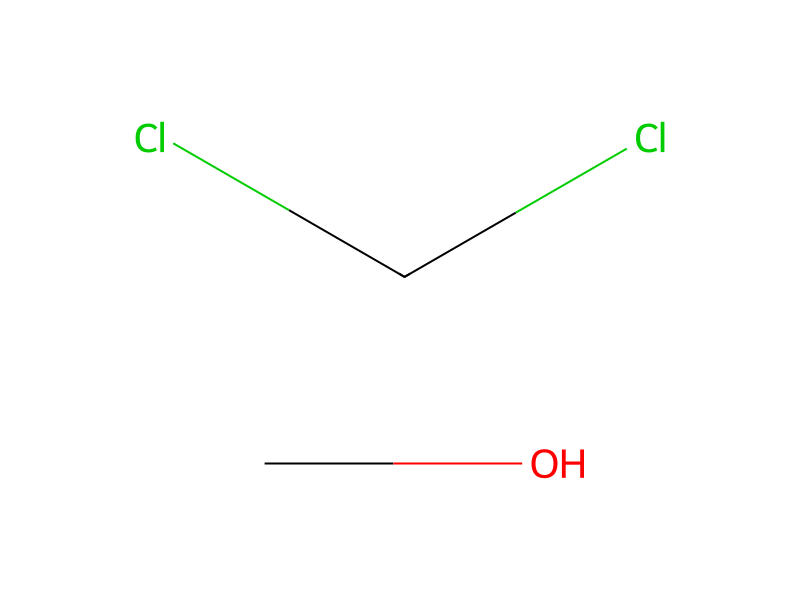
To a solution of 6-bromo-2-(4-methoxy-benzyl)-4H-isoquinoline-1,3-dione (product of step iii)) (2.6 g) in dichloromethane:methanol (3:1, 80 mL) was added sodium borohydride (1.0 g) portionwise over 2 hours. The reaction mixture was acidified with hydrochloric acid and stirred for 30 minutes. The reaction mixture was evaporated and the residue partitioned between dichloromethane and water. The organic phase was washed with brine, dried, filtered and evaporated. The residue was purified (SiO2, 1:4 ethyl acetate:iso-hexane as eluent) to yield the sub-title compound (1.2 g).
Workup
- customThe reaction mixture was evaporated
- customthe residue partitioned between dichloromethane and water
- washThe organic phase was washed with brine
- customdried
- filtrationfiltered
- customevaporated
- customThe residue was purified (SiO2, 1:4 ethyl acetate:iso-hexane as eluent)
Sources & evidence
- ORD record
- ord-c94718cf9d614c0eb0e1dc0b1e645870
- Source dataset
- uspto-grants-2011_09
- Patent number
- US08012979B2
Reaction notes
Loading…