Acetic Anhydride → HCID 67392294, compound
Reaction equation

[CH3:1][S:2][C:3]1[CH:10]=[CH:9][C:6]([CH:7]=O)=[CH:5][CH:4]=1.[CH3:11][C:12]1[CH:21]=[CH:20][C:15]([C:16]([O:18][CH3:19])=[O:17])=[CH:14][N:13]=1.C(OC(=O)C)(=O)C.[OH-].[Na+]>[Cl-].[Zn+2].[Cl-].ClCCl>[CH3:1][S:2][C:3]1[CH:10]=[CH:9][C:6](/[CH:7]=[CH:11]/[C:12]2[CH:21]=[CH:20][C:15]([C:16]([O:18][CH3:19])=[O:17])=[CH:14][N:13]=2)=[CH:5][CH:4]=1Participants


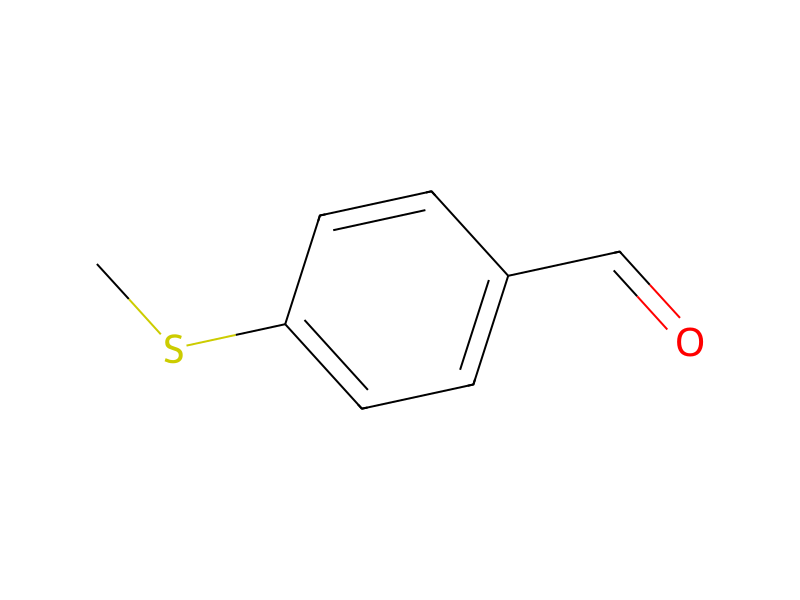




Procedure
A mixture of 4-(methylsulfanyl)benzaldehyde (250 mg, 1.52 mmol), methyl 6-methylnicotinate (230 mg, 1.52 mmol), acetic anhydride (310 mg, 3.04 mmol) and a catalytic amount of zinc chloride was heated under reflux for 12 h. The reaction mixture was allowed to cool to room temperature before crushed ice was added followed by sodium hydroxide solution 10% (dropwise with stirring) until the mixture was basic (pH 8). Dichloromethane was added and the layers separated. The combined organic layers were collected, dried (MgSO4) and concentrated under reduced pressure to give the crude product as brown solid. The crude mixture was purified by column chromatography (ethyl acetate/n-hexane, 1:1, RF=0.80), followed by recrystallization from methanol to give the sub-title compound as pale yellow crystals (251 mg, 58%).
Workup
- temperatureunder reflux for 12 h
- custombefore crushed ice
- additionwas added
- customthe layers separated
- customThe combined organic layers were collected
- dry with materialdried (MgSO4)
- concentrationconcentrated under reduced pressure
- customto give the crude product as brown solid
- customThe crude mixture was purified by column chromatography (ethyl acetate/n-hexane, 1:1, RF=0.80)
- customfollowed by recrystallization from methanol
Sources & evidence
- ORD record
- ord-f065409ff4114f4998a119c1f0672882
- Source dataset
- uspto-grants-2011_09
- Patent number
- US08012967B2
Reaction notes
Loading…