Boronic Acid → 4-(2-morpholin-4-yl-7-pyridin-4-yl-6,7-dihydro-5H-pyrrolo[2,3-d]pyrimidin-4-yl)-benzonitrile
Reaction equation

Cl[C:2]1[C:3]2[CH2:16][CH2:15][N:14]([C:17]3[CH:22]=[CH:21][N:20]=[CH:19][CH:18]=3)[C:4]=2[N:5]=[C:6]([N:8]2[CH2:13][CH2:12][O:11][CH2:10][CH2:9]2)[N:7]=1.CC1(C)C(C)(C)OB([C:31]2[CH:38]=[CH:37][C:34]([C:35]#[N:36])=[CH:33][CH:32]=2)O1.B(O)O>>[N:8]1([C:6]2[N:7]=[C:2]([C:31]3[CH:38]=[CH:37][C:34]([C:35]#[N:36])=[CH:33][CH:32]=3)[C:3]3[CH2:16][CH2:15][N:14]([C:17]4[CH:22]=[CH:21][N:20]=[CH:19][CH:18]=4)[C:4]=3[N:5]=2)[CH2:13][CH2:12][O:11][CH2:10][CH2:9]1Participants
4
Reactant 3
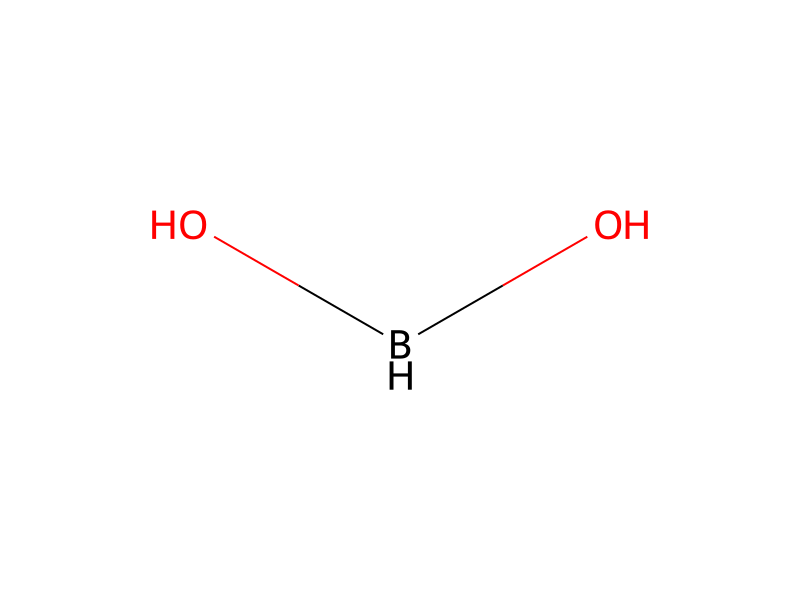


Product 1

Procedure
In the same manner as Example 1-B-10, using 4-chloro-2-morpholin-4-yl-7-pyridin-4-yl-6,7-dihydro-5H-pyrrolo[2,3-d]pyrimidine, and 4-(4,4,5,5-tetramethyl-1,3,2-dioxaborolan-2-yl)benzonitrile as a boronic acid, 4-(2-morpholin-4-yl-7-pyridin-4-yl-6,7-dihydro-5H-pyrrolo[2,3-d]pyrimidin-4-yl)-benzonitrile was obtained, and subsequently 1 equivalent of 1M hydrochloric acid was added, followed by stirring at room temperature, which was concentrated under reduced pressure, to obtain the desired compound.
Sources & evidence
- ORD record
- ord-9ddad866c402444b987d30d8173f46d0
- Source dataset
- uspto-grants-2011_09
- Patent number
- US08022205B2
Reaction notes
Loading…