Furfuryl Alcohol → 60387-39-5
Reaction equation

[CH3:1][C:2]1[CH:7]=[CH:6][C:5]([N:8]=[C:9]=[O:10])=[CH:4][C:3]=1[N:11]=[C:12]=[O:13].[CH2:14]([OH:20])[C:15]1[O:19][CH:18]=[CH:17][CH:16]=1>C1C=CC=CC=1>[C:2]1([CH3:1])[C:3]([NH:11][C:12]([O:20][CH2:14][C:15]2[O:19][CH:18]=[CH:17][CH:16]=2)=[O:13])=[CH:4][C:5]([NH:8][C:9]([O:20][CH2:14][C:15]2[O:19][CH:18]=[CH:17][CH:16]=2)=[O:10])=[CH:6][CH:7]=1Participants
4
Reactant 2
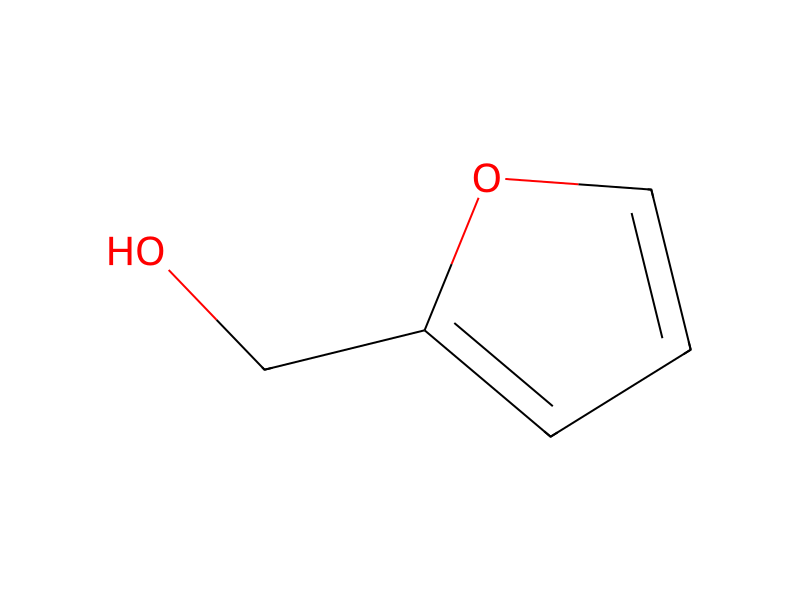
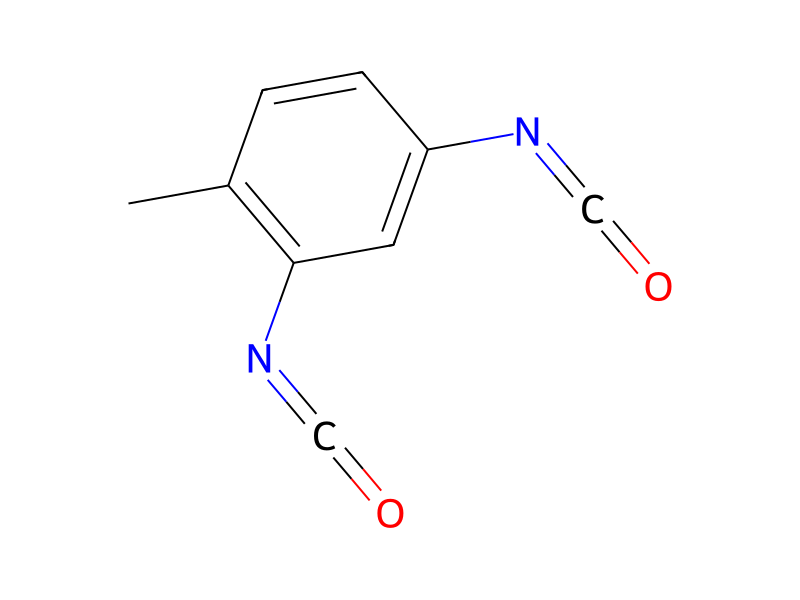
Product 1

Reagents, catalysts & solvents 1

Procedure
To a solution of 522 g. (3 moles) of 2,4-toluenediisocyanate in 500 ml. of benzene under a nitrogen atmosphere is added a solution of 588 g. (6 moles) of furfuryl alcohol in 500 ml. of benzene at such a rate as to maintain the temperature below 50°C. The reaction is completed by refluxing for 3 hours (about 80°-90°C.) The reaction mixture is allowed to stand at room temperature overnight, during which time the product diurethane crystallizes. The material is collected by filtration, dried, and pulverized. The yield is 916 g of material (82.5% of theoretical) having a melting point of 154°-156°C.
Workup
- temperatureby refluxing for 3 hours (about 80°-90°C.) The reaction mixture
- customthe product diurethane crystallizes
- filtrationThe material is collected by filtration
- customdried
Sources & evidence
- ORD record
- ord-f3f99d64cd0b47df9ae6f74968af8ecb
- Source dataset
- uspto-grants-1976_07
- Patent number
- US03968092
Reaction notes
Loading…