Pyridine → 3-(4-Methylphenyl)prop-2-EN-1-YL 9-cyclopropylnonanoate
Reaction equation

[CH3:1][C:2]1[CH:11]=[CH:10][C:5]([CH:6]=[CH:7][CH2:8][OH:9])=[CH:4][CH:3]=1.[CH:12]1([CH2:15][CH2:16][CH2:17][CH2:18][CH2:19][CH2:20][CH2:21][CH2:22][C:23](Cl)=[O:24])[CH2:14][CH2:13]1.N1C=CC=CC=1.Cl.[NH+]1C=CC=CC=1>CCOCC.O>[CH:12]1([CH2:15][CH2:16][CH2:17][CH2:18][CH2:19][CH2:20][CH2:21][CH2:22][C:23]([O:9][CH2:8][CH:7]=[CH:6][C:5]2[CH:10]=[CH:11][C:2]([CH3:1])=[CH:3][CH:4]=2)=[O:24])[CH2:13][CH2:14]1Participants
Reactant 4



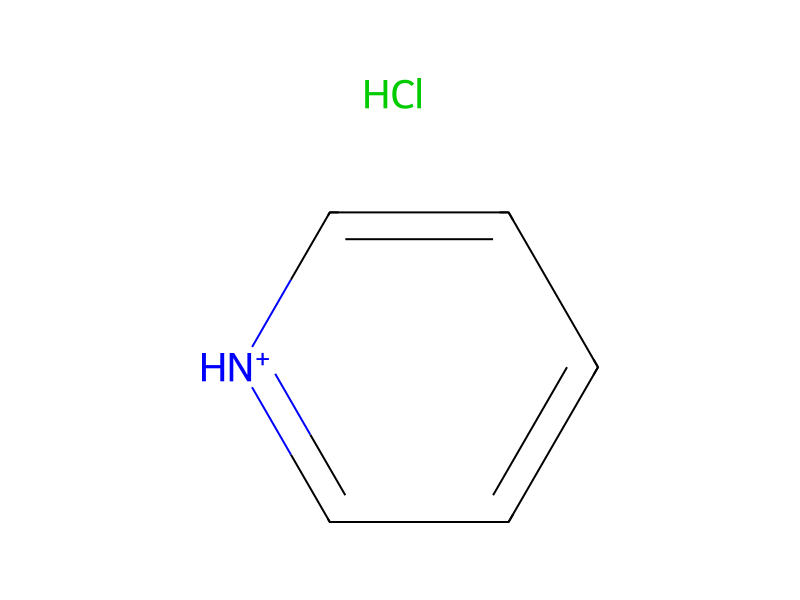
Product 1

Reagents, catalysts & solvents 2


Procedure
To a solution of 2.5 g. p-methylcinnamyl alcohol in 50 ml. ether at 0° under nitrogen is added 4.9 g. 9-cyclopropylnonanoyl chloride and 3.6 ml. pyridine. The reaction mixture is allowed to warm to room temperature and is then stirred for ten days. Water is then added to dissolve the pyridinium hydrochloride and form a second liquid phase. This mixture is stirred for 4 hours to hydrolyze the excess acid chloride and the mixture is then diluted with a mixture of ether and water. The ether phase is separated and the aqueous phase is extracated once with ether. The combined ether phases are washed with 2N sulfuric acid, 10% potassium carbonate, water, saturated copper sulfate, water, and brine, dried over calcium sulfate and the solvent removed to yield p-methylcinnamyl 9-cyclopropylnonanoate.
Workup
- customform a second liquid phase
- stirringThis mixture is stirred for 4 hours
- customThe ether phase is separated
- washThe combined ether phases are washed with 2N sulfuric acid, 10% potassium carbonate, water, saturated copper sulfate, water, and brine
- dry with materialdried over calcium sulfate
- customthe solvent removed
Sources & evidence
- ORD record
- ord-10ead71c796c4e88898fed505ca74c90
- Source dataset
- uspto-grants-1976_07
- Patent number
- US03969384
Reaction notes
Loading…