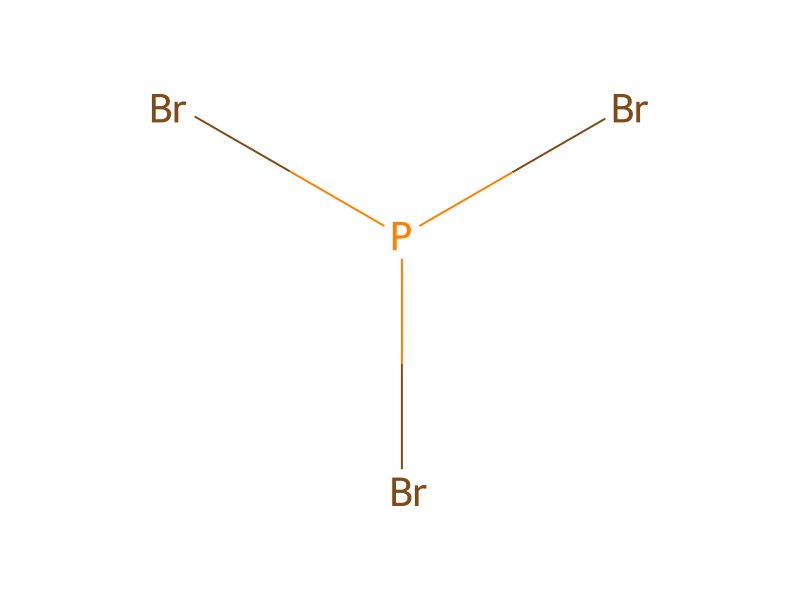
Phosphorus tribromide → 2-(Bromomethyl)-4-methyl-1-nitrobenzene
Reaction equation

[CH3:1][C:2]1[CH:3]=[CH:4][C:5]([N+:10]([O-:12])=[O:11])=[C:6]([CH2:8]O)[CH:7]=1.P(Br)(Br)[Br:14].C([O-])(O)=O.[Na+]>C(Cl)Cl>[Br:14][CH2:8][C:6]1[CH:7]=[C:2]([CH3:1])[CH:3]=[CH:4][C:5]=1[N+:10]([O-:12])=[O:11]Participants
Reactant 3


Product 1

Reagents, catalysts & solvents 1

Procedure
5-methyl-2-nitrobenzoic acid (10.0 g, 55.2 mmol) were dissolved in THF (100 mL) followed by dropping 2.0 M borane dimethisulfide comples (110 mL, 221.1 mmol) and heating at 80° C. After 1.5 hours, 100 ml of 1 M HCl were dropped into this reaction system while cooling with ice and stirring. The system was extracted with ethyl acetate, and then was dried with Na2SO4 followed by concentration under reduced pressure and drying to obtain benzylic alcohol (9.1 g, 99% yield) as viscous colorless oil. (5-methyl-2-nitrophenyl) methanol (9.1 g, 54.5 mmol) were dissolved in dry CH2Cl2 (100 mL) followed by the addition of phosphorous tribromide (7.4 g, 27.3 mmol) and stirring at room temperature. After 30 minutes, saturated NaHCO3(aq. 100 mL) were added followed by stirring for 10 minutes and extracting with CH2Cl2 (200 ml×2). The organic phase was then concentrated under reduced pressure and dried to obtain the benzyl bromide analogue, 49, (11.9 g, 95% yield) as a white solid: mp 51-52° C.
Workup
- stirringby stirring for 10 minutes
- extractionextracting with CH2Cl2 (200 ml×2)
- concentrationThe organic phase was then concentrated under reduced pressure
- customdried
Sources & evidence
- ORD record
- ord-d62512760ca341f9a0576df531b2d460
- Source dataset
- uspto-grants-2016_03
- Patent number
- US09284299B2
Reaction notes
Loading…