Acetamide → 9-(2-Methyloxazol-4-yl)-3,4,7,8-tetrahydro-[1,4]diazepino[7,1-a]isoquinoline-2,5-dione
Reaction equation

Br[CH2:2][C:3]([C:5]1[CH:14]=[CH:13][CH:12]=[C:11]2[C:6]=1[CH2:7][CH2:8][N:9]1[C:19](=[O:20])[CH2:18][NH:17][C:16](=[O:21])[CH:15]=[C:10]12)=O.[C:22]([NH2:25])(=[O:24])[CH3:23]>>[CH3:23][C:22]1[O:24][CH:2]=[C:3]([C:5]2[CH:14]=[CH:13][CH:12]=[C:11]3[C:6]=2[CH2:7][CH2:8][N:9]2[C:19](=[O:20])[CH2:18][NH:17][C:16](=[O:21])[CH:15]=[C:10]23)[N:25]=1Participants
3
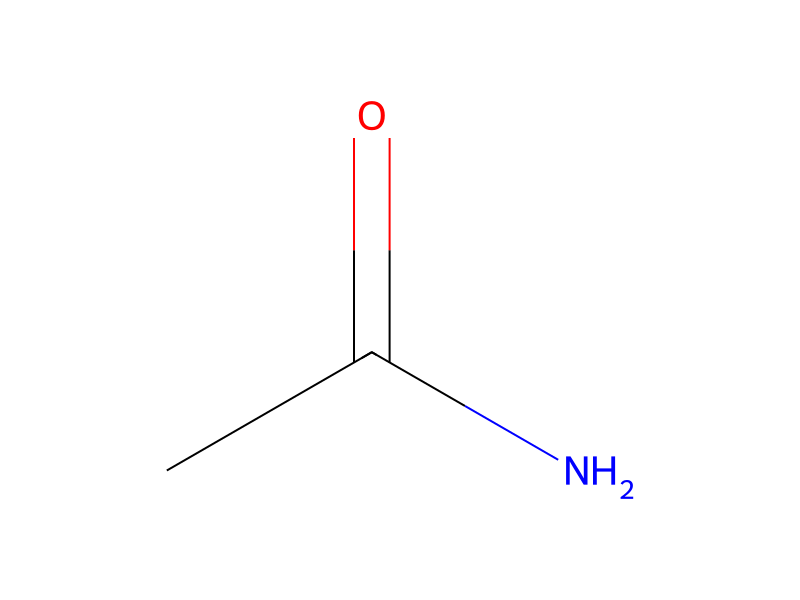


Conditions
- Temperature
- 130 °C
Procedure
111-3. A flask was charged with 9-(2-bromoacetyl)-3,4,7,8-tetrahydro-[1,4]diazepino[7,1-a]isoquinoline-2,5-dione (230 mg, 0.66 mmol) and acetamide (233 mg, 3.95 mmol) and the solid mixture was heated to 130° C. for 15 min. The resulting brown liquid mass was partitioned in AcOEt and H2O. The org. phase was separated, dried over Na2SO4, filtered and concentrated in vacuo. Purification by flash chromatography (SiO2, AcOEt/MeOH (100:0 to 90:10) gave the title compound (110 mg) as a beige powder. UPLC-MS: MS 310.2 (M+H+); UPLC rt 0.67 min.
Workup
- customThe resulting brown liquid mass was partitioned in AcOEt
- customphase was separated
- dry with materialdried over Na2SO4
- filtrationfiltered
- concentrationconcentrated in vacuo
- customPurification by flash chromatography (SiO2, AcOEt/MeOH (100:0 to 90:10)
Sources & evidence
- ORD record
- ord-14ed4f6123db49a19ee9d8b85315f0e4
- Source dataset
- uspto-grants-2016_03
- Patent number
- US09284331B2
Reaction notes
Loading…