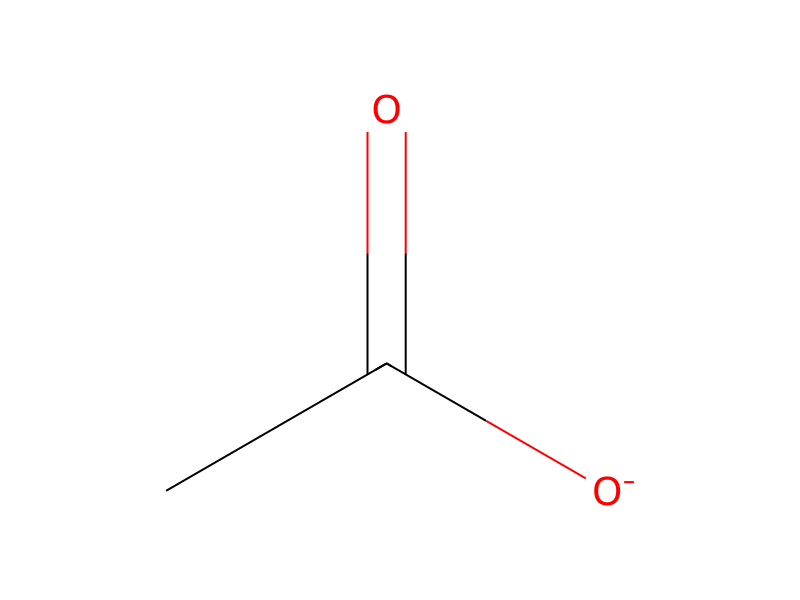
Acetate → HCID 178489500, compound
Reaction equation

Br[C:2]1[CH:7]=[CH:6][N:5]=[C:4]([NH:8][C:9]([NH:11][CH2:12][C:13]2[CH:18]=[CH:17][CH:16]=[CH:15][C:14]=2[O:19][CH3:20])=[NH:10])[CH:3]=1.[F:21][C:22]1[CH:27]=[CH:26][C:25](OB(O)O)=[CH:24][CH:23]=1.C(=O)([O-])[O-].[Na+].[Na+].C([O-])(=O)C>>[F:21][C:22]1[CH:27]=[CH:26][C:25]([C:2]2[CH:7]=[CH:6][N:5]=[C:4]([NH:8][C:9]([NH:11][CH2:12][C:13]3[CH:18]=[CH:17][CH:16]=[CH:15][C:14]=3[O:19][CH3:20])=[NH:10])[CH:3]=2)=[CH:24][CH:23]=1Participants
5



Conditions
- Temperature
- 110 °C
Procedure
The preparation was carried out analogously to Example 56, using 0.150 g (0.447 mmol) N-(4-bromopyridin-2-yl)-N′-(2-methoxybenzyl)guanidine, 0.093 g (0.671 mmol) (4-fluorophenyl)boric acid, 0.142 g (1.343 mmol) sodium carbonate, and 0.036 g (0.031 mmol) tetrakis-(triphenylphosphine)palladium(0). The mixture was likewise heated in a reaction block for 17.5 hr at 110° C. under a nitrogen atmosphere. After appropriate workup and purification via preparative HPLC, 50.9 mg (0.124 mmol, 27%) pure N-[4-(4-fluorophenyl)pyridin-2-yl]-N′-(2-methoxybenzyl)guanidine was obtained in the form of the acetate salt (base/acetate in a ratio of 1:1).
Workup
- customAfter appropriate workup and purification via preparative HPLC
Sources & evidence
- ORD record
- ord-f20779d7723f40e69fb460839795fbd8
- Source dataset
- uspto-grants-2016_03
- Patent number
- US09296697B2
Reaction notes
Loading…