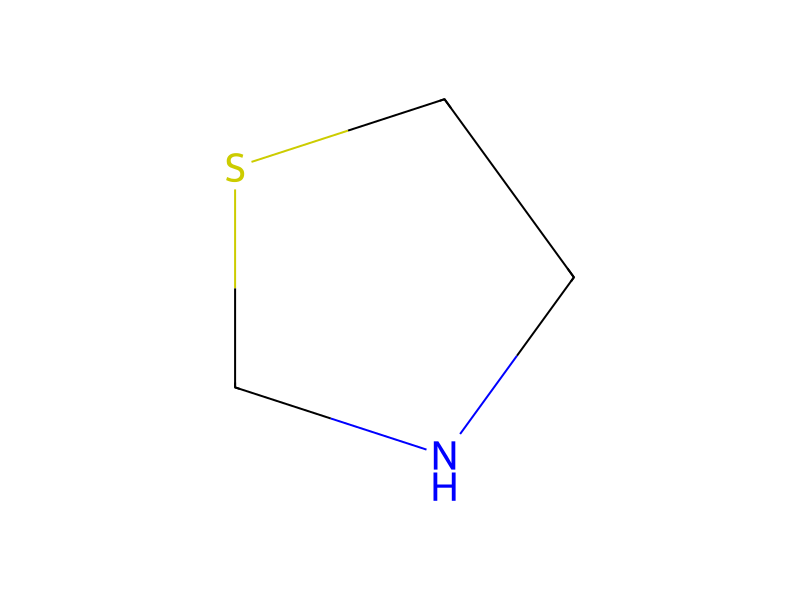
Thiazolidine → HCID 86574661, compound
Reaction equation

[F:1][C:2]1[CH:3]=[C:4]([C:13]2[N:17]([C:18]3[CH:23]=[CH:22][N:21]=[C:20]([Cl:24])[CH:19]=3)[N:16]=[C:15]([C:25](O)=[O:26])[CH:14]=2)[CH:5]=[C:6]([O:8][C:9]([F:12])([F:11])[F:10])[CH:7]=1.ClC1C=C(C2N(C3C=CC=CN=3)N=C(C(N3CC(=O)NC3)=O)C=2)C=C(F)C=1.[S:55]1[CH2:59][CH2:58][NH:57][CH2:56]1>>[Cl:24][C:20]1[CH:19]=[C:18]([N:17]2[C:13]([C:4]3[CH:5]=[C:6]([O:8][C:9]([F:10])([F:11])[F:12])[CH:7]=[C:2]([F:1])[CH:3]=3)=[CH:14][C:15]([C:25]([N:57]3[CH2:58][CH2:59][S:55][CH2:56]3)=[O:26])=[N:16]2)[CH:23]=[CH:22][N:21]=1Participants
4


Procedure
200 mg (0.55 mmol) of the compound of Example 35A is reacted analogously to the synthesis of the compound of Example 1 with 0.05 ml (0.60 mmol) of thiazolidine. 193 mg (80% of theory) of the title compound is obtained.
Sources & evidence
- ORD record
- ord-fe6dddcca5fc494095c1c8a5fc4569f6
- Source dataset
- uspto-grants-2016_03
- Patent number
- US09296720B2
Reaction notes
Loading…