Propanal → HCID 19081880, compound
Reaction equation

[N:1]1[CH:6]=[CH:5][C:4]([CH:7]=[CH:8][CH:9]=[O:10])=[CH:3][CH:2]=1.C(=O)C=C.N1C=CC(CCC=O)=CC=1.C(=O)CC>>[NH:1]1[CH2:6][CH2:5][CH:4]([CH2:7][CH2:8][CH:9]=[O:10])[CH2:3][CH2:2]1Participants
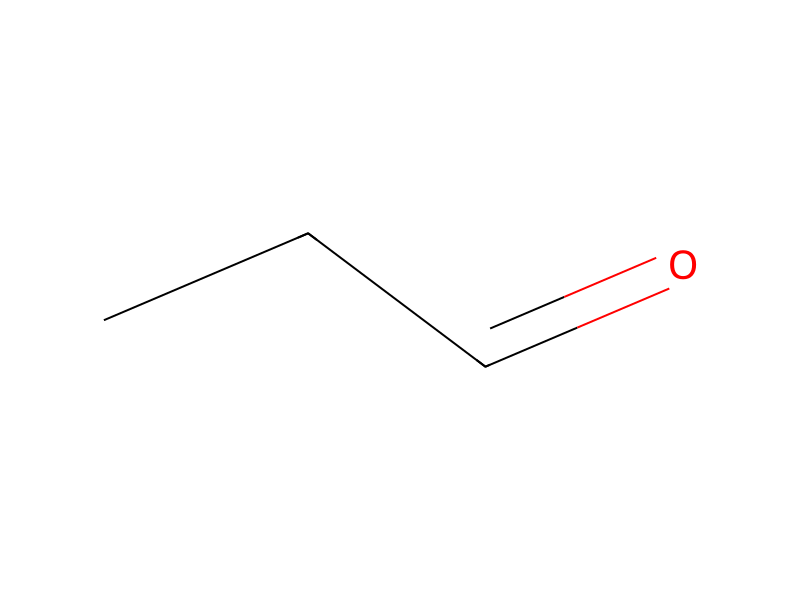


Procedure
Alternatively, hydrogenation of the 3-pyridin-4-yl-2-propen-1-one is carried out by (i) hydrogenating the 2-propen-1-one until conversion to the corresponding 3-pyridin-4-ylpropan-1-one is complete, (ii) optionally alkylating the propan-1-one with a compound of the formula L-R20 or X-R21 (wherein R20 and R21 are as defined above), and then (iii) continuing hydrogenation to give the corresponding 3-piperidin-4-ylpropan-1-one. Hydrogenation of the propenone to the 3-pyridin-4-ylpropan-1-one is carried out with an appropriate catalyst (5% palladium on carbon, 20% palladium hydroxide, etc.) in a suitable solvent (e.g., THF, acetic acid, DMF, ethanol, etc.) at 5 to 60 psi and requires 1 to 48 hours. The preparation of a compound of Formula I(b) in which R7 is 3-(4-methoxyphenyl)prop-1-yl is described in Example 13.
Sources & evidence
- ORD record
- ord-3bf3ed9c8aaf48bcb8cfcda300b9ed89
- Source dataset
- uspto-grants-1998_06
- Patent number
- US05763458
Reaction notes
Loading…