Sodium Hydroxide → HCID 19075055, compound
Reaction equation

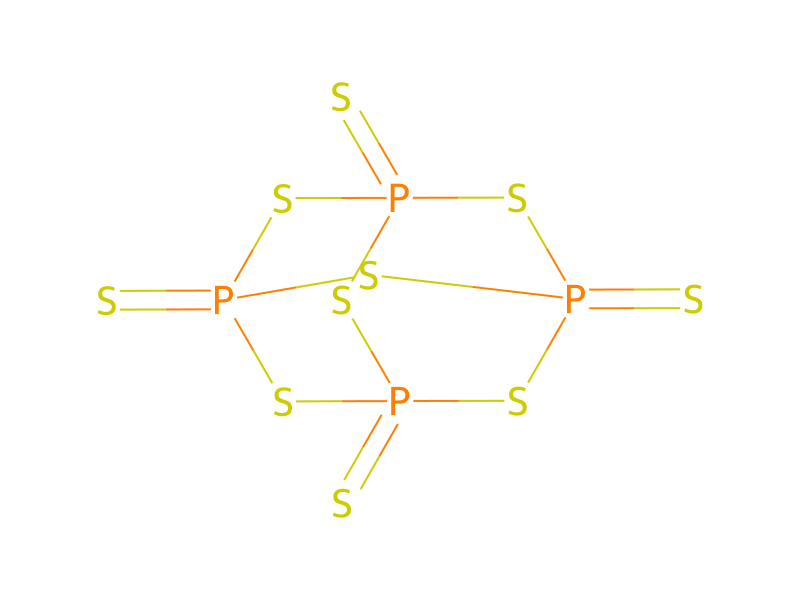
O[C:2]1[C:11]2[C:6](=[CH:7][C:8]([N:12]3[CH2:17][CH2:16][N:15](C(OC)=O)[CH2:14][CH2:13]3)=[CH:9][CH:10]=2)[N:5]=[CH:4][CH:3]=1.[OH-].[Na+].P12(SP3(SP(SP(S3)(S1)=S)(=S)S2)=S)=[S:25]>CO>[N:12]1([C:8]2[CH:7]=[C:6]3[C:11]([C:2](=[S:25])[CH:3]=[CH:4][NH:5]3)=[CH:10][CH:9]=2)[CH2:17][CH2:16][NH:15][CH2:14][CH2:13]1Participants
Reactant 3


Product 1

Reagents, catalysts & solvents 1

Procedure
4-Hydroxy-7-(4-methoxycarbonyl-1-piperazinyl)quinoline (0.32 g, 1.1 mmol) dissolved in methanol (5 ml) was added with 2N sodium hydroxide (1.6 ml) and stirred with heating for 12 hours. After allowing to cool, methanol was removed under reduced pressure. The residue was added with water (10 ml) and adjusted by 5% hydrochloric acid to pH 7 and the water was removed under reduced pressure. This residue was siispended in pyridine (5 ml), added with phosphorus pentasulfide (0.25 g, 1.1 mmol) and stirred at 100° C. for 1.5 hours. After allowing to cool, pyridine was removed under reduced pressure and the residue was purified by preparative TLC (Merck Art. 13895, methylene chloride : methanol : ammonia water=50 : 10 : 1) to obtain 21 mg (8%) of the titled compound.
Workup
- temperaturewith heating for 12 hours
- temperatureto cool
- custommethanol was removed under reduced pressure
- additionThe residue was added with water (10 ml)
- customthe water was removed under reduced pressure
- stirringstirred at 100° C. for 1.5 hours
- temperatureto cool
- custompyridine was removed under reduced pressure
- customthe residue was purified by preparative TLC (Merck Art. 13895, methylene chloride : methanol : ammonia water=50 : 10 : 1)
Sources & evidence
- ORD record
- ord-7cc32da3fea3451fb0dc1693203f693d
- Source dataset
- uspto-grants-1998_06
- Patent number
- US05773449
Reaction notes
Loading…