Ethylene Oxide → Diphenylphosphinylacetic acid
Reaction equation

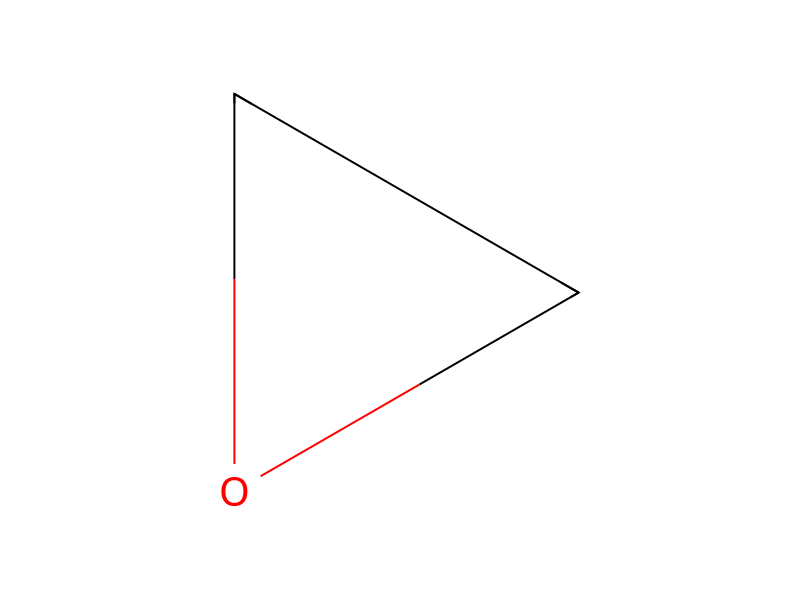
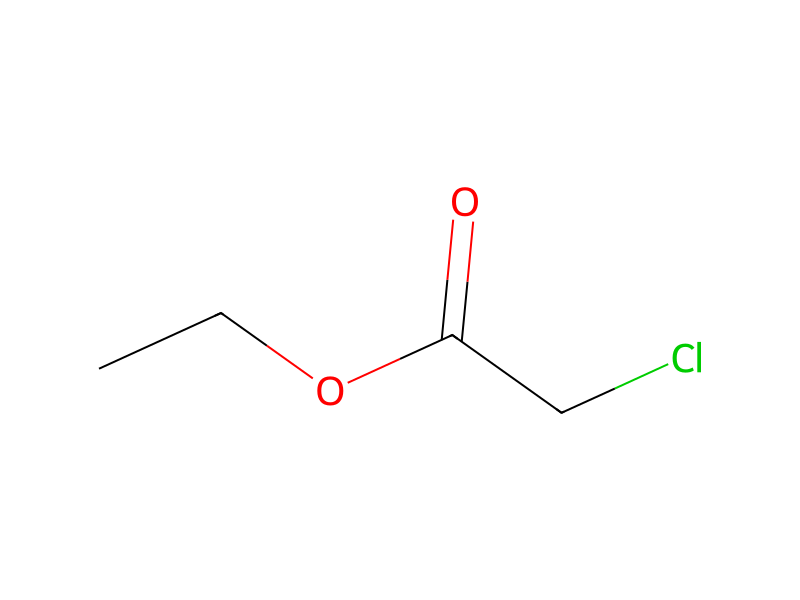
[C:1]1([P:7]([C:9]2[CH:14]=[CH:13][CH:12]=[CH:11][CH:10]=2)Cl)[CH:6]=[CH:5][CH:4]=[CH:3][CH:2]=1.CC[O:17][C:18]([CH2:20]Cl)=[O:19].C1[O:24]C1.ClC(Cl)C>>[C:1]1([P:7]([CH2:20][C:18]([OH:17])=[O:19])([C:9]2[CH:14]=[CH:13][CH:12]=[CH:11][CH:10]=2)=[O:24])[CH:6]=[CH:5][CH:4]=[CH:3][CH:2]=1Participants
5



Conditions
- Temperature
- -5 °C
Procedure
Into a 0.15 l four-neck flask provided with a thermometer, stirrer, gas-supply pipe and a cooler there are charged 33.07 g (0.15 mole) of diphenylchlorophosphine and 18.37 g (0.15 mole) of ethyl ester of chloroacetic acid. The flask contents are purged with nitrogen and cooled to the temperature of -5° C. Thereafter, a mixture of ethylene oxide and nitrogen in the ratio of 1:1 is bubbled into the solution at a temperature of the reaction mixture of from -5° to +5° C. After addition of 6.6 g (0.15 mole) of ethylene oxide and completion of the reaction, the temperature is slowly elevated to 140° C. simultaneously distilling-off dichloroethane. In doing so, ethyl ester of diphenylphosphinylacetic acid is formed.
Workup
- customInto a 0.15 l four-neck flask provided with a thermometer, stirrer, gas-supply pipe
- customThe flask contents are purged with nitrogen
- additionThereafter, a mixture of ethylene oxide and nitrogen in the ratio of 1:1
- customis bubbled into the solution at a temperature of the reaction mixture of from -5° to +5° C
Sources & evidence
- ORD record
- ord-418b9f90d4ba4d85930e306c70c86de2
- Source dataset
- uspto-grants-1979_07
- Patent number
- US04162264
Reaction notes
Loading…