Benzyl Alcohol → Glutaraldehyde
Reaction equation

C=[O:2].[CH2:3]([OH:10])[C:4]1C=C[CH:7]=[CH:6][CH:5]=1>>[CH:4]([CH:3]=[O:10])=[O:2].[CH:7](=[O:2])[CH2:6][CH2:5][CH2:4][CH:3]=[O:10]Participants



Procedure
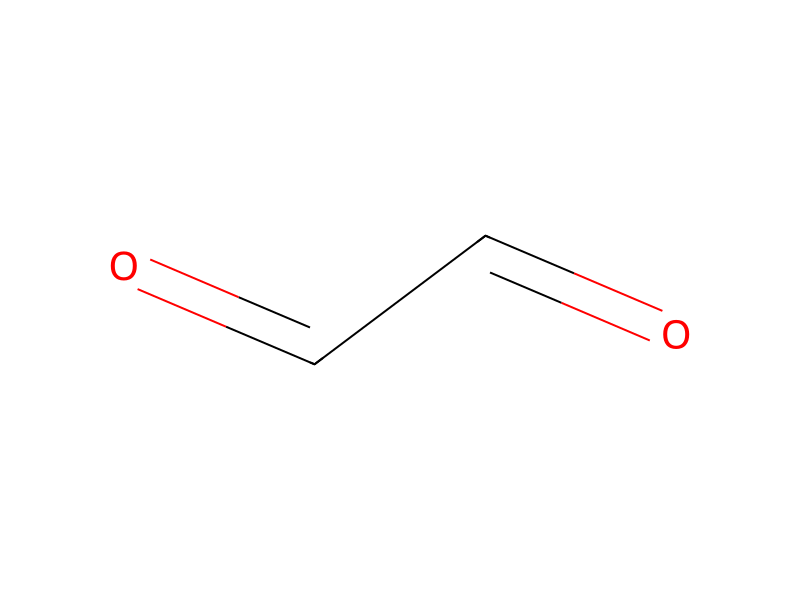
It is apparent that simply heating 100% Polymer H at 60° to 95° C for more than 1 hour is not enough to achieve insolubility in 100% benzyl alcohol, but other tests with 4% benzyl alcohol showed that Polymer H crosslinked by heating was not soluble and could be used successfully for making a weak pod seal. Reaction with formaldehyde causes crosslinking and the product is insoluble but swells in 100% benzyl alcohol. Glyoxal and glutaraldehyde give tightly crosslinked products that are insoluble and swell very little in 100% benzyl alcohol. At the low concentration of benzyl alcohol in a photographic developer, these crosslinked compositions formed by heating, or those containing the hardeners and crosslinkers formaldehyde, glyoxal, ethylene diamine, and glutaraldehyde are acceptably resistant to solution.
Workup
- temperatureby heating
- customseal
Sources & evidence
- ORD record
- ord-f050c10f95f944058f3123174b563955
- Source dataset
- uspto-grants-1977_10
- Patent number
- US04054232
Reaction notes
Loading…