3-Phenoxybenzoic acid → 1-Hydroxy-1-(1-ethylpropyl)-3-(3-phenoxyphenyl)urea
Reaction equation

[O:1]([C:8]1[CH:9]=[C:10]([CH:14]=[CH:15][CH:16]=1)C(O)=O)[C:2]1[CH:7]=[CH:6][CH:5]=[CH:4][CH:3]=1.[N-:17]=[C:18]=[O:19].[CH2:20]([CH:22]([NH:25][OH:26])[CH2:23][CH3:24])[CH3:21]>>[OH:26][N:25]([CH:22]([CH2:23][CH3:24])[CH2:20][CH3:21])[C:18]([NH:17][C:10]1[CH:14]=[CH:15][CH:16]=[C:8]([O:1][C:2]2[CH:3]=[CH:4][CH:5]=[CH:6][CH:7]=2)[CH:9]=1)=[O:19]Participants
4

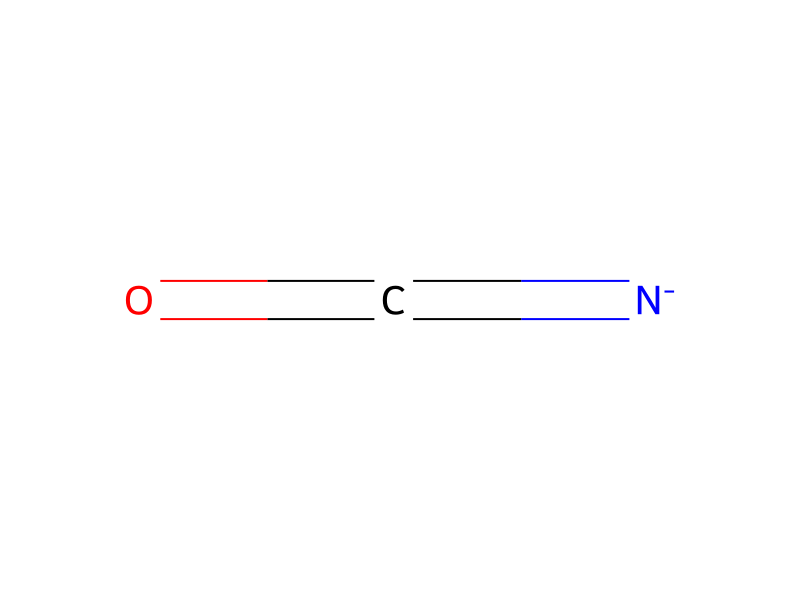


Procedure
Using the method of Compound 76, 3-phenoxybenzoic acid (3.47 g, 16 mmole) was converted to the corresponding isocyanate then reacted with N-(1-ethylpropyl)hydroxylamine (2.5 g, 24 mmole) to provide 3.2 g of the desired product as white plates, m.p. 110.6°-111.4° C. Analysis: Calculated for C18H22N2O3 : %C, 68.77; %H, 7.05; %N, 8.91; Found: %C, 68.4; %H, 6.67; %N, 8.89.
Sources & evidence
- ORD record
- ord-2529c05829b6401aaee53121fc25383f
- Source dataset
- uspto-grants-1997_03
- Patent number
- US05612377
Reaction notes
Loading…