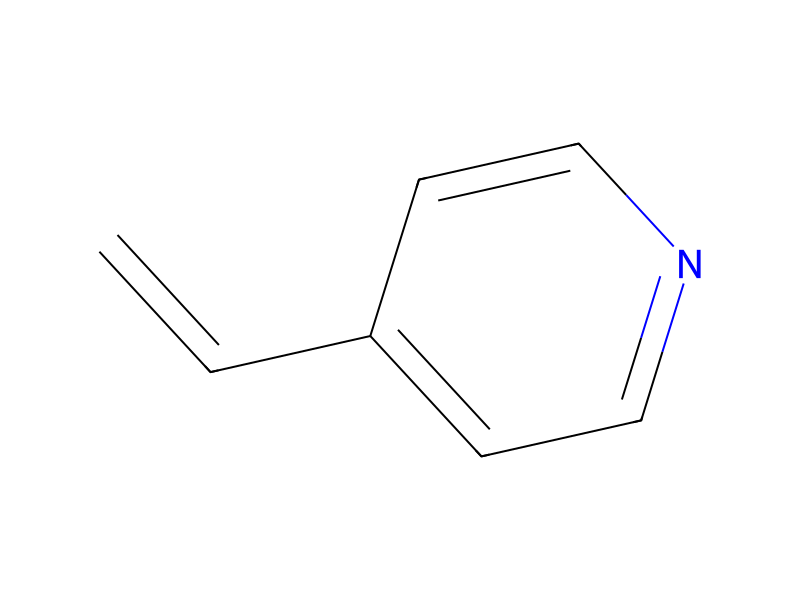
4-Vinylpyridine → Carvotroline
Reaction equation

[CH:1]([C:3]1[CH:8]=[CH:7][N:6]=[CH:5][CH:4]=1)=[CH2:2].[C:9]1(N)[C:14]([F:15])=[C:13](F)[C:12](F)=[C:11]([NH2:18])[C:10]=1F.Cl.Cl>>[F:15][C:14]1[CH:9]=[CH:10][C:11]2[NH:18][C:3]3[CH2:8][CH2:7][N:6]([CH2:2][CH2:1][C:3]4[CH:8]=[CH:7][N:6]=[CH:5][CH:4]=4)[CH2:5][C:4]=3[C:12]=2[CH:13]=1Participants
3


Procedure
The title compound was prepared following the procedure of Example 2 with the exception 4-vinylpyridine was used instead of 2-vinylpyridine. The product was converted to the dihydrochloride salt; mp. 233°-235° C.
Sources & evidence
- ORD record
- ord-1aed1f85481042ccb490ad5a7e0adcbe
- Source dataset
- uspto-grants-1987_01
- Patent number
- US04636563
Reaction notes
Loading…