Sodium Hydroxide → 2-Bromo-2-methyl-1-(4-piperidinophenyl)-propan-1-one
Reaction equation

[CH3:1][CH:2]([CH3:17])[C:3]([C:5]1[CH:10]=[CH:9][C:8]([N:11]2[CH2:16][CH2:15][CH2:14][CH2:13][CH2:12]2)=[CH:7][CH:6]=1)=[O:4].ClS(O)(=O)=O.[Br:23]Br.[OH-].[Na+]>C(O)(=O)C>[Br:23][C:2]([CH3:17])([CH3:1])[C:3]([C:5]1[CH:10]=[CH:9][C:8]([N:11]2[CH2:16][CH2:15][CH2:14][CH2:13][CH2:12]2)=[CH:7][CH:6]=1)=[O:4]Participants
6





Procedure
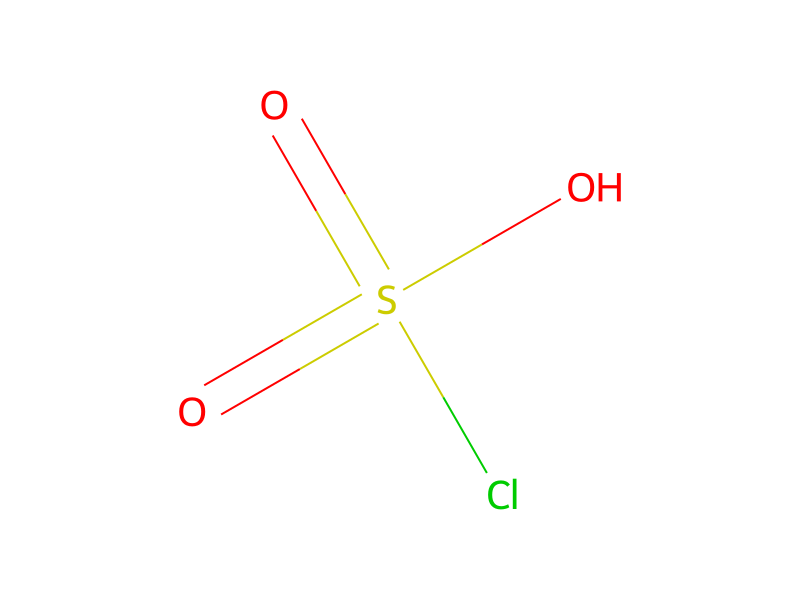
34.70 g (0.15 mol) of 2-methyl-1-(4-piperidinophenyl)-propan-1-one are dissolved in 200 ml of glacial acetic acid. 0.58 g (5.0 mmol) of chlorosulfonic acid (corresponding to 0.33 ml) are added as catalyst. 24.0 g (0.15 mol) of bromine are then added dropwise at room temperature with thorough stirring in the course of approximately one hour. The solution is then poured onto ice and is brought to about pH 6 with dilute sodium hydroxide solution. The precipitated crystals are extracted with toluene. The toluene solution is dried with Na2SO4 and is concentrated at 40° C. under the vacuum of a rotary evaporator. The slowly crystallising, orange liquid is then reacted further.
Workup
- additionThe solution is then poured onto ice
- extractionThe precipitated crystals are extracted with toluene
- dry with materialThe toluene solution is dried with Na2SO4
- concentrationis concentrated at 40° C. under the vacuum of a rotary evaporator
- customThe slowly crystallising
- customorange liquid is then reacted further
Sources & evidence
- ORD record
- ord-c6c58e1d63984fa6918fa1968c1987af
- Source dataset
- uspto-grants-1991_02
- Patent number
- US04992547
Reaction notes
Loading…