Acetyl chloride → 2-(4-Isobutylphenyl)acrylonitrile
Reaction equation

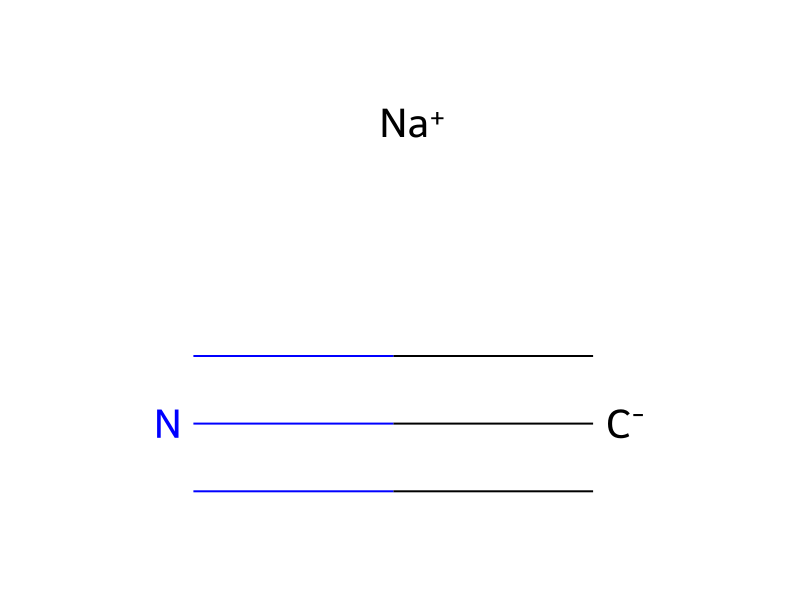
[CH2:1]([C:5]1[CH:10]=[CH:9][CH:8]=[CH:7][CH:6]=1)[CH:2]([CH3:4])[CH3:3].[C-:11]#[N:12].[Na+].[C:14](Cl)(=O)[CH3:15].[Cl-].[Al+3].[Cl-].[Cl-]>>[C:11]([C:14]([C:8]1[CH:9]=[CH:10][C:5]([CH2:1][CH:2]([CH3:4])[CH3:3])=[CH:6][CH:7]=1)=[CH2:15])#[N:12]Participants
5




Procedure
A process which comprises reacting isobutylbenzene with sodium cyanide and acetyl chloride in the presence of aluminum chloride at a temperature of about 60°-120° C. to form 1-cyano-1-(4-isobutylphenyl)ethene.
Workup
- customat a temperature of about 60°-120° C.
Sources & evidence
- ORD record
- ord-19fb70b8007c4168b87356811d515bd5
- Source dataset
- uspto-grants-1991_02
- Patent number
- US04994596
Reaction notes
Loading…