Sodium Fluoride → 1-Fluoro-2,4,6-trimethylpyridinium Tetrafluoroborate (Fluorinating Reagent)
Reaction equation

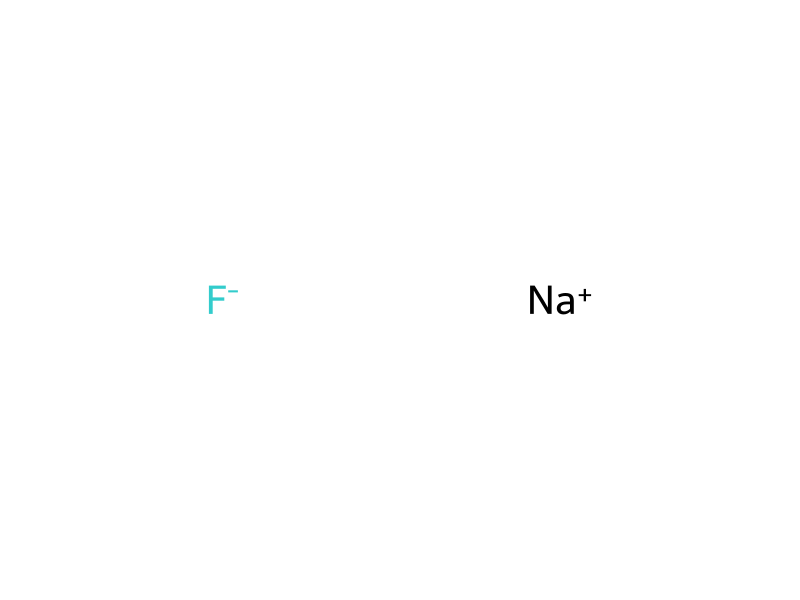
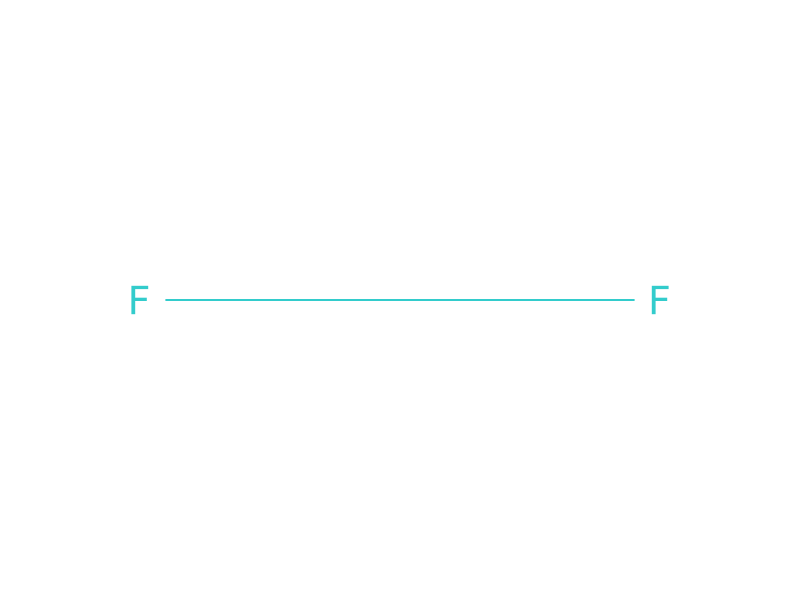
[CH3:1][C:2]1[CH:7]=[C:6]([CH3:8])[CH:5]=[C:4]([CH3:9])[N:3]=1.[B-:10]([F:14])([F:13])([F:12])[F:11].[Na+].[F-:16].[Na+].N#N.FF.FF>C(#N)C>[F:11][B-:10]([F:14])([F:13])[F:12].[F:16][N+:3]1[C:4]([CH3:9])=[CH:5][C:6]([CH3:8])=[CH:7][C:2]=1[CH3:1]Participants
Reactant 5



Product 1

Reagents, catalysts & solvents 1

Procedure
In a 25 ml pear-shaped flask, 2,4,6-trimethylpyridine (1.21 g, 10 mmoles), sodium borofluoride (1.23 g, 10 mmoles) as the XM reactant and anhydrous sodium fluoride (2.1 g, 50 mmoles) were dissolved in 15 ml of anhydrous acetonitrile and to the resulting solution a mixed gas of nitrogen/fluorine (9:1) was introduced at a rate of 50 ml/min. at -40° C. under vigorous stirring. The amount of fluorine introduced was 20 mmoles. After the completion of the reaction, precipitates were filtered and then the solvent was distilled off. The resultant residue was recrystallized from acetonitrile/diethyl ether to obtain 1.59 g (yield: 70%) of N-fluoro-2,4,6-trimethylpyridinium tetrafluoroborate the physical properties of which are shown in Table 6.
Workup
- additionwas introduced at a rate of 50 ml/min. at -40° C. under vigorous stirring
- customAfter the completion of the reaction
- customprecipitates
- filtrationwere filtered
- distillationthe solvent was distilled off
- customThe resultant residue was recrystallized from acetonitrile/diethyl ether
Sources & evidence
- ORD record
- ord-b91908fd55ed454aaa45f42e0a2abe14
- Source dataset
- uspto-grants-1991_02
- Patent number
- US04996320
Reaction notes
Loading…