Triethyl phosphite → Diethyl undec-10-en-1-ylphosphonate
Reaction equation

I[CH2:2][CH2:3][CH2:4][CH2:5][CH2:6][CH2:7][CH2:8][CH2:9][CH2:10][CH:11]=[CH2:12].[CH2:13]([O:15][P:16]([O:20]CC)[O:17][CH2:18][CH3:19])[CH3:14]>>[CH2:13]([O:15][P:16]([O:17][CH2:18][CH3:19])([CH2:2][CH2:3][CH2:4][CH2:5][CH2:6][CH2:7][CH2:8][CH2:9][CH2:10][CH:11]=[CH2:12])=[O:20])[CH3:14]Participants
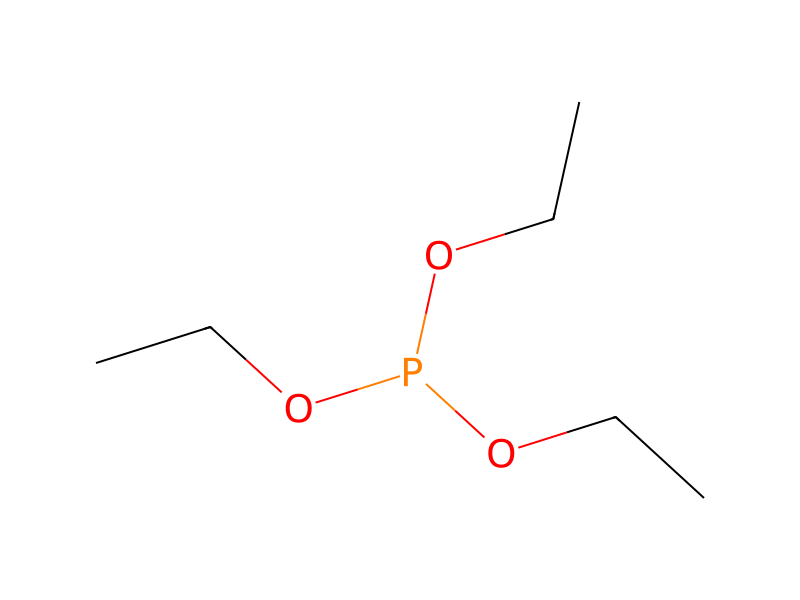


Procedure
A first generation FP probe, FP-biotin, possessed a linear decamethylene chain connecting its FP reactive group to 5-(biotinamido)-pentylamine through an amide bond (15). A variant of FP-biotin in which the agent's decamethylene chain was replaced by a more hydrophilic tetraethylene glycol linker was synthesized. Briefly, tetraethyleneglycol (1) was monosilyated to provide compound 2, which following conversion to alkyl iodide 3, was reacted with triethylphosphite to give phosphonate 4. Desilyation of 4 with HF-pyridine, followed by treatment with N,N-disuccinimidyl carbonate, provided NHS-carbonate 6. Compound 6 was converted to monoethoxy phosphonate acid 7 by treatment with oxalyl chloride followed by hydrolytic workup. Compound 7 was treated with DAST to give fluorophosphonate 8, which was then coupled to 5-(biotinamido)pentylamine (Pierce) to provide FP-peg-biotin (9).
Sources & evidence
- ORD record
- ord-05a29fd972ad44c5af212350da800690
- Source dataset
- uspto-grants-2005_03
- Patent number
- US06872574B2
Reaction notes
Loading…