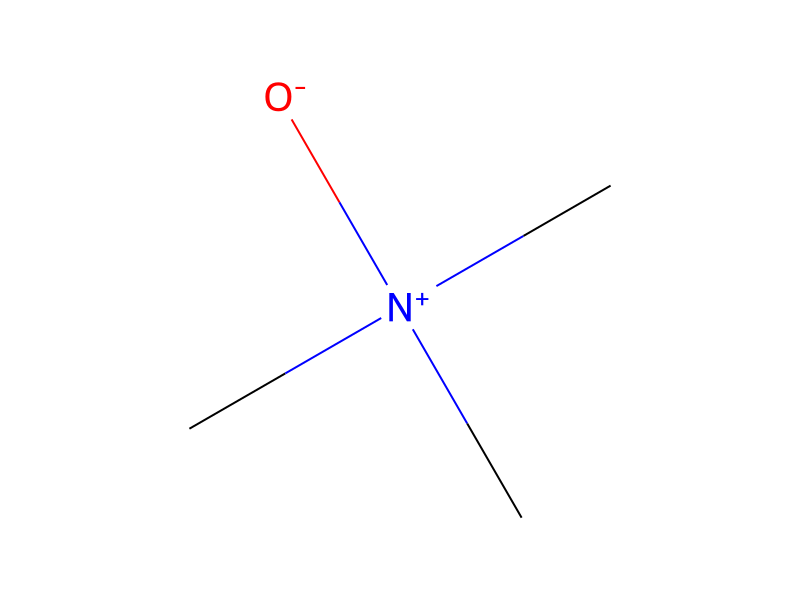
Trimethylamine oxide → Isobutylene
Reaction equation

[CH3:1][C:2]1[C@@H:7]2C(C)(C)[C@@H](C2)C[CH:3]=1.[B:11]([CH:22]1[CH:27]([CH3:28])[CH:26]2[C:29]([CH3:31])([CH3:30])[CH:24]([CH2:25]2)[CH2:23]1)[CH:12]1[CH:17]([CH3:18])[CH:16]2[C:19]([CH3:21])([CH3:20])[CH:14]([CH2:15]2)[CH2:13]1.C1CCC=CC=1.C[N+]([O-])(C)C.C1(O)CCCC=C1.C1(O)CCC=CC1>O1CCCC1>[B:11]([CH:12]1[CH:17]([CH3:18])[CH:16]2[C:19]([CH3:20])([CH3:21])[CH:14]([CH2:15]2)[CH2:13]1)[CH:22]1[CH:27]([CH3:28])[CH:26]2[C:29]([CH3:31])([CH3:30])[CH:24]([CH2:25]2)[CH2:23]1.[CH3:3][C:2](=[CH2:1])[CH3:7]Participants
Reactant 6


Product 2

Reagents, catalysts & solvents 1

Conditions
- Temperature
- -25 °C
Procedure
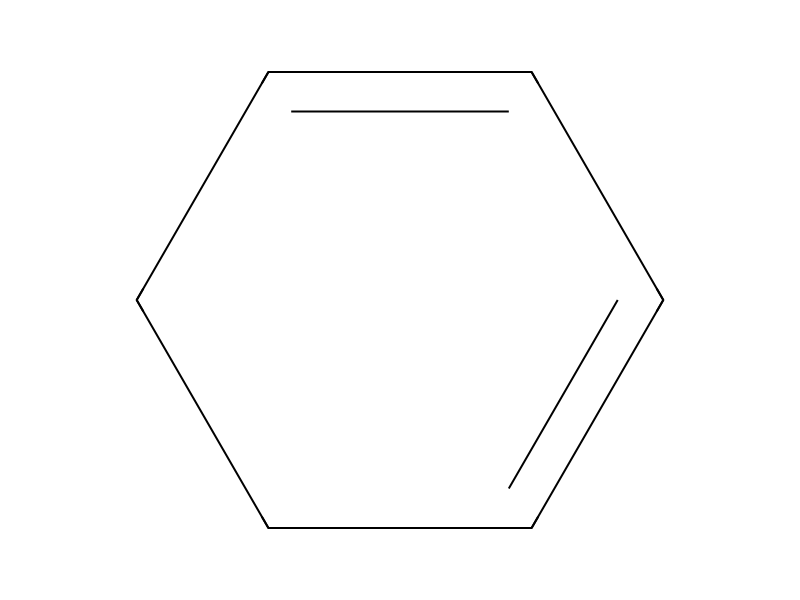
Diisopinocampheylborane was prepared by the method of H. C. Brown et al., Israel J. Chem. 15, 12 (1977) from (+)-α-pinene. To the stirred suspension of diisopinocampheylborane (25 mmol) in tetrahydrofuran at -25° C. was added dropwise 2.4 mL (25 mmol) of 1,3-cyclohexadiene. Monohydroboration of the diene was complete after stirring the reaction mixture at -25° C. for 12 hours, as indicated by the disappearance of the solid diisopinocampheylborane and 11B NMR (δ+80) examination of the solution. The reaction mixture was oxidized with trimethylamine-N-oxide, giving a 92:8 mixture of (-)-2-cyclohexen-1-ol (94% ee) and 3-cyclohexen-1-ol. A second reaction mixture at -78° C. was treated with 25 mm of lithium tert-butyl. Isobutylene was formed and the organoborane was converted into the corresponding borohydride as represented by the following reaction scheme.
Workup
- customgiving
- customA second reaction mixture at -78° C.
Sources & evidence
- ORD record
- ord-127905788d7f470c97f1d103bf4520dd
- Source dataset
- uspto-grants-1987_12
- Patent number
- US04713380
Reaction notes
Loading…