Cesium carbonate → 1,1-dimethylethyl (1S)-2-(6-chloro-3-pyridazinyl)-2,5-diazabicyclo[2.2.1]heptane-5-carboxylate
Reaction equation

[C@H:1]12[CH2:14][CH:4]([N:5]([C:7]([O:9][C:10]([CH3:13])([CH3:12])[CH3:11])=[O:8])[CH2:6]1)[CH2:3][NH:2]2.[Cl:15][C:16]1[N:17]=[N:18][C:19](Cl)=[CH:20][CH:21]=1.C(=O)([O-])[O-].[Cs+].[Cs+]>C1(C)C=CC=CC=1>[Cl:15][C:16]1[N:17]=[N:18][C:19]([N:2]2[CH2:3][CH:4]3[CH2:14][C@H:1]2[CH2:6][N:5]3[C:7]([O:9][C:10]([CH3:11])([CH3:13])[CH3:12])=[O:8])=[CH:20][CH:21]=1Participants
5

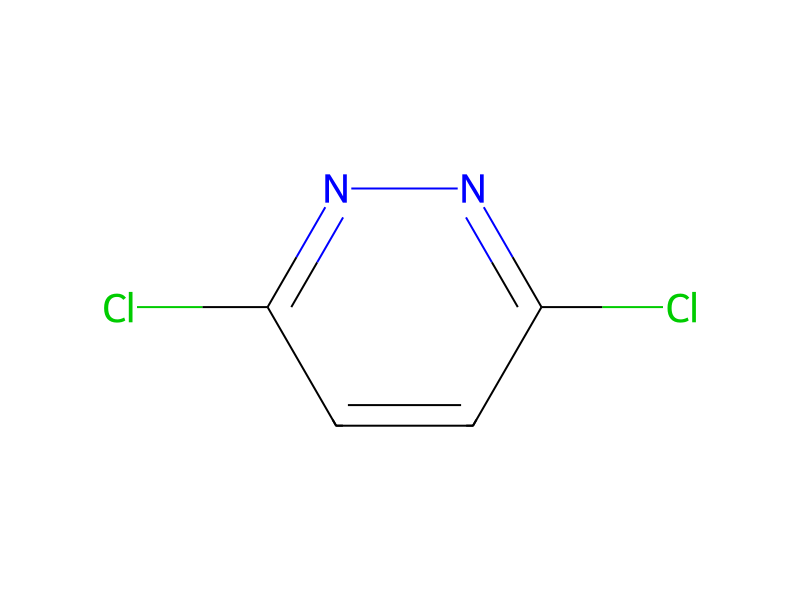



Procedure
0.397 g (2.0 mmol) of 1,1-dimethylethyl (1S)-2,5-diazabicyclo[2.2.1]heptane-5-carboxylate, 0.328 g (2.2 mmol) of 3,6-dichloropyridazine and 1.3 g (4 mmol) of caesium carbonate in 30 ml of toluene are placed into a 100 ml three-necked round-bottomed flask and the mixture is refluxed for 48 h.
Workup
- temperaturethe mixture is refluxed for 48 h.
Sources & evidence
- ORD record
- ord-240ea1b97aa14c31af460c5423cbe0ae
- Source dataset
- uspto-grants-2003_10
- Patent number
- US06635645B1
Reaction notes
Loading…