Sodium Hydroxide → HCID 86759228, compound
Reaction equation

[P:1]([OH:4])([OH:3])[OH:2].[OH-].[Na+].Cl.[CH3:8][N:9]([CH3:20])[CH2:10][CH2:11][CH2:12][NH:13][C:14](=[O:19])[O:15][CH2:16][CH2:17][CH3:18]>O>[P:1]([O-:4])([O-:3])[O-:2].[CH3:20][NH+:9]([CH3:8])[CH2:10][CH2:11][CH2:12][NH:13][C:14]([O:15][CH2:16][CH2:17][CH3:18])=[O:19].[CH3:8][NH+:9]([CH2:10][CH2:11][CH2:12][NH:13][C:14]([O:15][CH2:16][CH2:17][CH3:18])=[O:19])[CH3:20].[CH3:8][NH+:9]([CH2:10][CH2:11][CH2:12][NH:13][C:14]([O:15][CH2:16][CH2:17][CH3:18])=[O:19])[CH3:20]Participants
5
Reactant 3

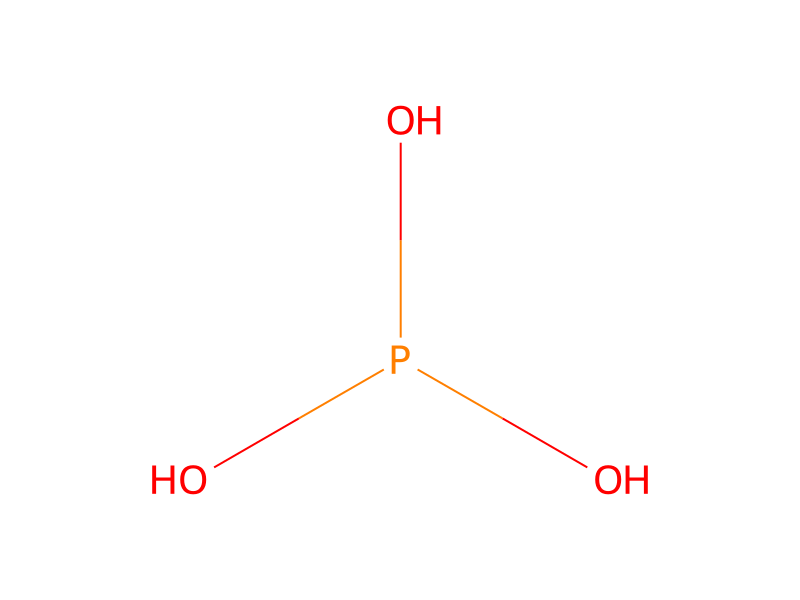

Product 1

Reagents, catalysts & solvents 1

Procedure
A solution of phosphorous acid (2.87 g in water (50 ml)) was stirred for 1 hour with a solution of sodium hydroxide (2.8 g in water (50 ml)). Propyl 3-(dimethyiamino)propylcarbamate hydrochloride (15.7 g) in water (50 ml) was added and the mixture stirred for 30 min, evaporated to dryness, dichloromethane (450 ml) added and re-evaporated. The residue was dissolved in dichloromethane (150 ml) allowed to stand for 1 hour and the insoluble white solid (sodium chloride) filtered off. The filtrate was evaporated to leave dimethyl-[3-(propoxycarbonylamino)propyl]ammonium phosphite, as a viscous colorless oil.
Workup
- customevaporated to dryness, dichloromethane (450 ml)
- additionadded
- customre-evaporated
- dissolutionThe residue was dissolved in dichloromethane (150 ml)
- waitto stand for 1 hour
- filtrationthe insoluble white solid (sodium chloride) filtered off
- customThe filtrate was evaporated
Sources & evidence
- ORD record
- ord-b37b229d266649fdb3761580ceed44ab
- Source dataset
- uspto-grants-2003_10
- Patent number
- US06639097B1
Reaction notes
Loading…