
基本信息
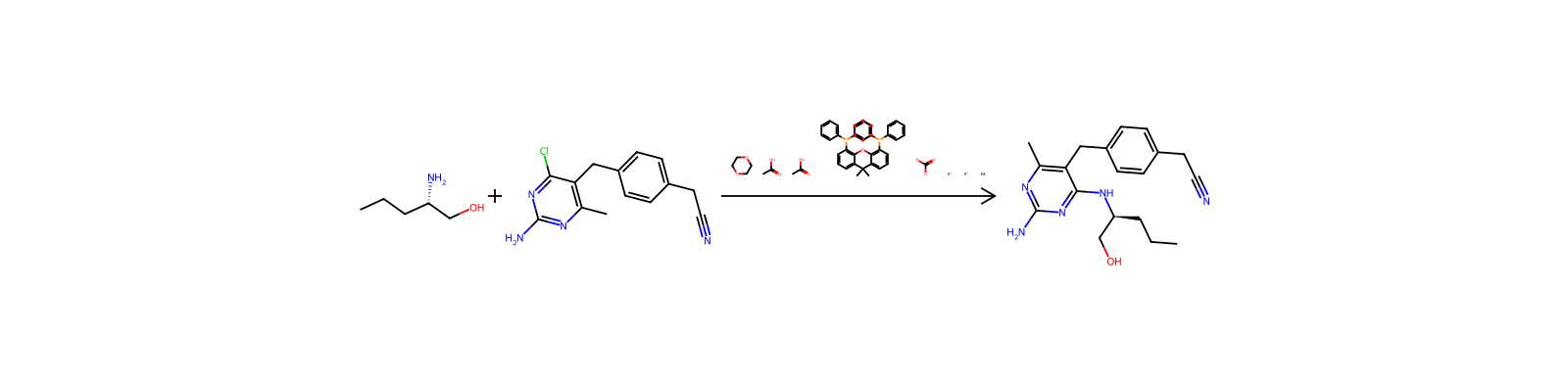
- 标准SMILES
O=C([O-])[O-].[K+].[K+]- InChIKey
BWHMMNNQKKPAPP-UHFFFAOYSA-L- 分子式
- CK2O3
- 平均分子量
- 138.205 g/mol
- 单同位素质量
- 137.91215683
名称与标识
- 首选名称
- Potassium Carbonate
- IUPAC
- dipotassium;carbonate
- 中文名
- 碳酸钾
- 英文名
- Potassium carbonate
- 分子式
- K2CO3
- 分子量
- 138.21
名称与别名
POTASSIUM CARBONATE584-08-7Dipotassium carbonateCarbonate of potashPotassium carbonate, anhydrousCarbonic acid, dipotassium saltPearl ashSalt of tartarKaliumcarbonatKalium carbonicumK-GranPotassium carbonate (K2CO3)
展开更多名称
草碱桐碱珠灰钾碱碳酸钾珍珠灰碳酸鉀食用枧水粗碳酸钾无水碳酸Anhydrous potassium carbonatePOTASHpotassium carbonate anhydrousPOTASSIUM CARBONATE USPPotassiumCarbonateFccPotassiumCarbonateAnhydrousK2CO3Pearl dustBUFFERED PEPTONE
K2CO3Potassium carbonate (2:1)BQN1B9B9HAPotassium carbonate (K2(CO3))Kali carbonicumDcad plusDTXSID2036245INS NO.501(I)
数据库标识
- CAS
584-08-7- PubChem CID
- 11430
- DTXSID
DTXSID2036245- ChEMBL
CHEMBL2105894- ChEBI
CHEBI:131526- UNII
- BQN1B9B9HA
- EC Number
- 209-529-3、692-537-8
- Nikkaji
- J442A
性质
结构计算性质
- 极性表面积
- 63.2 Ų
- 氢键供体
- 0
- 氢键受体
- 3
- 可旋转键
- 0
- 重原子
- 6
- 形式电荷
- 0
- 复杂度
- 18
实验与物化性质
pHpH = 11.6 (aqueous solution)
OdorOdorless
TasteAlkaline taste
Density
2.29 g/cu cm
2.29 g/cm³
2.29 @25 °C
Color/Form
Colorless cubic crystals; hygroscopic
Granules or granular powder
White, deliquescent, granular, translucent powder
Solubility
Very soluble in water. Insoluble in ethanol
For more Solubility (Complete) data for POTASSIUM CARBONATE (6 total), please visit the HSDB record page.
Insoluble in alcohol and acetone
111 g/100 g water at 25 °C
Soluble in 1 part cold, 0.7 part boiling water.
Solubility in water (g K2CO3/100 g H2O): 105.5 at 0 °C; 108.0 at 10 °C; 110.5 at 20 °C; 113.7 at 30 °C; 155.7 at 100 °C
Boiling PointDecomposes
DecompositionWhen heated to decomposition it emits toxic fumes of K2O.
Melting Point
899 °C
891 °C
899 °C
Physical Description
Dry Powder; Other Solid; Large Crystals; CBI; Dry Powder; Liquid; Liquid; Liquid; Other Solid
White, very deliquescent powder.; The hydrate occurs as small, white, translucent crystals or granules
White deliquescent powder; [Hawley] Available as a solid (anhydrous or sesquihydrate) and concentrated solution (47% potassium carbonate); [CHEMINFO]
COLOURLESS HYGROSCOPIC CRYSTALS OR HYGROSCOPIC WHITE POWDER.
Other Experimental Properties
Hygroscopic
Enthalpy of fusion: 27.60 kJ/mol at 899 °C
Decomposes on heating with CO2 loss.
Deliquesces in moist air
For more Other Experimental Properties (Complete) data for POTASSIUM CARBONATE (6 total), please visit the HSDB record page.
物理化学性质
- 熔点
- 891 °C · 891 °C (lit.)
- 沸点
- 93 · decomposes [STR93]
- 密度
- 2.43 g/mL · 2.43 g/mL at 25 °C
- 堆积密度
- 750 kg/m3 · 750kg/m3
- 储存条件
- 5 °C · Store at +5°C to +30°C.
- 溶解度
- 2 O: · H2O: 1 M at 20 °C, clear, colorless
- 形态
- powder
- 酸度系数(pKa)
- 10.33 · 10.33[at 20 ℃]
- 颜色
- Yellow
- 比重
- 2.29 · 2.29
- PH值
- 10.52 · 10.52(1 mM solution);11(10 mM solution);11.36(100 mM solution);
- 气味 (Odor)
- 100 % · at 100.00%. odorless
- 水溶解性
- 1120 g/L · 1120 g/L (20 ºC)
- 比热容
- 0.83 J/ · Cp(crystal): 0.83 J/(g·K), at 25℃
- 敏感性
- Hygroscopic
- 最大波长(λmax)
- 260 nm · λ: 260 nm Amax: 0.03λ: 280 nm Amax: 0.02
- Merck
- 14 · 14,7619
- BRN
- 4267587 · 4267587
- 介电常数
- 5.6 · 5.6(16.0℃)
- 稳定性
- Stable. Incompatible with moisture, acids, magnesium bromine trifluoride and magnesium bromine trichloride.
- 化妆品成分功效
- BUFFERING
- InChI
- 1S/CH2O3.2K/c2-1(3)4;;/h(H2,2,3,4);;/q;2*+1/p-2
- InChIKey
- BWHMMNNQKKPAPP-UHFFFAOYSA-L
- SMILES
- [K+].[K+].[O-]C([O-])=O
- CAS 数据库
- 584 · 584-08-7(CAS DataBase Reference)
- NIST化学物质信息
- Dipotassium carbonate(584-08-7)
- EPA化学物质信息
- Potassium carbonate (584-08-7)
化学性质
单斜晶系,白色粉末状或细颗粒状结晶。 易溶于水,不溶于乙醇和醚。
安全与法规
GHS分类
GHS Classification
This chemical does not meet GHS hazard criteria for 0.9% (25 of 2657) of reports.
Warning
H302 (15.4%): Harmful if swallowed [Warning Acute toxicity, oral];H315 (45%): Causes skin irritation [Warning Skin corrosion/irritation];H319 (97.7%): Causes serious eye irritation [Warning Serious eye damage/eye irritation];H335 (42.3%): May cause respiratory irritation [Warning Specific target organ toxicity, single exposure; Respiratory tract irritation]
P261, P264, P264+P265, P270, P271, P280, P301+P317, P302+P352, P304+P340, P305+P351+P338, P319, P321, P330, P332+P317, P337+P317, P362+P364, P403+P233, P405, and P501 (click each P-code to see the statement)
Aggregated GHS information provided per 2657 reports by companies from 73 notifications to the ECHA C&L Inventory. Each notification may be associated with multiple companies.;Reported as not meeting GHS hazard criteria per 25 of 2657 reports by companies.;There are 72 notifications provided by 2632 of 2657 reports by companies with hazard statement code(s).;Information may vary between notifications depending on impurities, additives, and other factors. The percentage value in parenthesis indicates the notified classification ratio from companies that provide hazard codes. Only hazard codes with percentage values above 10% are shown. For more detailed information, please visit ECHA C&L website.
危害信息
Regulatory Information
Chemical: Carbonic acid, dipotassium salt
Carbonic acid, potassium salt (1:2) is listed on the EPA's Chemical Data Reporting (CDR) system. Manufacturers and importers of Carbonic acid, potassium salt (1:2) are required to report information about their production and use of this chemical to the EPA under the Toxic Substances Control Act (TSCA). (40 eCFR Part 711)
Status: Active Update: 17-04-2023 https://echa.europa.eu/registration-dossier/-/registered-dossier/15221
Potassium carbonate: Does not have an individual approval but may be used under an appropriate group standard
Other Safety InformationIMAP assessments - Alkaline salts-carbonates: Human health tier II assessment;IMAP assessments - Carbonic acid, dipotassium salt: Environment tier I assessment
Fire HazardsNot combustible.
Hazards SummaryAn irritant to tissues; [Hawley] Probably a severe eye irritant; [CHEMINFO] May be caustic; [HSDB]
FDA Requirements
Substance added directly to human food affirmed as generally recognized as safe (GRAS).
Potassium carbonate used as a general purpose food additive in animal drugs, feeds, and related products is generally recognized as safe when used in accordance with good manufacturing or feeding practice.
Drug products containing certain active ingredients offered over-the-counter (OTC) for certain uses. A number of active ingredients have been present in OTC drug products for various uses, as described below. However, based on evidence currently available, there are inadequate data to establish general recognition of the safety and effectiveness of these ingredients for the specified uses: potassium carbonate is included in antidiarrheal drug products.
Drug products containing certain active ingredients offered over-the-counter (OTC) for certain uses. A number of active ingredients have been present in OTC drug products for various uses, as described below. However, based on evidence currently available, there are inadequate data to establish general recognition of the safety and effectiveness of these ingredients for the specified uses: potassium carbonate is included in digstive aid drug products.
Special Reports
European Chemicals Bureau; ESIS Database/IUCLID Dataset for Potassium Carbonate (584-08-7) (2000 CD-ROM edition) contains information on use, toxicology, and environmental effects of this chemical as supplied to the European Union by industry.[Available from, as of February 23, 2011: http://esis.jrc.ec.europa.eu/]
EPA Safer ChemicalChemical: Potassium carbonate, anhydrous; Green circle - The chemical has been verified to be of low concern based on experimental and modeled data.
FIFRA Requirements
Residues of carbonic acid, dipotassium salt are exempted from the requirement of a tolerance when used in accordance with good agricultural practice as inert (or occasionally active) ingredients in pesticide formulations applied to growing crops only. Use: buffering agent.
As the federal pesticide law FIFRA directs, EPA is conducting a comprehensive review of older pesticides to consider their health and environmental effects and make decisions about their continued use. Under this pesticide reregistration program, EPA examines newer health and safety data for pesticide active ingredients initially registered before November 1, 1984, and determines whether the use of the pesticide does not pose unreasonable risk in accordance to newer saftey standards, such as those described in the Food Quality Protection Act of 1996. Pesticides for which EPA had not issued Registration Standards prior to the effective date of FIFRA '88 were divided into three lists based upon their potential for human exposure and other factors, with List B containing pesticides of greater concern than those on List C, and with List C containing pesticides of greater concern than those on List D. Potassium carbonate is found on List D. Case No: 4066; Pesticide type: fungicide, herbicide, antimicrobial; Case Status: None of the active ingredients in the case are being supported for reregistration by their registrants. All are unsupported, or some are unsupported and some are cancelled. Cases described as "unsupported" generally are being processed for cancellation.; AI Status: The active ingredient is no longer contained in any registered pesticide products ... "cancelled."
Chemical DangersThe solution in water is a medium strong base. Reacts violently with acids and chlorine trifluoride. Reacts with powdered metals.
Hazard Classes and Categories
Acute Tox. 4 (15.4%);Skin Irrit. 2 (45%);Eye Irrit. 2A (97.7%);STOT SE 3 (42.3%)
Not Classified
Eye damage - category 1;Specific target organ toxicity (single exposure) - category 3
Acute toxicity (Oral) - Category 4;Skin corrosion/irritation - Category 2;Serious eye damage/eye irritation - Category 2A
Serious eye damage/eye irritation - Category 1;Hazardous to the aquatic environment (Acute) - Category 3;Hazardous to the aquatic environment (Long-term) - Category 3
Skin, Eye, and Respiratory Irritations
May cause respiratory tract irritation...May cause skin irritation... May cause eye irritation.
...Irritating to skin, mucous membrane of eyes and upper respiratory tract.
Hazardous Reactivities and Incompatibilities
Incompatible with KCO; chlorine trifluoride; magnesium.
The mixture of magnesium and potassium carbonate recommended by Castellana as a safe substitute for molten sodium in the Lassaigne test can itself be hazardous, as an equimolar mixture gives an explosive substance (possibly 'carbonylpotassium', potassium benzenehexoxide) on heating.
Combination of chlorine trifluoride and ... potassium carbonate ... results in a violent reaction.
安全与防护
Fire FightingIn case of fire in the surroundings, use appropriate extinguishing media.
First Aid Measures
Fresh air, rest.
Remove contaminated clothes. Rinse skin with plenty of water or shower.
First rinse with plenty of water for several minutes (remove contact lenses if easily possible), then refer for medical attention.
Rinse mouth. Do NOT induce vomiting. Give one or two glasses of water to drink. Refer for medical attention .
Safe StorageDry. Separated from strong acids.
Fire Fighting Procedures
Use extinguishing measures that are appropriate to local circumstances and the surrounding environment. The product itself does not burn.
Wear self contained breathing apparatus for fire fighting if necessary.
Storage Conditions
Keep tightly closed.
Potassium carbonate is stored in bunkers; the ventilation air must be dry because of the hydroscopicity of the product.
Keep container tightly closed in a dry and well-ventilated place.
Cleanup MethodsAccidental release measures. Do not let product enter drains.
Disposal Methods
SRP: The most favorable course of action is to use an alternative chemical product with less inherent propensity for occupational harm/injury/toxicity or environmental contamination. Recycle any unused portion of the material for its approved use or return it to the manufacturer or supplier. Ultimate disposal of the chemical must consider: the material's impact on air quality; potential migration in soil or water; effects on animal and plant life; and conformance with environmental and public health regulations.
Pick up and arrange disposal without creating dust. Keep in suitable, closed containers for disposal.
Spillage DisposalPersonal protection: particulate filter respirator adapted to the airborne concentration of the substance. Sweep spilled substance into covered containers. Wash away remainder with plenty of water.
Preventive Measures
Hand protection: handle with gloves. Eye protection: safety glasses. Skin and body protection: choose body protection according to the amount and concentration of the dangerous substance at the work place.
Handle in accordance with good industrial hygiene and safety practice. Wash hands before breaks and at the end of workday.
Accidental release measures. Use personal protective equipment. Avoid dust formation. Avoid breathing dust.
If breathed in, move person into fresh air. If not breathing give artificial respiration Consult a physician. In case of skin contact, wash off with soap and plenty of water. Consult a physician. In case of eye contact, rinse thoroughly with plenty of water for at least 15 minutes and consult a physician. If swallowed, never give anything by mouth to an unconscious person. Rinse mouth with water. Consult a physician.
SRP: The scientific literature for the use of contact lenses by industrial workers is inconsistent. The benefits or detrimental effects of wearing contact lenses depend not only upon the substance, but also on factors including the form of the substance, characteristics and duration of the exposure, the uses of other eye protection equipment, and the hygiene of the lenses. However, there may be individual substances whose irritating or corrosive properties are such that the wearing of contact lenses would be harmful to the eye. In those specific cases, contact lenses should not be worn. In any event, the usual eye protection equipment should be worn even when contact lenses are in place.
Eye PreventionWear safety goggles.
Inhalation RiskA harmful concentration of airborne particles can be reached quickly when dispersed.
Skin PreventionProtective gloves.
毒理信息
Interactions
Changes in urinary parameters (electrolyte levels and pH) and DNA synthesis and the morphology of the bladder epithelium were investigated in rats that were fed for 4 to 6 weeks on diets containing various Na, K, Mg, or Ca carbonate salts (3%) with or without L-ascorbic acid (5%). Beside increases in urinary pH and electrolyte levels, DNA synthesis in the bladder epithelium was increased in groups given sodium bicarbonate /and/ potassium carbonate with or without L-ascorbic acid. Furthermore some morphological alterations in the bladder epithelium were induced. Administration of ascorbic acid in combination with the salts induced levels of change greater than those with the salts alone. After administration of ascorbic acid with NH4Cl alone ... those effects on the bladder epithelium were not observed. Therefore, the authors suggest that the degree of DNA synthesis and/or morphological alteration in the rat bladder epithelium after treatment with various bases may depend on changes in urinary concentrations of sodium or potassium ions and/or pH and the presence of ascorbic acid in the urine.
Ecotoxicity Values
LC50; Species: Ceriodaphnia dubia (Water Flea) age <24 hr; Conditions: freshwater, static, 25 °C, pH 7.5-9.0, dissolved oxygen >40%; Concentration: 630000 ug/L for 24 hr (95% confidence interval: 580000-670000 ug/L) /technical/
LC50; Species: Ceriodaphnia dubia (Water Flea) age <24 hr; Conditions: freshwater, static, 25 °C, pH 7.5-9.0, dissolved oxygen >40%; Concentration: 630000 ug/L for 48 hr (95% confidence interval: 580000-670000 ug/L) /technical/
LC50; Species: Daphnia magna (Water Flea) age <24 hr; Conditions: freshwater, static, 20 °C, pH 7.5-9.0, dissolved oxygen >40%; Concentration: 670000 ug/L for 24 hr (95% confidence interval: 440000-880000 ug/L) /technical/
LC50; Species: Daphnia magna (Water Flea) age <24 hr; Conditions: freshwater, static, 20 °C, pH 7.5-9.0, dissolved oxygen >40%; Concentration: 650000 ug/L for 48 hr (95% confidence interval: 380000-820000 ug/L) /technical/
For more Ecotoxicity Values (Complete) data for POTASSIUM CARBONATE (7 total), please visit the HSDB record page.
Adverse EffectsDermatotoxin - Skin burns.
Exposure RoutesThe substance can be absorbed into the body by ingestion.
Toxicity Summary
The CIR Expert Panel concluded that the following 6 carbonate salts are safe in the present practices of use and concentration, as described in this safety assessment, when formulated to be non-irritating...Potassium Carbonate...
Safe for use in cosmetics, with qualifications
Ecotoxicity Excerpts
/AQUATIC SPECIES/ Interaction of potash and Decis /Deltametarim/ in the ecophysiology of a freshwater fish, Oreochromis mossambicus, was studied. It was found that 300, 550 and 700 mg/L of potash were sublethal (LC0), median lethal (LC50), and toxic (LC100) to O. mossambicus for 96 hr exposure, respectively. Sublethal concentrations of potash and decis were exposed to fishes individually and in combination for 28 days. The results revealed that the combined effect of these chemicals was more highly toxic to food intake, growth, and conversion efficiencies than the individual chemicals.
Signs and Symptoms
Sore throat. Cough.
Redness. Pain.
Redness. Pain.
Burning sensation in the throat and chest.
Human Toxicity Excerpts/OTHER TOXICITY INFORMATION/ Too strong alkali to be used internally. In large doses it is caustic irritant.
Non-Human Toxicity Excerpts
/LABORATORY ANIMALS: Acute Exposure/ Rabbit skin. Irritating (Draize test) /Potassium carbonate hydrate/
/LABORATORY ANIMALS: Acute Exposure/ LD50 Oral (gavage) rat >2000 mg/kg (no mortalities in 15 day observation period)
/LABORATORY ANIMALS: Acute Exposure/ Exptl irrigation of surface of the eyes of rabbits with 10% soln...at pH 11.6 for 30 seconds caused pain and very slight transient optical irregularity of epithelium.
/LABORATORY ANIMALS: Subchronic or Prechronic Exposure/ Dietary administration of 5% L-ascorbic acid plus 3% potassium carbonate to male Fischer-344 rats enhanced the development of preneoplastic and neoplastic lesions of the urinary bladder initiated with N-butyl-N-(4-hydroxybutyl)-nitrosamine. This was associated with changes in urinary parameters (elevation of pH increased potassium content, increased total ascorbic acid content). Administration of potassium carbonate without ascorbic acid increased the induction of the preneoplastic lesion, but not neoplastic lesions.
For more Non-Human Toxicity Excerpts (Complete) data for POTASSIUM CARBONATE (10 total), please visit the HSDB record page.
Probable Routes of Human Exposure
According to the 2006 TSCA Inventory Update Reporting data, the number of persons reasonably likely to be exposed in the industrial manufacturing, processing, and use of potassium carbonate is 1000 or greater; the data may be greatly underestimated(1).
NIOSH (NOES Survey 1981-1983) has statistically estimated that 478,866 workers (139,011 of these were female) were potentially exposed to potassium carbonate in the US(1).
Antidote and Emergency Treatment
/SRP:/ Immediate first aid: Remove patient from contact with the material. Ensure that adequate decontamination has been carried out. If patient is not breathing, start artificial respiration, preferably with a demand valve resuscitator, bag-valve-mask device, or pocket mask, as trained. Perform CPR if necessary. Immediately flush contaminated eyes with gently flowing water. Do not induce vomiting. If vomiting occurs, lean patient forward or place on the left side (head-down position, if possible) to maintain an open airway and prevent aspiration. Keep patient quiet and maintain normal body temperature. Obtain medical attention. /Inorganic Bases/Alkaline Corrosives and Related Compounds/
/SRP:/ Basic treatment: Establish a patent airway (oropharyngeal or nasopharyngeal airway, if needed). Suction if necessary. Watch for signs of respiratory insufficiency and assist ventilations if necessary. Administer oxygen by nonrebreather mask at 6 to 12 L/min. Monitor for pulmonary edema and treat if necessary ... . Monitor for shock and treat if necessary ... . For eye contamination, flush eyes immediately with water. Irrigate each eye continuously with 0.9% saline (NS) during transport ... . Do not use emetics. For ingestion, rinse mouth and administer 5 ml/kg up to 200 ml of water for dilution if the patent can swallow, has a strong gag reflex, and does not drool ... . Do not attempt to neutralize. Cover skin burns with dry sterile dressings after decontamination ... . /Inorganic Bases/Alkaline Corrosives and Related Compounds/
/SRP:/ Advanced treatment: Consider orotracheal or nasotracheal intubation for airway control in the patient who is unconscious, has severe pulmonary edema, or is in severe respiratory distress. Early intubation, at the first signs of upper airway obstruction, may be necessary. Positive-pressure ventilation techniques with a bag valve mask device may be beneficial. Consider drug therapy for pulmonary edema ... . Monitor cardiac rhythm and treat arrhythmias as necessary ... . Start IV administration of D5W /SRP: "To keep open", minimal flow rate/. Use 0.9% saline (NS) or lactated Ringer's (LR) if signs of hypovolemia are present. For hypotension with signs of hypovolemia, administer fluid cautiously. Consider vasopressors if patient is hypotensive with a normal fluid volume. Watch for signs of fluid overload ... . Use proparacaine hydrochloride to assist eye irrigation ... . /Inorganic Bases/Alkaline Corrosives and Related Compounds/
Toxicity DataLC (rat) = > 500 mg/m3
法规信息
Regulatory Information
Chemical: Carbonic acid, dipotassium salt
Carbonic acid, potassium salt (1:2) is listed on the EPA's Chemical Data Reporting (CDR) system. Manufacturers and importers of Carbonic acid, potassium salt (1:2) are required to report information about their production and use of this chemical to the EPA under the Toxic Substances Control Act (TSCA). (40 eCFR Part 711)
Status: Active Update: 17-04-2023 https://echa.europa.eu/registration-dossier/-/registered-dossier/15221
Potassium carbonate: Does not have an individual approval but may be used under an appropriate group standard
FDA Requirements
Substance added directly to human food affirmed as generally recognized as safe (GRAS).
Potassium carbonate used as a general purpose food additive in animal drugs, feeds, and related products is generally recognized as safe when used in accordance with good manufacturing or feeding practice.
Drug products containing certain active ingredients offered over-the-counter (OTC) for certain uses. A number of active ingredients have been present in OTC drug products for various uses, as described below. However, based on evidence currently available, there are inadequate data to establish general recognition of the safety and effectiveness of these ingredients for the specified uses: potassium carbonate is included in antidiarrheal drug products.
Drug products containing certain active ingredients offered over-the-counter (OTC) for certain uses. A number of active ingredients have been present in OTC drug products for various uses, as described below. However, based on evidence currently available, there are inadequate data to establish general recognition of the safety and effectiveness of these ingredients for the specified uses: potassium carbonate is included in digstive aid drug products.
FIFRA Requirements
Residues of carbonic acid, dipotassium salt are exempted from the requirement of a tolerance when used in accordance with good agricultural practice as inert (or occasionally active) ingredients in pesticide formulations applied to growing crops only. Use: buffering agent.
As the federal pesticide law FIFRA directs, EPA is conducting a comprehensive review of older pesticides to consider their health and environmental effects and make decisions about their continued use. Under this pesticide reregistration program, EPA examines newer health and safety data for pesticide active ingredients initially registered before November 1, 1984, and determines whether the use of the pesticide does not pose unreasonable risk in accordance to newer saftey standards, such as those described in the Food Quality Protection Act of 1996. Pesticides for which EPA had not issued Registration Standards prior to the effective date of FIFRA '88 were divided into three lists based upon their potential for human exposure and other factors, with List B containing pesticides of greater concern than those on List C, and with List C containing pesticides of greater concern than those on List D. Potassium carbonate is found on List D. Case No: 4066; Pesticide type: fungicide, herbicide, antimicrobial; Case Status: None of the active ingredients in the case are being supported for reregistration by their registrants. All are unsupported, or some are unsupported and some are cancelled. Cases described as "unsupported" generally are being processed for cancellation.; AI Status: The active ingredient is no longer contained in any registered pesticide products ... "cancelled."
安全数据
- F
- 3
- wgk
- 1
- tsca
- TSCA listed
- 毒性
- LD50 orally in rats: 1.87 g/kg, H. F. Smyth et al., Am. Ind. Hyg. Assoc. J. 30, 470 (1969)
- RTECS号
- TS7750000
- 包装类别
- III
- 危险等级
- 8
- 存储类别
- 13 - Non Combustible Solids
- 安全说明
- 26-36-37/39
- 海关编码
- 28364000
- 危险品标志
- Xn
- 危险性类别
- Eye Irrit. 2Skin Irrit. 2STOT SE 3
- 危险类别码
- 22-36/37/38-20/21/22
- 毒害物质数据
- 584-08-7(Hazardous Substances Data)
- 危险品运输编号
- 3262
毒性防护
毒性ADI不作特殊规定(FAO/WHO,2001)。LD50 18.70mg/kg(大鼠,经口)。GRAS(FDA,§184.1619,2000)。
化学与工业
用途与制造
Uses
CIR ingredient: Potassium Carbonate
Used to make glass with special optical properties; Also used in desiccants, dyes, pigments, inks, soaps, fertilizers, ceramics, leather tanning and finishing, fire extinguishers, and food additives; Used in the following industries: engraving & lithography, gas purification, electrical, textile, pharmaceutical, and food; [CHEMINFO]
Leather Tanning and Processing [Category: Industry];Textiles (Printing, Dyeing, or Finishing) [Category: Industry];Glass Manufacturing [Category: Industry]
For potassium carbonate (USEPA/OPP Pesticide Code: 073504) there are 0 labels match. /SRP: Not registered for current use in the U.S., but approved pesticide uses may change periodically and so federal, state and local authorities must be consulted for currently approved uses./
The active ingredient is no longer contained in any registered pesticide products ... "cancelled."
Manufacture soap, glass, pottery, smalts and many potassium salts; process engraving and lithography; liquid shampoos; for removal of water from org liquids; tanning and finishing leather; in analytical chemistry. Pharmaceutical aid (alkalizer)
ImpuritiesSmall amounts of sodium and chloride plus trace amounts (< 2ppm) of heavy metals such as lead.
U.S. Production
2023: 100,000,000 - <250,000,000 lb;2022: 100,000,000 - <500,000,000 lb;2021: 100,000,000 - <250,000,000 lb;2020: 100,000,000 - <250,000,000 lb
Production volumes for non-confidential chemicals reported under the Inventory Update Rule. [Table#3079]
Production volume for non-confidential chemicals reported under the 2006 Inventory Update Rule. Chemical: Carbonic acid, potassium salt. Aggregated National Production Volume: 100 to < 500 million lbs.
Consumer UsesOther;pH regulating agent;Processing aids not otherwise specified;Not Known or Reasonably Ascertainable;Soil amendments (fertilizers);Cleaning agent;Flame retardant;Adsorbent;Etching agent
Industry Uses
Not Known or Reasonably Ascertainable;Catalyst;Ion exchange agent;Soil amendments (fertilizers);Stabilizing agent;Dehydrating agent (desiccant);Cleaning agent;Flame retardant;Flux agent;Adsorbent;Surface modifier;Processing aids, specific to petroleum production;Intermediate;Chelating agent;Adhesion/cohesion promoter;Etching agent;Other;Flavoring and nutrient;Solvent;pH regulating agent
Methods of Manufacturing
Engel-Precht process uses magnesium oxide, potassium chloride, and carbon dioxide, separating the Engels salt (MgCO3.KHCO3.4H2O). Decomposition leaves potassium bicarbonate in solution which can be processed to potassium carbonate.
Alkyl amines or ion-exchange resins can be used with potassium chloride and carbon dioxide to yield potassium bicarbonate which is calcined to the carbonate.
Except for small amounts produced by obsolete processes, e.g. the leaching of wood ashes and the Engel-Precht process, potassium carbonate is produced by the carbonation, i.e., via reaction with carbon dioxide, of potassium hydroxide.
Potassium carbonate... is produced by the following methods of manufacture: (1) By electrolysis of potassium chloride followed by exposing the resultant potassium to carbon dioxide; (2) By treating a solution of potassium hydroxide with excess carbon dioxide to produce potassium carbonate; (3) By treating a solution of potassium hydroxide with carbon dioxide to produce potassium bicarbonate, which is then heated to yield potassium carbonate.
For more Methods of Manufacturing (Complete) data for POTASSIUM CARBONATE (6 total), please visit the HSDB record page.
Formulations/Preparations
Grades: Crystals; technical; reagent; calcined 80-85%, 85-90%; 90-95%; 96-98%; hydrated 80-85%; Food Chemicals Codex (FCC) grade.
SALT OF CARBONIC ACID & POTASSIUM. COTTONSEED HULL ASHES, SUNFLOWER PLANT ASH, VEGETABLE POTASH & WOOD ASHES ARE ALL IMPURE FORMS OF POTASSIUM CARBONATE. PEARL ASH IS POTASSIUM CARBONATE MADE FROM WOOD ASHES.
Available commercially as a concentrated solution containing ca 47 wt % K2CO3 or in granular crystalline form containing 99.5 wt % K2CO3.
Household ProductsInformation on 68 consumer products that contain Potassium carbonate in the following categories is provided:;• Auto Products;• Commercial / Institutional;• Home Maintenance;• Inside the Home;• Landscaping/Yard;• Pesticides
Use Classification
EPA Safer Chemical Functional Use Classes -> Processing Aids and Additives
Safer Chemical Classes -> Green circle - The chemical has been verified to be of low concern
Food additives
Food Additives -> ACIDITY_REGULATOR -> JECFA Functional Classes
Cosmetics -> Buffering
General Manufacturing Information
All Other Basic Organic Chemical Manufacturing;Other (requires additional information);Miscellaneous Manufacturing;Food, beverage, and tobacco product manufacturing;Paper Manufacturing;Adhesive Manufacturing;Not Known or Reasonably Ascertainable;Photographic Film, Paper, Plate, and Chemical Manufacturing;All Other Chemical Product and Preparation Manufacturing;Plastics Material and Resin Manufacturing;Fabricated Metal Product Manufacturing;Non-metallic Mineral Product Manufacturing (includes clay, glass, cement, concrete, lime, gypsum, and other non-metallic mineral product manufacturing);Paint and Coating Manufacturing;Computer and Electronic Product Manufacturing;Wholesale and Retail Trade;Agriculture, Forestry, Fishing and Hunting;Primary Metal Manufacturing;Oil and Gas Drilling, Extraction, and Support activities;Transportation Equipment Manufacturing;Soap, Cleaning Compound, and Toilet Preparation Manufacturing
Carbonic acid, potassium salt (1:2): ACTIVE
It has been added to...skin ointments & lotions to aid contact with affected areas or skin penetration of active ingredients by dissolving keratin, sebaceous matter, or skin greases.
The cost of producing potassium carbonate is four to five times greater than that of producing sodium carbonate. Thus sodium carbonate is almost always used for applications in which the two carbonates are equivalent chemically.
In Anglo-American usage, the term potash today includes potassium carbonate as well as all potassium salts, such as KCl, K2SO4, K2SO4.MgSO4.xH2O that are used as fertilizers; the potassium content is given as K2O.
Potash is an impure form of potassium carbonate mixed with other potassium salts obtained by leaching wood ash. Pearl ash is a purer form of potassium carbonate.
应用领域
概述碳酸钾(化学式:K2CO3,英文Potassium carbonate)又称钾碱,外观为无色结晶或白色颗粒,极易溶于水,其溶液呈强碱性。冷却其饱和的水溶液 ,有玻璃状单斜晶体水合物2K2CO3·3H2O结晶分出,密度2.043,在100℃时即失去结晶水。不溶于乙醇、丙酮和乙醚。吸湿性强,暴露在空气 中能吸收二氧化碳和水分,转变为碳酸氢钾。可由氢氧化钾与二氧化碳反应得到。也可以用氯化钾与碳酸镁,水、二氧化碳在压力下共热,或 桐籽灰和草木灰经浸渍而得。主要用于合成气脱碳、电子管、玻璃、搪瓷、印染、电焊条、胶片显影、无机盐和显象管玻壳的原料,不纯的碳 酸钾俗名草碱、桐碱或珠灰,早期的钾肥品种之一。
用途1.碳酸钾可用于生产光学玻璃,可提高玻璃透明度、强度和折光系数。2.也用于生产电焊条,可防止焊接时的断弧现象。3.用于生产还原染料及其印染及冰染的拔白。4.用作清除硫化氢及二氧化碳的吸附剂。5.碳酸钾与纯碱相混合可作干粉灭火剂。6.也可用作丙酮、酒精生产的辅助原料和橡胶生产中的防老剂。7.碳酸钾水溶液可用于棉布的煮炼、羊毛的脱脂。8.还用于油墨、照像药品、聚酯、药、电镀、制革、陶瓷、建材、水晶、钾肥皂及医药的生产。9.重质碳酸钾主要用作显像管玻壳原料,广泛用于玻璃和特殊玻璃原料,用于大化肥脱碳。 10.可用于食品中作膨松剂。11.作碱性剂和面团改良剂,且可抑制面条发酸,可用于面制食品,按生产需要适量使用。12.用于已曝光的感光材料的冲洗加工。13.用于分析试剂、基准试剂及熔融硅酸盐和不溶性硫酸盐的助熔剂。
制备方法
生产方法重结晶法将工业级碳酸钾溶于蒸馏水中,进行溶液提纯,过滤除去杂质,把滤液经蒸发浓缩,冷却结晶,离心分离,干燥,制得无水碳酸钾成品。
生产方法1离子交换法精制氯化钾溶液(250g/L)经阳离子树脂(732)柱吸附,并用蒸馏水洗涤至无氯离子流出为止。然后用200g/L的碳酸氢铵洗脱至流出液中钾离子低于2g/L为止。加热洗脱液至150℃,再将溶液浓缩至相对密度1.593左右,然后通入CO2气体进行碳化,析出碳酸氢钾结晶,离心分离后用400℃左右热风使碳酸氢钾分解为碳酸钾。KCl+NH4HCO3→KHCO3+NH4Cl2KHCO3→K2CO3+CO2↑+H2O↑2电解法氯化钾溶于水(280g/L),然后于精制槽中加入适量的碳酸钾和氢氧化钾,以除去Ca2+、Mg2+,澄清后用盐酸调Ph值至8~10,送隔膜电解槽电解。槽电压2.8~3.5V,槽温60~70℃。电解液中KOH含量10%~15%,蒸发浓缩至50%,冷却至30~50℃析出KCL分离了氯化钾后的溶液,进行预碳化,当KOH浓度低于30g/L时,过滤除去Fe(OH)3沉淀。然后继续浓缩至50%,进行二次碳化,析出碳酸氢钾。分离后于300℃下热风干燥(分解)得碳酸钾。食品级碳酸钾还需将上述工业品溶于水,加入还原剂除去重金属和砷。再经浓缩、结晶、离心、干燥、粉碎,得食品级碳酸钾。2KCl+2H2O→2KOH+Cl2↑+H2↑KOH+CO2→KHCO32KHCO3→K2CO3+CO2↑+H2O↑3草木灰法利用各种植物果壳(如棉子壳、茶子壳、葵花子壳等),煅烧制成草木灰,其主要成分有碳酸钾、硫酸钾和氯化钾。先用温水溶解浸提,浸提液中加入少量的石灰乳,经过滤、澄清后蒸发浓缩至相对密度1.318,冷却结晶、过滤以除去硫酸钾。母液浓缩至相对密度1.526,冷却结晶、过滤以除去氯化钾。母液浓缩至刚有晶体析出,冷却结晶、过滤得碳酸钾。也可再将其用水刚好全部溶解,通入CO2气体,使全部碳酸钾转变为碳酸氢钾晶体析出,碳酸氢钾经煅烧得碳酸钾。2KHCO3→K2CO3+CO2↑+H2O↑
上下游产品信息
上游原料
下游产品
试剂价格
- A16625 · 2500g
- 碳酸钾,无水Potassium carbonateanhydrous — 791元
- 012609 · 5kg
- 碳酸钾, ACS, 99.0%最低Potassium carbonate, ACS, 99.0% min, Thermo Scientific Chemicals — 5042元
供应商50 家
国药集团化学试剂有限公司86-21-63210123 · [email protected]
梯希爱(上海)化成工业发展有限公司021-67121386 · [email protected]
衢州润东化工有限公司0570-8789886 18892685668 · [email protected]
上海阿拉丁生化科技股份有限公司400-6206333 13167063860 · [email protected]
天津市恒兴化学试剂制造有限公司022-26772349 15822233318 · [email protected]
韶远科技(上海)有限公司021-50795510 4000665055 · [email protected]
上海迈瑞尔生化科技有限公司4006356688 18621169109 · [email protected]
阿法埃莎(中国)化学有限公司400-6106006 · [email protected]
安耐吉化学&3A(安徽泽升科技股份有限公司)400-0056266 · [email protected]
北京绿百草科技发展有限公司010-61136123 · [email protected]
上海瀚鸿科技股份有限公司021-54306202 13764082696 · [email protected]
上海景颜化工科技有限公司13817811078 · [email protected]
池州捷峰生物科技有限公司0566-8928158 · [email protected]
上海泰坦科技股份有限公司400-6009262 15618770481 · [email protected]
武汉丰泰威远科技有限公司027-87465837 19945049750 · [email protected]
天津金汇太亚化学试剂有限公司022-59582624 18622766592 · [email protected]
山东西亚化学有限公司13355009207 13355009207 · [email protected]
玛雅试剂+86 (573) 82222445 (0)18006601000 452520369 · [email protected]
四川库利南科技有限公司400-1166-196 18981987031 · [email protected]
天津希恩思生化科技有限公司400 638 7771 · [email protected]
湖南汇百侍生物科技有限公司0731-85526065 13308475853 · [email protected]
济南利扬化工有限公司18866405560; 18866405560 · [email protected]
斯百全化学(上海)有限公司021-021-021-67601398-809-809-809 15221380277 · [email protected]
上海源叶生物科技有限公司13636370518 · [email protected]
艾科试剂4008-755-333 18080918076 · [email protected]
西安康培基生物科技有限公司86-029-85456576 · [email protected]
赛默飞世尔科技(中国)有限公司800-810-5118 · [email protected]
北京伊诺凯科技有限公司400-810-7969 010-59572699 · [email protected]
江苏艾康生物医药研发有限公司025-66113011 13913916777 · [email protected]
TOKYO CHEMICAL INDUSTRY CO., LTD.03-36680489 · [email protected]
陕西帕尼尔生物科技有限公司13720616393;029-84385017-8003 13720616393 · [email protected]
北京环宇世纪化学科技有限公司hysj_bj.com
上海将来实业股份有限公司021-61552785 · [email protected]
HBCChem, Inc.+1-510-219-6317 · [email protected]
日照力德士化工有限公司010-51268198 · [email protected]
郑州鸿晟医药科技有限公司0371-0371-13526885213 15637198702 · [email protected]
上海爱蝶实业有限公司021-58957966 18930537195 · [email protected]
成都零六生物科技有限公司400-1166-196 13458535857 · [email protected]
上海麦克林生化科技股份有限公司15221275939 15221275939 · [email protected]
杭州杰恒化工有限公司0571-87396432 · [email protected]
北京欣赛维化学科技有限公司010-56218822 13717722232 · [email protected]
天津锦耀翔承科技有限公司18822227517 18822227517 · [email protected]
成都润泽本土化工有限公司13096311329 028-88469284 616445927 · [email protected]
北京华扬致成科技有限公司13716033033 · [email protected]
湖北巨胜科技有限公司027-59599241 18871490274 · [email protected]
池州凯隆进出口贸易有限公司[email protected]
Sigma-Aldrich西格玛奥德里奇(上海)贸易有限公司021-61415566 800-8193336 · [email protected]
ALB Technology Limited702-983-3769 · [email protected]
九鼎化学(上海)科技有限公司4009209199 · [email protected]
成都京欣科技有限公司028-85005297 13980656781 · [email protected]
相关反应
103,447 条




关联笔记
加载中…