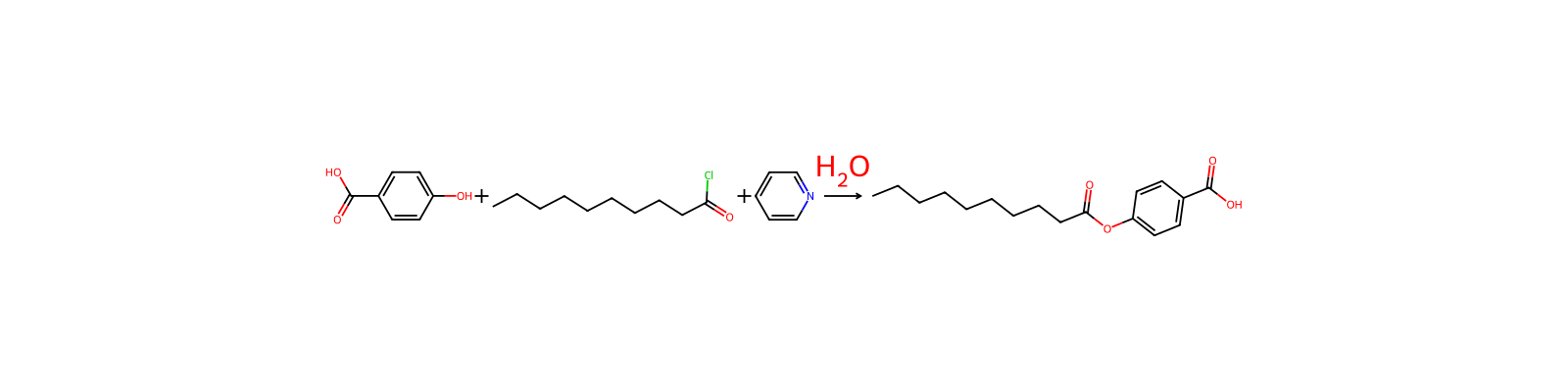
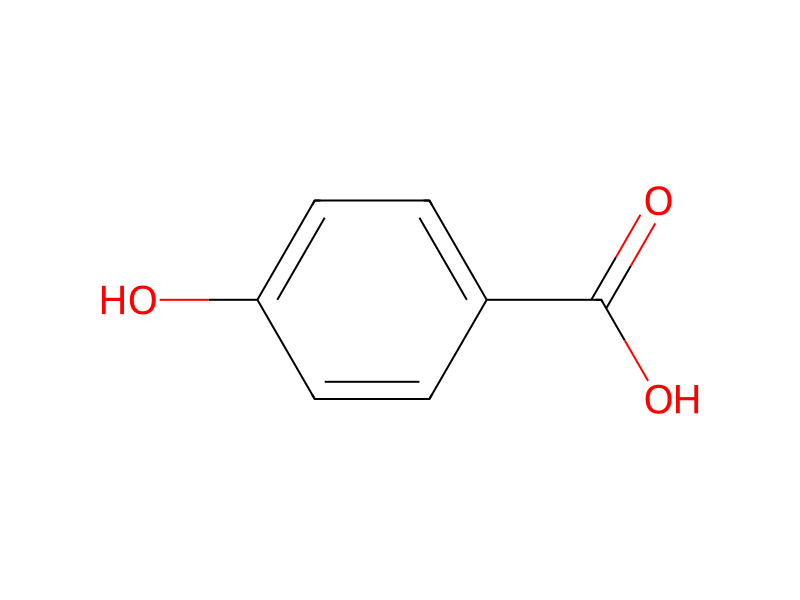
基本信息
- 标准SMILES
O=C(O)c1ccc(O)cc1- InChIKey
FJKROLUGYXJWQN-UHFFFAOYSA-N- 分子式
- C7H6O3
- 平均分子量
- 138.12 g/mol
- 单同位素质量
- 138.03169405
概述
4-hydroxybenzoic acid is a monohydroxybenzoic acid that is benzoic acid carrying a hydroxy substituent at C-4 of the benzene ring. It has a role as a plant metabolite and an algal metabolite. It is a conjugate acid of a 4-hydroxybenzoate.
名称与标识
- 首选名称
- 4-Hydroxybenzoic Acid
- IUPAC
- 4-hydroxybenzoic acid
- 中文名
- 对羟基苯甲酸
- 英文名
- 4-Hydroxybenzoic acid
- 分子式
- C7H6O3
- 分子量
- 138.12
名称与别名
4-HYDROXYBENZOIC ACID99-96-7p-Hydroxybenzoic acidp-Salicylic acid4-CarboxyphenolBenzoic acid, 4-hydroxy-Benzoic acid, p-hydroxy-para-Hydroxybenzoic acidp-OxybenzoesaureDTXSID3026647JG8Z55Y12HNSC-4961
展开更多名称
4-羟基苯对苯酚甲酸阿司匹林A对羟基苯甲酸羟基安息香酸尼泊金丁酯A阿司匹林杂质14-羟基苯甲酸4-氫氧苯甲酸对羟基安息香酸PARA HYDROXY BENZOIC ACIDPHBA4-hydroxyp-hydroxybenzoic4-hydroxy-benzoicaciP-OXYBENZOIC ACID
DTXCID806647FEMA NO. 3986CHEBI:30763CHEBI:17879RefChem:25955202-804-94-Hydroxybenzoatep-carboxyphenol
数据库标识
- CAS
99-96-7- PubChem CID
- 135
- DTXSID
DTXSID3026647- ChEMBL
CHEMBL441343- ChEBI
CHEBI:30763- UNII
- JG8Z55Y12H
- EC Number
- 202-804-9
- Nikkaji
- J43.201F
性质
结构计算性质
- XLogP
- 1.6
- 极性表面积
- 57.5 Ų
- 氢键供体
- 2
- 氢键受体
- 3
- 可旋转键
- 1
- 重原子
- 10
- 形式电荷
- 0
- 复杂度
- 125
实验与物化性质
Chemical Classes
Other Classes -> Benzoic Acid Derivatives
Industrial compound
DrugsPharmaceuticals -> Listed in ZINC15
Cosmetics
Cosmetic ingredients (4-Hydroxybenzoic Acid) -> CIR (Cosmetic Ingredient Review)
Preservative
Pesticides
Agrochemicals -> Pesticide active substances
Active substance -> EU Pesticides database: Not approved
LogP
log Kow=1.58
1.58
Food AdditivesFLAVORING AGENT OR ADJUVANT -> FDA Substance added to food
Density
1.46 g/cu cm @ 25 °C
1.46 @25 °C
Flavoring AgentsEU Flavoring substances
Color/FormWhite granular crystalline powder consisting of monoclinic prisms
Solubility
Solubility (in 100 g of solution): 99% ethanol 38.75 g (67 °C); n-butanol 19.5 g (32.5 °C)
Soluble in about 125 parts water, freely in alcohol, slightly in chloroform; soluble in ether, acetone. Practically insoluble in carbon disulfide.
In water, 5000 mg/L at 25 °C
5.0 mg/mL
slightly soluble in water; soluble in organic solvents
freely soluble (in ethanol)
Boiling Point334.00 to 335.00 °C. @ 760.00 mm Hg
DecompositionWhen heated to decomposition it emits acrid smoke and irritating fumes.
物理化学性质
- 熔点
- 213 · 213-217 °C (lit.)
- 沸点
- 213.5 °C · 213.5°C (rough estimate)
- 堆积密度
- 600 kg/m3 · 600kg/m3
- 密度
- 1 · 1,46 g/cm3
- 蒸气压
- 0 Pa · 0Pa at 20℃
- 折射率
- 1.46 · 1.4600 (estimate)
- FEMA
- 3986 · 3986 | 4-HYDROXYBENZOIC ACID
- 闪点
- 199 °C · 199 °C
- 储存条件
- 30 °C · Store below +30°C.
- 溶解度
- 5 %, · methanol: soluble5%, clear to slightly hazy, colorless to faintly yellow
- 酸度系数(pKa)
- 4.48 · 4.48(at 19℃)
- 形态
- Crystalline Powder
- 颜色
- White to ivory
- PH值
- 3.3 · 3.3 (1g/l, H2O, 20℃)
- 气味 (Odor)
- 100 % · at 100.00 %. phenolic nutty
- 香型
- phenolic
- 生物来源
- synthetic
- 水溶解性
- 5 g/L · 5 g/L (20 ºC)
- Merck
- 14 · 14,4812
- JECFA Number
- 957 · 957
- BRN
- 970950 · 970950
- Henry's Law Constant
- 1.4 · 1.4×106 mol/(m3Pa) at 25℃, Duchowicz et al. (2020)
- 化妆品成分功效
- PRESERVATIVEFRAGRANCE
- 化妆品成分评估
- 4 · 4-Hydroxybenzoic acid (99-96-7)
- InChI
- 1S/C7H6O3/c8-6-3-1-5(2-4-6)7(9)10/h1-4,8H,(H,9,10)
- InChIKey
- FJKROLUGYXJWQN-UHFFFAOYSA-N
- SMILES
- OC(=O)c1ccc(O)cc1
- LogP
- 0.878 at · 0.878 at 22℃
- CAS 数据库
- 99 · 99-96-7(CAS DataBase Reference)
- NIST化学物质信息
- 4 · Benzoic acid, 4-hydroxy-(99-96-7)
- EPA化学物质信息
- p-Hydroxybenzoic acid (99-96-7)
化学性质
对羟基苯甲酸为无色单斜结晶。熔点214-215℃(无水物),相对密度1.494。微溶于水、氯仿,溶于乙醚、丙酮和苯,可以任意比例溶于乙醇,几乎不溶于二硫化碳。溶于125份冷水中。
安全与法规
GHS分类
GHS Classification
This chemical does not meet GHS hazard criteria for 0.5% (2 of 425) of reports.
Danger
H315 (12.2%): Causes skin irritation [Warning Skin corrosion/irritation]
P261, P264, P264+P265, P271, P280, P302+P352, P304+P340, P305+P351+P338, P305+P354+P338, P317, P319, P321, P332+P317, P337+P317, P362+P364, P403+P233, P405, and P501 (click each P-code to see the statement)
Aggregated GHS information provided per 425 reports by companies from 25 notifications to the ECHA C&L Inventory. Each notification may be associated with multiple companies.
危害信息
Regulatory Information
Chemical: Benzoic acid, 4-hydroxy-
Commission Regulation (EC) No 1565/2000 (Repealed by Com. Implementing Reg. (EU) No 872/2012)
Benzoic acid, 4-hydroxy- is listed on the EPA's Chemical Data Reporting (CDR) system. Manufacturers and importers of Benzoic acid, 4-hydroxy- are required to report information about their production and use of this chemical to the EPA under the Toxic Substances Control Act (TSCA). (40 eCFR Part 711)
2007/442
Status: Active Update: 23-06-2022 https://echa.europa.eu/registration-dossier/-/registered-dossier/15944
4-Hydroxybenzoic acid: Does not have an individual approval but may be used under an appropriate group standard
Other Safety InformationIMAP assessments - Benzoic acid, 4-hydroxy-: Human health tier I assessment
Hazards Summary
A mild skin irritant and sensitizer; A moderate eye irritant; [eChemPortal: SIDSUNEP] In animal experiments, causes somnolence, ataxia and changes to liver and kidneys; [RTECS] Oral LD50 (mouse) = 2200 mg/kg; [Sax] Safe when used as a flavoring agent; [JECFA] An irritant; Effects in high-dose animal studies include acute tubular necrosis); [MSDSonline]
Atmospheric Standards
This action promulgates standards of performance for equipment leaks of Volatile Organic Compounds (VOC) in the Synthetic Organic Chemical Manufacturing Industry (SOCMI). The intended effect of these standards is to require all newly constructed, modified, and reconstructed SOCMI process units to use the best demonstrated system of continuous emission reduction for equipment leaks of VOC, considering costs, non air quality health and environmental impact and energy requirements. 4-Hydroxybenzoic acid is produced, as an intermediate or a final product, by process units covered under this subpart.
Hazard Classes and CategoriesSkin Irrit. 2 (12.2%)
安全与防护
Disposal Methods
SRP: The most favorable course of action is to use an alternative chemical product with less inherent propensity for occupational exposure or environmental contamination. Recycle any unused portion of the material for its approved use or return it to the manufacturer or supplier. Ultimate disposal of the chemical must consider: the material's impact on air quality; potential migration in soil or water; effects on animal, aquatic, and plant life; and conformance with environmental and public health regulations.
Protective Action Criteria (PAC)
15 [mg/m3]
22 [mg/m3]
130 [mg/m3]
毒理信息
Ecotoxicity Values
LC50 Oncorhynchus mykiss (Rainbow trout) >99 mg/L/96 hr /Conditions of bioassay not specified in source examined/
EC50 Daphnia magna (intoxication, immobilization) 181 mg/L/24 hr (95% confidence interval: 167-198 mg/L); 173 mg/L/48 hr; static
LD50 Oncorhynchus mykiss (Rainbow trout) ip 1.01 mmol/kg /formultated product/
Environmental Fate
TERRESTRIAL FATE: Based on a classification scheme(1), Koc values of 142, 20, and 14(2), indicate that 4-hydroxybenzoic acid is expected to have high to very high mobility in soil(SRC). Volatilization of 4-hydroxybenzoic acid from moist soil surfaces is not expected to be an important fate process(SRC) given an estimated Henry's Law constant of 7.2X10⁻¹² atm-cu m/mole(SRC), derived from its vapor pressure, 1.9X10⁻⁷ mm Hg(3), and water solubility, 5000 mg/L(4). In addition, the pKa of 4-hydroxybenzoic acid is 4.54(5), indicating that this compound will primarily exist in anion form in the environment and will not volatilize from moist soil surfaces(SRC). 4-Hydroxybenzoic acid is not expected to volatilize from dry soil surfaces(SRC) based upon its extrapolated vapor pressure value(3). Biodegradation of 4-hydroxybenzoic acid is expected to occur in aerobic and anaerobic soil environments based on both screening and microcosm studies (SRC). In aquifer sediment, from 34 to 70% mineralization was reported under aerobic conditions in 6 days(6). Under anaerobic conditions, 4-hydroxybenzoic acid was completely degraded in river sediments within 23 to 59 days(7).
AQUATIC FATE: Based on a classification scheme(1), Koc values of 142, 20, and 14(2)indicate that 4-hydroxybenzoic acid is not expected to adsorb to suspended solids and sediment(SRC). Volatilization from water surfaces is not expected(3) based upon an estimated Henry's Law constant of 7.2X10⁻¹² atm-cu m/mole(SRC), derived from its vapor pressure, 1.9X10⁻⁷ mm Hg(4) and water solubility, 5000 mg/L(5). The pKa of 4-hydroxybenzoic acid is 4.54(9), indicating that this compound will primarily exist in anion form and anions generally do not adsorb more strongly to suspended solids and sediment than their neutral counterparts(6). According to a classification scheme(7), an estimated BCF of 9(SRC), from its log Kow(8) and a regression-derived equation(3), suggests the potential for bioconcentration in aquatic organisms is low (SRC). Biodegradation of 4-hydroxybenzoic acid is expected to occur in aerobic and anaerobic aquatic environments based on both screening and microcosm studies (SRC). In aquifer sediment, from 34 to 70% mineralization was reported under aerobic conditions in 6 days(10). Under anaerobic conditions, 4-hydroxybenzoic acid was completely degraded in river sediments within 23 to 59 days(11).
ATMOSPHERIC FATE: According to a model of gas/particle partitioning of semivolatile organic compounds in the atmosphere(1), 4-hydroxybenzoic acid, which has an extrapolated vapor pressure of 1.9X10⁻⁷ mm Hg at 25 °C(2), is expected to exist in both the vapor and particulate phases in the ambient atmosphere. Vapor-phase 4-hydroxybenzoic acid is degraded in the atmosphere by reaction with photochemically-produced hydroxyl radicals(SRC); the half-life for this reaction in air is estimated to be 30 hours(SRC), calculated from its rate constant of 1.3X10⁻¹¹ cu cm/molecule-sec at 25 °C(SRC) that was derived using a structure estimation method(3). Particulate-phase 4-hydroxybenzoic acid may be removed from the air by wet and dry deposition(SRC).
Adverse EffectsNeurotoxin - Other CNS neurotoxin
Toxicity Summary
The CIR Expert Panel concluded that the following 20 parabens are safe in cosmetics in the present practices of use and concentration described in the safety assessment when the sum of the combined concentration of parabens in any given formulation does not exceed 0.8 %...4-Hydroxybenzoic Acid...
Safe for use in cosmetics, with qualifications
Effluent Concentrations
Night soil treatment plant effluents collected on two occasions in Japan in 1975 contained 4-hydroxybenzoic acid at 2.0 and 2.5 ug/L(1). Incinerating plant effluent collected in Japan in 1975 contained 4-hydroxybenzoic acid at a concentration of 6.5 ug/L(1).
Soil Adsorption/Mobility
Koc values of 142, 20, and 14 were measured according to a modified version of OECD guideline 106 for 4-hydroxybenzoic acid in a podzol (pH=2.8, C organic=4.85%, sand:silt:clay=89.2:8.2:2.6%), alfisol (pH=6.7, C organic=1.25%, sand:silt:clay=69.7:14.4:15.9%), and a sediment (pH=7.1, C organic=1.58%, sand:silt:clay=5.5:58.8:35.7%), respectively(1). According to a classification scheme(2), these Koc values suggest that 4-hydroxybenzoic acid is expected to have high to very high mobility in soil. The pKa of 4-hydroxybenzoic acid is 4.54(3), indicating that this compound will primarily exist in anion form in the environment and anions generally do not adsorb more strongly to organic carbon and clay than their neutral counterparts(4).
Natural Pollution SourcesPhenolic acids, including 4-hydroxybenzoic acid, are widely distributed in vascular plants(1).
Atmospheric Concentrations
URBAN/SUBURBAN: Aerosol samples collected in April 1985 approximately 60 km northeast of Tokyo in a suburban area surrounded by agricultural fields and forests contained unreported concentrations of 4-hydroxybenzoic acid(1). 24-Hour air samples collected from two urban sites in the San Joaquin valley, CA from December 5, 1995 to January 6, 1996 contained 4-hydroxybenzoic acid at 7.8(Bakersfield, CA) and 12 (Fresno, CA) ng/cu m(2). Atmospheric fallout samples collected in a residential district of Tokyo, Japan, between February 1976 and January 1978, contained 4-hydroxybenzoic acid at concentrations ranging from 0.3 to 4.7 ug/cu m/day(3).
RURAL/REMOTE: 24-Hour air samples collected from the Kern Wildlife refuge in the San Joaquin valley, CA, from December 5, 1995 to January 6, 1996 contained 4-hydroxybenzoic acid at 0.6 ng/cu m(1).
Artificial Pollution Sources4-Hydroxybenzoic acid's production and use as a chemical intermediate, in synthetic drugs, and as a food preservative (up to 0.1% approved by the FDA)(1) may result in its release to the environment through various waste streams(SRC).
Environmental Biodegradation
AEROBIC: In a 1% soil suspension screening test, 4-hydroxybenzoic acid at 25 ppm was completely degraded within 1 day, as measured by loss of UV absorbancy(1). 4-Hydroxybenzoic acid was readily biodegraded in several aerobic activated sludge screening tests including the Zahn-Wellens test (100% removal in 1 day), Japanese MITI test (98% theoretical BOD reached in 14 days), Sturm CO2 evolution test (61% theoretical CO2 produced in 28 days), OECD Screening test (95% DOC removal in 19 days), and the Closed bottle test (93% theoretical BOD reached in 30 days)(2). In an OECD coupled units biological treatment simulation test, 99% DOC removal of 4-hydroxybenzoic acid, initially present at 12 ppm C, was reported after an acclimation period of 7 days(2). 4-Hydroxybenzoic acid was mineralized 44 to 54% in 14 days in an assay where aquifer sediments from outside the coal-tar contaminated plume were added to the compound in distilled water at 20 °C(3). When aquifer sediment collected from within the plume were used, from 50 to over 80% of the added 4-hydroxybenzoic acid was generally mineralized within 14 days(3). Under microaerophilic conditions, mineralization of 4-hydroxybenzoic acid ranged from 13 to 54% in 6 days; sediment collected from within the plume was used as an inoculum(3). Under aerobic conditions, using the same sediment, from 34 to 70% mineralization was reported over the same time(3). The percent 4-hydroxybenzoic acid mineralization in 20 days ranged from 35 to 55, 35 to 55, and 0 to 35 in microcosms using sediment upgradient of a coal-tar contaminated plume, downgradient of the plume, and in pristine sediment, respectively(4). Mineralization of 4-hydroxybenzoic acid in aquifer sediment microcosms from uncontaminated and contaminated boreholes in an urban coal-tar waste site was reported as 43 to 51% and 46 to 52%, respectively, in 14 days(5).
ANAEROBIC: 4-Hydroxybenzoic acid was slowly mineralized in a microcosm study using aquifer sediment and groundwater from two boreholes in a coal-tar contaminated aquifer; the percent mineralization ranged from 0 to 30% in 28 days(1). 4-Hydroxybenzoic acid was readily degraded in several anaerobic digester sludge screening studies. Digester sludge from the Adrian and Jackson waste treatment plants, present at 10% in an anaerobic salts medium, degraded 100% of the added 4-hydroxybenzoic acid (at 50 ppm C) within 14 days(2). Complete mineralization of 4-hydroxybenzoic acid was reported within 14 days in a screening study using anaerobic digester sludge (initial test compound concentration of 30 mg C/L, sludge inoculum at 100 mg C/L, incubation at 37 °C, glucose and glutamic acid added)(4). In a second similar digester sludge screening test, 87% mineralization was reported in 28 days(5). In another digester sludge screening study, 17 days were required to completely degrade 4-hydroxybenzoic acid with over 80% of the initial concentration converted to gas(6). Significant mineralization of 4-hydroxybenzoic acid in a freshwater lake sediment was noted in 2 to 4 weeks(2). In anaerobic sediment slurries constructed using sediment from the Milwaukee Harbor and Green Bay, complete degradation of 4-hydroxybenzoic acid was generally reported in 24 to 59 days and 23 to 51 days, respectively(3). 4-Hydroxybenzoic acid was mineralized by 96 and 121% under denitrifying and methanogenic conditions, respectively, in a screening study using a 10% sediment slurry inoculum(7). Mineralization rate constants of >70(lag phase of 0 to 1.4 weeks) and 20 umol/L/day(lag phase of 0 to 1 week) were reported for 4-hydroxybenzoic acid during its degradation under denitrifying and methanogenic conditions, respectively(7).
Sediment/Soil Concentrations
SOIL: A peat soil contained 4-hydroxybenzoic acid at a concentration of 265 to 727 ug/100 gm dry soil(1). 4-Hydroxybenzoic acid dominated the other phenolic carboxylic acids present in soil samples collected from the McMurdo Sound region of the Antarctic(2). A composite of soil samples collected in a residential district of Tokyo, Japan, between February 1976 and January 1978, contained 4-hydroxybenzoic acid at a concentration of 4.2 ug/g dry soil(3). 4-Hydroxybenzoic acid concentrations in 5 freshwater sediment samples ranged from 3.47 to 133 ug/g dry weight(4).
SEDIMENT: 4-Hydroxybenzoic acid dominated the other phenolic carboxylic acids present in sediment samples collected from the McMurdo Sound region of the Antarctic(1). Sediments collected from Lake Haruna, Tama river, Komagari reservoir, Yatsuse river, and the Gulf of Mexico contained 4-hydroxybenzoic acid at 14, 1.2, 7.9, 16, and 0.51 ug/g dry sediment(2).
Environmental Bioconcentration
An estimated BCF of 9 was calculated for 4-hydroxybenzoic acid(SRC), using a log Kow of 1.58(1) and a regression-derived equation(2). According to a classification scheme(3), this BCF suggests the potential for bioconcentration in aquatic organisms is low(SRC), provided the compound is not altered physically or chemically once released into the environment.
法规信息
Atmospheric Standards
This action promulgates standards of performance for equipment leaks of Volatile Organic Compounds (VOC) in the Synthetic Organic Chemical Manufacturing Industry (SOCMI). The intended effect of these standards is to require all newly constructed, modified, and reconstructed SOCMI process units to use the best demonstrated system of continuous emission reduction for equipment leaks of VOC, considering costs, non air quality health and environmental impact and energy requirements. 4-Hydroxybenzoic acid is produced, as an intermediate or a final product, by process units covered under this subpart.
安全数据
- wgk
- 1
- tsca
- TSCA listed
- 毒性
- LD50 orally in Rabbit: > 5000 mg/kg
- RTECS号
- DH1925000
- 存储类别
- 11 - Combustible Solids
- 安全说明
- 26-37/39-36
- 海关编码
- 29182930
- 自燃温度
- >250 °C
- 危险品标志
- Xi
- 危险性类别
- Eye Dam. 1STOT SE 3
- 危险类别码
- 36-36/37/38
- 毒害物质数据
- 99-96-7(Hazardous Substances Data)
化学与工业
药理信息
Metabolism/Metabolites
In rabbits, 96% of a single oral dose of 400 mg/kg bw 4-hydroxybenzaldehyde was excreted in the urine within 24 hr as 4-hydroxybenzoic acid and its glycine, glucuronic acid, and sulfate conjugates.
...Metabolism in the rat of p-hydroxybenzoic acid and its methyl, ethyl and propyl esters resulted in the appearance in the urine first of free p-hydroxybenzoic acid, followed by the glucuronide and p-hydroxyhippuric acid, the concentration of which increased as that of the free p-hydroxybenzoic acid /decreased/.
Absorption, Distribution and Excretion
...Groups of 4-8 rabbits were given 4-hydroxybenzoic acid at a dose of 100, 250, 500, 1000, or 1500 mg/kg bw by gavage every 3-7 days. Urine was collected continuously and analysed for metabolites. The total urinary recovery of the test material ranged from 84% to 104%. Glucuronic acid and sulfate conjugates were also detected in the urine, at 10-35% and 4-7%, respectively. The concentrations of all the metabolites returned to background values within 24 hr after dosing.
Cellular LocationsCytoplasm
Metabolite PathwaysUbiquinone Biosynthesis
用途与制造
Uses
CIR ingredient: 4-Hydroxybenzoic Acid
Used as an intermediate for dyes, fungicides, cosmetics, and drugs; as a food preservative, corrosion inhibitor, anti-oxidant, and emulsifier; as a component in the manufacture of polyester; and as a constituent of liquid crystal polymers; [HSDB] Used as an intermediate for pesticides, antiseptics, and pharmaceuticals; [eChemPortal: SIDSUNEP]
Intermediate, synthetic drugs, food preservative. Its methyl, propyl and butyl esters are used for cosmetics and pharmaceuticals.
Intermediate for dyes, fungicides.
Corrosion inhibitor, anti-oxidant and emulsifier.
... Used in polymers as a component in the manufacture of polyester and as a constituent of liquid crystal polymers.
U.S. Production2023: 10,000,000 - <25,000,000 lb
Consumer UsesProcessing aids not otherwise specified
Industry UsesCorrosion inhibitor
Methods of Manufacturing
4-Hydroxybenzoic acid can... be obtained by isomerization of dipotassium salicylate at temperatures up to 240 °C and under carbon dioxide pressure (slightly above atmospheric pressure), or by oxidation of the alkali-metal salt of p-cresol on metal oxides at 260-270 °C. Reaction of phenol with tetrachloromethane in the presence of alkali produces salicylic acid as the main product and smaller amounts of 4-hydroxybenzoic acid.
4-Hydroxybenzoic acid is produced by carboxylation of potassium phenolate above 220 °C and with a carbon dioxide pressure of 0.45 MPa. The yield fo 4-hydroxybenzoic acid (partly present as the dipotassium salt) is 80% of the theoretical amount in which the conversion of phenolate is 60%.
Interaction of 1-aminobenzoic acid and nitrous acid.
Use Classification
Flavouring Agent -> FLAVOURING_AGENT -> JECFA Functional Classes
Flavoring Agents -> JECFA Flavorings Index
Flavouring Agent -> FLAVOURING_AGENT -> JECFA Functional Classes
Flavouring Agent -> FLAVOURING_AGENT -> JECFA Functional Classes
Cosmetics -> Preservative
General Manufacturing Information
Miscellaneous Manufacturing
Benzoic acid, 4-hydroxy-: ACTIVE
应用领域
用途主要作为精细化工产品的基础原料,尼泊金酯类即对羟基苯甲酸酯类作为食品、医药和化妆品的防腐剂,已得到广泛应用,它还大量应用于制备各中染料、杀菌剂、彩色电影胶片及各种油溶性成色剂等,具有广泛用途的新型耐高温聚合物对羟基苯甲酸类聚酯也以此为基本原料。
用途主要用于有机合成、染料、香料等工业,也用于制备高效防腐剂
用途用于染料、有机及防霉剂的合成
用途对羟基苯甲酸是用途广泛的有机合成原料,特别是其酯类,包括对羟基苯甲酸甲酯(尼泊金甲)、乙酯(尼泊金乙)、丙酯、丁酯、异丙酯、异丁酯,可做食品添加剂,用于酱油、醋、清凉饮料(汽水除外)、果品调味剂、水果及蔬菜、腌制品等,还广泛用于食品、化妆品、医药的防腐、防霉剂和杀菌剂等方面。对羟基苯甲酸也用作染料、农药的中间体。在农药中用于合成有机磷杀虫剂GYAP、CYP;在染料工业中用于合成热敏染料的显色剂;还可用于彩色胶片及合成油溶性成色剂“538”及尼龙12中用作增塑剂的生产原料。另外,还用于液晶聚合物和塑料。
制备方法
生产方法对羟基苯甲酸的生产方法有多种,苯酚钾羧化法较适于工业化生产,该法又分酚钾固相羧化法、酚钾溶媒羧化法、酚钾与二氧化碳的连续气液相法。将40%左右的氢氧化钾溶液与苯酚加入反应锅中混合,于100℃搅拌0.5h,至酚钾液的游离碱为0.3-1.2%。加热,进行常压脱水,至内温为140℃时改为减压脱水,在10.6kPa压力下蒸水约0.5-1h,直至内温达170℃以上。加入溶剂苯酚共沸脱水,至200℃(2.67kPa)结束脱水,得酚钾与酚的复合盐。将制备的上述复合盐继续加热至220-230℃,通入净化无水的二氧化碳,压力维持在0.5MPa,反应2.5h,降温至200℃补加苯酚,保温搅拌30min,然后减压回收苯酚至尽。再通入二氧化碳进行第二次羧化,约需2h。羧化结束后,回收苯酚,冷却至180℃以下,加水溶解,即得羧化液(对羟基苯甲酸二钾盐)。将硫酸逐渐加入羧化液中,于70℃以下中和至pH为6.7。冷却过滤除去硫酸钾,所得粗品滤饼用水重结晶、活性炭脱色,即得含量99%以上的对羟基苯甲酸。对羟基苯甲酸二钾盐也可由水杨酸二钾盐转位得到。因此工业上也可由水杨酸经成盐、转位、中和得到对羟基苯甲酸,但成本较高。另外,生产糖精时的副产物对甲苯磺酰氯,经氨化、氧化、酸析、碱熔、再酸析也可获得该品。该法收率较低,成本较高,而且糖精副产物中往往夹带有毒的杂质邻磺酰胺基甲苯。
上下游产品信息
上游原料
下游产品
试剂价格
- A13700 · 5000g
- 4-羟基苯甲酸4-Hydroxybenzoic acid — 1780元
- 12099 · 500g
- 4-羟基苯甲酸(99+%)4-Hydroxybenzoic Acid, 99+%, Thermo Scientific Chemicals — 842元
供应商50 家
国药集团化学试剂有限公司86-21-63210123 · [email protected]
北京华美互利生物化工010-56205725 · [email protected]
梯希爱(上海)化成工业发展有限公司021-67121386 · [email protected]
上海阿拉丁生化科技股份有限公司400-6206333 13167063860 · [email protected]
INTATRADE GmbH+49 3493/605464 · [email protected]
上海如吉生物科技发展有限公司+86-21-65211385-8001 36031160 · [email protected]
北京安司莫森技术有限公司010-82954736 13391601435 · [email protected]
韶远科技(上海)有限公司021-50795510 4000665055 · [email protected]
科瑞迪化学400-821-5857 021-64326257 · [email protected]
上海将来实业股份有限公司400-0066400 13621662912 · [email protected]
Syntechem Co.,Ltd[email protected]
上海迈瑞尔生化科技有限公司4006356688 18621169109 · [email protected]
武汉易泰科技有限公司上海分公司18930552037 · [email protected]
大连美仑生物技术有限公司0411-62910999 13889544652 · [email protected]
阿法埃莎(中国)化学有限公司400-6106006 · [email protected]
安耐吉化学&3A(安徽泽升科技股份有限公司)400-0056266 · [email protected]
上海瀚鸿科技股份有限公司021-54306202 13764082696 · [email protected]
上海柯维化学技术有限公司021-64609169 18901607656 · [email protected]
天津万象恒远科技有限公司15722085254 · [email protected]
上海景颜化工科技有限公司13817811078 · [email protected]
嘉兴市艾森化工有限公司0573-85285100 18627885956 · [email protected]
上海泰坦科技股份有限公司400-6009262 15618770481 · [email protected]
武汉丰泰威远科技有限公司027-87465837 19945049750 · [email protected]
孝感深远化工有限公司15527621225; 15527621225 · [email protected]
云南西力生物技术股份有限公司0871-65217109 · [email protected]
Beckmann-Kenko GmbH+49 4241 9308 88 · [email protected]
苏州施亚生物科技有限公司86(512)5235 8471 17715136450 · [email protected]
山东西亚化学有限公司13355009207 13355009207 · [email protected]
玛雅试剂+86 (573) 82222445 (0)18006601000 452520369 · [email protected]
四川库利南科技有限公司400-1166-196 18981987031 · [email protected]
天津希恩思生化科技有限公司400 638 7771 · [email protected]
湖南汇百侍生物科技有限公司0731-85526065 13308475853 · [email protected]
南京维奥化工有限公司Please Send Email 18652950785 · [email protected]
斯百全化学(上海)有限公司021-021-021-67601398-809-809-809 15221380277 · [email protected]
北京泰亚杰科技有限公司021-33690831-8001 13552411790;18616022633 · [email protected]
上海源叶生物科技有限公司13636370518 · [email protected]
艾科试剂4008-755-333 18080918076 · [email protected]
深圳菲斯生物科技有限公司0755-83725681-603
上海思域化工科技有限公司86-21-34053660 · [email protected]
赛默飞世尔科技(中国)有限公司800-810-5118 · [email protected]
北京伊诺凯科技有限公司400-810-7969 010-59572699 · [email protected]
上海特伯化学科技有限公司+86-21-60341587 · [email protected]
上海遐瑞医药科技有限公司+86 21 61551611
江苏艾康生物医药研发有限公司025-66113011 13913916777 · [email protected]
TCI AMERICA800-4238616 · [email protected]
TOKYO CHEMICAL INDUSTRY CO., LTD.03-36680489 · [email protected]
TCI Europe320-37350700 · [email protected]
上海贤鼎生物科技有限公司4009209199 · [email protected]
深圳康特腾科技有限公司86-0755-86635001 · [email protected]
南京杜莱生物技术有限公司025-84699383-8003;025-846993838003-8003 18013301590 · [email protected]
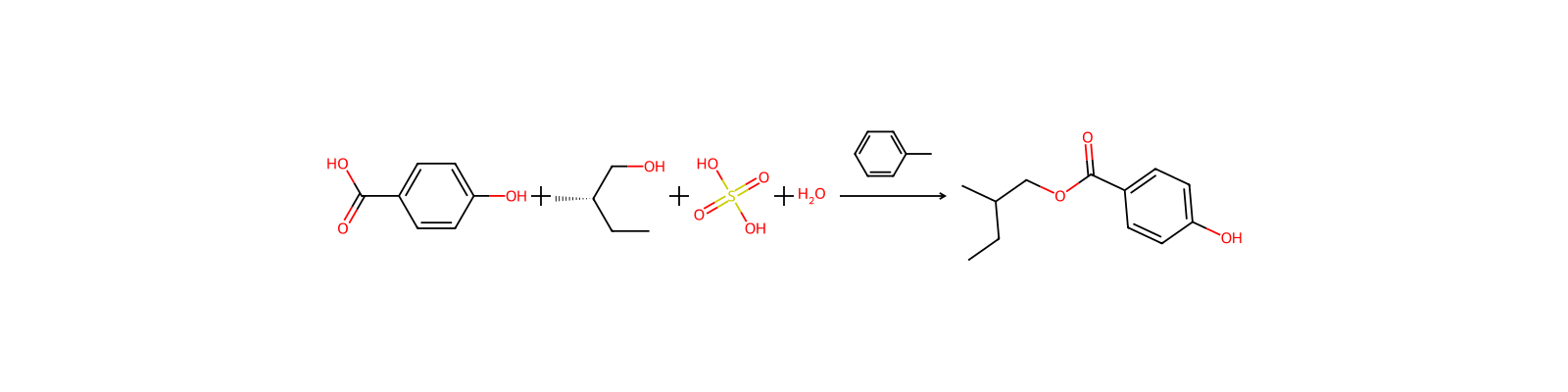
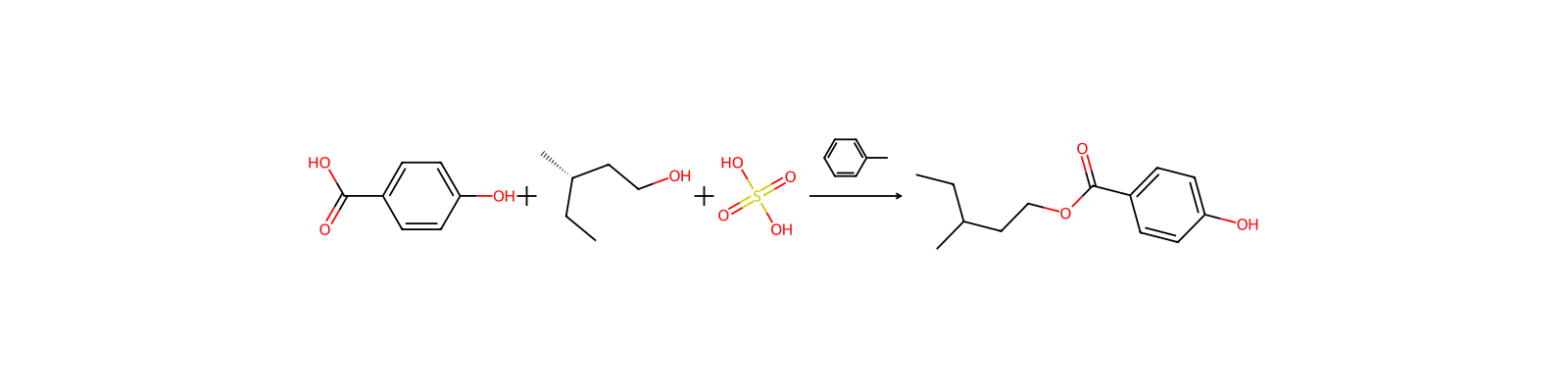
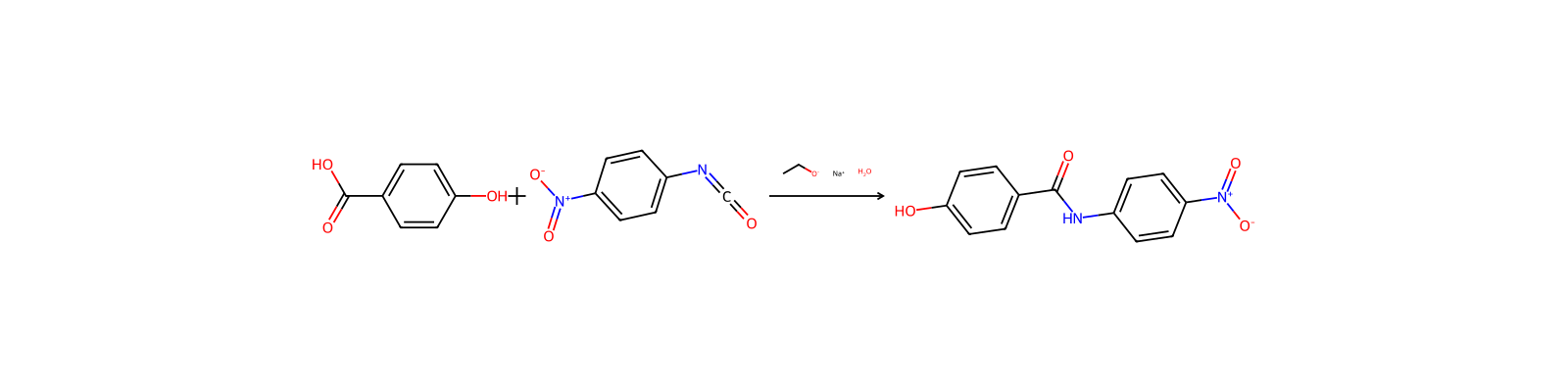
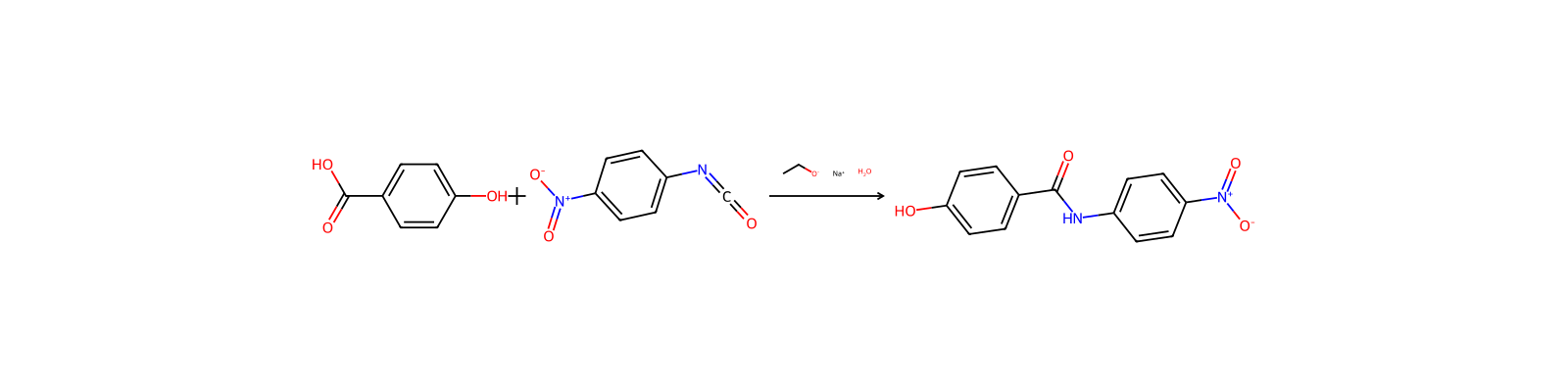
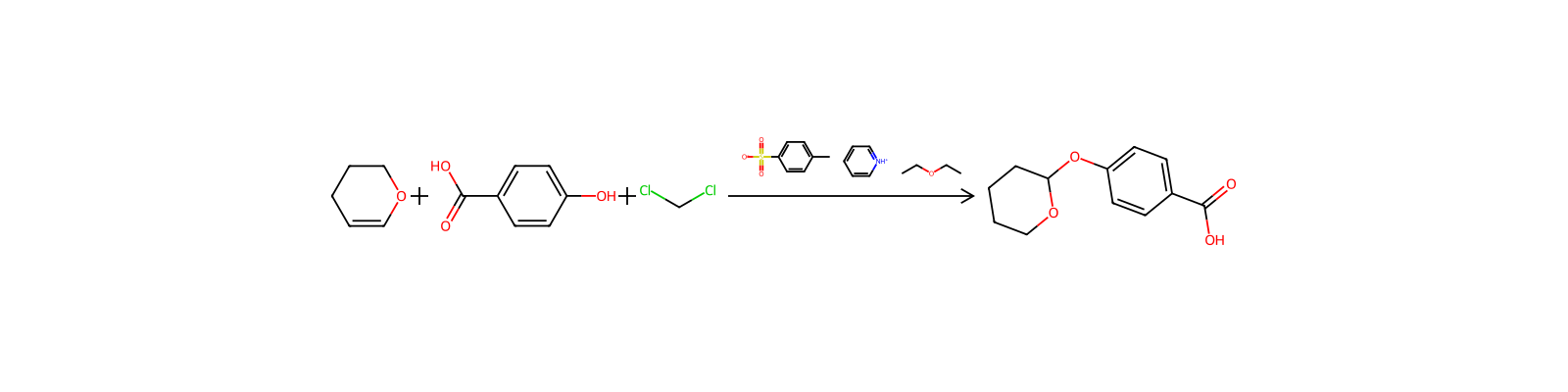
相关反应
521 条


关联笔记
加载中…