
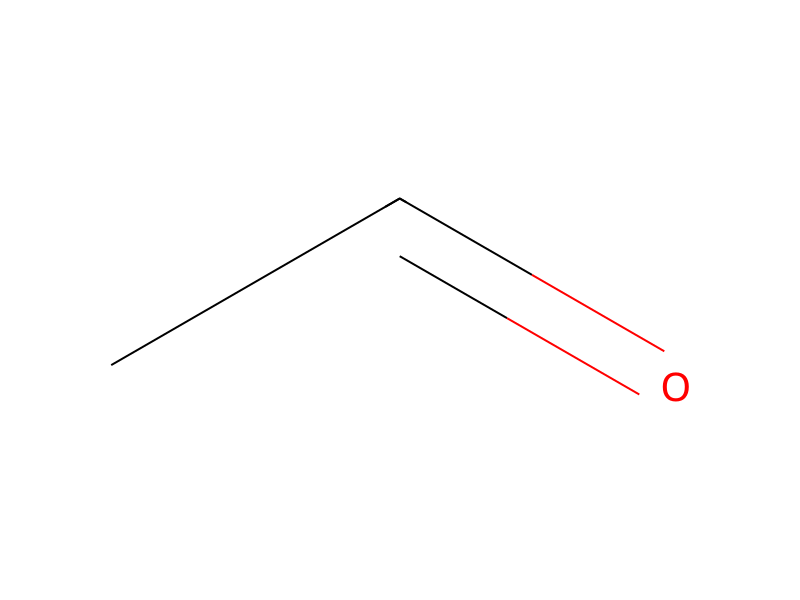
基本信息
- 标准SMILES
CC=O- InChIKey
IKHGUXGNUITLKF-UHFFFAOYSA-N- 分子式
- C2H4O
- 平均分子量
- 44.05 g/mol
- 单同位素质量
- 44.02621475
概述
Acetaldehyde can cause cancer according to an independent committee of scientific and health experts.
名称与标识
- 首选名称
- Acetaldehyde
- IUPAC
- acetaldehyde
- 中文名
- 乙醛
- 英文名
- Acetaldehyde
- 分子式
- C2H4O
- 分子量
- 44.05
名称与别名
acetaldehydeethanal75-07-0acetic aldehydeethyl aldehydeAcetylaldehydeAcetaldehydAldeide aceticaAcetic ethanolOctowy aldehydAldehyde acetiqueRCRA waste number U001
展开更多名称
乙醛乙酵乙醛 水无水乙醛乙醛溶液水中乙醛工业乙醛99乙醛乙醛,醋醛乙醛99%CH3CHOMETHANONEFORMALDEHYDE SOLUTIONacetaldehyde solutionAcetaldeydeFORMOL
NSC 7594NCI-C56326FEMA No. 2003DTXSID5039224GO1N1ZPR3BCHEBI:15343NSC-7594DTXCID202
数据库标识
- CAS
75-07-0- PubChem CID
- 177
- DTXSID
DTXSID5039224- ChEMBL
CHEMBL170365- ChEBI
CHEBI:15343- UNII
- GO1N1ZPR3B
- EC Number
- 200-836-8
- Nikkaji
- J2.388D
性质
结构计算性质
- XLogP
- -0.3
- 极性表面积
- 17.1 Ų
- 氢键供体
- 0
- 氢键受体
- 1
- 可旋转键
- 0
- 重原子
- 3
- 形式电荷
- 0
- 复杂度
- 10.3
实验与物化性质
Chemical Classes
Hazardous Air Pollutants (HAPs)
Urban Hazardous Air Pollutants (HAPs) - EPA specified greatest potential health threat in urban areas
Other Classes -> Aldehydes
Carcinogens
Cosmetics
Cosmetics ingredient -> Flavor; Fragrance; Other (Specify)
Nail conditioning
SpringerMaterials PropertiesCoriolis coupling
FragrancesFragrance Ingredient (Acetaldehyde) -> IFRA transparency List
PesticidesPesticide -> EPA IRIS
LogP
log Kow = -0.34
-0.34
0.63
Odor
Pungent, fruity odor
Pungent, suffocating odor that is somewhat fruity and quite pleasant in dilute concentrations.
TasteTart taste (fruits containing acetaldehyde before ripening)
Food AdditivesFLAVORING AGENT OR ADJUVANT -> FDA Substance added to food
Density
0.78 at 68 °F (USCG, 1999) - Less dense than water; will float
0.7834 g/cu cm at 18 °C
Relative density (water = 1): 0.78
0.804-0.811(0 °C/20 °C)
0.79
0.784 @ 20°C
Flavoring AgentsEU Flavoring substances
Viscosity0.253 mPa s at 9.5 °C; 0.21 mPa s at 20 °C
物理化学性质
- 熔点
- -125 °C · -125 °C (lit.)
- 沸点
- 21 °C · 21 °C (lit.)
- 密度
- 0.785 g/mL · 0.785 g/mL at 25 °C (lit.)
- 蒸气密度
- 1.03 · 1.03 (vs air)
- 蒸气压
- 52 mm · 52 mm Hg ( 37 °C)
- 折射率
- 20 · n20/D 1.377
- FEMA
- 2003 · 2003 | ACETALDEHYDE
- 闪点
- 133 °F · 133 °F
- 储存条件
- 2 · 2-8°C
- 溶解度
- alcohols: soluble
- 酸度系数(pKa)
- 13.57 · 13.57(at 25℃)
- 形态
- solution
- 颜色
- White to off-white
- 比重
- 0.823 · 0.823 (20/4℃) (90% Soln.)
- PH值
- 5 · 5 (10g/l, H2O, 20℃)
- 气味 (Odor)
- 0.0068 to · Pungent, fruity odor detectable at 0.0068 to 1000 ppm (mean = 0.067 ppm)
- 嗅觉阈值(Odor Threshold)
- 0.0015 ppm · 0.0015ppm
- 香型
- ethereal
- 生物来源
- synthetic
- 爆炸极限值(explosive limit)
- 4 · 4-57%(V)
- 水溶解性
- 500 g/L · > 500 g/L (20 ºC)
- 敏感性
- Air Sensitive
- Merck
- 14 · 14,39
- JECFA Number
- 80 · 80
- BRN
- 505984 · 505984
- Henry's Law Constant
- 7.69 at · 7.69 at 25 °C (Snider and Dawson, 1985:Benkelberg et al., 1995)
- 暴露限值
- 180 mg/m3 · ACGIH TLV-TWA:180 mg/m3 (100 ppm);TLV-CEILING:25 ppm (45 mg/m3)OSHA PEL-TWA:200 ppm (360 mg/m³)NIOSH REL-TWA:360 mg/m3 (200 ppm)
- 介电常数
- 21.8 · 21.8(5℃)
- 稳定性
- Stable, but air sensitive. Substances to be avoided include strong oxidizing agents, strong acids, reducing agents, alkalies, halogens, halogen oxides. Highly flammable. Vapour/air mixtures explosive over a very wide concentration range. May form peroxides in storage.
- 化妆品成分功效
- FRAGRANCE
- InChI
- 1S/C2H4O/c1-2-3/h2H,1H3
- InChIKey
- IKHGUXGNUITLKF-UHFFFAOYSA-N
- SMILES
- CC=O
- LogP
- -0.16 · -0.16
- CAS 数据库
- 75 · 75-07-0(CAS DataBase Reference)
- (IARC)致癌物分类
- 2 B · 2B (Vol. 36, Sup 7, 71) 1999, 1 (Vol. 100E) 2012
- NIST化学物质信息
- Acetaldehyde(75-07-0)
- EPA化学物质信息
- Acetaldehyde (75-07-0)
化学性质
乙醛(CAS:75-07-0),分子式CH3CHO, 无色易流动液体。有辛辣刺激性气味。相对密度 0.783(18/4℃),熔点-121℃,沸点20.8℃。 能溶于水和乙醇、乙醚、氯仿等。易燃烧、易挥发,其蒸气与空气会形成爆炸性混合物,爆炸极限4.0~5.70%(体积)。容易氧化生成醋酸。在浓硫酸和盐酸作用下容易聚合而成三聚乙醛。乙醛具有醛类的通性,此外,还可发生卤仿反应、聚合反应。
无色、易燃、易挥发、易流动的液体,有辛辣刺激性气味。 与水、乙醇、乙醚、苯、汽油、甲苯、二甲苯和丙酮混溶。
安全与法规
GHS分类
GHS Classification
Danger
H224: Extremely flammable liquid and vapor [Danger Flammable liquids]
P203, P210, P233, P240, P241, P242, P243, P261, P264+P265, P271, P280, P303+P361+P353, P304+P340, P305+P351+P338, P318, P319, P337+P317, P370+P378, P403+P233, P403+P235, P405, and P501 (click each P-code to see the statement)
Danger
H224 (100%): Extremely flammable liquid and vapor [Danger Flammable liquids]
P203, P210, P233, P240, P241, P242, P243, P261, P262, P264, P264+P265, P270, P271, P272, P280, P301+P317, P302+P352, P303+P361+P353, P304+P340, P305+P351+P338, P316, P318, P319, P321, P330, P333+P317, P337+P317, P361+P364, P362+P364, P370+P378, P403+P233, P403+P235, P405, and P501 (click each P-code to see the statement)
危害信息
Regulatory Information
Chemical: Acetaldehyde
Hazard Traits - Carcinogenicity; Dermatotoxicity; Neurotoxicity; Ocular Toxicity; Respiratory Toxicity
Regulation (EC) No 1935/2004 (amended)
Acetaldehyde is listed on the EPA's Chemical Data Reporting (CDR) system. Manufacturers and importers of Acetaldehyde are required to report information about their production and use of this chemical to the EPA under the Toxic Substances Control Act (TSCA). (40 eCFR Part 711)
Status: Active Update: 27-04-2023 https://echa.europa.eu/registration-dossier/-/registered-dossier/14231
Acetaldehyde: HSNO Approval: HSR001069 Approved with controls
Other Safety InformationIMAP assessments - Acetaldehyde: Human health tier II assessment
DOT LabelFlammable Liquid
Fire Hazards
Special Hazards of Combustion Products: Produces irritating vapor when heated
· HIGHLY FLAMMABLE: Will be easily ignited by heat, sparks or flames.
Extremely flammable. Vapour/air mixtures are explosive.
Fire Potential
Highly flammable liquid.
Acetaldehyde vapor leaking into a building equipped only with flameproof electrical equipment ... ignited, possibly on contact with rusted steel, corroded aluminum or hot steam lines.
Mixtures of 30-60% of acetaldehyde vapor with air or 60-80% with oxygen may ignite on surfaces at 176 & 105 °C, respectively, owing to formation & subsequent violent decomp of peroxyacetic acid.
Health Hazards
Breathing vapors will be irritating and may cause nausea, vomiting, headache, and unconsciousness. Contact with eyes may cause burns and eye damage. Skin contact from clothing wet with the chemical causes burns or severe irritation. (USCG, 1999)
· May cause toxic effects if inhaled or absorbed through skin.
Hazards Summary
Acetaldehyde is mainly used as an intermediate in the synthesis of other chemicals. It is ubiquitous in the environment and may be formed in the body from the breakdown of ethanol. Acute (short-term) exposure to acetaldehyde results in effects including irritation of the eyes, skin, and respiratory tract. Symptoms of chronic (long-term) intoxication of acetaldehyde resemble those of alcoholism. Acetaldehyde is considered a probable human carcinogen (Group B2) based on inadequate human cancer studies and animal studies that have shown nasal tumors in rats and laryngeal tumors in hamsters.
Repeated or prolonged skin contact can cause dermatitis or burns. [NIOSH Guidelines for Chemical Hazards] May cause pulmonary edema after acute, heavy inhalation exposure; [ICSC] Allergic contact dermatitis reported in a textile worker; [Kanerva, p. 1737] If left on clothes, can cause reddening of skin; [CHRIS] Acetaldehyde is a skin irritant. [Quick CPC] Causes eye irritation in volunteers at 25 ppm (lowest) to 50 ppm (majority). In animal studies, causes nasal and laryngeal carcinomas at >750 ppm in rats and at 1650 ppm in hamsters; Alcoholics have an order of magnitude higher average levels of DNA adducts of acetaldehyde in their white blood cells. [ACGIH] Acetaldehyde (UN1089) has warning of explosive polymerization. [ERG 2016]
DOT ID and Guide
1089 129P
1089 129
FDA Requirements
Synthetic flavoring substances and adjuvants /for human consumption/ that are generally recognized as safe for their intended use, withn the meaning of section 409 of the Act. Acetaldehyde is included on this list.
Synthetic flavoring substances and adjuvants /for animal drugs, feeds, and related products/ that are generally recognized as safe for their intended use, within the meaning of section 409 of the Act. Acetaldehyde is included on this list.
Substance added directly to human food affirmed as generally recognized as safe (GRAS).
Acetaldehyde is a food additive permitted for direct addition to food for human consumption as a synthetic flavoring substance and adjuvant in accordance with the following conditions: a) they are used in the minimum quantity required to produce their intended effect, and otherwise in accordance with all the principles of good manufacturing practice, and b) they consist of one or more of the following, used alone or in combination with flavoring substances and adjuvants generally recognized as safe in food, prior-sanctioned for such use, or regulated by an appropriate section in this part.
Reactive GroupAldehydes
EC ClassificationSymbol: F+, Xn; R: 12-36/37-40; S: (2)-16-33-36/37
UN ClassificationUN Hazard Class: 3; UN Pack Group: I
安全与防护
Fire Fighting
Excerpt from ERG Guide 129 [Flammable Liquids (Water-Miscible / Noxious); polymerization hazard]:
Use water in large amounts, powder, alcohol-resistant foam, carbon dioxide. In case of fire: keep drums, etc., cool by spraying with water.
First Aid Measures
Fresh air, rest. Refer for medical attention.
Remove contaminated clothes. Rinse and then wash skin with water and soap. Refer for medical attention .
First rinse with plenty of water for several minutes (remove contact lenses if easily possible), then refer for medical attention.
Rinse mouth. Give one or two glasses of water to drink. Refer for medical attention .
Accidental Release Measures
· CALL 911. Then call emergency response telephone number on shipping paper. If shipping paper not available or no answer, refer to appropriate telephone number listed on the inside back cover.
· ELIMINATE all ignition sources (no smoking, flares, sparks or flames) from immediate area.
First Aid
EYES: First check the victim for contact lenses and remove if present. Flush victim's eyes with water or normal saline solution for 20 to 30 minutes while simultaneously calling a hospital or poison control center. Do not put any ointments, oils, or medication in the victim's eyes without specific instructions from a physician. IMMEDIATELY transport the victim after flushing eyes to a hospital even if no symptoms (such as redness or irritation) develop.
General First Aid:
(General first aid procedures)
Safe StorageFireproof. Separated from incompatible materials. See Chemical Dangers. Cooled. Keep in the dark. Store only if stabilized.
Firefighting HazardsVapors are heavier than air and may travel a considerable distance to a source of ignition and flash back.
Exposure Control and Personal Protection
· Wear positive pressure self-contained breathing apparatus (SCBA).
4946.0 [ppm]
50.0 [ppm]
Fire Fighting Procedures
Suitable extinguishing media: Use water spray, alcohol-resistant foam, dry chemical or carbon dioxide.
Wear self-contained breathing apparatus for firefighting if necessary.
Fight fire from protected location or maximum possible distance. Use dry chemical, "alcohol resistant" foam, or carbon dioxide. Water may be ineffective. Use water spray to keep fire-exposed containers cool.
If material is on fire or involved in a fire: Do not extinguish fire unless flow can be stopped. Use water in flooding quantities as fog. Solid streams of water may be ineffective. Cool all affected containers with flooding quantities of water. Apply water from as far a distance as possible. Use "alcohol" foam, dry chemical or carbon dioxide.
For more Fire Fighting Procedures (Complete) data for ACETALDEHYDE (6 total), please visit the HSDB record page.
Storage Conditions
Conditions for safe storage, including any incompatibilities: Keep container tightly closed in a dry and well-ventilated place. Containers which are opened must be carefully resealed and kept upright to prevent leakage. Recommended storage temperature: 2 - 8 °C.
Store in a cool, dry, well-ventilated location. Inside storage should be in a standard flammable liquids storage warehouse, room, or cabinet. Separate from oxidizing material and other reactive hazards. Store bulk quantities in detached tanks provided with refrigeration and inert gas cover.
It is recommended that steel storage tanks of suitable std be used ... Storage vessels should be fitted with temp gauges & automatic water sprays. ... All tanks & equipment must be earthed. Transfer of material by pipeline must be by pressure of nitrogen. ... Drums containing acetaldehyde should never be stored in direct sunlight or other warm areas.
PRECAUTIONS FOR "CARCINOGENS": Storage site should be as close as practical to lab in which carcinogens are to be used, so that only small quantities required for ... expt need to be carried. Carcinogens should be kept in only one section of cupboard, an explosion-proof refrigerator or freezer (depending on chemicophysical properties ...) that bears appropriate label. An inventory ... should be kept, showing quantity of carcinogen & date it was acquired ... Facilities for dispensing ... should be contiguous to storage area. /Chemical Carcinogens/
For more Storage Conditions (Complete) data for ACETALDEHYDE (6 total), please visit the HSDB record page.
Cleanup Methods
Accidental release measures. Personal precautions, protective equipment and emergency procedures: Use personal protective equipment. Avoid breathing vapors, mist or gas. Ensure adequate ventilation. Remove all sources of ignition. Evacuate personnel to safe areas. Beware of vapors accumulating to form explosive concentrations. Vapors can accumulate in low areas.; Environmental precautions: Prevent further leakage or spillage if safe to do so. Do not let product enter drains. Discharge into the environment must be avoided.; Methods and materials for containment and cleaning up: Contain spillage, and then collect with an electrically protected vacuum cleaner or by wet-brushing and place in container for disposal according to local regulations.
(1) Remove all ignition sources (2) Ventilate area to disperse gas (3) If in gaseous form, stop flow of gas (4) If in liquid form, for small quantities absorb on paper towels. Evaporate in safe place (fume hood). allow sufficient time for vapors to completely clear hood ductwork, then burn the paper in a location away from combustible materials. Large quantities can be reclaimed or collected and atomized in a suitable combustion chamber. Acetaldehyde should not be allowed to enter a confined space such as a sewer, because of possibility of an explosion. Sewers designed to preclude the formation of explosive concentration of acetaldehyde vapors are permitted.
PRECAUTIONS FOR "CARCINOGENS": A high-efficiency particulate arrestor (HEPA) or charcoal filters can be used to minimize amt of carcinogen in exhausted air ventilated safety cabinets, lab hoods, glove boxes or animal rooms ... Filter housing that is designed so that used filters can be transferred into plastic bag without contaminating maintenance staff is avail commercially. Filters should be placed in plastic bags immediately after removal ... The plastic bag should be sealed immediately ... The sealed bag should be labelled properly ... Waste liquids ... should be placed or collected in proper containers for disposal. The lid should be secured & the bottles properly labelled. Once filled, bottles should be placed in plastic bag, so that outer surface ... is not contaminated ... The plastic bag should also be sealed & labelled. ... Broken glassware ... should be decontaminated by solvent extraction, by chemical destruction, or in specially designed incinerators. /Chemical Carcinogens/
Land spill: Dig a pit, pond, lagoon, holding area to contain liquid or solid material. /SRP: If time permits, pits, ponds, lagoons, soak holes, or holding areas should be sealed with an impermeable flexible membrane liner./ Dike surface flow using soil, sand bags, foamed polyurethane, or foamed concrete. Absorb bulk liquid with fly ash, cement powder, or commercial sorbents. Neutralize with sodium bisulfate (NaHSO4).
For more Cleanup Methods (Complete) data for ACETALDEHYDE (8 total), please visit the HSDB record page.
Nonfire Spill ResponseExcerpt from ERG Guide 129 [Flammable Liquids (Water-Miscible / Noxious); polymerization hazard]:
Disposal Methods
Generators of waste (equal to or greater than 100 kg/mo) containing this contaminant, EPA hazardous waste number U001, must conform with USEPA regulations in storage, transportation, treatment and disposal of waste.
Acetaldehyde is a waste chemical stream constituent which may be subjected to ultimate disposal by controlled incineration.
A good candidate for liquid injection incineration at a temperature range of 650 to 1,600 °C and a residence time of 0.1 to 2 seconds.
The following wastewater treatment technologies have been investigated for Acetaldehyde: Biological Treatment.
For more Disposal Methods (Complete) data for ACETALDEHYDE (10 total), please visit the HSDB record page.
毒理信息
Body Burden
Four of eight samples of mother's milk were positive for acetaldehyde(1). The concentration of acetaldehyde in exhaled human breath ranged from 3 to 7 ppb for 3 subjects breathing medical air 5 min prior to measurement(2); the concentration of acetaldehyde in exhaled human breath ranged from not detected to 89.5 ppb for 8 subjects breathing purified air(2). In another study, the concentration of acetaldehyde in expired air from human subjects ranged from 8.5 to 79.0 ug/hr(3). Acetaldehyde is produced at an intermediate level of sugar metabolism in the body and therefore occurs in trace quantities in blood(4). Acetaldehyde is the primary hepatic oxidative metabolite of ethanol(5).
Acetaldehyde is an intermediate product in the decomposition of sugars in the body and hence occurs in trace quantities in blood(1).
Personal air samples taken from 15 US trucking terminals found acetaldehyde mean concns of 5.63, 8.78, 6.27, and 45.00 ug/cu m in 234 nonsmoking drivers, 62 smoking drivers, 65 loading dock workers, and 17 mechanic shop workers, respectively(1). Acetaldehyde was found in 15 of 15 personal air samples at a mean concn of 7.9 ppb from samples taken in Helsinki, tested May to Sep 1997(2). Acetaldehyde was detected in 36 winter and 42 summer personal air samples from West Central Harlem High School students at 13.0 and 20.2 ug/cu m in 1999(3).
Cancer Sites
Respiratory
[in animals: nasal cancer]
Interactions
Methionine, administered to ethanol treated mice and rats, significantly reduced circulating acetaldehyde levels without altering circulating levels of ethanol. Hepatic levels of acetaldehyde were also lowered by methionine. Methionine was effective when given prior to or after the administration of ethanol, but the time course of the action of methionine suggested the necessity for metabolic transformation of this amino acid in order for the acetaldehyde-lowering effect to be evidenced. Studies with humans, given methionine doses of approximately one-tenth of those used with mice, indicated that methionine can also lower acetaldehyde in humans ingesting ethanol. Given the toxic characteristics of acetaldehyde, methionine may prove effective in reducing the damaging effects of ethanol ingestion.
... Assessed was the influence of preincubation of rat hepatic stellate cells (HSCs) with 30 uM ZnCl2 on ethanol- (in the presence of 4-methyl pyrazole (4-MP)) or acetaldehyde-induced toxicity, apoptosis, migration, expression of smooth muscle alpha-actin (alpha-SMA) and procollagen I, release of reactive oxygen species (ROS), tumor necrosis factor-alpha (TNF-alpha), tumor growth factor-beta1 (TGF-beta1), metalloproteinase-2 (MMP-2) and tissue inhibitors of metalloproteinases (TIMPs) production. Intracellular signals such as nuclear factor-kappaB (NFkappaB), C-Jun N-terminal kinase (JNK) and p38 mitogen-activated protein kinase (p38 MAPK) induced by ethanol and its metabolite were also assessed. 30 microM zinc protected HSCs against ethanol and acetaldehyde toxicity and inhibited their apoptosis. Zinc inhibited the production of ROS by HSCs treated with ethanol and acetaldehyde and inhibited their migration. Zinc also inhibited ethanol- and acetaldehyde-induced TGF-beta1 and TNF-alpha production. Zinc down-regulated ethanol- and acetaldehyde-induced production of TIMP-1 and TIMP-2 and decreased the activity of MMP-2. In ethanol- and acetaldehyde-induced HSCs, zinc inhibited the activation of the p38 MAPK as well as the JNK transduction pathways and phosphorylation of IkappaB and Smad 3. The results indicated that zinc supplementation inhibited ethanol- and acetaldehyde-induced activation of HSCs on different levels, acting as an antioxidant and inhibitor of MAPK, TGF-beta and NFkappaB/IkappaB transduction signaling. The remarkable inhibition of several markers of HCS activation makes zinc a promising agent for antifibrotic combination therapies.
To evaluate the potential interaction/contribution of inductive and deleterious effects of tobacco compounds on human osteoblastic cells cultured on plasma-sprayed titanium implants exposed to combinations of nicotine, acrolein, and acetaldehyde. Cell response was assessed as proliferation and function. Titanium implants, seeded with human bone marrow-derived cells (first subculture), were cultured in osteogenic-inducing conditions for 28 days in the absence (control) and in the presence of tobacco compounds to assess (1) the dose-dependent profile of acrolein (0.01 to 0.12 mmol/L) and acetaldehyde (0.1 to 6 mmol/L) and (2) the effect of the simultaneous exposure to combinations of nicotine, acrolein, and acetaldehyde. In later experiments, seeded implants were exposed to two different concentrations of nicotine (1.2 mmol/L, known to have inductive effects on cell behavior, and 2.4 mmol/L, reported to elicit deleterious effects on cell behavior) with acrolein, acetaldehyde, or both, at a concentration that inhibits 50% (IC50). Acrolein and acetaldehyde caused dose-dependent inhibitory effects at levels similar to and greater than 0.03 and 0.1 mmol/L, respectively; IC50 regarding cell viability/proliferation and alkaline phosphatase was 0.06 mmol/L for acrolein and 0.3 mmol/L for acetaldehyde. Matrix mineralization was prevented at levels higher than 0.03 mmol/L acrolein and 0.1 mmol/L acetaldehyde. Exposure to a combination of nicotine 1.2 mmol/L with acrolein (0.06 mmol/L), acetaldehyde (0.3 mmol/L), or both resulted in a cell behavior intermediate to that observed in nicotine-treated cultures (induced cell response) and aldehyde-treated cultures (deleterious cell response). On the other hand, exposure to nicotine 2.4 mmol/L with acrolein (0.06 mmol/L), acetaldehyde (0.3 mmol/L), or both caused cumulative cytotoxic responses. Results suggest that interactions of tobacco compounds on osteoblasts might contribute to the overall effects of tobacco use on implant osseointegration and long-time survival.
... The aim of the present study is to better understand the hypothermic effects of acetaldehyde and the possible contribution of acetaldehyde in ethanol-induced hypothermia, especially under conditions leading to acetaldehyde accumulation. Female Swiss mice were injected intraperitoneally with ethanol and acetaldehyde and their rectal temperatures were measured with a digital thermometer at various time points after the injections. Experiment 1 compared the hypothermic effects of various acetaldehyde doses (0 to 300 mg/kg) with a reference dose of ethanol (3 g/kg). Experiment 2 tested the effects of a pretreatment with the aldehyde dehydrogenase (ALDH) inhibitor cyanamide (25 mg/kg) on ethanol- and acetaldehyde-induced hypothermia. In experiments 3 and 4, mice received a combined pretreatment with cyanamide and the alcohol dehydrogenase (ADH) inhibitor 4-Methylpyrazole (10 mg/kg) before the injection of ethanol or acetaldehyde. Acetaldehyde at doses between 100 and 300 mg/kg induced significant hypothermic effects, but of shorter duration than ethanol-induced hypothermia. The inhibition of ALDH enzymes by cyanamide induced a strong potentiation of both ethanol- and acetaldehyde-induced hypothermia. The pretreatment with 4-MP prevented the potentiation of ethanol-induced hypothermia by cyanamide, but slightly increased the potentiation of acetaldehyde-induced hypothermia by cyanamide. The results of the present study clearly show that acetaldehyde has hypothermic properties in mice at least at relatively high concentrations. Furthermore, the accumulation of acetaldehyde following ALDH inhibition strongly enhanced the hypothermic effects of ethanol. These latter results confirm the hypothermic properties of acetaldehyde and show that acetate, the next step in ethanol metabolism, is not involved in these hypothermic effects. Finally, the experiment with 4-MP indicates that the potentiating effects of cyanamide are mediated by the peripheral accumulation of acetaldehyde, which then reaches the brain to induce a severe hypothermia.
For more Interactions (Complete) data for ACETALDEHYDE (26 total), please visit the HSDB record page.
Target Organs
Nervous
Eyes, skin, respiratory system, kidneys, central nervous system, reproductive system
Health EffectsAcetaldehyde is a probable carcinogen. (L1307)
Ecotoxicity Values
LC50; Species: Anas platyrhynchos (Mallard duck) diet >5000 ppm for 8 days
LC50; Species: Colinus virginianus (Northern bobwhite) diet 808 (495.64-1091) ppm for 8 days
LC100; Species: Aphid 0.25% acetaldehyde for 2 hr (fumigation flask)
LC100; Species: Aphid 1.5-2.0% acetaldehyde for 2-3 hr (in air-tight jars)
For more Ecotoxicity Values (Complete) data for ACETALDEHYDE (16 total), please visit the HSDB record page.
Environmental Fate
TERRESTRIAL FATE: Based on a classification scheme(1), an estimated Koc value of 1(SRC), determined from a structure estimation method(2), indicates that acetaldehyde is expected to have very high mobility in soil(SRC). Volatilization of acetaldehyde from moist soil surfaces is expected to be an important fate process(SRC) given a Henry's Law constant of 6.67X10⁻⁵ atm-cu m/mole(3). Acetaldehyde is expected to volatilize from dry soil surfaces(SRC) based upon a vapor pressure of 758 mm Hg at 20 °C(4). An 80% of theoretical BOD using activated sludge in the Japanese MITI test(5) suggests that biodegradation is an important environmental fate process in soil(SRC). Acetaldhyde was oxidized in a silty clay loam soil but no rates were given(6). Acetaldehyde absorbs at wavelengths >290 nm(7) and is susceptible to direct photolysis by sunlight(8); therefore, photolysis may be an important fate process of soil surfaces exposed to sunlight(SRC).
AQUATIC FATE: Based on a classification scheme(1), an estimated Koc value of 1(SRC), determined from a structure estimation method(2), indicates that acetaldehyde is not expected to adsorb to suspended solids and sediment(SRC). Volatilization from water surfaces is expected(3) based upon a Henry's Law constant of 6.67X10⁻⁵ atm-cu m/mole(4). Using this Henry's Law constant and an estimation method(3), volatilization half-lives for a model river and model lake are 11 hours and 5.3 days respectively(SRC). According to a classification scheme(5), an estimated BCF of 3(SRC), from its log Kow of -0.34(6) and a regression-derived equation(2), suggests the potential for bioconcentration in aquatic organisms is low(SRC). Utilizing the Japanese MITI test(7), 80% of the Theoretical BOD was reached in 2 weeks indicating that biodegradation is an important environmental fate process. In a die-away test in seawater, acetaldehyde concentrations declined to approximately 25% of initial values in 1 hr, whereas no decline in concentration was observed in sterile controls(8). Acetaldehyde is not expected to undergo hydrolysis in the environment due to the lack of functional groups that hydrolyze under environmental conditions(3). Acetaldehyde absorbs at wavelengths >290 nm(9) and is susceptible to photodegradation by sunlight in water(8).
ATMOSPHERIC FATE: According to a model of gas/particle partitioning of semivolatile organic compounds in the atmosphere(1), acetaldehyde, which has a vapor pressure of 758 mm Hg at 20 °C(2), is expected to exist solely as a vapor in the ambient atmosphere. Vapor-phase acetaldehyde is degraded in the atmosphere by reaction with photochemically-produced hydroxyl radicals(SRC); the half-life for this reaction in air is estimated to be 26 hours(SRC), calculated from its rate constant of 1.50X10⁻¹¹ cu cm/molecule-sec at 25 °C(3). Acetaldehyde absorbs at wavelengths >290 nm(4) and, therefore, may be susceptible to direct photolysis by sunlight(SRC). The direct photolysis half-life in the atmosphere has reported values of 8.4 hours(5) and 16 hours(6). The direct photolysis half-life at 55 deg N latitude has been calculated as 34 hours in summer and 296 hours in winter(7). The rate constant for the vapor-phase reaction of acetaldehyde with atmospheric nitrate radicals has been measured as 2.62X10⁻¹⁵ cu cm/molecule-sec at 25 °C(4); this corresponds to an atmospheric half-life of about 12 days(SRC) at an atmospheric concentration of 2.5X10+8 nitrate radicals per cu cm(8). The nitrate radical (NO3) is the dominant atmospheric oxidant during the night-time in most atmospheric environments(9). Monitoring data have shown that acetaldehyde is removed from the air by wet and dry deposition(10).
Food Survey Values
The acetaldehyde concentration in 18 European beers was reported to range from 2.6-13.5 mg/L. Acetaldehyde was detected in commercial wine samples in Japan at levels of 0.2-1.2 mg/L. It has been identified in the aqueous condensate obtained from the concentration of sweet orange juice from Cuba. Acetaldehyde has been detected in cheese, heated skim milk, cooked beef, cooked chicken, and rum. Trace quantities are present in a flavoring used to impart a butter-like flavor to processed foods, especially margarine(1).
Acetaldehyde was detected but not quantified in pineapples, apples, grapefruit, bananas, peaches, pears, blackcurrants, strawberries, oranges, grapes and raspberries(1). Acetaldehyde was detected in coffee(2), kiwi fruit(3), chicken breast(4), and roasted filberts(5). The concentrations of acetaldehyde in cooked sweet corn products, such as canned cream, canned kernel, frozen kernel, and fresh kernel, were 1.4, 1.0, 1.2, and 1.7 ppm, respectively(6). The concentration of acetaldehyde in popcorn was 4.6 mg/kg(7). In Japan, acetaldehyde was detected in sake at 14.8-60.2 ppm, wine at 32.8-65.9 ppm, beer at 5.23-11.7 ppm, whiskey at 25.0-102.0 ppm, apple juice at 11.8 ppm, nonfat milk at 0.82 ppm, whole milk at 1.65 ppm, cola at 0.461 ppm, root beer at 0.579 ppm, orange juice at 9.82 ppm, nonfat yogurt at 5.28 ppm, soy sauce at 4.33 ppm, instant coffee at 1.09 ppm, roasted coffee beans at 1.08 ppm, instant tea at 0.585 ppm, cocoa at 0.616 ppm, and green tea at 0.472 ppm(8). Acetaldehyde was given off of soybean oil, peanut oil, and lard at rates of 0.03-1.55, 0.03-1.36, and 0.04-1.04 ppm/mg-min when heated to 150-400 °C(9). Italian wine samples were found to contain median, minimum and maximum acetaldehyde levels of 68.0, 18.1 and 477 mg/L(10). Acetaldehyde was detected in the volatile headspace components of raw and roasted cashews(11).
Adverse EffectsDermatotoxin - Skin burns.
Exposure Routes
The substance can be absorbed into the body by inhalation and by ingestion.
inhalation, ingestion, skin and/or eye contact
Milk ConcentrationsENVIRONMENTAL: Four of eight samples of mother's milk were positive for acetaldehyde(1). Acetaldehyde has been detected in heated skim milk(2). In Japan, acetaldehyde was detected in nonfat milk at 0.82 ppm and whole milk at 1.65 ppm(3).
Toxicity Summary
IDENTIFICATION AND USE: Acetaldehyde is a colorless volatile liquid with a pungent suffocating odor. It is not registered for current pesticide use in the U.S., but approved pesticide uses may change periodically and so federal, state and local authorities must be consulted for currently approved use. Acetaldehyde used as an intermediate in the production of cellulose acetate, vinyl acetate resins, acetate esters, synthetic pyridine derivatives, and terephthalic acid. Other uses include: in the silvering of mirrors; in leather tanning, as a denaturant for alcohol; in fuel mixtures; as a hardener for gelatin fibers; in glue and casein products; as a preservative for fish and fruit; in the paper industry; as a synthetic flavoring agent; and in the manufacture of cosmetics. Acetaldehyde has been identified as being commonly used in hydraulic fracturing fluids. HUMAN EXPOSURE AND TOXICITY: Acetaldehyde is a metabolic intermediate in humans. It has been identified in food, beverages and cigarette smoke. By far, the main source of exposure to acetaldehyde in the general population is through metabolism of ethanol. Workers may be exposed in some manufacturing industries and during alcohol fermentation. Several isoenzymic forms of acetaldehyde dehydrogenase (ALDH) have been identified in the human liver and other tissues. There is polymorphism for mitochondrial ALDH. Subjects that are homozygous or heterozygous for a point mutation in the mitochondrial ADLH corresponding gene have low activity of this enzyme, metabolize acetaldehyde slowly and are intolerant of ethanol alcohol. There is some metabolism of acetaldehyde in human renal tubules; the liver is the most important metabolic site. Limited studies involving human volunteers have shown that acetaldehyde was mildly irritating to the eyes and upper respiratory tract following short term exposures. Intravenous infusion of 5% acetaldehyde at a rate of 20.6- 82.4 mg/min for up to 36 min into normal human subjects caused an increase in heart rate, ventilation and dead space, and a decrease in alveolar carbon dioxide levels. These symptoms are qualitatively and quantitatively similar to those seen after ethanol intake in subjects previously treated with disulfiram (Antabuse), a known inhibitor of ALDH. Large doses may cause death by respiratory paralysis. Symptoms of chronic intoxication resemble those of chronic alcoholism. Acetaldehyde has been implicated as the putatively toxic metabolite in the induction of ethanol alcohol associated liver damage, facial flushing and developmental effects. Human lymphocytes (from known alcoholics) were exposed to acetaldehyde concn of 0.02 mg/mL and 0.04 mg/mL. Results indicate that chromosomal aberrations occurred at both concentrations. Acetaldehyde-DNA adducts have been observed in granulocytes and lymphocytes of human alcohol abusers. ANIMAL STUDIES: In repeated dose studies, both the oral and inhalation routes, toxic effects at relatively low concentrations were limited to the sites of initial contact. In a study where rats were administered acetaldehyde in their drinking water effects were limited to slight focal hyperkeratosis of the forestomach. Respiratory effects were noted in hamsters exposed to acetaldehyde by inhalation, degenerative changes were observed in the trachea. Degenerative changes in respiratory epithelium and larynx were noted at higher concentrations. Following inhalation by rats, acetaldehyde is distributed to the blood, liver, kidney, spleen, heart and other tissues. Low levels were detected in embryos after maternal ip injection of acetaldehyde (mouse) and following maternal exposure to ethanol (mouse and rat). Parenteral exposure of pregnant rats and mice to acetaldehyde induced fetal malformations. Acetaldehyde is genotoxic in vitro, inducing gene mutations, clastogenic effects and sister chromatid exchanges (SCEs) in mammalian cells in the absence of exogenous metabolic activation. Negative results were noted with Salmonella. Following ip injection, acetaldehyde induced SCEs in the bone marrow of Chinese hamsters and mice. This chemical administered ip did not increase the frequency of micronuclei in early mouse spermatids. Increased incidences of tumors have been noted in inhalation studies on rats and hamsters exposed to acetaldehyde. In rats, there were dose related increases in nasal adenocarcinomas and squamous cell carcinomas. In hamsters, increases in nasal and laryngeal carcinomas were non-significant. Distribution of acetaldehyde to brain interstitial fluid, but not to brain cells has been demonstrated following ip injection of ethanol. Acetaldehyde is taken up by red blood cells following consumption in baboons. Following oral administration, virtually no unchanged acetaldehyde is excreted in the urine. The major pathway for the metabolism of acetaldehyde is by oxidation to acetate. ECOTOXICITY STUDIES: Acetaldehyde (0.1% or 1.0% for 2 hr) induced mutations in genes that affect the egg-laying system of Caenorhabditis elegans.
Acetaldehyde can form adducts with DNA, causing damage such as cross-links. (A354)
法规信息
FDA Requirements
Synthetic flavoring substances and adjuvants /for human consumption/ that are generally recognized as safe for their intended use, withn the meaning of section 409 of the Act. Acetaldehyde is included on this list.
Synthetic flavoring substances and adjuvants /for animal drugs, feeds, and related products/ that are generally recognized as safe for their intended use, within the meaning of section 409 of the Act. Acetaldehyde is included on this list.
Substance added directly to human food affirmed as generally recognized as safe (GRAS).
Acetaldehyde is a food additive permitted for direct addition to food for human consumption as a synthetic flavoring substance and adjuvant in accordance with the following conditions: a) they are used in the minimum quantity required to produce their intended effect, and otherwise in accordance with all the principles of good manufacturing practice, and b) they consist of one or more of the following, used alone or in combination with flavoring substances and adjuvants generally recognized as safe in food, prior-sanctioned for such use, or regulated by an appropriate section in this part.
RCRA Requirements
U001; As stipulated in 40 CFR 261.33, when acetaldehyde, as a commercial chemical product or manufacturing chemical intermediate or an off-specification commercial chemical product or a manufacturing chemical intermediate, becomes a waste, it must be managed according to Federal and/or State hazardous waste regulations. Also defined as a hazardous waste is any residue, contaminated soil, water, or other debris resulting from the cleanup of a spill, into water or on dry land, of this waste. Generators of small quantities of this waste may qualify for partial exclusion from hazardous waste regulations (40 CFR 261.5).
TSCA Requirements
Section 8(a) of TSCA requires manufacturers of this chemical substance to report preliminary assessment information concerned with production, exposure, and use to EPA as cited in the preamble in 51 FR 41329. Effective date 9/30/91; Reporting date: 11/27/91.
Pursuant to section 8(d) of TSCA, EPA promulgated a model Health and Safety Data Reporting Rule. The section 8(d) model rule requires manufacturers, importers, and processors of listed chemical substances and mixtures to submit to EPA copies and lists of unpublished health and safety studies. Acetaldehyde is included on this list. Effective date 9/30/91; Sunset date: 6/30/98.
Atmospheric Standards
This action promulgates standards of performance for equipment leaks of Volatile Organic Compounds (VOC) in the Synthetic Organic Chemical Manufacturing Industry (SOCMI). The intended effect of these standards is to require all newly constructed, modified, and reconstructed SOCMI process units to use the best demonstrated system of continuous emission reduction for equipment leaks of VOC, considering costs, non air quality health and environmental impact and energy requirements. Acetaldehyde is produced, as an intermediate or a final product, by process units covered under this subpart.
Listed as a hazardous air pollutant (HAP) generally known or suspected to cause serious health problems. The Clean Air Act, as amended in 1990, directs EPA to set standards requiring major sources to sharply reduce routine emissions of toxic pollutants. EPA is required to establish and phase in specific performance based standards for all air emission sources that emit one or more of the listed pollutants. Acetaldehyde is included on this list.
CERCLA Reportable Quantities
Persons in charge of vessels or facilities are required to notify the National Response Center (NRC) immediately, when there is a release of this designated hazardous substance, in an amount equal to or greater than its reportable quantity of 1000 lb or 454 kg. The toll free number of the NRC is (800) 424-8802. The rule for determining when notification is required is stated in 40 CFR 302.4 (section IV. D.3.b).
Clean Water Act Requirements
Acetaldehyde is designated as a hazardous substance under section 311(b)(2)(A) of the Federal Water Pollution Control Act and further regulated by the Clean Water Act Amendments of 1977 and 1978. These regulations apply to discharges of this substance. This designation includes any isomers and hydrates, as well as any solutions and mixtures containing this substance.
DHS Chemicals of Interest (COI)
Acetaldehyde
1
10000
Flammable chemical that can be released at a facility.
安全数据
- F
- 10
- wgk
- 2
- tsca
- TSCA listed
- 毒性
- LD50 orally in rats: 1930 mg/kg (Smyth)
- RTECS号
- LP8925000
- 包装类别
- I
- 危险等级
- 3
- 存储类别
- 3 - Flammable liquids
- 安全说明
- 36/37-33-16-26
- 海关编码
- 29121200
- 自燃温度
- 185 °C
- 危险品标志
- T,Xn,F+,F
- 危险性类别
- Carc. 1BEye Irrit. 2Flam. Liq. 1Muta. 2STOT SE 3
- 危险类别码
- 23/24/25-34-40-43-36/37-12-67-11-41-22-10-19
- 毒害物质数据
- 75-07-0(Hazardous Substances Data)
- 危险品运输编号
- UN 1089
- 立即威胁生命和健康浓度
- 2,000 ppm
毒性防护
毒性GRAS(FEMA;FDA,§182.60,2000)。LD501930mg/kg(大鼠,经口)。
急性毒性口服- 大鼠 LD50: 661 毫克/ 公斤; 皮下- 小鼠 LD50: 560 毫克/ 公斤
刺激数据皮肤- 兔子 500 毫克 轻度; 眼睛- 兔子 40 毫克 重度
职业标准TWA 120 毫克/立方米; STEL 180 毫克/立方米
包装储运
爆炸物危险特性与空气混合可爆
可燃性危险特性遇明火、高温、氧化剂易燃; 燃烧产生刺激烟雾
储运特性库房通风低温干燥; 与氧化剂、酸类分开存放
灭火剂干粉、干砂、干石粉、二氧化碳、泡沫
化学与工业
药理信息
Mechanism of Action
The present review updates the relationship between acetaldehyde and parkinsonism with a specific focus on the role of P450 system and CYP 2E1 isozyme particularly. We have indicated that acetaldehyde is able to enhance the parkinsonism induced in mice by 1-methyl-4-phenyl-1,2,3,6-tetrahydropyridine, a neurotoxin able to damage the nigrostriatal dopaminergic pathway. Similarly diethyldithiocarbamate, the main metabolite of disulfiram, a drug widely used to control alcoholism, diallylsulfide (DAS) and phenylisothiocyanate also markedly enhance the toxin-related parkinsonism. All these compounds are substrate/inhibitors of CYP450 2E1 isozyme. The presence of CYP 2E1 has been detected in the dopamine (DA) neurons of rodent Substantia Nigra (SN), but a precise function of the enzyme has not been elucidated yet. By treating CYP 2E1 knockout (KO) mice with the neurotoxin 1-methyl-4-phenyl-1,2,3,6-tetrahydropyridine, the SN induced lesion was significantly reduced when compared with the lesion observed in wild-type animals. Several in vivo and in vitro studies led to the conclusion that CYP 2E1 may enhance the 1-methyl-4-phenyl-1,2,3,6-tetrahydropyridine toxicity in mice by increasing free radical production inside the dopaminergic neurons. Acetaldehyde is a good substrate for CYP 2E1 enzyme as the other substrate-inhibitors and by this way may facilitate the susceptibility of dopaminergic neurons to toxic events. The literature suggests that ethanol and/or disulfiram may be responsible for toxic parkinsonism in human and it indicates that basal ganglia are the major targets of disulfiram toxicity. A very recent study reports that there are a decreased methylation of the CYP 2E1 gene and increased expression of CYP 2E1 mRNA in Parkinson's disease (PD) patient brains. This study suggests that epigenetic variants of this cytochrome contribute to the susceptibility, thus confirming multiples lines of evidence which indicate a link between environmental toxins and PD.
... The overall focus of this review is on acetaldehyde and its direct and indirect effects on the nuclear and mitochondrial genome. We first consider different acetaldehyde-DNA adducts, including a critical assessment of the evidence supporting a role for acetaldehyde-DNA adducts in alcohol related carcinogenesis, and consideration of additional data needed to make a conclusion. We also review recent data on the role of the Fanconi anemia DNA repair pathway in protecting against acetaldehyde genotoxicity and carcinogenicity, as well as teratogenicity. We also review evidence from the older literature that acetaldehyde may impact the genome indirectly, via the formation of adducts with proteins that are themselves critically involved in the maintenance of genetic and epigenetic stability. Finally, we note the lack of information regarding acetaldehyde effects on the mitochondrial genome, which is notable since aldehyde dehydrogenase 2 (ALDH2), the primary acetaldehyde metabolic enzyme, is located in the mitochondrion, and roughly 30% of East Asian individuals are deficient in ALDH2 activity due to a genetic variant in the ALDH2 gene. In summary, a comprehensive understanding of all of the mechanisms by which acetaldehyde impacts the function of the genome has implications not only for alcohol and cancer, but types of alcohol related pathologies as well.
This study examines the effects of the ethanol metabolite, acetaldehyde, on the clinically relevant drug transporter, PEPT1. The metabolism of ethanol and the following acetaldehyde formation is thought to modulate the uptake capacity of PEPT1 within the gastrointestinal tract for a variety of clinically important peptidomimetic drug compounds. Glycylsarcosine ([(3)H]-GlySar), a nonhydrolysable PEPT1 specific substrate was used ... . In vitro uptake studies were performed in the Caco-2 and Chinese hamster ovary (CHO)-hPEPT1 cell models, measuring cellular uptake of labeled compound against increasing levels of unlabeled compound in the presence of acetaldehyde. In vivo absorption of [(3)H]-GlySar was measured in male Sprague-Dawley rats that were treated with oral dose of ethanol/disulfiram (5 g/kg / 100 mg/kg) for 6 days. These results were compared to control rats treated with saline, ethanol alone or disulfiram alone. In vitro uptake of [(3)H]-GlySar in CHO-hPEPT1 cells treated with 1 mM acetaldehyde was significantly decreased (p < 0.05) as compared to untreated controls. The uptake of [(3)H]-GlySar in Caco-2 cell monolayers treated with 1 mM acetaldehyde was also significantly decreased as compared to the untreated control cells. In vivo absorption of [(3)H]-GlySar in ethanol treated rats, as measured by AUC(0-12 hours) were decreased by approximately 50% versus the control rat group. /It was concluded/ ... that acetaldehyde significantly modulates PEPT1 function and, thereby, affects drug bioavailability. ...
Six transient receptor potential (TRP) ion channels expressed in the sensory afferents play an important role as body thermosensors and also as peripheral pain detectors. ... Human and mouse TRPA1 are activated by acetaldehyde, an intermediate substance of ethanol metabolism, in the HEK293T cell heterologous expression system and in cultured mouse trigeminal neurons. Acetaldehyde failed to activate other temperature-sensitive TRP channels expressed in sensory neurons. TRPA1 antagonists camphor and gadolinium, and a general TRP blocker ruthenium red inhibited TRPA1 activation by acetaldehyde. Camphor, gadolinium and ruthenium red also suppressed the acute nociceptive behaviors induced by the intradermal administration of acetaldehyde into the mouse footpads. Intradermal co-application of prostaglandin E2 and acetaldehyde greatly potentiated the acetaldehyde-induced nociceptive responses, and this effect was reversed by treatment with the TRPA1 antagonist camphor. These results suggest that acetaldehyde causes nociception via TRPA1 activation. /The/ data may also help elucidate the mechanisms underlying acetaldehyde-related pathological symptoms such as hangover pain.
For more Mechanism of Action (Complete) data for ACETALDEHYDE (6 total), please visit the HSDB record page.
Biological Half-Life
No reports found; [TDR, p. 11]
/Acetyl aldehyde/ has a half-life of less than 15 minutes in the circulation.
Metabolism/Metabolites
Alcohol abuse is one of the major causes of liver fibrosis worldwide. Although the pathogenesis of liver fibrosis is a very complex phenomenon involving different molecular and biological mechanisms, several lines of evidence established that the first ethanol metabolite, acetaldehyde, plays a key role in the onset and maintenance of the fibrogenetic process. This review briefly summarizes the molecular mechanisms underlying acetaldehyde pro-fibrogenic effects. Alcoholic Liver Disease (ALD) has a complex pathogenesis, in which acetaldehyde (AcCHO), the major ethanol metabolite, plays a central role. Ethanol is mainly metabolized in the liver by two oxidative pathways. In the first one ethanol is oxidized to acetaldehyde by the cytoplasmic alcohol dehydrogenase enzyme (ADH), acetaldehyde is then oxidized to acetic acid by the mitochondrial acetaldehyde dehydrogenase (ALDH). The second pathway is inducible and involves the microsomal ethanol-oxidizing system (MEOS), in which the oxidation of ethanol to acetaldehyde and acetic acid also leads to generation of reactive oxygen species (ROS). Chronic ethanol consumption significantly inhibits mitochondrial ALDH activity while the rate of ethanol oxidation to acetaldehyde is even enhanced, resulting in a striking increase of tissue and plasma acetaldehyde levels ... This review will focus on the molecular mechanisms by which acetaldehyde promote liver fibrosis.
It is known that drinking alcohol can lead to reproductive problems in women. In this study, we analyzed the possibility that part of those effects were mediated through alterations of ovarian function related to ethanol oxidation to acetaldehyde occurring in situ. Biotransformation in the rat ovary cytosolic fraction was partially inhibited by allopurinol, suggesting the participation of xanthine oxidoreductase in the process. Microsomal pathway was of enzymatic nature, requiring nicotinamide adenine dinucleotide phosphate-oxidase (NADPH), sensitive to oxygen and significantly inhibited by sodium diethyldithiocarbamate, 4-methylpyrazole and diphenyleneiodonium. Aldehyde dehydrogenase activity was detected by histochemistry in the ovarian tissue, in the strome surrounding the follicle while no alcohol dehydrogenase was detected. However, biochemical determination of alcohol dehydrogenase and aldehyde dehydrogenase activities in rat ovarian tissue revealed the presence of some activity of both enzymes but significantly lower than those found in the liver. By repetitive exposure of animals to ethanol, the microsomal metabolism to acetaldehyde was increased but not in the case of the cytosolic fraction. In these animals, t-butylhydroperoxyde-promoted chemiluminiscence was increased in comparison to control, revealing an increased susceptibility to oxidative stress due to alcohol drinking. Ultrastructure of ovarian tissue from rats exposed chronically to alcohol revealed alterations at the level of the granulosa; theca interna and pellucida zones. In the secondary follicle, alterations consisted of marked condensation of chromatin attached to the nuclear inner membrane. Intense dilatation of the outer perinuclear space could be observed. There was a marked dilatation of the rough endoplasmic reticulum accompanied of significant detachment of ribosomes from their membranes. Mitochondria appeared swollen. In the zona pellucida, most of the cell processes from oocyte and corona radiata cells were absent or broken totally or in part. Results suggest that in the rat ovary, metabolism of ethanol to acetaldehyde may play a role in alcohol effects on female reproductive function.
The biosynthesis of androgens requires multiple steps and during the conversion of pregnenolone to 17 alpha-hydroxypregnenolone and dehydroepiandrosterone (DHEA) by CYP17a1. Acetaldehyde is potentially formed as a by-product in theca cells during antral follicular development. In this study, acetaldehyde level was significantly increased after eCG stimulation and reached a maximum level at 36-hr post-eCG. By 48 hr, the level of acetaldehyde decreased in association with the induction of aldehyde dehydrogenase (ALDH) type 1 family members. When immature mice were co-injected with the ALDH inhibitor, cyanamide, and eCG, the expression of genes involved in the differentiations of granulosa cells was suppressed and the number of ovulated oocytes was reduced. The in vitro studies showed that ALDH inhibitors prevented FSH-induced granulosa cell differentiation. These results indicate that acetaldehyde is generated as a by-product during steroidogenesis and can exert toxic effects to impair the differentiation of granulosa cells, reduce ovulation and decrease oocyte quality.
... The effects of ethyl alcohol are indicative of effects of acetaldehyde, because it is the major metabolite of ethyl alcohol. /Acetaldehyde is/ ... the principal metabolic buildup product of disulfiram therapy.
For more Metabolism/Metabolites (Complete) data for ACETALDEHYDE (27 total), please visit the HSDB record page.
Acetaldehyde has known human metabolites that include Acetic Acid.
Absorption, Distribution and Excretion
Penetration of acetaldehyde into cerebrospinal fluid (CSF) was studied in healthy human volunteers during calcium carbimide-ethanol interaction. CSF was sampled via lumbar puncture and blood from a cubital vein. CSF and blood acetaldehyde concentrations varied from 1 to 41 and from 22 to 138 mumol/L, respectively. The results indicate that acetaldehyde penetrates the human blood-liquor barrier. Computer analysis of electroencephalograms (EEGs) recorded during the interaction showed reduction in alpha activity with a concomitant increase in delta activity. The changes were similar to those previously observed during 'normal' ethanol intoxication.
Intravenous infusion of 0.5 to 5% solutions of acetaldehyde to rabbits resulted in rapid elimination of acetaldehyde, at rate of 7-10 mg/min.
Hepatic and blood acetaldehyde concentrations during ethanol oxidation were determined in C57 and DBA mice. Liver acetaldehyde was determined with the perchloric acid-thiourea method (no artifactual acetaldehyde formation). Levels ranging from 5 to 118 nmole/g were observed. At ethanol concentrations below 50-60 umole/g, liver acetaldehyde concentrations were higher in DBA compared with C57 mice. A positive correlation was found between the ethanol and acetaldehyde concentration, when ethanol concentration was below 25 (DBA) or 70 umole/g (C57). At higher ethanol concentrations the correlations tended to become negative. Hemolysis causes artifactual formation of acetaldehyde when blood acetaldehyde is determined using thiourea or semicarbazide methods. The magnitude of the artifactually formed acetaldehyde was of such order that no conclusions regarding the existence of true in vivo blood acetaldehyde concentrations could be drawn.
The effect of ethanol on tissue distribution of acetaldehyde following exposure to acetaldehyde was studied in rats. Male Sprague-Dawley rats were exposed to 20 mM acetaldehyde vapor for 1 hr. They were also administered 0 or 3 g/kg ethanol intragastrically. Blood samples were taken at selected times after acetaldehyde exposure was discontinued and analyzed for acetaldehyde. Other animals were killed immediately after acetaldehyde exposure or 3 hr after ethanol and the liver, blood, kidney, spleen, heart muscle, and skeletal were taken for acetaldehyde analysis. Acetaldehyde disappeared rapidly from the blood with a half-life of 3.1 min. After acetaldehyde inhalation, peripheral blood had the highest acetaldehyde content; other tissue concn were similar except for the liver which had a much lower acetaldehyde content. Acetaldehyde concn after ethanol admin were higher in the liver and blood than in other tissues. ... Blood acetaldehyde is not taken up by hepatocytes to any appreciable extent or hepatic acetaldehyde metabolism is very rapid. ... Inhalation exposure is a viable model for studying acetaldehyde toxicity.
For more Absorption, Distribution and Excretion (Complete) data for ACETALDEHYDE (18 total), please visit the HSDB record page.
Tissue LocationsAdrenal Medulla
Cellular LocationsCytoplasm
Metabolite PathwaysDisulfiram Action Pathway
用途与制造
Uses
The predominant use of acetaldehyde is as an intermediate in the synthesis of other chemicals.
Used in synthesis of organic chemicals, resins, dyes, pesticides, disinfectants, cosmetics, gelatin, glue, lacquers, varnishes, casein products, explosives, and pharmaceuticals; also used as a hardener in photography, a flavoring agent, and a leather preservative; [NIOSH OSH Guideline] Also used in leather tanning, in glue products, and in the paper industry; A metabolite of ethanol after drinking alcohol; [ACGIH]
Pulp and Paper Processing [Category: Industry]
Smoking cigarettes [Category: Food & Drugs]
For acetaldehyde (USEPA/OPP Pesticide Code: 202300) there are 0 labels match. /SRP: Not registered for current use in the U.S., but approved pesticide uses may change periodically and so federal, state and local authorities must be consulted for currently approved uses./
Acetaldehyde is used in the production of acetic acid, acetic anhydride, cellulose acetate, vinyl acetate resins, acetate esters, pentaerythritol, synthetic pyridine derivatives, terephthalic acid, and peracetic acid. It is also used in the production of perfumes, polyester resins, basic dyes, in fruit and fish preservation, as a flavoring agent, an alcohol denaturant, as a hardening agent for gelatin, in fuel compositions, and as a solvent in the rubber, tanning, and paper industries.
U.S. Exports(1985) 5.45X10+11 g
U.S. Imports(1985) 6.14X10+5 g
U.S. Production
2023: 100,000,000 - <500,000,000 lb
(1969) 748 kilotons; (1970) 726 kilotons; (1971) 680 kilotons; (1972) 644 kilotons; (1973) 635 kilotons; (1974) 649 kilotons; (1975) 499 kilotons; (1976) 612 kilotons; (1987) ca. 330 kilotons /Table/
(1985) 2.86X10+12 g
Annual production capacity as of Jan. 1, 1994: Eastman Chemical Company 250 miilion pounds, Hoechst Celanese Corp. 250 million pounds, Total 500 million pounds.
443000 tonnes/year
For more U.S. Production (Complete) data for ACETALDEHYDE (8 total), please visit the HSDB record page.
Consumption Patterns
CHEM INT FOR ACETIC ACID, 61%; CHEM INT FOR PYRIDINE & PYRIDINE BASES, 9%; CHEM INT FOR PERACETIC ACID, 8%; CHEM INT FOR PENTAERYTHRITOL, 7%; CHEM INT FOR 1,3-BUTYLENE GLYCOL, 2%; CHEM INT FOR CHLORAL, 1%; OTHER USES (INCL EXPORTS), 12% (1982)
USA acetaldehyde demand in 1978 was 1.30 billion lb; 1979, 1.35 billion lb; 1983, 1.58 billion lb.
Acetic acid, 50%; exports, 14%; miscellaneous including lactic acid and croton aldehyde, 13%; pyridine and pyridine bases, 8%; pentaerythritol, 7%; peracetic acid, 6%; 1,3-butyleneglycol, 2% (1986).
A survey of USA industry on the use of food additives reported that 8.6 thousand kg of acetaldehyde were used in 1976 as an important component of many flavors added to foods, such as milk products, baked goods, fruit juices, candies, desserts & soft drinks, at usual levels ... up to 0.047% (1976).
For more Consumption Patterns (Complete) data for ACETALDEHYDE (6 total), please visit the HSDB record page.
Consumer UsesIntermediate
Industry UsesIntermediate
Methods of Manufacturing
There is ... still some commercial production by the partial oxidation of ethyl alcohol and hydration of acetylene. ... Acetaldehyde is also formed as a coproduct in the high temperature oxidation of butane. A more recently developed rhodium catalyzed process produces acetaldehyde from synthesis gas as a coproduct with ethyl alcohol and acetic acid.
Dehydrogenation of ethanol. ... Ethanol vapor is passed at 260-290 °C over a catalyst consisting of copper sponge or copper activated with chromium oxide in a tubular reactor. A conversion of 25-50% per run is obtained. By washing with alcohol and water, acetaldehyde and ethanol are separated from the exhaust gas, which is mainly hydrogen. Pure acetaldehyde is obtained by distillation; the ethanol is separated from water and higher-boiling products by distillation and flows back to the reactor. The final acetaldehyde yield is about 90%. Byproducts include butyric acid, crotonaldehyde, and ethyl acetate.
Oxidation of ethanol is the oldest ... laboratory method for preparing acetaldehyde. In the commercial process, ethanol is oxidized catalytically with oxygen (or air) in the vapor phase. Copper, silver, and their oxides or alloys are the most frequently used catalysts.
Direct oxidation of ethylene. ... An aqueous solution of PdCl2 and CuCl2 is used as catalyst. Acetaldehyde formation had already been observed in the reaction between ethylene and aqueous palladium chloride. ... In the Wacker-Hoechst process, metallic palladium is reoxidized by CuCl2, which is then regenerated with oxygen. ... Only a very small amount of PdCl2 is required for the conversion of ethylene. The reaction of ethylene with palladium chloride is the rate-determining step. One- and two-stage versions of the process are on stream. In the one-stage method, an ethylene - oxygen mixture reacts with the catalyst solution. During the reaction a stationary state is established in which "reaction" (formation of acetaldehyde and reduction of CuCl2) and "oxidation" (reoxidation of CuCl) proceed at the same rate. This stationary state is determined by the degree of oxidation of the catalyst. ... In the two-stage process the reaction is carried out with ethylene and then with oxygen in two separate reactors. The catalyst solution is alternately reduced and oxidized. At the same time the degree of oxidation of the catalyst changes alternately. Air is used instead of pure oxygen for the catalyst oxidation.
For more Methods of Manufacturing (Complete) data for ACETALDEHYDE (8 total), please visit the HSDB record page.
Formulations/Preparations
Acetaldehyde is avail in USA with following typical specifications: purity, 99.5% min; acidity (as acetic acid), 0.1% max ... In the USA, to meet the requirements of the Food Chemical Codex, acetaldehyde must pass an infrared identification test and meet the following specifications: purity, 99.0% min; acidity (as acetic acid) 0.1% max; non-volatile residue, 0.006% max; and specific gravity (0 deg/20 °C), 0.804-0.811.
Grade: Technical 99%.
Household Products
Cosmetics product ingredient: Acetaldehyde
Information on 67 consumer products that contain Acetaldehyde in the following categories is provided:
Use Classification
Fragrance Ingredients
Flavouring Agent -> FLAVOURING_AGENT -> JECFA Functional Classes
Flavoring Agents -> JECFA Flavorings Index
Flavouring Agent -> FLAVOURING_AGENT -> JECFA Functional Classes
Flavouring Agent -> FLAVOURING_AGENT -> JECFA Functional Classes
Cosmetics -> Nail conditioning
General Manufacturing Information
Wholesale and Retail Trade
Acetaldehyde: ACTIVE
China is the largest consumer of acetaldehyde. It is heavily used in the production of acetic acid. This use will be limited in the future because new plants in China will use the methanol carbonylation process. Other uses will grow, but the volumes are not large enough to offset the volumes used in acetic acid production. Chinese consumption is expected to grow slightly at 1.6%/yr through 2018.
... Formation during the natural alcoholic fermentation process. Recovery is effected by suitable fractionation, subsequent preparation of the acetaldehyde ammonia, and final treatment of the addition compound with diluted sulfuric acid.
Western Europe is the second largest consumer of acetaldehyde accounting for 20% of world consumption in 2012. The rate of growth there is expected to be 1%/yr through 2018.
Total acetaldehyde production in western Europe on January 1, 1983 was more than 0.5 million tons, & production capacity is estimated to have been nearly 1 million tons. Most of this was based on the catalytic oxidation of ethylene; less than 10% was based on partial oxidation of ethanol, & a very small percentage was based on the hydration of acetylene. ... /It/ is produced (by oxidation of ethylene) by 7 companies in Japan. Their combined production is est to have been 278,000 tons in 1982, down from an est 323,000 tons in 1981. Japanese imports & exports of acetaldehyde are negligible.
应用领域
用途主要用于制备醋酸、醋酐、乙酸乙酯、丁醇、季戊四醇、三聚乙醛、3-羟基丁醛、三氯乙醛等产品
用途GB 2760—1996规定为暂时允许使用的食用香料。主要用于配制柑橘、苹果、奶油等型香精。
用途乙醛的最大用户是乙酸行业,丁醇、辛醇过去也是乙醛的重要衍生产品,现在已基本为丙烯羰基合成法代替。乙醛的其他消费领域是生产季戊四醇、过乙酸、吡啶及其衍生物。国内生产的乙醛基本上都作为生产乙酸的中间体,只有少量用于生产季戊四醇、丁醇、三氯乙醛、三羟甲基丙烷等产品。乙醛可用于生产缩醛、巴豆醛、过氧乙酸、羟基丙腈、三氯乙醛、乙酸乙酯、季戊四醇、乙酐、乙酸、乙二醛、苯基丙烯醛、乙缩醛、甲乙胺、二乙胺、α-丙氨酸、吡啶、α-甲基吡啶、β-甲基吡啶、γ-甲基吡啶。
用途主要用于制备醋酸、醋酐、丁醛、辛醇、季戊四醇、三聚乙醛等重要的化工原料
用途用作还原剂及杀菌剂
制备方法
生产方法乙醛有多种生产方法:1.乙烯直接氧化法 乙烯和氧气通过含有氯化钯、氯化铜、盐酸及水的催化剂,一步直接氧化合成粗乙醛,然后经蒸馏得成品。2.乙醇氧化法 乙醇蒸气在300-480℃下,以银、铜或银-铜合金的网或粒作催化剂,由空气氧化脱氢制得乙醛。3.乙炔直接水合法 乙炔和水在汞催化剂或非汞催化剂作用下,直接水合得到乙醛。因有汞害问题,已逐渐为他法取代。4.乙醇脱氢法 在添加钴、铬、锌或其他化合物的铜催化剂作用下,乙醇脱氢生产乙醛。5.饱和烃类氧化法。原料消耗定额:乙炔水合法每吨产品消耗99%乙炔610kg;乙醇氧化法消耗95%乙醇1200kg;乙烯氧化法(一步法)消耗99%乙烯710kg,氧气(99%)300立方米。市售工业品乙醛,乙烯法乙醛纯度为99.7%,乙醇法纯度为98%。
生产方法由乙烯氧化而得。由乙醇进行气相氢化而得。由醋酸钙和甲酸钙同时干馏而得。由乙炔和水加合反应而得。
上下游产品信息
上游原料
下游产品
试剂价格
- 42717 · 100ml
- 乙醛Acetaldehyde, 99.5%, extra pure, AcroSeal™, Thermo Scientific Chemicals — 1022元
- 14951 · 2.5L
- 乙醛,超纯Acetaldehyde, 99.5%, extra pure, Thermo Scientific Chemicals — 3987元
供应商50 家
国药集团化学试剂有限公司86-21-63210123 · [email protected]
上海阿拉丁生化科技股份有限公司400-6206333 13167063860 · [email protected]
Shandong chuangyingchemical Co., Ltd.18853181302 · [email protected]
Career Henan Chemica Co+86-0371-86658258 +86-13203830695 · [email protected]
合肥翰刚医药科技有限公司+8618062405514 · [email protected]
河北创海生物科技有限公司+86-86-13131129325 · [email protected]
Baoji Guokang Healthchem co.,ltd+8615604608665 15604608665 · [email protected]
上海凯曼化工科技有限公司021-021-50400622 15618790390 · [email protected]
石家庄感拓生物科技有限公司[email protected]
阿法埃莎(中国)化学有限公司400-6106006 · [email protected]
上海德默医药科技有限公司400-021-7337 2355568890 · [email protected]
安耐吉化学&3A(安徽泽升科技股份有限公司)400-0056266 · [email protected]
上海瀚鸿科技股份有限公司021-54306202 13764082696 · [email protected]
Cangzhou Wanyou New Material Technology Co.,Ltd18631714998 · [email protected]
上海柯维化学技术有限公司021-64609169 18901607656 · [email protected]
山东洛克化工有限公司17653113209 13065062079 · [email protected]
上海景颜化工科技有限公司13817811078 · [email protected]
上海泰坦科技股份有限公司400-6009262 15618770481 · [email protected]
合肥天健化工有限公司551-65418679 15856988503;15837135945 · [email protected]
山东西亚化学有限公司13355009207 13355009207 · [email protected]
玛雅试剂+86 (573) 82222445 (0)18006601000 452520369 · [email protected]
HONG KONG IPURE BIOLOGY CO.,LIMITED86 18062405514 18062405514 · [email protected]
四川库利南科技有限公司400-1166-196 18981987031 · [email protected]
Hebei Qige Biological Technology Co. Ltd+86 +8618733132031
斯百全化学(上海)有限公司021-021-021-67601398-809-809-809 15221380277 · [email protected]
艾科试剂4008-755-333 18080918076 · [email protected]
青岛保税区鲁联国际贸易有限公司0532-83893697 18561902820 · [email protected]
赛默飞世尔科技(中国)有限公司800-810-5118 · [email protected]
上海遐瑞医药科技有限公司+86 21 61551611
TCI AMERICA800-4238616 · [email protected]
TOKYO CHEMICAL INDUSTRY CO., LTD.03-36680489 · [email protected]
TCI Europe320-37350700 · [email protected]
越林试剂021-62960152 · [email protected]
HBCChem, Inc.+1-510-219-6317 · [email protected]
成都零六生物科技有限公司400-1166-196 13458535857 · [email protected]
雷丁试剂0510-85629785 18013409632 · [email protected]
上海御略医药科技有限公司021-60345187 13671753212 · [email protected]
上海麦克林生化科技股份有限公司15221275939 15221275939 · [email protected]
江苏艾康生物医药研发有限公司025-66028182 17714375163 · [email protected]
舟山市艾科生物科技有限公司18957583039 · [email protected]
上海兴鲁化工科技有限公司02120970332 · [email protected]
成都润泽本土化工有限公司13096311329 028-88469284 616445927 · [email protected]
凯试(上海)科技有限公司021-50135380 · [email protected]
池州凯隆进出口贸易有限公司[email protected]
Sigma-Aldrich西格玛奥德里奇(上海)贸易有限公司021-61415566 800-8193336 · [email protected]
石家庄通洋进出口有限公司[email protected]
大连易得瑞化工有限公司15141125520 15141125520 · [email protected]
上海昕凯医药科技有限公司21-619849051-1 18521059765 · [email protected]
九鼎化学(上海)科技有限公司4009209199 · [email protected]
山东智尚新材料有限公司+8617653113209 · [email protected]
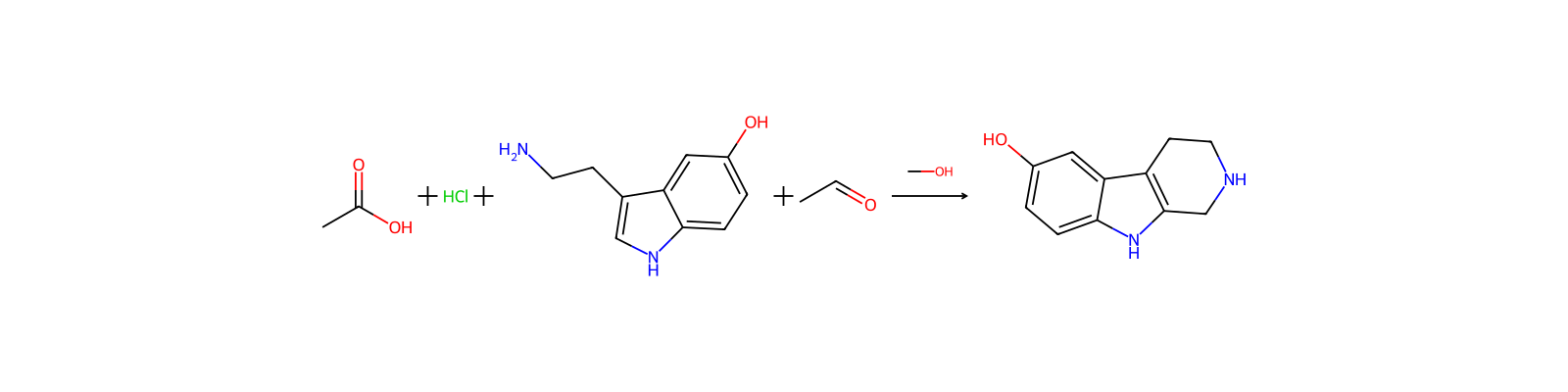
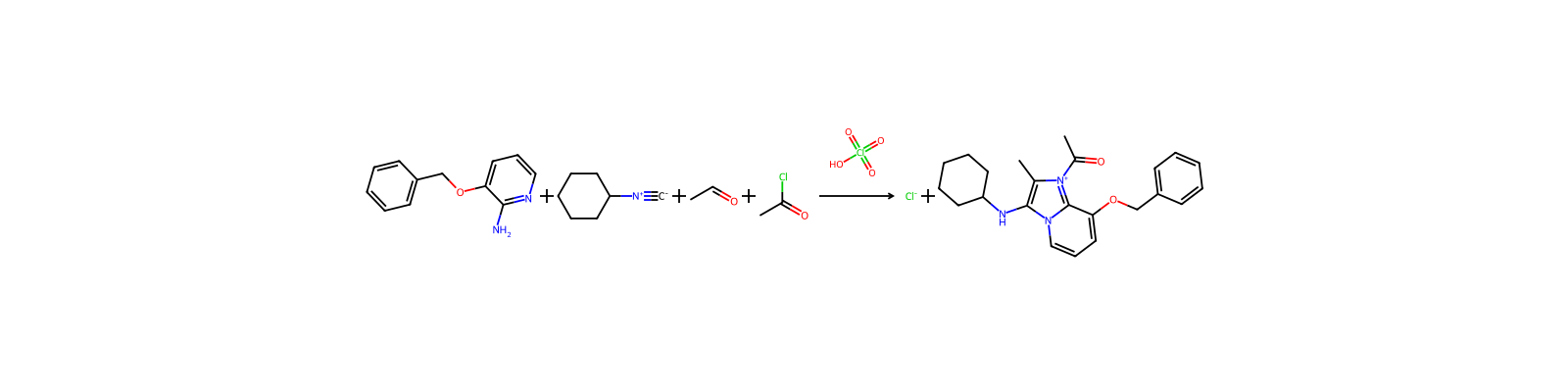
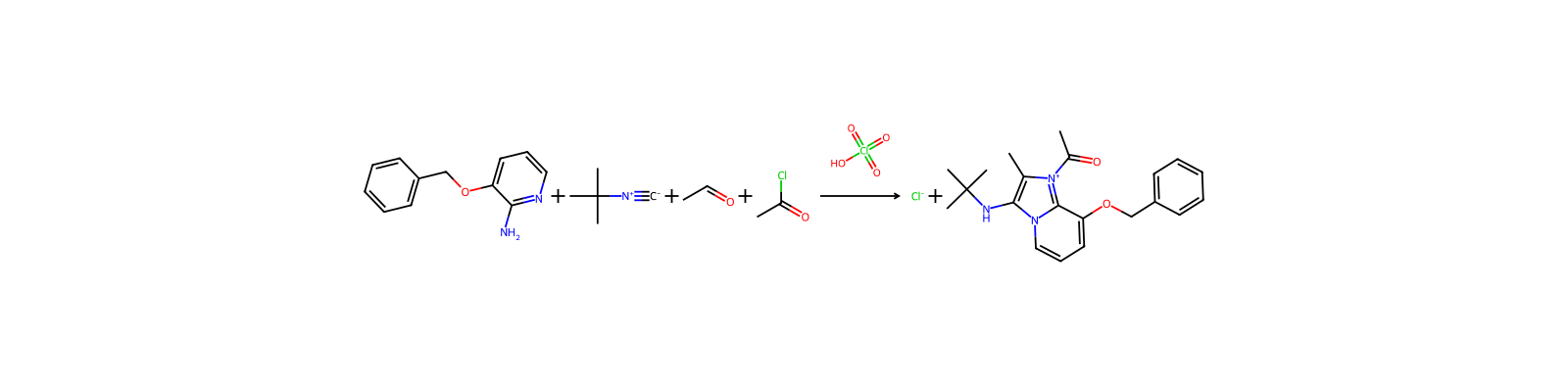
相关反应
2,079 条

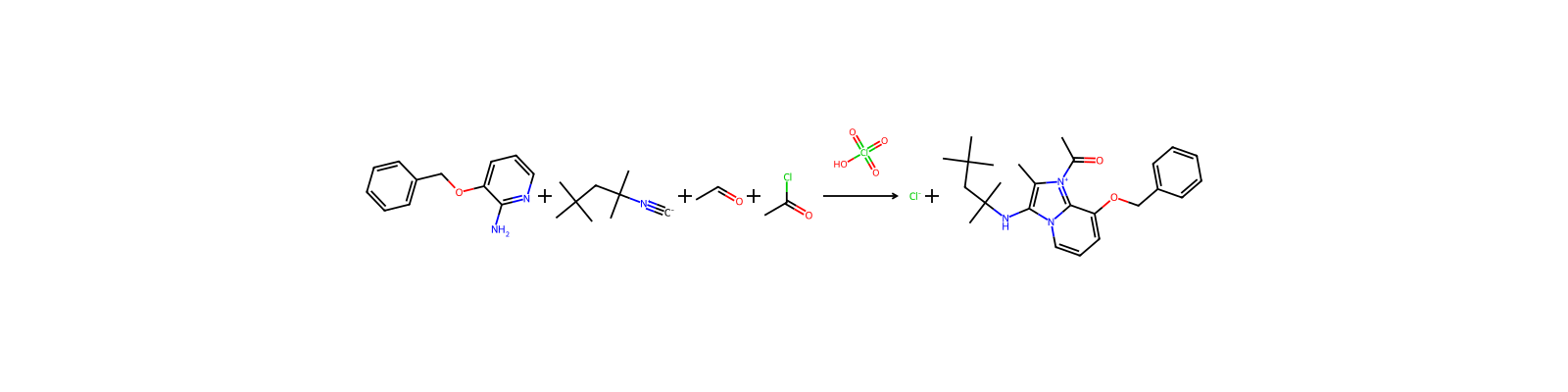
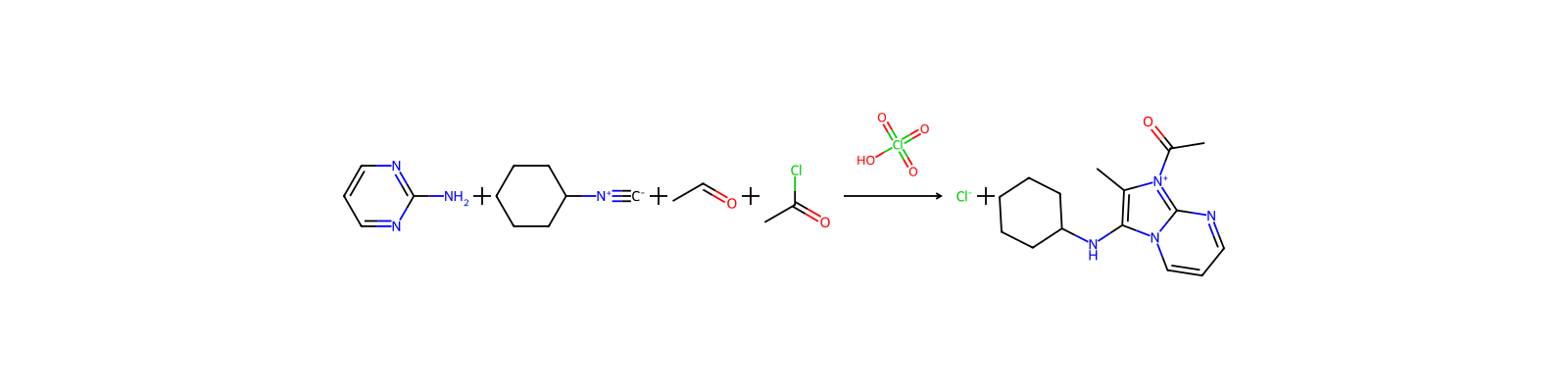
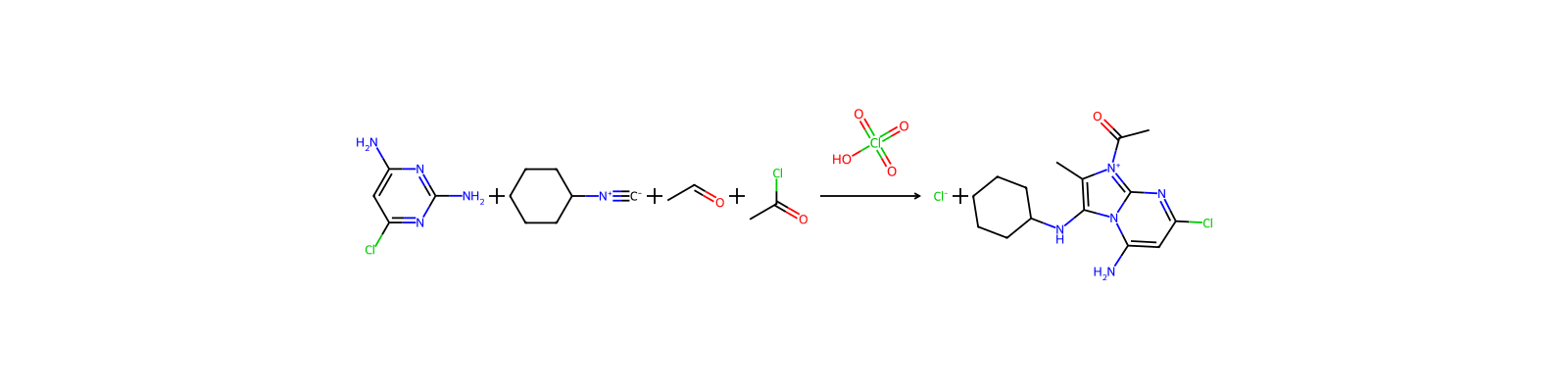
关联笔记
加载中…