

基本信息
- 标准SMILES
CCCC(=O)O- InChIKey
FERIUCNNQQJTOY-UHFFFAOYSA-N- 分子式
- C4H8O2
- 平均分子量
- 88.11 g/mol
- 单同位素质量
- 88.0524295
概述
Butyric acid appears as a colorless liquid with a penetrating and unpleasant odor. Flash point 170 °F. Corrosive to metals and tissue. Density 8.0 lb /gal.
名称与标识
- 首选名称
- Butyric Acid
- IUPAC
- butanoic acid
- 中文名
- 丁酸
- 英文名
- Butyric Acid
- 分子式
- C4H8O2
- 分子量
- 88.11
名称与别名
butyric acidbutanoic acid107-92-6n-Butyric acidn-Butanoic acidpropylformic acidethylacetic acid1-propanecarboxylic acidButanic acid1-Butyric acidButtersaeureKyselina maselna
展开更多名称
丁酸酪酸正丁酸杀灭菊酸乙基醋酸丙基甲酸乙基乙酸天然丁酸水中丁酸正丁酸ARbutyrateC4C4AN-BUTYRATEFEMA 2221n-Butyric Acid, FCC
FEMA No. 2221Propanecarboxylic acid1-butanoic acidFEMA Number 2221Butyricum acidumNORMAL BUTYRIC ACIDDTXSID8021515NSC-8415
数据库标识
- CAS
107-92-6- PubChem CID
- 264
- DTXSID
DTXSID8021515- ChEMBL
CHEMBL14227- ChEBI
CHEBI:30772- UNII
- 40UIR9Q29H
- EC Number
- 203-532-3
- Nikkaji
- J4.068A
性质
结构计算性质
- XLogP
- 0.8
- 极性表面积
- 37.3 Ų
- 氢键供体
- 1
- 氢键受体
- 2
- 可旋转键
- 2
- 重原子
- 6
- 形式电荷
- 0
- 复杂度
- 49.5
实验与物化性质
Chemical Classes
Other Classes -> Organic Acids
Corrosives
LipidsFatty Acyls [FA] -> Fatty Acids and Conjugates [FA01] -> Straight chain fatty acids [FA0101]
SpringerMaterials PropertiesBoiling point
FragrancesFragrance Ingredient (Butyric acid) -> IFRA transparency List
LogP
log Kow= 0.79
0.79
0.79
Odor
Unpleasant, rancid odor
Penetrating and obnoxious odor
TasteButter-fat taste
Food AdditivesANTIOXIDANT, FLAVORING AGENT OR ADJUVANT, PH CONTROL AGENT -> FDA Substance added to food
Density
0.958 at 68 °F (USCG, 1999) - Less dense than water; will float
0.959 at 20 °C/4 °C
Relative density (water = 1): 0.96
0.952-0.956
0.959 @25 °C
Flavoring AgentsEU Flavoring substances
Viscosity1.426 mPa-s at 25 °C
Color/Form
Oily liquid
Colorless liquid
物理化学性质
- 熔点
- -6 · -6--3 °C (lit.)
- 沸点
- 162 °C · 162 °C (lit.)
- 密度
- 0.964 g/mL · 0.964 g/mL at 25 °C (lit.)
- 蒸气密度
- 3.04 · 3.04 (vs air)
- 蒸气压
- 0.43 mm · 0.43 mm Hg ( 20 °C)
- 折射率
- 20 · n20/D 1.398(lit.)
- FEMA
- 2221 · 2221 | BUTYRIC ACID
- 闪点
- 170 °F · 170 °F
- 储存条件
- 30 °C · Store below +30°C.
- 溶解度
- Chloroform (Soluble), Isopropanol (Sparingly), Methanol (Slightly);Miscible with water, Propylene glycol, Glycerin, alcohol and oils.
- 形态
- Liquid
- 酸度系数(pKa)
- 4.83 · 4.83(at 25℃)
- 颜色
- Clear colorless
- 比重
- 0.96 · 0.960 (20/4℃)
- PH值
- 3.94 · 3.94(1 mM solution);3.42(10 mM solution);2.92(100 mM solution);
- 气味 (Odor)
- 1 % · at 1.00 % in dipropylene glycol. sharp acetic cheese butter fruit
- 嗅觉阈值(Odor Threshold)
- 0.00019 ppm · 0.00019ppm
- 香型
- cheesy
- 生物来源
- synthetic
- 爆炸极限值(explosive limit)
- 2 · 2-12.3%(V)
- 水溶解性
- MISCIBLE
- 比热容
- 2.03 J/ · Cp(liquid): 2.03 J/(g·K), at 25℃
- Merck
- 14 · 14,1593
- JECFA Number
- 87 · 87
- BRN
- 906770 · 906770
- Henry's Law Constant
- 4.3 · 4.3×101 mol/(m3Pa) at 25℃, Kim and Kim (2016)
- 介电常数
- 3 · 3.0(Ambient)
- 稳定性
- Flammable. Incompatible with strong oxidizing agents, aluminium and most other common metals, alkalies, reducing agents.
- 主要应用
- flavors and fragrances
- 化妆品成分功效
- FRAGRANCE
- InChI
- 1S/C4H8O2/c1-2-3-4(5)6/h2-3H2,1H3,(H,5,6)
- InChIKey
- FERIUCNNQQJTOY-UHFFFAOYSA-N
- SMILES
- CCCC(O)=O
- LogP
- 1.1 at · 1.1 at 25℃
- 表面张力
- 26.71 mN/m · 26.71mN/m at 293.15K
- CAS 数据库
- 107 · 107-92-6(CAS DataBase Reference)
- NIST化学物质信息
- Butanoic acid(107-92-6)
- EPA化学物质信息
- Butyric acid (107-92-6)
化学性质
无色油状液体,具有刺激性及难闻的气味。 能与水、乙醇和乙醚混溶。
安全与法规
GHS分类
GHS Classification
Danger
H314: Causes severe skin burns and eye damage [Danger Skin corrosion/irritation]
P260, P264, P280, P301+P330+P331, P302+P361+P354, P304+P340, P305+P354+P338, P316, P321, P363, P405, and P501 (click each P-code to see the statement)
Danger
H302 (15.5%): Harmful if swallowed [Warning Acute toxicity, oral]
P260, P264, P264+P265, P270, P280, P301+P317, P301+P330+P331, P302+P361+P354, P304+P340, P305+P354+P338, P316, P317, P321, P330, P363, P405, and P501 (click each P-code to see the statement)
危害信息
Regulatory Information
Chemical: Butanoic acid
Butanoic acid is listed on the EPA's Chemical Data Reporting (CDR) system. Manufacturers and importers of Butanoic acid are required to report information about their production and use of this chemical to the EPA under the Toxic Substances Control Act (TSCA). (40 eCFR Part 711)
Status: Active Update: 27-07-2021 https://echa.europa.eu/registration-dossier/-/registered-dossier/13507
Butyric acid: Does not have an individual approval but may be used under an appropriate group standard
The New Jersey Worker and Community Right to Know Act requires public and private employers to provide information about hazardous substances at their workplaces. (N.J.S.A. 34:5A-1 et. seq.)
Other Safety InformationIMAP assessments - Butanoic acid: Environment tier I assessment
DOT LabelCorrosive
Fire Hazards
Excerpt from ERG Guide 153 [Substances - Toxic and/or Corrosive (Combustible)]:
· Combustible material: may burn but does not ignite readily.
Combustible. Gives off irritating or toxic fumes (or gases) in a fire. Above 72 °C explosive vapour/air mixtures may be formed.
Fire Potential... Combustible liquid
Health Hazards
Inhalation causes irritation of mucous membrane and respiratory tract; may cause nausea and vomiting. Ingestion causes irritation of mouth and stomach. Contact with eyes may cause serious injury. Contact with skin may cause burns; chemical is readily absorbed through the skin and may cause damage by this route. (USCG, 1999)
· TOXIC and/or CORROSIVE; inhalation, ingestion or skin contact with material may cause severe injury or death.
Hazards SummaryCorrosive to skin; [Quick CPC] A corrosive substance that can cause injury to the skin, eyes and respiratory tract; [ICSC]
DOT ID and Guide2820 153
FDA Requirements
Synthetic flavoring substances and adjuvants /for human consumption/ that are generally recognized as safe for their intended use, withn the meaning of section 409 of the Act. Butyric acid is included on this list.
N-Butyric acid used as a synthetic flavoring substance or adjuvant in animal drugs, feeds, and related products is generally recognized as safe when used in accordance with good manufacturing or feeding practice.
Reactive GroupAcids, Carboxylic
EC ClassificationSymbol: C; R: 34; S: (1/2)-26-36-45
UN ClassificationUN Hazard Class: 8; UN Pack Group: III
安全与防护
Fire Fighting
Excerpt from ERG Guide 153 [Substances - Toxic and/or Corrosive (Combustible)]:
Use water spray, powder, alcohol-resistant foam, carbon dioxide. In case of fire: keep drums, etc., cool by spraying with water.
First Aid Measures
Fresh air, rest. Artificial respiration may be needed. Refer for medical attention.
Remove contaminated clothes. Rinse skin with plenty of water or shower. Refer for medical attention .
First rinse with plenty of water for several minutes (remove contact lenses if easily possible), then refer for medical attention.
Rinse mouth. Do NOT induce vomiting. Refer for medical attention .
Accidental Release Measures
· CALL 911. Then call emergency response telephone number on shipping paper. If shipping paper not available or no answer, refer to appropriate telephone number listed on the inside back cover.
· ELIMINATE all ignition sources (no smoking, flares, sparks or flames) from immediate area.
First Aid
EYES: First check the victim for contact lenses and remove if present. Flush victim's eyes with water or normal saline solution for 20 to 30 minutes while simultaneously calling a hospital or poison control center. Do not put any ointments, oils, or medication in the victim's eyes without specific instructions from a physician. IMMEDIATELY transport the victim after flushing eyes to a hospital even if no symptoms (such as redness or irritation) develop.
General First Aid:
Safe StorageSeparated from strong oxidants, strong bases and food and feedstuffs.
Exposure Control and Personal Protection· Wear positive pressure self-contained breathing apparatus (SCBA).
Fire Fighting Procedures
Use water spray, dry chemical, "alcohol resistant" foam, or CO2. Use water to keep fire-exposed containers cool. On large fires, solid streams of water may not be effective.
If material on fire or involved in fire: Use water in flooding quantities as fog. Solid streams of water may be ineffective. ... Apply water from as far a distance as possible.
Storage Conditions
Store in cool, dry, well-ventilated location, away from any area where fire hazard may be acute.
Outside or detached storage is preferred. Separate from oxidizing materials, heat, oxidizers, and sunlight.
Cleanup Methods
Land spill: Dig a pit, pond, lagoon, or holding area to contain liquid or solid material /SRP: If time permits, pits, ponds, lagoons, soak holes, or holding areas should be sealed with an impermeable flexible membrane liner./ Dike surface flow using soil, sand bags, foamed polyurethane, or foamed concrete. Absorb bulk liquid with fly ash or cement powder. Neutralize with agricultural lime (slaked lime), crushed limestone, or sodium bicarbonate.
Water spill: Neutralize with agricultural lime (slaked lime), crushed limestone, or sodium bicarbonate. If dissolved, apply activated carbon at ten times the spilled amount in region of 10 ppm or greater concn. Use mechanical dredges or lifts to remove immobilized masses of pollutants and precipitates.
Air spill: Apply water spray or mist to knock down vapors. Vapor knockdown water is corrosive or toxic and should be diked for containment.
Eliminate all ignition sources ... Protect personnel, and dilute spill to form nonflammable mixtures. Control runoff and isolate discharged material for proper disposal ...
Nonfire Spill ResponseExcerpt from ERG Guide 153 [Substances - Toxic and/or Corrosive (Combustible)]:
Disposal Methods
SRP: The most favorable course of action is to use an alternative chemical product with less inherent propensity for occupational exposure or environmental contamination. Recycle any unused portion of the material for its approved use or return it to the manufacturer or supplier. Ultimate disposal of the chemical must consider: the material's impact on air quality; potential migration in soil or water; effects on animal, aquatic, and plant life; and conformance with environmental and public health regulations.
The following wastewater treatment technologies have been investigated for butyric acid: Concentration process: Biological treatment.
The following wastewater treatment technologies have been investigated for butyric acid: Concentration process: Activated carbon.
The following wastewater treatment technologies have been investigated for butyric acid: Concentration process: Resin adsorption.
Spillage Disposal
Personal protection: complete protective clothing including self-contained breathing apparatus. Do NOT let this chemical enter the environment. Collect leaking and spilled liquid in sealable containers as far as possible. Cautiously neutralize remainder with soda lime. Then wash away with plenty of water.
毒理信息
Treatment
If the compound has been ingested, rapid gastric lavage should be performed using 5% sodium bicarbonate. For skin contact, the skin should be washed with soap and water. If the compound has entered the eyes, they should be washed with large quantities of isotonic saline or water. In serious cases, atropine and/or pralidoxime should be administered. Anti-cholinergic drugs work to counteract the effects of excess acetylcholine and reactivate AChE. Atropine can be used as an antidote in conjunction with pralidoxime or other pyridinium oximes (such as trimedoxime or obidoxime), though the use of '-oximes' has been found to be of no benefit, or possibly harmful, in at least two meta-analyses. Atropine is a muscarinic antagonist, and thus blocks the action of acetylcholine peripherally.
Interactions
n-Butyrate was previously found to increase the epidermal growth factor receptor binding in primary cultures of rat hepatocytes. /It was shown/ that butyrate and dexamethasone synergistically modulate the surface expression of epidermal growth factor receptors. The butyrate-induced enhancement of high-affinity epidermal growth factor binding was only slight in the absence of glucocorticoid, but was strongly and dose-dependently amplified by dexamethasone. Butyrate counteracted the inhibition by insulin of the dexamethasone-induced increase in epidermal growth factor binding. The results indicate that the glucocorticoid has a permissive effect on a butyrate- sensitive process that determines the surface expression of the high-affinity class of epidermal growth factor receptors.
Butyrate inhibited differentiation of F9 mouse teratocarcinoma stem cells in the presence of retinoic acid, when added within 8 hr of retinoic acid addition.
Health Effects
Acute exposure to cholinesterase inhibitors can cause a cholinergic crisis characterized by severe nausea/vomiting, salivation, sweating, bradycardia, hypotension, collapse, and convulsions. Increasing muscle weakness is a possibility and may result in death if respiratory muscles are involved. Accumulation of ACh at motor nerves causes overstimulation of nicotinic expression at the neuromuscular junction. When this occurs symptoms such as muscle weakness, fatigue, muscle cramps, fasciculation, and paralysis can be seen. When there is an accumulation of ACh at autonomic ganglia this causes overstimulation of nicotinic expression in the sympathetic system. Symptoms associated with this are hypertension, and hypoglycemia. Overstimulation of nicotinic acetylcholine receptors in the central nervous system, due to accumulation of ACh, results in anxiety, headache, convulsions, ataxia, depression of respiration and circulation, tremor, general weakness, and potentially coma. When there is expression of muscarinic overstimulation due to excess acetylcholine at muscarinic acetylcholine receptors symptoms of visual disturbances, tightness in chest, wheezing due to bronchoconstriction, increased bronchial secretions, increased salivation, lacrimation, sweating, peristalsis, and urination can occur. Certain reproductive effects in fertility, growth, and development for males and females have been linked specifically to organophosphate pesticide exposure. Most of the research on reproductive effects has been conducted on farmers working with pesticides and insecticdes in rural areas. In females menstrual cycle disturbances, longer pregnancies, spontaneous abortions, stillbirths, and some developmental effects in offspring have been linked to organophosphate pesticide exposure. Prenatal exposure has been linked to impaired fetal growth and development. Neurotoxic effects have also been linked to poisoning with OP pesticides causing four neurotoxic effects in humans: cholinergic syndrome, intermediate syndrome, organophosphate-induced delayed polyneuropathy (OPIDP), and chronic organophosphate-induced neuropsychiatric disorder (COPIND). These syndromes result after acute and chronic exposure to OP pesticides.
Ecotoxicity Values
LC50 Daphnia magna (Water flea) 2750 mg/L/24 hr; static /formulated product/
LC50 Daphnia magna (Water flea) 61 mg/L/48 hr /Conditions of bioassay not specified/
LC50 Lepomis macrochirus (Bluegill) 200 mg/L/24 hr; static /formulated product/
LC50 Lepomis macrochirus (Bluegill sunfish) 5000 mg/L/24 hr /Conditions of bioassay not specified/ /Sodium salt/
For more Ecotoxicity Values (Complete) data for n-BUTYRIC ACID (6 total), please visit the HSDB record page.
Environmental Fate
TERRESTRIAL FATE: Based on a classification scheme(1), an estimated Koc value of 64(SRC), determined from a log Kow of 0.79(2) and a regression-derived equation(3), and experimental values of 19.1, 27.6, and 14.7 in mud, muddy sand, and sand(4), indicate that n-butanoic acid is expected to have very high to high mobility in soil(SRC). The pKa of n-butanoic acid is 4.82(5), indicating that this compound will primarily exist in the anion form in the environment and anions generally do not adsorb more strongly to soils containing organic carbon and clay than their neutral counterparts(6). Volatilization of butyric acid from moist soil surfaces is expected to be slow(SRC) given a Henry's Law constant of 5.35X10⁻⁷ atm-cu m/mole(7). n-Butanoic acid is expected to volatilize from dry soil surfaces(SRC) based upon a vapor pressure of 1.65 mm Hg(8). N-butanoic acid may be susceptible to biodegradation in terrestrial environments based on the observed degradation of 72% after 5 hours when incubated with activated sludge(9,10).
AQUATIC FATE: Based on a classification scheme(1), experimental Koc values of 19.1, 27.6, and 14.7 on a clastic mud (3.5% organic carbon), a lateritic muddy sand (1.3% organic carbon), and a fine carbonate sand (0.17% organic carbon), respectively(2), indicate that n-butanoic acid is not expected to adsorb to suspended solids and sediment(SRC). The pKa of n-butanoic acid is 4.82(5), indicating that this compound will primarily exist in the anion form in the environment and anions generally do not adsorb more strongly to soils containing organic carbon and clay than their neutral counterparts(6). Volatilization from water surfaces is expected to be slow(3) based upon a Henry's Law constant of 5.35X10⁻⁷ atm-cu m/mole(4). Using this Henry's Law constant and an estimation method(3), volatilization half-lives for a model river and model lake are 64 and 471 days, respectively(SRC). According to a classification scheme(7), an estimated BCF of 3.2(SRC), from a log Kow of 0.79(8) and a regression-derived equation(9), suggests the potential for bioconcentration in aquatic organisms is low(SRC). n-Butanoic acid may be susceptible to biodegradation in aquatic environments based on the observed degradation of 72% after 5 hours when incubated with activated sludge(10,11).
ATMOSPHERIC FATE: According to a model of gas/particle partitioning of semivolatile organic compounds in the atmosphere(1), n-butanoic acid, which has a vapor pressure of 1.65 mm Hg at 25 °C(2), is expected to exist solely as a vapor in the ambient atmosphere. Vapor-phase butyric acid is degraded in the atmosphere by reaction with photochemically-produced hydroxyl radicals(SRC); the half-life for this reaction in air is estimated to be 7 days(SRC), calculated from its rate constant of 2.40X10⁻¹² cu cm/molecule-sec at 25 °C(3). n-Butanoic acid does not contain chromophores that absorb at wavelengths >290 nm and therefore is not expected to be susceptible to direct photolysis by sunlight(4).
Food Survey Values
n-Butanoic acid was qualitatively detected in the lipid volatile fraction of raw beef(1). Strawberry jam contained butyric acid at a concentration of 620.5 mg/kg(2). n-Butanoic acid was qualitatively identified as a flavor compound in pine sprout tea made with fresh pine sprouts for Korean red pine trees collected in May-June 1995(3). n-Butanoic acid was identified as a volatile component of baked potatoes(4). It has also been detected as a volatile flavor component in the fruit of the deciduous palm Dalieb at a concentration of 58 mg/kg pulp(5).
n-Butanoic acid was detected at a mean concentration of 243 ng/g in salt-fermented anchovy volatiles obtained from a fish market in Masan, Korea(1).
n-Butanoic acid was detected at concentrations of 0.08 and 109 ug/g (wet weight) in rotten mussels and fresh mussels, respectively, that were collected off the Oarai coast in Ibaraki, Japan in 1985(1).
Adverse EffectsDermatotoxin - Skin burns.
Exposure RoutesThe substance can be absorbed into the body by inhalation of its vapour.
Toxicity Summary
Butyric acid is a cholinesterase or acetylcholinesterase (AChE) inhibitor. A cholinesterase inhibitor (or 'anticholinesterase') suppresses the action of acetylcholinesterase. Because of its essential function, chemicals that interfere with the action of acetylcholinesterase are potent neurotoxins, causing excessive salivation and eye-watering in low doses, followed by muscle spasms and ultimately death. Nerve gases and many substances used in insecticides have been shown to act by binding a serine in the active site of acetylcholine esterase, inhibiting the enzyme completely. Acetylcholine esterase breaks down the neurotransmitter acetylcholine, which is released at nerve and muscle junctions, in order to allow the muscle or organ to relax. The result of acetylcholine esterase inhibition is that acetylcholine builds up and continues to act so that any nerve impulses are continually transmitted and muscle contractions do not stop. Among the most common acetylcholinesterase inhibitors are phosphorus-based compounds, which are designed to bind to the active site of the enzyme. The structural requirements are a phosphorus atom bearing two lipophilic groups, a leaving group (such as a halide or thiocyanate), and a terminal oxygen.
Signs and Symptoms
Sore throat. Cough. Burning sensation. Shortness of breath. Laboured breathing. Symptoms may be delayed.
Pain. Redness. Blisters. Skin burns.
Pain. Redness. Severe deep burns. Loss of vision.
Burning sensation. Abdominal pain. Shock or collapse.
Symptoms of low dose exposure include excessive salivation and eye-watering. Acute dose symptoms include severe nausea/vomiting, salivation, sweating, bradycardia, hypotension, collapse, and convulsions. Increasing muscle weakness is a possibility and may result in death if respiratory muscles are involved. Hypertension, hypoglycemia, anxiety, headache, tremor and ataxia may also result.
Effluent Concentrations
n-Butanoic acid was detected at a concentration range of 0.262 to 0.97 ppbv in gasoline engine exhaust samples from five different automobiles and was also found at a concentration of 0.42 ppbv in a diesel engine exhaust sample(1). Mean emission factors of butyric acid in smoldering smoke from litter and duff and from the self-sustained smoldering smoke from bark, litter, and duff (collected from ponderosa pine in northwestern Montana) fires were 0.08, 0.035, 0.14, 0.08, and 0.039 g/kg dry mass of fuel consumed, respectively(4). No n-butanoic acid was detected in the smoldering smoke from wood, needles, bark, and humus fires(2). n-Butanoic acid was qualitatively detected in kitchen waste exudate from household waste collected in Denmark(3).
n-Butanoic acid was detected in 1 of 7 aqueous effluent samples from energy-related processes at a concentration of 90 ppb(1). It was detected both in the primary and secondary effluent of sewage treatment plants at concentrations ranging from 17-1,540 ug/L, although the concentration was always lower in the secondary effluent(2). n-Butanoic acid was measured in the automobile exhaust at a concentration of 0.123 ppb(3). The effluent from a landfill in Norman, OK, 1972, contained n-butanoic acid at an estimated concentration of 1.5 ug/L(4,5). It was detected in solid waste leachates in the Netherlands, UK, Canada, France, and Spain representing from 0.34% to 8.5% of the volatile fatty acid fraction(6). It was also identified in the leachate from low-level radioactive waste disposal sites in KY and NY(7). n-Butanoic acid was detected in the leachate from a 1 year old simulated solid waste landfill at a concentration of 48.8 g/L, representing 65% of the acid fraction(8) and it has been detected in the leachate from a Barcelona, Spain, sanitary landfill(9). Australian oil shale retort water contained n-butanoic acid at a concentration of 174 mg/L(10).
ICSC Environmental DataThe substance is harmful to aquatic organisms.
法规信息
FDA Requirements
Synthetic flavoring substances and adjuvants /for human consumption/ that are generally recognized as safe for their intended use, withn the meaning of section 409 of the Act. Butyric acid is included on this list.
N-Butyric acid used as a synthetic flavoring substance or adjuvant in animal drugs, feeds, and related products is generally recognized as safe when used in accordance with good manufacturing or feeding practice.
Atmospheric Standards
This action promulgates standards of performance for equipment leaks of Volatile Organic Compounds (VOC) in the Synthetic Organic Chemical Manufacturing Industry (SOCMI). The intended effect of these standards is to require all newly constructed, modified, and reconstructed SOCMI process units to use the best demonstrated system of continuous emission reduction for equipment leaks of VOC, considering costs, non air quality health and environmental impact and energy requirements. Butyric acid is produced, as an intermediate or final product, by process units covered under this subpart.
CERCLA Reportable Quantities
Persons in charge of vessels or facilities are required to notify the National Response Center (NRC) immediately, when there is a release of this designated hazardous substance, in an amount equal to or greater than its reportable quantity of 5000 lb or 2270 kg. The toll free number of the NRC is (800) 424-8802. The rule for determining when notification is required is stated in 40 CFR 302.4 (section IV. D.3.b).
Clean Water Act Requirements
Butyric acid is designated as a hazardous substance under section 311(b)(2)(A) of the Federal Water Pollution Control Act and further regulated by the Clean Water Act Amendments of 1977 and 1978. These regulations apply to discharges of this substance. This designation includes any isomers and hydrates, as well as any solutions and mixtures containing this substance.
安全数据
- F
- 13
- wgk
- 1
- tsca
- TSCA listed
- 毒性
- LD50 orally in rats: 8.79 g/kg (Smyth)
- RTECS号
- ES5425000
- hazard_note
- Irritant
- 包装类别
- III
- 危险等级
- 8
- 存储类别
- 8A - Combustible corrosive hazardous materials
- 安全说明
- 26-36-45
- 海关编码
- 2915 60 19
- 自燃温度
- 824 °F
- 危险品标志
- C,Xi
- 危险性类别
- Acute Tox. 4 OralEye Dam. 1Skin Corr. 1BSTOT SE 3
- 危险类别码
- 34
- 毒害物质数据
- 107-92-6(Hazardous Substances Data)
- 危险品运输编号
- UN 2820
毒性防护
急性毒性口服- 大鼠 LD50: 2000 毫克/ 公斤; 口服- 小鼠 LDL0: 500 毫克/ 公斤
刺激数据皮肤- 兔子 10 毫克/ 24小时 重度; 眼- 兔子 0.25 毫克 重度
职业标准STEL 10 毫克/ 立方米
包装储运
爆炸物危险特性与空气混合可爆; 与氧化剂反应强烈; 与三氧化铬100°C以上反应白炽化
可燃性危险特性遇明火、高温、强氧化剂可燃; 燃烧排放刺激烟雾
储运特性包装完整、轻装轻卸; 库房通风、远离明火、高温、与氧化剂、碱分开存放
灭火剂泡沫、干粉、二氧化碳
化学与工业
药理信息
Bionecessity
Butyric acid as butyrates is formed in the human colon as a product of fiber fermentation, and this is suggested as a factor explaining why high fiber diets are protective in preventing colon cancer. Various hypotheses have been investigated regarding the possible mechanism of this relationship, including whether butyrate is important in maintaining normal phenotypic expression of the epithelial cells or enhancing removal of damaged cells through apoptosis. /Butyrates/
Butyric acid, a product of fermentation within the human colon, is a very important energy source for normal colorectal epithelium.
Mechanism of Action
Diet, especially the amount of starch and dietary fiber which escape digestion in the small intestine are major determinants of colon function in man. These carbohydrates are the principal substrates for fermentation by the large bowel flora. Carbohydrate fermentation results in lowered caecal pH and the production of short chain fatty acids of which butyric acid may protect the colon epithelium from dysplastic change. Protein digestion and amino acid fermentation also occur in the large bowel but the nature of its endproducts varies in relation to the amount of carbohydrate available. During active carbohydrate breakdown amino acid fermentation endproducts such as ammonia are used by the bacteria for protein synthesis during microbial growth, but in carbon limited fermentation amines, ammonia, phenols and indoles, etc, accumulate. Fermentation also results in changes in colon pH which alters the metabolism of bile acids, nitrate, sulfate and other substances. Fermentation is thus controlled to a great extent by substrate availability, especially of carbohydrates which are derived from the diet. The potential to induce mutagenic change in colon epithelial cells and promote tumor growth may readily be influenced by diet.
Butyric acid has two contrasting functional roles. As a product of fermentation within the human colon, it serves as the most important energy source for normal colorectal epithelium. It also promotes the differentiation of cultured malignant cells. A switch from aerobic to anaerobic metabolism accompanies neoplastic transformation in the colorectum. The separate functional roles for n-butyrate may reflect the different metabolic activities of normal and neoplastic tissues. Deficiency of n-butyrate, coupled to the increased energy requirements of neoplastic tissue, may promote the switch to anaerobic metabolism.
Treatment of cultured HeLa cells with 5 mM butyrate caused an inhibition of growth as well as extensive chemical and morphological differentiation. Lysosomal enzyme activity changes are associated with both normal and neoplastic growth as well as many aspects of the neoplastic process. The comparative ultrastructural results showed that the butyrate treated cells had a more extensive internal membranous system than the untreated cells, whereas other organelles seemed unaffected. The histochemical localization of lysosomal acid phosphatase showed a 2-fold increase in particulate reaction product in the butyrate-treated HeLa cells. Butyrate treatment may prevent sublethal autolysis by arresting the leakage of the lysosomal enzymes from the lysosome into the cytosol and thus allowing the cell to differentiate chemically and morphologically.
Exposure of the rat glioma C6 cell line to butyric acid increased levels of L-triiodothyronine in the nuclear and extranuclear compartments. The increase in nuclear binding was not merely a reflection of the higher cellular hormone content, and Scatchard analysis of L-triiodothyronine binding to isolated nuclei revealed that butyric acid increased receptor number without changing affinity. The effect on the receptor was quantitatively important: a 48 hr incubation with 2 mM butyric acid increased nuclear binding by 2-3 fold, and 5 mM butyrate by 35 fold. Butyric acid increased receptor levels by decreasing receptor degradation, since the apparent half-life of receptor disappearance increased by approximately 3 fold in cells incubated with 2 mM butyric acid for 48 hr. Butyric acid had little effect in increasing the level of multiacetylated forms of H3 and H4 histone when studied in acid-urea gels, but it markedly inhibited the turnover of (3)H-acetate from the histone fraction. There was a striking similarity in the dose-response of butyric acid for increasing receptor levels and inhibiting histone deacetylation. Furthermore, a very close correlation between receptor levels and (3)H-acetate release was also found when different short-chain fatty acids were used.
Metabolism/Metabolites
Butyric acid is ... rapidly metabolized by the liver. In rats a considerable portion ... is metabolized to acetic acid. Butyric acid metabolism gives rise to ketone bodies (beta-hydroxybutyrate, acetoacetate, acetone) and acetic acid, which may be excreted in the urine or incorporated into normal processes of fat metabolism.
The metabolism of carboxyl-labeled butyric acid by liver tissue was investigated in vitro. It was shown that the test substance was converted to ketone bodies mainly by fission into 2-carbon chains with subsequent recombination, and to a lesser extent by direct beta-oxidation.
In isolated animal tissues butyric acid was oxidized to acetoacetic and beta-hydroxybutyric acid. The formation of carbohydrate and complete oxidation were also reported. Besides the formation of beta-hydroxybutyric acid the formation of ketone bodies represents possibly an alternative path after oxidation at the beta-carbon atom of butyric acid.
... Following butyraldehyde intake ... it is oxidized by aldehyde dehydrogenase, largely in the liver but also in other tissues. Butyric acid undergoes further oxidation via the Krebs cycle, or it may be conjugated with glutathione.
Paraoxonase (PON1) is a key enzyme in the metabolism of organophosphates. PON1 can inactivate some organophosphates through hydrolysis. PON1 hydrolyzes the active metabolites in several organophosphates insecticides as well as, nerve agents such as soman, sarin, and VX. The presence of PON1 polymorphisms causes there to be different enzyme levels and catalytic efficiency of this esterase, which in turn suggests that different individuals may be more susceptible to the toxic effect of OP exposure.
MeSH Pharmacological ClassificationDrugs that bind to but do not activate histamine receptors, thereby blocking the actions of histamine or histamine agonists. Classical antihistaminics block the histamine H1 receptors only.
Absorption, Distribution and Excretion
Butyric acid is readily absorbed from the gastrointestinal tract ...
A pharmacokinetics study was performed by injecting butyric acid as sodium or arginine salts for possible antitumor therapies. In the case of 1-(14)C-labelled butyrate, the appearance of radioactivity in the blood of injected mice is rapid and some of it is maintained for relatively long periods in different organs, mainly the liver. However, no precision can be given about the structure of radioactive compounds in blood and tissues. Using GLC, the metabolism of butyrate in both animals and man were studied. In mice and rabbits, the half-life is less than 5 min. In man, the butyric acid elimination curve can be divided into two parts corresponding to two half-lives: for the first (0.5 min), the slope suggests an accelerated excretion, while for the following (13.7 min), a slow plateau is observed. The rapid elimination of butyrate is a limiting factor for practical applications. However, the lack of toxicity supports its use in human therapy.
Tissue LocationsFibroblasts
Cellular LocationsCytoplasm
Metabolite PathwaysButyrate Metabolism
用途与制造
Uses
Used as a flavoring agent (foods, perfumes, drugs) and chemical intermediate; also used in leather tanning (deliming hides) and as an additive to disinfectants, gasoline, and varnishes; [HSDB]
Painting (Pigments, Binders, and Biocides) [Category: Paint]
Mesh Heading: histamine antagonists
Chem int for cellulose derivatives in lacquers and plastics, for pharmaceuticals, emulsifiers and disinfectants; leather tanning agent for deliming and swelling hides, sweetening agent in gasolines.
Synthesis of butyrate ester perfume and flavor ingredients...
Butyric acid is used for body in butter, cheese, butterscotch, caramel, fruit, and nut flavors.
Impurities... Butyric acid is usually contaminated with acrylic acid.
U.S. Production
2023: 100,000,000 - <250,000,000 lb
This chemical is listed as a High Production Volume (HPV) (65FR81686). Chemicals listed as HPV were produced in or imported into the U.S. in >1 million pounds in 1990 and/or 1994. The HPV list is based on the 1990 Inventory Update Rule. (IUR) (40 CFR part 710 subpart B; 51FR21438).
(1986) >100 million-500 million pounds
(1990) >100 million-500 million pounds
(1994) >100 million-500 million pounds
For more U.S. Production (Complete) data for n-BUTYRIC ACID (6 total), please visit the HSDB record page.
Industry UsesOther
Methods of Manufacturing
Obtained as a by-product from the liquid phase oxidation of n-butane to acetic acid or by oxidation of n-butyl alcohol or normal-butyraldehyde
From n-propanol and carbon monoxide at 200 atm in the presence of Ni-(CO)4 and Ni-I2
Obtained by fermentation of starches and molasses with selective enzymes (Granulo saccharobutyricum). It is subsequently isolated as calcium salt.
The reaction of butanol with concn alkali hydroxide at 275 °C yields hydrogen, butyric acid, and 2-ethylhexanoic acid.
Oxidation of butyraldehyde to butyric acid is most commonly carried out employing air or oxygen as the oxidant. Alternatively, organic oxidants, eg, cumene hydroperoxide, can also be employed effectively to give high yields of butyric acid.
Formulations/Preparations
GRADES: 90%; 95%; 99%; edible; synthetic; reagent; Technical; FCC.
Grades or Purity: Commercial, 99.5+%
Use Classification
Fragrance Ingredients
Flavouring Agent -> FLAVOURING_AGENT -> JECFA Functional Classes
Flavoring Agents -> JECFA Flavorings Index
General Manufacturing Information
Not Known or Reasonably Ascertainable
Butanoic acid: ACTIVE
应用领域
用途本试剂盒应采用双抗体夹心法测定血清、血浆、组织匀浆及相关液体样本中的含量。
用途用以测定脂肪溶解作用的临界温度及表面张力,以电解法测定铜时, 用以消除铁的影响,也用作萃取剂、脱钙剂
用途用于制备香料、医药及其他有机化学品,也用于皮革的脱灰
用途丁酸是我国规定允许使用的食用香料,常用于黄油、干酪和水果香精的增香。用量按正常生产需要,一般在糖果中用量82mg/kg;口香糖中60~270mg/kg;烘烤食品中32mg/kg;人造奶油中18rag/kg;冷饮中6.5mg/kg。
用途丁酸的主要用途是制造丁酸纤维素,用于制造热成型标志牌,眼镜,汽车驾驶盘,黑色电话机部件等,在防老化、耐水性、收缩性等方面均比乙酸纤维素强,丁酸也广泛用于制造清漆和模塑粉。丁酸用于制造乙酸纤维素,能与多种树脂溶混,多用于配漆、抽丝与棉混纺。丁酸用于合成各类丁酸酯,纤维素阻燃剂和其他有机合成,主要衍生物是丁酸甲酸、丁酸乙酯、α-溴代丁酸、丁酰胺、丁酰苯胺、丁酰氯、丁酸三甘油脂、丁酰氨基苯乙醚、丁酰氨基茴香胺等等。用于香料、食品添加剂、医药、阻燃剂、防霉剂等。丁酸酯类具有愉快的水果香味,如丁酸甲酯有苹果香味,丁酸乙酯有菠萝香味,丁酸异戊酯有雪梨香味,丁酸异丙酯也具有菠萝香味。日用香精中的丁酸芳樟酯和丁酸牻牛儿酯也都是丁酸的衍生物。丁酸虽然是恶臭物质,使用受到限制,但也是调香原料不可缺少的物质。它不仅可作黄油、干酪香料主调料的原料,而且能使许多水果香精增味、增稠等。用作香味剂时,使用极微量的丁酸就能发出很强、很浓的气味。
用途作为饲料防腐剂、电解质平衡剂。也是我国规定允许使用的食用香料,常用于黄油、干酪和水果香精的增香。
用途重要的精细化工原料,用于合成丁酸纤维素和丁酸酯其酯类在香料、仪器添加剂、医药等领域有广泛应用。
用途用以测定脂肪溶解作用的临界温度。表面张力的测定。电解法测定铜时,用以消除铁的影响。
制备方法
生产方法丁酸天然存在与香茅、肉豆蔻、奶油等中,工业生产的方法有发酵法和丁醇(或丁醛)氧化。(1)发酵法。以淀粉或糖为原料,用丁酸菌发酵得丁酸。(2)丁醛氧化法。以醋酸锰或醋酸钴为催化剂,用空气或氧气氧化丁醛,反应结束后,经分馏得丁酸。(3)浓硝酸氧化法(实验室制备)。以正戊醇为原料,用浓硝酸将其氧化成正丁酸。将正戊醇缓慢滴加于沸腾的硝酸中,滴加完后保持微沸15-30min。冷却后用四氯化碳萃取(50mL×3),萃取液用10%的NaOH水溶液萃取(20mL×3)。水层合并,加入5g锌粉回流20min,冷却后滤除未反应的锌粉,加入13mL浓盐酸酸化反应液,再用四氯化碳萃取(30mL×3)。萃取液加入无水硫酸钠干燥,蒸出四氯化碳,收集174-184℃(85.33kPa)馏分11g,收率50.4%。
生产方法1.正丁醛氧化法 正丁醛在丁酸锰催化剂存在下,与空气或氧气进行氧化反应,即得正丁酸。正丁醛可由正丁醇氧化脱氢或丙烯羰基化反应而得。2.丙烯羰基合成法 以Ni(CO)4为催化剂,由丙烯经羰基化合成。3.正戊醇硝酸氧化法 由正戊醇在沸腾的浓硝酸中先发生消除反应,失去一分子水而生成烯烃,烯烃再进一步被硝酸氧化而失去一个碳原子,生成正丁酸。4.发酵法 以淀粉和糖蜜为原料,采用丁酸菌发酵法可制取丁酸和乳酸。
生产方法丁酸天然存在于香茅、肉豆蔻、奶油等,工业生产的方法有发酵法和丁醇(或丁醛)氧化。发酵法以淀粉或糖为原料,用丁酸菌发酵得丁酸。丁醛氧化法以醋酸锰或醋酸钴为催化剂,用空气或氧气氧化丁醛,反应结束后,经分馏得丁酸。CH3CH2CH2CHO+O2 [MnAc2] →CH3CH2CH2COOH浓硝酸氧化法(实验室制备)以正戊醇为原料,用浓硝酸将其氧化成正丁酸。将正戊醇缓慢滴加于沸腾的硝酸中,滴加完后保持微沸15~30min。冷却后用四氯化碳萃取(50mL×3),萃取液用10%的NaOH水溶液萃取(20mLX 3)。水层合并,加入5g锌粉回流20min,冷却后滤除未反应的锌粉,加入13mL浓盐酸酸化反应液,再用四氯化碳萃取(30mLX 3)。萃取液加入无水硫酸钠干燥,蒸出四氯化碳,收集174~184℃(85.33kPa)馏分11g,收率50.4%。
上下游产品信息
上游原料
下游产品
试剂价格
- L13189 · 500ml
- 丁酸, 99+% Butyric acid, 99+% — 374元
- 10811 · 10L
- 丁酸n-Butyric acid, 99+%, Thermo Scientific Chemicals — 1989元
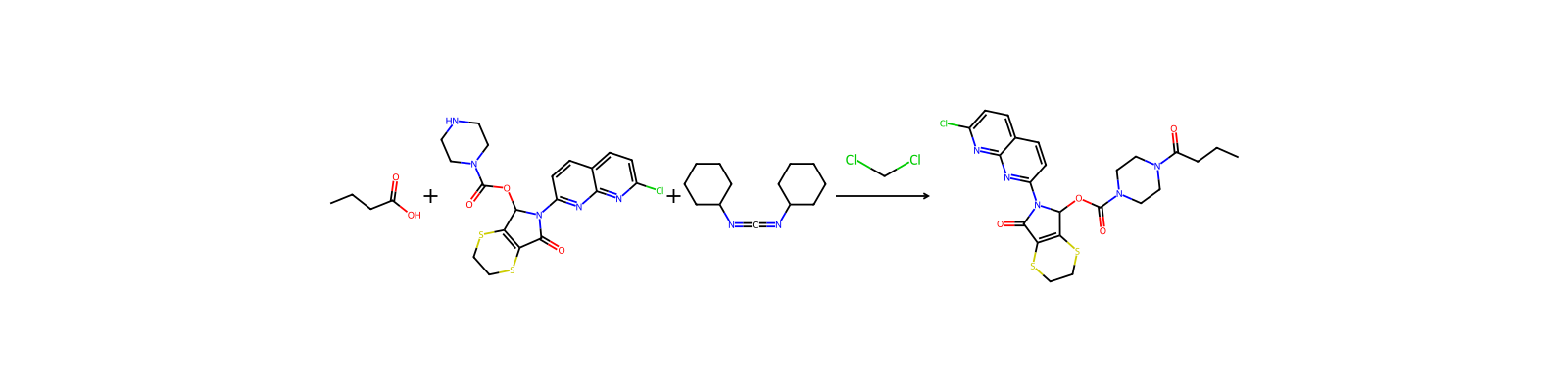
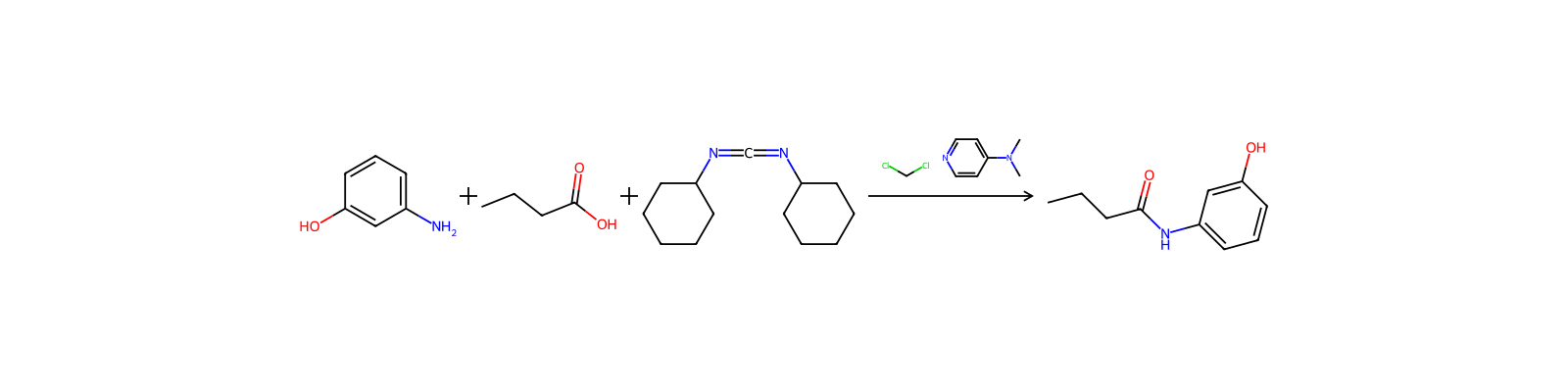
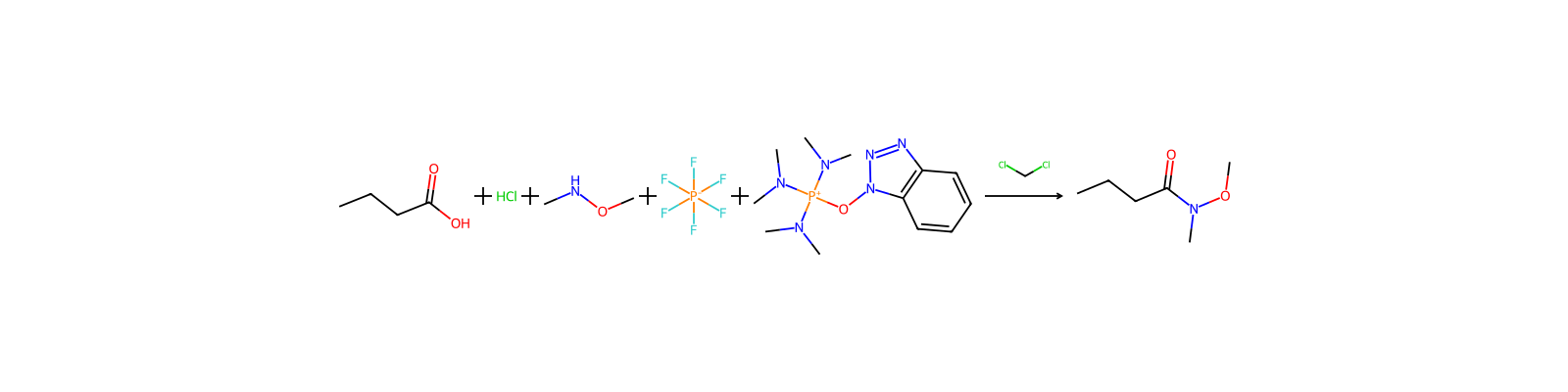
相关反应
230 条




关联笔记
加载中…