
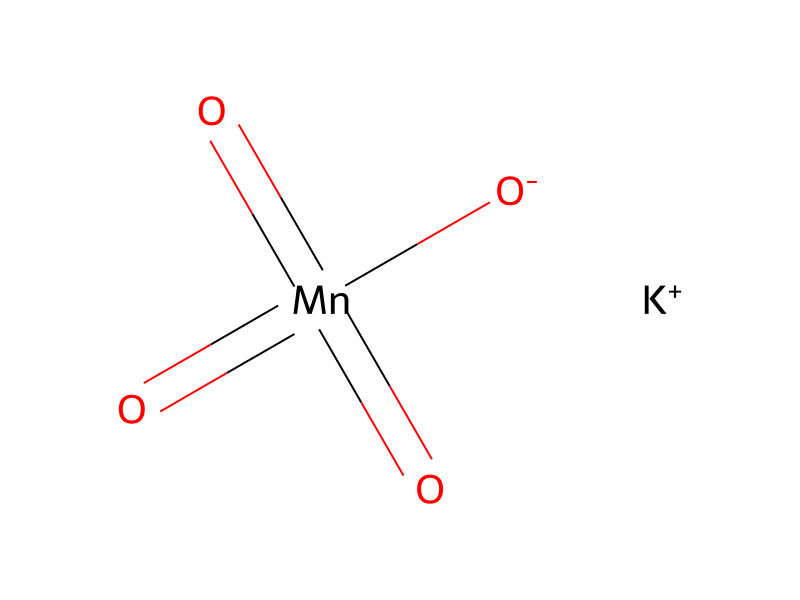
基本信息
- 标准SMILES
[K+].[O]=[Mn](=[O])(=[O])[O-]- InChIKey
VZJVWSHVAAUDKD-UHFFFAOYSA-N- 分子式
- KMnO4
- 平均分子量
- 158.034 g/mol
- 单同位素质量
- 157.88141026
概述
Potassium permanganate appears as a purplish colored crystalline solid. Noncombustible but accelerates the burning of combustible material. If the combustible material is finely divided the mixture may be explosive. Contact with liquid combustible materials may result in spontaneous ignition. Contact with sulfuric acid may cause fire or explosion. Used to make other chemicals and as a disinfectant.
名称与标识
- 首选名称
- Potassium Permanganate
- IUPAC
- potassium permanganate
- 中文名
- 高锰酸钾
- 英文名
- Potassium permanganate
- 分子式
- KMnO4
- 分子量
- 158.033949
名称与别名
POTASSIUM PERMANGANATE7722-64-7Chameleon mineralCondy's crystalsPermanganate of potashArgucideCairoxWalko TabletsInsta-permAlgae-KSolo San SooPure Light E 2
展开更多名称
高酸钾灰锰氧过锰酸钾高锰酸钾過錳酸鉀GMSJ高锰酸钾 溶液灰锰氧,过锰酸钾高锰酸钾(药用)高锰酸钾,98%KMnO4POTASSIUM PERMAGANATEpotassium permanganate solutionpotassio(permanganatodi)Permanganic acid (HMnO4), potassium salt (1:1)kaliumpermanganaatPERMANGANIC ACID POTASSIUM SALTci77755
Potassium permanganate (KMnO4)Caswell No. 699Diversey Diversol CXUKaliumpermanganatPermanganic acid (HMnO4), potassium saltPermanganato potasicoPermanganate de potassiumDiversey Diversol CX with Arodyne
数据库标识
- CAS
7722-64-7- PubChem CID
- 516875
- DTXSID
DTXSID2034839- ChEMBL
CHEMBL3833305- ChEBI
CHEBI:231501- UNII
- 00OT1QX5U4
- EC Number
- 231-760-3
- Nikkaji
- J43.962B
性质
结构计算性质
- 极性表面积
- 74.3 Ų
- 氢键供体
- 0
- 氢键受体
- 4
- 可旋转键
- 0
- 重原子
- 6
- 形式电荷
- 0
- 复杂度
- 118
实验与物化性质
Chemical ClassesOther Classes -> Inorganic Oxidizing Agents
DrugsPharmaceuticals -> Synthetic Cannabinoids or Psychoactive Compounds
SpringerMaterials Propertiescrystal structure
Pesticides
Bactericides, Fungicides, Molluscicides
Active substance -> EU Pesticides database: Not approved
LogP1.73 (calculated)
OdorOdorless
TasteSweet with astringent aftertaste
Food AdditivesANTICAKING AGENT OR FREE-FLOW AGENT, EMULSIFIER OR EMULSIFIER SALT, FORMULATION AID -> FDA Substance added to food
Density
2.7 at 59 °F (USCG, 1999) - Denser than water; will sink
2.7 g/cu cm
2.7 g/cm³
2.7 @25 °C
Color/Form
Dark purple or bronze-like crystals; Almost opaque by transmitted light and of a blue metallic luster by reflected air.
Purple orthorhombic crystals
Bipyrimidal rhombic prisms
Solubility
Soluble in many organic solvents; also by concentrated acids with the liberation of oxygen.
Soluble in acetone and methanol
Soluble in acetic acid, trifluoroacetic acid, acetic anhydride, pyridine, benzonitrile, sulfolane.
In water, 6.40X10+4 mg/l @ 20 °C
25 g/100 @ 65 °C water
Solubility in water, g/100ml at 20 °C: 6.4 (moderate)
Human DrugsDermatological medicines > Anti-infective medicines
物理化学性质
- 熔点
- 240 °C · 240°C
- 密度
- 1.01 g/mL · 1.01 g/mL at 25 °C
- 堆积密度
- 1300 · 1300-1600kg/m3
- 蒸气压
- 0.01 hPa · <0.01 hPa (20 °C)
- 储存条件
- Store at RT.
- 溶解度
- 2 O: · H2O: 0.1 M at 20 °C, complete, violet
- 形态
- solution (volumetric)
- 颜色
- Purple
- 比重
- 2.703 · 2.703
- PH值
- 8 · 8 (H2O, 20°C)
- 水溶解性
- 6.4 g/100 · 6.4 g/100 mL (20 ºC)
- 比热容
- 0.74 J/ · Cp(crystal): 0.74 J/(g·K), at 25℃
- 敏感性
- Light Sensitive
- Merck
- 14 · 14,7655
- 晶系
- Nogata
- 空间群
- Pnma
- 晶格常数
- 30.9105 · a/nmb/nmc/nmα/oβ/oγ/oV/nm30.91050.5720.7425909090
- 稳定性
- Stable, but contact with combustible material may cause fire. Substances to be avoided include reducing agents, strong acids, organic material, combustible materials, peroxides, alcohols and chemically active metals. Strong oxidant.
- InChI
- 1S/K.Mn.4O/q+1;;;;;-1
- InChIKey
- VZJVWSHVAAUDKD-UHFFFAOYSA-N
- SMILES
- [K+].[O-][Mn](=O)(=O)=O
- CAS 数据库
- 7722 · 7722-64-7(CAS DataBase Reference)
- EPA化学物质信息
- Potassium permanganate (7722-64-7)
化学性质
红紫色斜方晶系,粒状或针状结晶。有金属光泽。 溶于水成深紫红色溶液,微溶于甲醇、丙酮和硫酸。
安全与法规
GHS分类
GHS Classification
Danger
H272: May intensify fire; oxidizer [Danger Oxidizing liquids; Oxidizing solids]
P203, P210, P220, P264, P270, P273, P280, P301+P317, P318, P330, P370+P378, P391, P405, and P501 (click each P-code to see the statement)
This chemical does not meet GHS hazard criteria for 7.8% (37 of 472) of reports.
Danger
H272 (91.7%): May intensify fire; oxidizer [Danger Oxidizing liquids; Oxidizing solids]
危害信息
Regulatory Information
Chemical: Permanganic acid (HMnO4), potassium salt
List II Chemical: A chemical, other than a List I chemical, specified by regulation that, in addition to legitimate uses, is used in manufacturing a controlled substance in violation of the Act. (21 eCFR 1310.02)
Permanganic acid (HMnO4), potassium salt (1:1) is listed on the EPA's Chemical Data Reporting (CDR) system. Manufacturers and importers of Permanganic acid (HMnO4), potassium salt (1:1) are required to report information about their production and use of this chemical to the EPA under the Toxic Substances Control Act (TSCA). (40 eCFR Part 711)
2008/768
Status: Active Update: 25-04-2023 https://echa.europa.eu/registration-dossier/-/registered-dossier/14531
Permanganic acid, potassium salt: HSNO Approval: HSR001342 Approved with controls
DOT LabelOxidizer
Fire Hazards
Behavior in Fire: May cause fire on contact with combustibles. Containers may explode. (USCG, 1999)
CAUTION: Ammonium nitrate products may explode if involved in fire or contaminated with hydrocarbons (fuels), organic matter, other contaminants or when hot molten and contained. Treat as an explosive (GUIDE 112).
Not combustible but enhances combustion of other substances. Gives off irritating or toxic fumes (or gases) in a fire. Risk of fire and explosion on contact with combustible substances or reducing agents.
Fire PotentialMODERATE, BY CHEMICAL REACTION.
Health Hazards
Burns and stains the skin dark brown. If ingested will cause severe distress of gastro-intestinal system. May be fatal if over 4 oz. are consumed. (USCG, 1999)
· Inhalation, ingestion or contact (skin, eyes) with vapors or substance may cause severe injury, burns or death.
Hazards Summary
Dilute solutions are irritants and concentrated solutions caustic to the skin, eyes, and respiratory tract. Toxic by ingestion--gastrointestinal burns, methemoglobinemia, and injury to liver and kidneys; [HSDB] If not flushed with water, can burn skin and stain it dark brown; [CHRIS] Inhalation of high concentrations of dust or mist may cause pulmonary edema in extreme exposures; May cause liver and kidney damage after ingestion; Lethal dose is about 10 grams; May cause manganese poisoning after chronic ingestion or inhalation; [CHEMINFO] Permanganate crystals and concentrated solutions are corrosive (release potassium hydroxide when contact water) and can induce methemoglobinemia after ingestion; [Olson, p. 133] See Manganese and linked occupational diseases.
DOT ID and Guide1490 140
FDA Requirements
Potassium permanganate is an indirect food additive for use only as a component of adhesives.
Food starch may be bleached by treatment with one or more of the following: ... potassium permanganate, not to exceed 0.2 percent. Limitations: Residual manganese (calculated as Mn), not to exceed 50 ppm in food starch-modified.
Reactive GroupOxidizing Agents, Strong
EC ClassificationSymbol: O, Xn, N; R: 8-22-50/53; S: (2)-60-61
UN ClassificationUN Hazard Class: 5.1; UN Pack Group: II
Special Reports
POLSON CJ, TATTERSALL RN; JB LIPPENCOTT CO, PHILA, 116-27 (1969). TOXICITY OF POTASSIUM PERMANGANATE IS DISCUSSED.
MICHAELS DD, ZUGSMITH GS; EYE EAR NOSE THROAT MON 52 (3): 97-8 (1973). POTASSIUM PERMANGANATE BURNS OF THE EYE ARE DESCRIBED.
安全与防护
Fire Fighting
Excerpt from ERG Guide 140 [Oxidizers]:
In case of fire in the surroundings, use appropriate extinguishing media.
First Aid Measures
Fresh air. Half-upright position. Artificial respiration may be needed. Refer immediately for medical attention.
Wear protective gloves when administering first aid. First rinse with plenty of water for at least 15 minutes, then remove contaminated clothes and rinse again. Refer for medical attention .
Rinse with plenty of water for several minutes (remove contact lenses if easily possible). Refer immediately for medical attention.
Rinse mouth. If within a few minutes after ingestion, one small glass of water may be given to drink. Do NOT induce vomiting. Refer immediately for medical attention.
Accidental Release Measures
· CALL 911. Then call emergency response telephone number on shipping paper. If shipping paper not available or no answer, refer to appropriate telephone number listed on the inside back cover.
· Keep combustibles (wood, paper, oil, etc.) away from spilled material.
First Aid
INGESTION: induce vomiting and follow with thorough gastric lavage, demulcents, glucose I.V., fluid therapy, and antibiotics. Tracheostomy may be lifesaving. (USCG, 1999)
General First Aid:
Safe StorageSeparated from combustible substances, reducing agents and powdered metals. Well closed. Provision to contain effluent from fire extinguishing. Store in an area without drain or sewer access.
Firefighting Hazards
The material itself is noncombustible but it will accelerate the burning of combustible material. If the combustible material is finely divided the mixture may be explosive. Contact with liquid combustible materials may result in spontaneous ignition.
Exposure Control and Personal Protection
· Wear positive pressure self-contained breathing apparatus (SCBA).
TIH (Toxic Inhalation Hazard) - Term used to describe gases and volatile liquids that are toxic when inhaled. Some are TIH materials themselves, e.g., chlorine, and some release TIH gases when spilled in water, e.g., chlorosilanes. [ERG 2016].
0.2 [mg/m3], as MN (inhalable fraction), 0.02 mg/m3, as Mn (respirable fraction)[German Research Foundation (DFG)]
Fire Fighting Procedures
If material on fire or involved in fire: Flood with water. Cool all affected containers with flooding quantities of water. Apply water from as far a distance as possible.
Evacuation: If fire becomes uncontrollable - consider evacuation of one-half (1/2) mile radius.
Cleanup Methods
Environmental considerations: Land spill: Dig a pit, pond, lagoon, holding area to contain liquid or solid material. /SRP: If time permits, pits, ponds, lagoons, soak holes, or holding areas should be sealed with an impermeable flexible membrane liner./ Cover solids with a plastic sheet to prevent dissolving in rain or fire fighting water. Add sodium bisulfite (NaHSO3).
Environmental considerations: Water spill: Add dilute caustic soda (NaOH). Add sodium bisulfite (NaHSO3). Use mechanical dredges or lifts to remove immobilized masses of pollutants and precipitates.
Nonfire Spill ResponseExcerpt from ERG Guide 140 [Oxidizers]:
Disposal Methods
SRP: At the time of review, criteria for land treatment or burial (sanitary landfill) disposal practices are subject to significant revision. Prior to implementing land disposal of waste residue (including waste sludge), consult with environmental regulatory agencies for guidance on acceptable disposal practices.
Spillage Disposal
Personal protection: chemical protection suit including self-contained breathing apparatus. Do NOT let this chemical enter the environment. Sweep spilled substance into covered containers. Carefully collect remainder. Then store and dispose of according to local regulations. Do NOT absorb in saw-dust or other combustible absorbents.
毒理信息
Treatment
EYES: irrigate opened eyes for several minutes under running water. INGESTION: do not induce vomiting. Rinse mouth with water (never give anything by mouth to an unconscious person). Seek immediate medical advice. SKIN: should be treated immediately by rinsing the affected parts in cold running water for at least 15 minutes, followed by thorough washing with soap and water. If necessary, the person should shower and change contaminated clothing and shoes, and then must seek medical attention. INHALATION: supply fresh air. If required provide artificial respiration.
Interactions
IN STUDIES OF RETINOTOXIC EFFECTS OF FLUORIDE IN ANIMALS, POTASSIUM PERMANGANATE HAS BEEN UTILIZED SYSTEMICALLY AS OXIDIZING AGENT TO ENHANCE TOXICITY.
4-Deoxypyridoxine (4-DPD) is a potent antagonist of Vitamin B6 coenzyme which inhibits IL-1, lymphocyte proliferation & has demonstrated that tolerance to skin grafts can be induced by administering splenic cells to pyridoxine-deficient mice. Chronic inflammation induced by dorsal injections of 200 microliters of a 1:40 saturated crystal soln of potassium permanganate (KMnO4) in mice treated or untreated with 4-DPD (400 micrograms/dose), has been investigated. After 7 days all mice developed a subcutaneous granulomatous tissue indicative of a chronic inflammatory response, at the site of injection. KMnO4-treated mice injected ip with 4-DPD (400 micrograms/dose) on 5 consecutive days (the first at the same time of induction of the granuloma) show a significant decr in size & weight of granuloma when compared to mice not treated with 4-DPD (Controls). In addition, in all mice treated with 4-DPD there was a strong inhibition of TNF alpha in serum (P < 0.01) & in supernatant fluids (P < 0.05) from minced granuloma, while IL-6 was inhibited in the supernatant fluids (P < 0.05) of minced granulomas but was not detected in the serum of treated & untreated mice. In this study we show for the first time the antiinflammatory effect of 4-DPD on chronic inflammation & the inhibitory effect of TNF & IL-6 generation in supernatant fluids from minced granulomas.
Health Effects
Manganese mainly affects the nervous system and may cause behavioral changes and other nervous system effects, which include movements that may become slow and clumsy. This combination of symptoms when sufficiently severe is referred to as “manganism”. (L228)
Ecotoxicity Values
LC50 CARASSIUS AURATUS (GOLDFISH) 3.6 MG/L/96 HR /CONDITIONS OF BIOASSAY NOT SPECIFIED/
LC50 ICTALURUS PUNCTATUS (CHANNEL CATFISH) 0.75 MG/L/96 HR /CONDITIONS OF BIOASSAY NOT SPECIFIED/
LD50 Lepomis macrochirus (bluegill sunfish) 2.7-3.6 mg/l /Conditions of bioassay not specified/
Adverse EffectsNeurotoxin - Parkinsonism
Exposure Routes
Serious local effects by all routes of exposure.
Oral (L228) ; inhalation (L228)
Toxicity Summary
Manganese is a cellular toxicant that can impair transport systems, enzyme activities, and receptor functions. It primarily targets the central nervous system, particularily the globus pallidus of the basal ganglia. It is believed that the manganese ion, Mn(II), enhances the autoxidation or turnover of various intracellular catecholamines, leading to increased production of free radicals, reactive oxygen species, and other cytotoxic metabolites, along with a depletion of cellular antioxidant defense mechanisms, leading to oxidative damage and selective destruction of dopaminergic neurons. In addition to dopamine, manganese is thought to perturbations other neurotransmitters, such as GABA and glutamate. In order to produce oxidative damage, manganese must first overwhelm the antioxidant enzyme manganese superoxide dismutase. The neurotoxicity of Mn(II) has also been linked to its ability to substitute for Ca(II) under physiological conditions. It can enter mitochondria via the calcium uniporter and inhibit mitochondrial oxidative phosphorylation. It may also inhibit the efflux of Ca(II), which can result in a loss of mitochondrial membrane integrity. Mn(II) has been shown to inhibit mitochondrial aconitase activity to a significant level, altering amino acid metabolism and cellular iron homeostasis. (L228)
Signs and Symptoms
Burning sensation. Cough. Sore throat. Shortness of breath. Laboured breathing. Symptoms may be delayed.
Redness. Skin burns. Pain.
Redness. Pain. Severe burns.
Burning sensation. Abdominal pain. Diarrhoea. Nausea. Vomiting. Shock or collapse.
Manganese mainly affects the nervous system and may cause behavioral changes and other nervous system effects, which include movements that may become slow and clumsy. This combination of symptoms when sufficiently severe is referred to as “manganism”. (L228)
ICSC Environmental DataThe substance is very toxic to aquatic organisms.
Human Toxicity Excerpts
A. ACUTE POISONING: 1. INGESTION OF SOLID OR CONCN POTASSIUM PERMANGANATE CAUSES BROWN DISCOLORATION & EDEMA OF MUCOUS MEMBRANES OF MOUTH & PHARYNX; COUGH, LARYNGEAL EDEMA, & STRIDOR; NECROSIS OF ORAL & PHARYNGEAL MUCOSA; SLOW PULSE; & SHOCK WITH FALL OF BLOOD PRESSURE. IF DEATH IS NOT IMMEDIATE, JAUNDICE & OLIGURIA OR ANURIA MAY APPEAR. 2. APPLICATION OF SOLID OR CONCN POTASSIUM PERMANGANATE SOLN TO MUCOUS MEMBRANES OF VAGINA OR URETHRA CAUSES SEVERE BURNING, HEMORRHAGES, & VASCULAR COLLAPSE. PERFORATION OF VAGINAL WALL MAY OCCUR, RESULTING IN PERITONITIS WITH FEVER & ABDOMINAL PAIN. EXAM REVEALS CHEMICAL BURNS WHICH ARE STAINED BROWN.
A CASE OF PYLORIC STENOSIS FOLLOWING INGESTION OF POTASSIUM PERMANGANATE WAS DESCRIBED. THIS IS A RARE CAUSE OF PYLORIC STENOSIS.
GASTRIC LESIONS WERE CAUSED BY INGESTION OF POTASSIUM PERMANGANATE IN ADULT FEMALE.
TWO PATIENTS INGESTED POWDER CONSISTING OF MIXT OF SOOT & POTASSIUM PERMANGANATE. BOTH WERE COMATOSE & EXPERIENCED DEEP CYANOSIS BUT RESPONDED WELL TO OXYGEN, METHYLENE BLUE, & VIT C.
For more Human Toxicity Excerpts (Complete) data for POTASSIUM PERMANGANATE (16 total), please visit the HSDB record page.
Carcinogen ClassificationNo indication of carcinogenicity to humans (not listed by IARC).
Non-Human Toxicity Excerpts
MUTAGENICITY: MUTATION RESEARCH 87: 211 (1981). DNA REPAIR DEFICIENT BACTERIAL TESTS: NEGATIVE.
EXPERIMENTALLY IN RABBITS, IRRIGATION OF CORNEA WITH 0.003 MOLAR SOLN POTASSIUM PERMANGANATE HAS BEEN FOUND TO CAUSE NO INJURY, BUT INJECTION OF 0.08 MOLAR SOLN INTO CORNEA CAUSED MODERATELY SEVERE REACTION, GRADED 60 ON SCALE OF 0 TO 100.
... STRONG SOLN AND CRYSTALS OF POTASSIUM PERMANGANATE IN CONTACT WITH EYE HAVE CAUSED SEVERE DAMAGE. ... IN AREA OF CONTACT A ... LESION HAS DEVELOPED, COLORED DARK BROWN BY MANGANESE OXIDE FORMED ... SWELLING OF LIDS & CONJUNCTIVAE, AND ... SUBCONJUNCTIVAL HEMORRHAGES. WITH PROLONGED CONTACT TURBIDITY & ... DISCOLORATION OF CORNEA ... RECOVERY USUALLY /IS/ ... SPONTANEOUS ... BUT IN ONE INSTANCE TOTAL LEUKOMA /DENSE WHITE OPACITY OF CORNEA/ IS REPORTED FOLLOWING APPLICATION OF STRONG SOLN OF POTASSIUM PERMANGANATE.
POTASSIUM PERMANGANATE INJECTED SC IN HIGH DOSES INTO MALE MICE CAUSED DAMAGE & CALCIFICATION OF PANNICULUS CARNOSUS MUSCLE.
For more Non-Human Toxicity Excerpts (Complete) data for POTASSIUM PERMANGANATE (10 total), please visit the HSDB record page.
法规信息
FDA Requirements
Potassium permanganate is an indirect food additive for use only as a component of adhesives.
Food starch may be bleached by treatment with one or more of the following: ... potassium permanganate, not to exceed 0.2 percent. Limitations: Residual manganese (calculated as Mn), not to exceed 50 ppm in food starch-modified.
Atmospheric Standards
Listed as a hazardous air pollutant (HAP) generally known or suspected to cause serious health problems. The Clean Air Act, as amended in 1990, directs EPA to set standards requiring major sources to sharply reduce routine emissions of toxic pollutants. EPA is required to establish and phase in specific performance based standards for all air emission sources that emit one or more of the listed pollutants. Potassium permanganate is included on this list.
... Substances for which a Federal Register notice has been published that included consideration of the serious health effects, including cancer, form ambient air exposure to the substance. Manganese (50 FR 32627; Aug. 13, 1985) is included on this list. /Manganese/
CERCLA Reportable Quantities
Persons in charge of vessels or facilities are required to notify the National Response Center (NRC) immediately, when there is a release of this designated hazardous substance, in an amount equal to or greater than its reportable quantity of 100 lb or 45.4 kg. The toll free number of the NRC is (800) 424-8802; In the Washington D.C. metropolitan area (202) 426-2675. The rule for determining when notification is required is stated in 40 CFR 302.4 (section IV. D.3.b).
Clean Water Act Requirements
Potassium permanganate is designated as a hazardous substance under section 311(b)(2)(A) of the Federal Water Pollution Control Act and further regulated by the Clean Water Act Amendments of 1977 and 1978. These regulations apply to discharges of this substance. This designation includes any isomers and hydrates, as well as any solutions and mixtures containing this substance.
DHS Chemicals of Interest (COI)
Potassium permanganate
A Commercial Grade
400
Explosive/Improvised Explosive Device Precursor material that, if stolen or diverted, can be converted into weapons using simple chemistry, equipment, or techniques.
State Drinking Water Guidelines(MN) MINNESOTA 300ug/L /Manganese/
安全数据
- wgk
- 3
- tsca
- TSCA listed
- 毒性
- LD50 orally in rats: 1.09 g/kg (Smyth)
- RTECS号
- SD6475000
- 包装类别
- II
- 危险等级
- 5.1
- 存储类别
- 5.1B - Oxidizing hazardous materials
- 安全说明
- 60-61-36-26
- 海关编码
- 2841 61 00
- 危险品标志
- O,Xn,N,Xi,C
- 危险性类别
- Acute Tox. 4 OralAquatic Acute 1Aquatic Chronic 1Eye Dam. 1Ox. Sol. 2Repr. 2Skin Corr. 1STOT RE 2 Inhalation
- 危险类别码
- 8-51/53-50/53-22-52/53-36/38-34
- 毒害物质数据
- 7722-64-7(Hazardous Substances Data)
- 危险品运输编号
- UN 1490
毒性防护
毒性对眼睛有刺激作用,能刺激黏膜,使眼介质着色。如溅人,应迅速向眼内滴人1%过氧化氢和1%醋酸,能使着了色的眼介质褪色。其他参见金属锰。
急性毒性口服- 大鼠 LD50: 1090 毫克/ 公斤; 皮下- 小鼠 LD50: 500 毫克/ 公斤
职业标准TWA 5 毫克 (锰)/ 立方米; STEL 6 毫克 (锰)/ 立方米
包装储运
爆炸物危险特性遇有机物、还原剂、硫、磷等易燃物可爆
可燃性危险特性高热分解氧气; 遇有机物、还原剂、硫、磷等易燃物可燃; 燃烧产生有毒含锰化物烟雾
储运特性库房通风; 轻装轻卸; 与有机物、还原剂、硫磷易燃物分开存放
灭火剂雾状水、砂土
化学与工业
药理信息
ATC Code
D - Dermatologicals
V - Various
QV - Various
QD - Dermatologicals
D08AX06
Metabolism/Metabolites
Manganese is absorbed mainly via ingestion, but can also be inhaled. It binds to alpha-2-macroglobulin, albumin, or transferrin in the plasma and is distributed to the brain and all other mammalian tissues, though it tends to accumulate more in the liver, pancreas, and kidney. Manganese is capable of existing in a number of oxidation states and is believed to undergo changes in oxidation state within the body. Manganese oxidation state can influence tissue toxicokinetic behavior, and possibly toxicity. Manganese is excreted primarily in the faeces. (L228)
MeSH Pharmacological Classification
Substances used for the detection, identification, analysis, etc. of chemical, biological, or pathologic processes or conditions. Indicators are substances that change in physical appearance, e.g., color, at or approaching the endpoint of a chemical titration, e.g., on the passage between acidity and alkalinity. Reagents are substances used for the detection or determination of another substance by chemical or microscopical means, especially analysis. Types of reagents are precipitants, solvents, oxidizers, reducers, fluxes, and colorimetric reagents. (From Grant & Hackh's Chemical Dictionary, 5th ed, p301, p499)
Absorption, Distribution and Excretion
SYSTEMIC EFFECTS ARE NOT ... /COMMONLY SEEN/ BECAUSE OF POOR ABSORPTION.
Adult channel catfish Ictalurus punctatus were exposed to waterborne potassium permanganate for 12 wk to determine if such exposure would alter the manganese content of axial muscle or liver tissue. Continuous exposure to 0.5 mg KMnO4 or exposure to 1 or 2 mg KMnO4/L on alternate days did not cause a significant incr in manganese in axial muscle or liver tissue. The mean (|SE) concn of manganese in axial muscle of unexposed controls was 0.262 | 0.018 mg/kg (wet weight). Means of scle could be detected within groups. The mean (|SE) concn of manganese in liver tissue of controls was 1.67 | 0.09 mg/kg (wet weight). Manganese concns in liver tissue of the three exposure groups were 1.57 | 0.07 mg/kg, 1.68 | 0.08 mg/kg, and 1.58 | 0.10 mg/kg, for 0.5 (continuous), 1, or 2 mg/L (alternate days), respectively. Manganese was thought to accumulate in liver tissue, however, there were no statistically significant differences between those groups & the controls.
用途与制造
Uses
Used to bleach textile fibers and skins, to dye wood and fabrics, to etch rubber and plastics, and to descale steel; Used in food processing, photography, leather tanning, and water purification; Used as an antiseptic, disinfectant, insecticide, miticide, and algaecide; [HSDB]
Using Disinfectants or Biocides [Category: Clean]
For Potassium permanganate (USEPA/OPP Pesticide Code: 068501) ACTIVE products with label matches. /SRP: Registered for use in the U.S. but approved pesticide uses may change periodically and so federal, state and local authorities must be consulted for currently approved uses./
Used occasionally for bulbs and rhizomes, and for dipping grafting knives and other tools.
Bleaching resins, waxes, fats, oils, straw, cotton, silk and other fibers and chamois skins; dyeing wood brown; printing fabrics; washing carbon dioxide in manuf mineral waters; exterminating Oidium tuckeri; photography; tanning leathers; purifying water; with formaldehyde soln to expel formaldehyde gas for disinfecting; as an important reagent in analytical and synthetic organic chemistry.
THERAP CAT: Anti-infective (topical)
U.S. Imports(1986) 3,741,874 lb
U.S. Production
2023: 10,000,000 - <50,000,000 lb
14,000 tons/year
Consumption PatternsWater & Waste Treatment, 80%; Chemical Processing, 10%; & Misc, 10% (1984)
Consumer UsesNot Known or Reasonably Ascertainable
Industry UsesNot Known or Reasonably Ascertainable
Methods of Manufacturing
May be prepared by oxidizing manganese dioxide with potassium chlorate in potassium hydroxide soln, then completing the oxidation with chlorine or air & carbon dioxide.
(1) By oxidation of the manganate in an alkaline electrolytic cell. (2) A hot solution of the mangenate is treated with carbon dioxide; on cooling, the solution deposits crystals fo the permanganate.
May be manufactured by one-step electrolytic conversion of ferromanganese to permanganate, or by a two-step process involving the thermal oxidation of manganese oxide of a naturally occurring ore into potassium manganate followed by electrolytic oxidation to permanganate...
Roasting processes that employ manganese(IV) oxide:potassium hydroxide molar ratio of 1:2 to 1:3 (reaction mixture is a solid); heated to 300-400 °C; exposed to secondary oxidation at 190-210 °C.
Liquid-phase process with a manganese(IV) oxide:potassium hydroxide molar ratio greater than or equal to 1:5; molten mixture at 200-350 °C is oxygenated; separation of product.
Formulations/Preparations
Grades: technical, CP (chemically pure), USP
Formulations include ready to use liquids (0.004%-2.5%), pelleted/tableted (40%), crystals (80%-99.99%), and powder (41%).
ICC 237 Disinfectant, Sanitizer, Destainer, and Deodorizer; soluble concn, 0.01% potassium permanganate.
Chlorisol; soluble concn, 0.01% potassium permanganate.
For more Formulations/Preparations (Complete) data for POTASSIUM PERMANGANATE (10 total), please visit the HSDB record page.
DEA Listed Chemicals
Potassium permanganate
A chemical, other than a List I chemical, specified by regulation that, in addition to legitimate uses, is used in manufacturing a controlled substance in violation of the Act. (21 eCFR 1310.02)
General Manufacturing Information
Agriculture, Forestry, Fishing and Hunting
Permanganic acid (HMnO4), potassium salt (1:1): ACTIVE
应用领域
用途用作分析试剂、氧化还原滴定剂、色谱分析试剂、氧化剂和杀虫剂,也用于有机合成
用途用作氧化剂、漂白剂、饮料用二氧化碳的精制剂、脱臭剂、木材防腐剂、吸附剂、消毒剂、杀虫剂、净水剂等
用途作漂白剂、氧化剂和消毒剂,我国规定可用于淀粉和酒的生产,最大使用量为0.5g/kg,酒中的残留量(以锰计)不得超过0.002g/kg。
用途在化学品生产中,广泛用作氧化剂,如用作制糖精,维生素C、异烟肼及安息香酸的氧化剂;在医药上用作防腐剂、消毒剂、除臭剂及解毒剂;在水质净化及废水处理中,作水处理剂,以氧化硫化氢、酚、铁、锰和有机、无机等多种污染物,控制臭味和脱色;在气体净化中,可除去痕量硫、砷、磷、硅烷、硼烷及硫化物;在采矿冶金方面,用于从铜中分离钼,从锌和镉中除杂,以及化合物浮选的氧化剂;还用作特殊织物、蜡、油脂及树脂的漂白剂,防毒面具的吸附剂,木材及铜的着色剂等。食品级用作漂白剂、消毒剂、脱臭剂、水质净化剂及饮料用二氧化碳的精制剂。
用途消毒防腐药。
制备方法
生产方法焙烧法氢氧化钾熔融脱水,与软锰矿粉混合,经冷却粉碎后,在240℃温度下,吸收空气中的氧,氧化焙烧缓慢地转化为锰酸钾,用水或稀溶液浸取后,压滤,配制电解液组成为:锰酸钾160~180 g/L。氢氧化钾(游离)45~60 g/L、碳酸钾<60 g/L。电解终点控制电解液中锰酸钾40~60 g/L,氢氧化钾(游离)90~110 g/L,经离心分离得高锰酸钾粗品,再经重结晶、离心分离、干燥制得高锰酸钾成品。其4KOH+2MnO2+O2→2K2MnO4+2H2O2K2MnO4+2H2O[电解]→2KMnO4+2KOH+H2↑离心分离后的母液经蒸发回收锰酸钾,经苛化回收氢氧化钾。液相氧化法氢氧化钾经预热,在200℃以上吹入富氧空气或空气,与软锰矿粉进行液相氧化反应,二氧化锰先氧化成亚锰酸钾,再进一步氧化生成锰酸钾。氢氧化钾浓度控制在60%~70%,与二氧化锰的摩尔比值为(30~60):1。锰酸钾经沉降分离,上层氢氧化钾回收,再经析晶、压滤、用电解母液溶解,并加入氢氧化钙溶液苛化,然后压滤后配制电解液进行电解,高锰酸钾粗品离心分离,再经重结晶、离心分离、干燥制得高锰酸钾成品。其2MnO2+6KOH+0.5O2→2K3MnO4+3H2O2K3MnO4+0.5O2+H2O→2K2MnO4+2KOH2K2MnO4+2H2O[电解]→2KMnO4+2KOH+H2↑离心分离后的母液,经蒸发回收锰酸钾,再经苛化回收氢氧化钾。
生产方法焙烧法-电解法将软锰矿与氢氧化钾混合成浆料,用压缩空气将物料喷入焙烧转炉,在250~300℃下氧化成锰酸钾。焙烧物用稀碱液或洗涤水浸取,经过滤、除杂质得锰酸钾。2Mn02+4KOH+O2→2K2MnO4+2H2O由于固相法传质、传热困难,操作环境差,设备庞大,能耗高,将逐渐被淘汰。锰酸钾电解氧化制取高锰酸钾的过程与液相法相同。作为食品添加剂的高锰酸钾,还需经重结晶以除去重金属和砷等。液相氧化法-电解法将软锰矿粉(0.074mm)与200℃以上80%的氢氧化钾溶液混合,并在300℃下,在第一反应器中通空气,使二氧化锰氧化成亚锰酸钾,然后溢流至第二反应器进一步氧化成锰酸钾。反应液经热过滤,用100℃、60%的KOH溶液洗涤,滤饼溶于稀碱液或洗涤水,经沉淀、分离和除杂后得锰酸钾。锰酸钾用系统内的电解终液调制成电解始液,组成如下:锰酸钾≥180g/L;碳酸钾<60/L;氢氧化钾50~60g/L。电解始液在60℃下进入钢板制成的电解槽,阳极用镍板(或镀镍钢板),阴极用铁条。阳极与阴极的面积比为1:(8~10),电流容量为1000A/m3,阳极电流密度为60~100A/m2,槽电压2.25~2.5V,板距50~100mm。锰酸钾在阳极被氧化成高锰酸钾,大部分结晶析出。冷却后经离心分离得含量为94%左右的高锰酸钾粗品,经重结晶后得含量为99.3%的高锰酸钾结晶。4MnO2+12KOH+O2→4K3MnO4+6H2O4K3Mn04+O2+2H2O→4K2MnO4↓+4KOH2K2MnO4+2H2O→2KMn04+2KOH+H2↑电解终液呈紫红色,含锰酸300~400g/L,氢氧化钾110~120g/L,以及电解中伴生的碳酸钾,经蒸发分别回收利用,部分电解终液返回系统调制电解始液。
上下游产品信息
上游原料
下游产品
试剂价格
- 44721 · 500g
- 高锰酸钾Potassium permanganate, ACS reagent, low in mercur — 1363元
- 42417 · 2.5kg
- 高锰酸钾Potassium permanganate, 99+%, ACS reagent, Thermo Scientific Chemicals — 2114元
相关反应
1,366 条
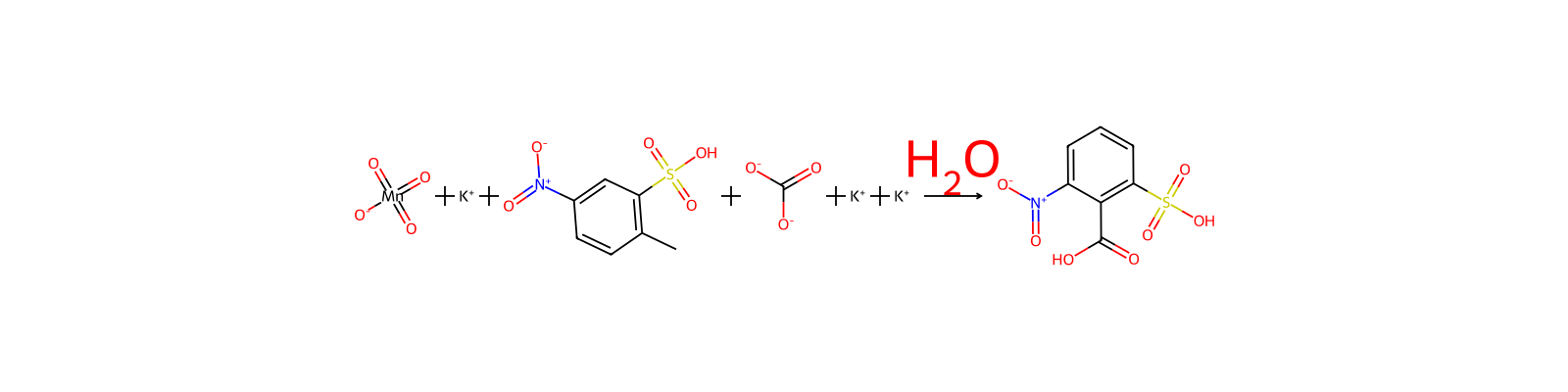
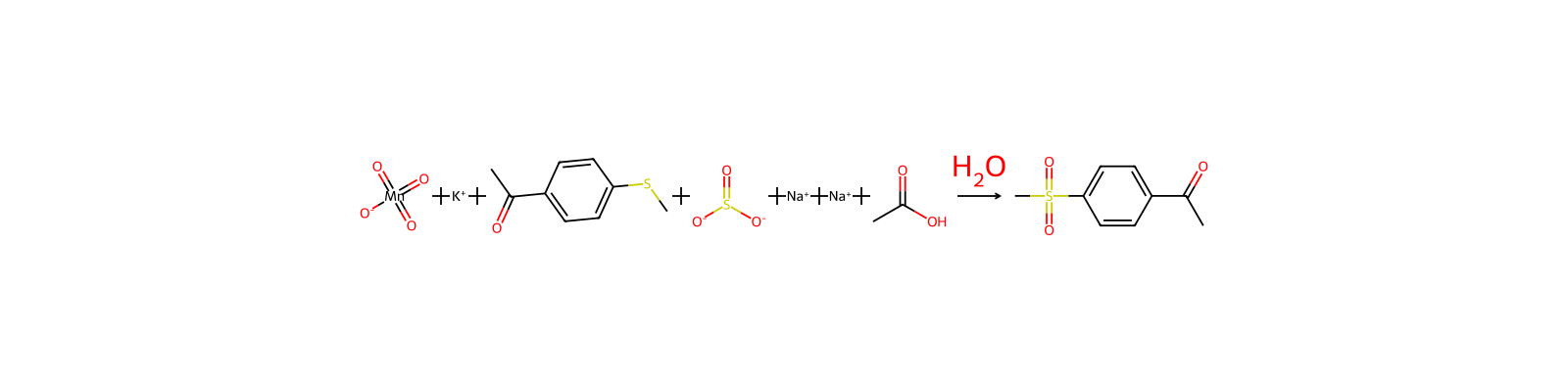

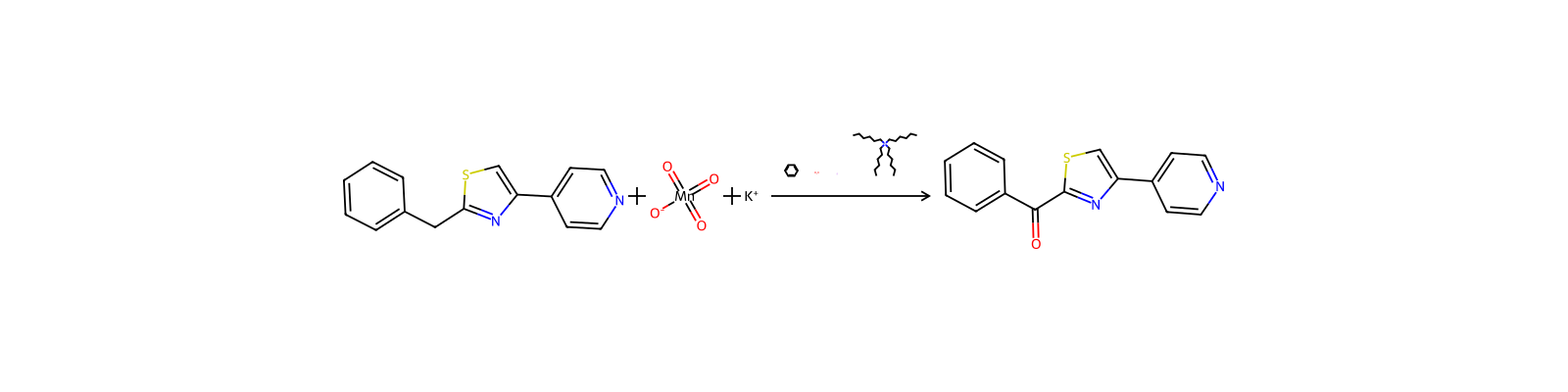
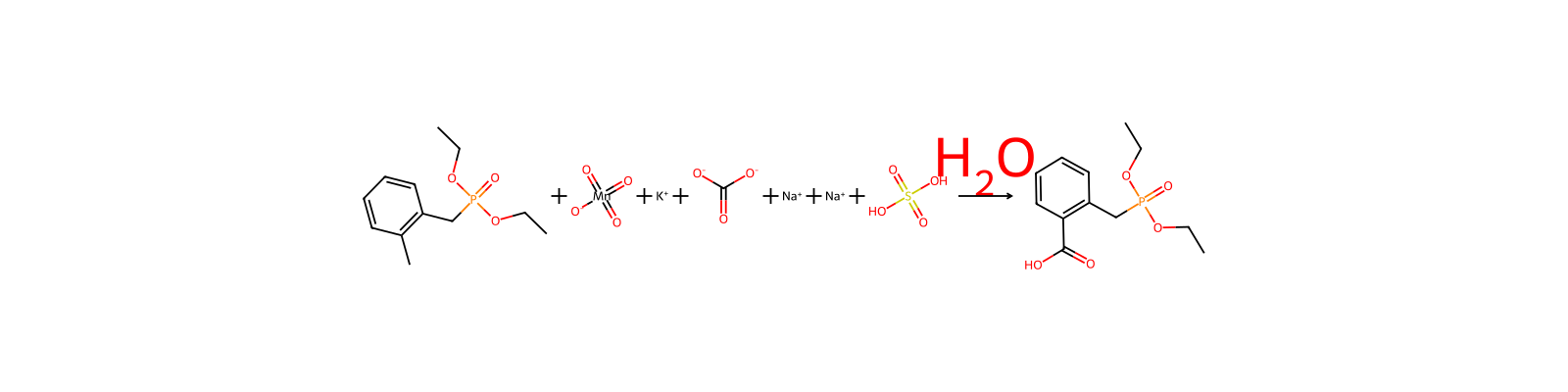


关联笔记
加载中…