基本信息
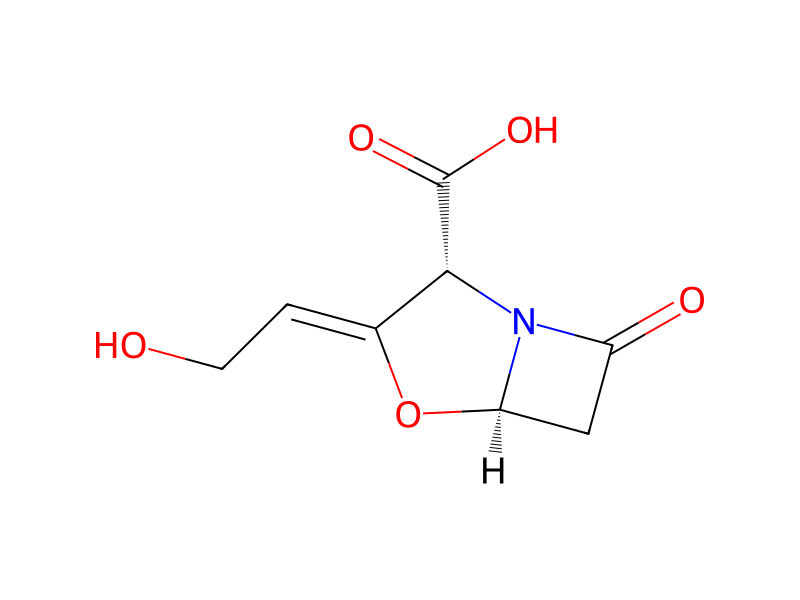
- 标准SMILES
O=C(O)[C@H]1/C(=C/CO)O[C@@H]2CC(=O)N21- InChIKey
HZZVJAQRINQKSD-PBFISZAISA-N- 分子式
- C8H9NO5
- 平均分子量
- 199.16 g/mol
- 单同位素质量
- 199.04807239
名称与标识
- 首选名称
- Clavulanic Acid
- IUPAC
- (2R,3Z,5R)-3-(2-hydroxyethylidene)-7-oxo-4-oxa-1-azabicyclo[3.2.0]heptane-2-carboxylic acid
- 中文名
- 克拉维酸
- 英文名
- Clavulanic acid
- 分子式
- C8H9NO5
- 分子量
- 199.16
名称与别名
CLAVULANIC ACID58001-44-8Acido clavulanicoAcide clavulaniqueAntibiotic MM 14151acidum clavulanicumClavulansaeure(2R,3Z,5R)-3-(2-hydroxyethylidene)-7-oxo-4-oxa-1-azabicyclo[3.2.0]heptane-2-carboxylic acidMM 14151BRL-14151SerdaxinBRL 14151
展开更多名称
克拉维酸克拉维亚酸克拉维酸 单体化合物 T19860钾 CLAVULANATE(2R,5R,Z)-3-(2-羟基亚乙基)-7-氧代-4-氧杂-1-氮杂双环[3.2.0]庚烷-2-羧酸(2R,3Z,5R)-3-(2-羟基亚乙基)-7-氧代-4-氧杂-1-氮杂双环[3.2.0]庚烷-2-羧酸(Z)-(2R,5R)-3-(2-羟基亚乙烯基)-7-氧代-4-氧杂-L-氮杂双环[3.2.0]庚烷-2-羧酸Clavulanate acid3008-bC06662MM-14151antibioticmm14151Clavulanate MonomerClavulanic acid USP/EP/BP
rx-10100(Z)-(2R,5R)-3-(2-Hydroxyethylidene)-7-oxo-4-oxa-1-azabicyclo(3.2.0)heptane-2-carboxylic acidCHEBI:4894723521W1S24DTXSID2022830BRL14151(2R,3Z,5R)-3-(2-HYDROXYETHYLIDENE)-7-OXO-4-OXA-1-AZABICYCLO(3.2.0)HEPTANE-2-CARBOXYLIC ACIDClavulanate, Sodium
数据库标识
- CAS
58001-44-8- PubChem CID
- 5280980
- DTXSID
DTXSID2022830- ChEMBL
CHEMBL777- ChEBI
CHEBI:48947- UNII
- 23521W1S24
- EC Number
- 261-069-2
- Nikkaji
- J14.640D
性质
结构计算性质
- XLogP
- -1.2
- 极性表面积
- 87.1 Ų
- 氢键供体
- 2
- 氢键受体
- 5
- 可旋转键
- 2
- 重原子
- 14
- 形式电荷
- 0
- 复杂度
- 324
实验与物化性质
LogP
-2.3
-1.5
LogS0.23
Solubility3.37e+02 g/L
Boiling Point545.8
Melting Point
117.5-118
117.5 - 118 °C
Physical DescriptionSolid
Dissociation Constants2.7
物理化学性质
- 沸点
- 545.8 · 545.8±50.0 °C(Predicted)
- 密度
- 1.65 · 1.65±0.1 g/cm3(Predicted)
- 储存条件
- 4 °C, · 4°C, protect from light, stored under nitrogen
- 溶解度
- 2 O · H2O : 50 mg/mL (251.05 mM; Need ultrasonic)
- 形态
- Solid
- 酸度系数(pKa)
- 3.68 · 3.68±0.20(Predicted)
- 颜色
- Off-white to light yellow
化学性质
克拉维酸钠(Sodium Clavulanate):C8H8NNaO5。白色针状结晶,熔点68℃,[α]D20+47.1°(C=1,水)。克拉维酸钾(Potassium Clavulanate):C8H8KNO5。无色针状结晶,易溶于水,但水溶液不稳定。
安全与法规
危害信息
Regulatory InformationClavulanic acid: Does not have an individual approval but may be used as a component in a product covered by a group standard. It is not approved for use as a chemical in its own right.
毒理信息
Adverse Effects
Clavulanic acid, when administered with amoxicillin, can cause some mild gastrointestinal adverse effects. These include vomiting, nausea, loose stools, and discomfort. Antibiotic-associated diarrhea due to amoxicillin-clavulanic acid treatment is the most common adverse effect. There is a higher incidence of diarrhea when clavulanic acid is added to amoxicillin compared to amoxicillin alone. Diarrhea is more common in those taking a high dose of the extended-release form of clavulanic acid and amoxicillin. Drug-induced pancreatitis from clavulanic acid and amoxicillin has occurred in a few cases.;When used for the treatment of urinary tract infections, this drug combination can cause candida vaginitis. Amoxicillin, in conjunction with clavulanic acid, is the most common cause of idiosyncratic drug-induced injury, specifically cholestatic liver injury, and this can lead to an increase in alkaline phosphatase and bilirubin levels. Since clavulanic acid administration is always in conjunction with amoxicillin, it is important to consider the adverse effects of amoxicillin alone as well. Hypersensitivity reactions to this drug combination, usually due to amoxicillin, can occur and result in dermatological reactions. Still, none of these allergic reactions are known to be due to clavulanic acid alone.
Toxicity Summary
The toxicity of clavulanic acid alone is unknown. However, the toxic effects of amoxicillin/clavulanate have been reported. The most common toxic effect is an idiosyncratic drug-induced hepatic injury which leads to a mixed hepatocellular-cholestatic injury, and it is more common in older men. Amoxicillin-clavulanic acid is the most common cause of idiosyncratic drug-induced hepatic injury. Risk factors for hepatic injury include sex, cytochrome P450, and genetic polymorphisms. These risk factors should be examined before administering amoxicillin/clavulanate to reduce the risk of toxic and adverse effects. In addition to early diagnosis and discontinuation of the drug, N-acetylcysteine can be administered to minimize damage. Additionally, steroids can be given to decrease the time it takes to return hepatic enzymes and bilirubin levels to normal. Liver failure is also a rare but possible toxic effect of amoxicillin-clavulanic acid.
法规信息
Regulatory InformationClavulanic acid: Does not have an individual approval but may be used as a component in a product covered by a group standard. It is not approved for use as a chemical in its own right.
化学与工业
药理信息
Protein BindingThe plasma protein binding of amoxicillin is about 25%.
Pharmacodynamics
Clavulanic acid inactivates some beta-lactamase enzymes that are produced by bacteria, therefore preventing enzymatic destruction of amoxicillin. This helps to treat a variety of bacterial infections which would otherwise be resistant to antibiotics without the addition of clavulanic acid.
Mechanism of Action
Clavulanic acid contains a beta-lactam ring in its structure that binds in an irreversible fashion to beta-lactamases, preventing them from inactivating certain beta-lactam antibiotics, with efficacy in treating susceptible gram-positive and gram-negative infections.
Biological Half-LifeThe half-life of clavulanic acid is reported to be similar to amoxicillin, and last 45-90 minutes. A study of radiolabeled clavulanic acid administered to 4 healthy volunteers determined a half-life of 0.8 h.
Metabolism/Metabolites
Clavulanic acid is heavily metabolized to form the metabolites 2,5-dihydro-4-(2- hydroxyethyl)-5-oxo-1H-pyrrole-3-carboxylic acid and 1-amino-4-hydroxy-butan-2-one. The first metabolite was found to account for 15.6% of the dose while the second metabolite was reported to account for 8.8% of the dose in one pharmacokinetic study.
FDA Pharmacological Classification
23521W1S24
CLAVULANIC ACID
Established Pharmacologic Class [EPC] - beta Lactamase Inhibitor
Mechanisms of Action [MoA] - beta Lactamase Inhibitors
Clavulanic acid is a beta Lactamase Inhibitor. The mechanism of action of clavulanic acid is as a beta Lactamase Inhibitor.
MeSH Pharmacological ClassificationEndogenous substances and drugs that inhibit or block the activity of BETA-LACTAMASES.
Absorption, Distribution and Excretion
Clavulanic acid, when taken orally, is well absorbed in the gastrointestinal tract. After administration of radiolabeled clavulanic acid to four human subjects, a minimum of 73% absorption and the average absolute bioavailability was calculated at 64%. The mean Cmax in a group of 8 healthy research volunteers was 2.098 ± 0.441 micrograms/ml in a pharmacokinetic study. The same study reported a mean Tmax of 1.042 ± 0.80 hours. Tmax is reported to be 40-120 minutes according to another pharmacokinetic study.
About 40 to 65% of the clavulanic acid is excreted as unchanged drug in urine during the first 6 hours following ingestion. The metabolites of clavulanic acid are found to be excreted in the urine and feces and as carbon dioxide in expired air. Clavulanate is cleared by both renal and non-renal processes. About 17% of radiolabeled dose of clavulanic acid was found to be exhaled in expired air and 8% of a dose was found to be excreted in the feces.
A study in 4 healthy volunteers administered a radiolabeled dose of clavulanic acid determined a volume of distribution of 12L.Clavulanic acid is distributed to various tissues and interstitial fluid. Clinically significant concentrations have been measured in the gallbladder, abdomen, skin, fat, and muscle tissues. Bile, pus, synovial and peritoneal fluids are also found to have therapeutic concentrations of clavulanic acid. Studies of animals have demonstrated that clavulanic crosses the placenta.
The clearance of clavulanic acid in a pharmacokinetic study of 4 healthy volunteers administered a radiolabeled dose of clavulanic acid was 0.21 l/min. Another resource indicates the average clearance of clavulanic acid is 12.20 liters/h/70 kg. Dose adjustments may be required in patients with renal failure.
用途与制造
Uses
Use (kg) in Switzerland (2009): >2500;Use (kg; approx.) in Germany (2009): >2500;Use (kg) in USA (2002): 102000;Use (kg) in France (2004): 22699;Consumption (g per capita) in Switzerland (2009): 0.32;Consumption (g per capita; approx.) in Germany (2009): 0.031;Consumption (g per capita) in the USA (2002): 0.36;Consumption (g per capita) in France (2004): 0.38;Excretion rate: 0.525;Calculated removal (%): 92.1
Use ClassificationPharmaceuticals
应用领域
简介克拉维酸(Clavulanate Potassium),商品名棒酸钾。其为氧青霉烷类β-内酰胺酶抑制剂,是由β-内酰胺环和氢化异噁唑环骈合而成的,是一种自杀性的酶抑制剂。
用途为β-内酰胺酶抑制剂。本身仅有微弱的抗菌活性,但对葡萄球菌及多数革兰阴性菌所产的β-内酰胺酶有抑制作用。通过和β-内酰胺酶牢固结合,生成不可逆的结合物,使酶失去活性。因而和β-内酰胺类抗生素配合使用时,可保护合用的β-内酰胺类抗生素不受β-内酰酶的破坏,增强该抗生素的抗菌作用,扩大其抗菌谱,并克服了致病微生物的耐药性。其应用是和其它抗生素制成复合剂,如和羟氨苄青霉素配伍,称奥格门汀(Augmentin);和替卡西林配伍,称替门汀(Timentin)。
制备方法
生产方法方法1:微生物合成,以黄豆粉、葡萄糖、淀粉或糊精为原料,经发酵而成。方法2:以3-甲硫基丙内酰胺为原料,经烷化、氯化脱羧等步骤反应合成。
上下游产品信息
上游原料
下游产品
试剂价格
- HY-A0256R · 5 mg
- 克拉维酸Clavulanic acid (Standard) — 935元
- HY-A0256R · 10 mg
- 克拉维酸Clavulanic acid (Standard) — 1500元
供应商50 家
北京华美互利生物化工010-56205725 · [email protected]
武汉英诺医药科技有限公司+86-027-59232304 15387063101 · [email protected]
广州佳途科技股份有限公司81960175 18933936954 · [email protected]
咸宁深蓝生物医药研发有限公司18171815831 · [email protected]
杭州品高化工有限公司0571-87658025 · [email protected]
上海毕得医药科技股份有限公司400-1647117 13681763483 · [email protected]
江苏艾康生物医药研发有限公司025-025-66113011 15955137747 · [email protected]
湖北科乐精细化工有限公司027-59101668 19945030958 · [email protected]
Dayang Chem (Hangzhou) Co.,Ltd.+86-0571-88938639 17705817739 · [email protected]
欧利希(湖北)医药科技有限公司17316404525 17316404525 · [email protected]
United Life Science020-82099279 18988941402 · [email protected]
銳迪國際科技有限公司18024082417 · [email protected]
北京博奥森生物技术有限公司400-901-9800 18611424007 · [email protected]
上海瀚香生物科技有限公司177-54423994 17754423994 · [email protected]
河北茹麒科技有限公司176-03256889 17603256889 · [email protected]
BOC Sciences1-631-485-4226; 16314854226 · [email protected]
河南仟德药业有限公司19103869591 · [email protected]
AdooQ BioScience, LLC+1 (866) 930-6790 · [email protected]
广州爱纯医药科技有限公司020-39119399 18927568969 · [email protected]
上海麦克林生化科技股份有限公司15221275939 15221275939 · [email protected]
陕西缔都医药化工有限公司029-81024372 17792795018 · [email protected]
池州凯隆进出口贸易有限公司[email protected]
天津阿尔塔科技有限公司022-6537-8550 15522853686 · [email protected]
上海陶术生物科技股份有限公司+1-781-999-5354; +1-00000000000 · [email protected]
广东翁江化学试剂有限公司0751-2815987 13927875076 · [email protected]
浙江珲达生物科技有限公司0571-89903022 18679456698 · [email protected]
南通全益生物科技有限公司0513-66337626 18051384581 · [email protected]
上海阿拉丁生化科技股份有限公司6206333 13167063860 · [email protected]
武汉多普乐生物医药有限公司+86-02787215551 19945035818 · [email protected]
风咏生物(AbMole)021-10000000 13000000000 · [email protected]
上海源叶生物科技有限公司13636370518 · [email protected]
成都标样生物科技有限公司028-81700200 13308200041 · [email protected]
武汉沃格达生物科技有限公司15071299552 · [email protected]
湖北摩科生物科技有限公司18576690171 · [email protected]
杭州洁汉化工有限公司+86-571-86217390; +8618058761490 · [email protected]
career henan chemical co+86-0371-86658258 · [email protected]
北京迈瑞达科技有限公司010-82387566 · [email protected]
湖北鸿鑫瑞宇精细化工有限公司027-65385071 17771822910 · [email protected]
湖北摩科化学有限公司18627753421; 18627756402 · [email protected]
上海杰瑞兴生物医药科技有限公司17521512546 17721492509 · [email protected]
爆牛贸易重庆有限公司+86-023-6139-8061 +86-86-13650506873 · [email protected]
长沙福臻生物科技有限公司15111215862 18229892877 · [email protected]
Wuhan Topule Biopharmaceutical Co., Ltd+86-18327326525 · [email protected]
TargetMol中国(陶术生物)4008200310 15002144251 · [email protected]
上海陌孚医药科技有限公司4000862158 18117107507 · [email protected]
SHANGHAI KEAN TECHNOLOGY CO., LTD.+8613817748580 · [email protected]
湖北摩科生物科技有限公司17320513646 · [email protected]
重庆卡兰医药有限公司[email protected]
HANGZHOU LEAP CHEM CO., LTD.+86-571-87711850 +8619957148339 · [email protected]
AFINE CHEMICALS LIMITED+86-571-85134551 +86-18958018566 · [email protected]
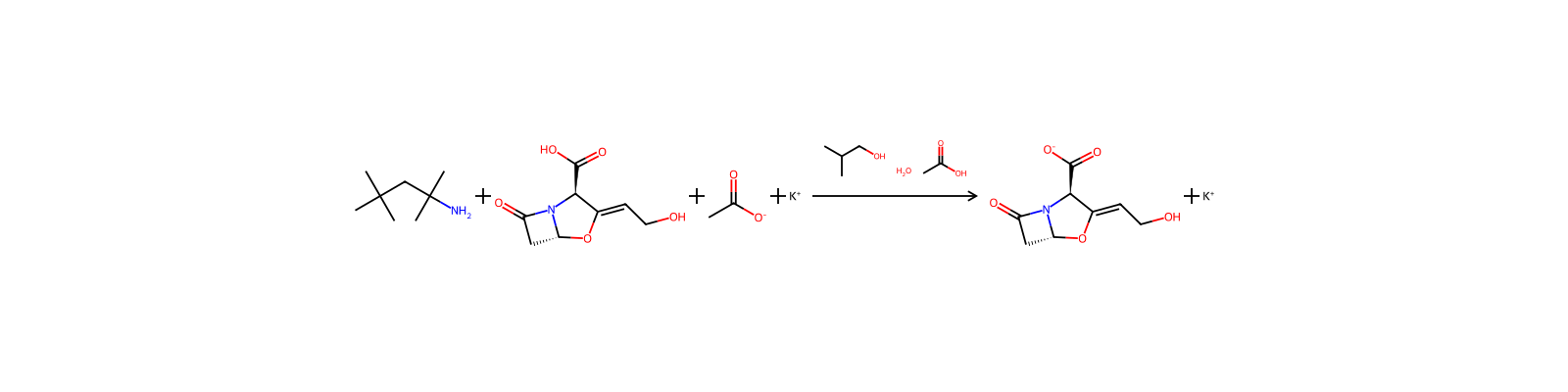
相关反应
68 条


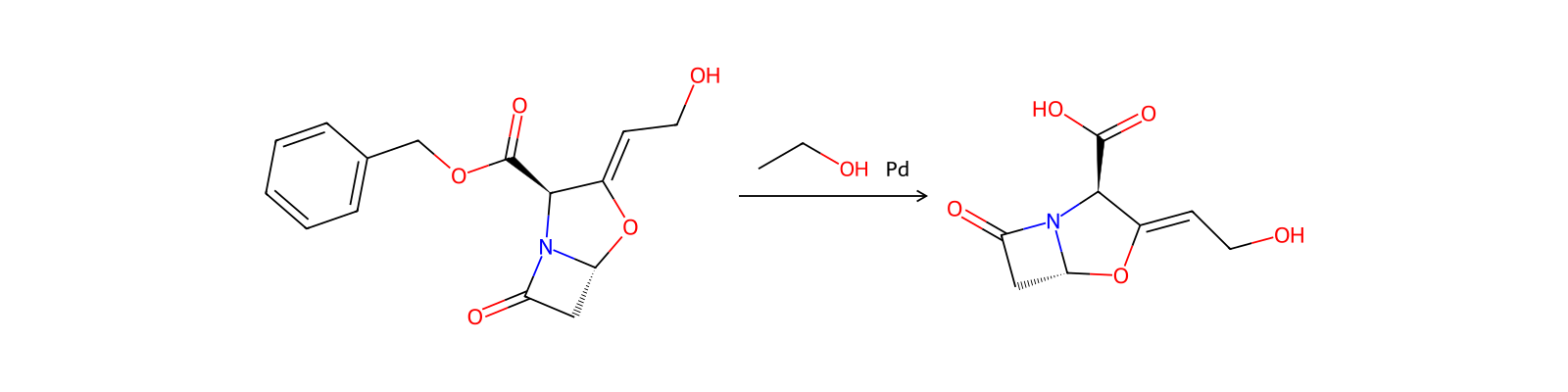
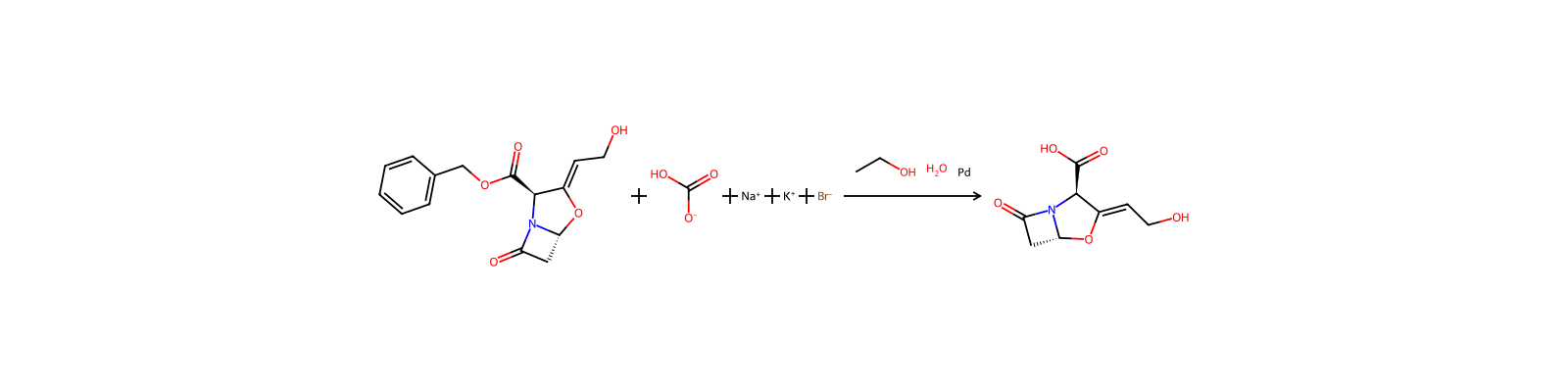


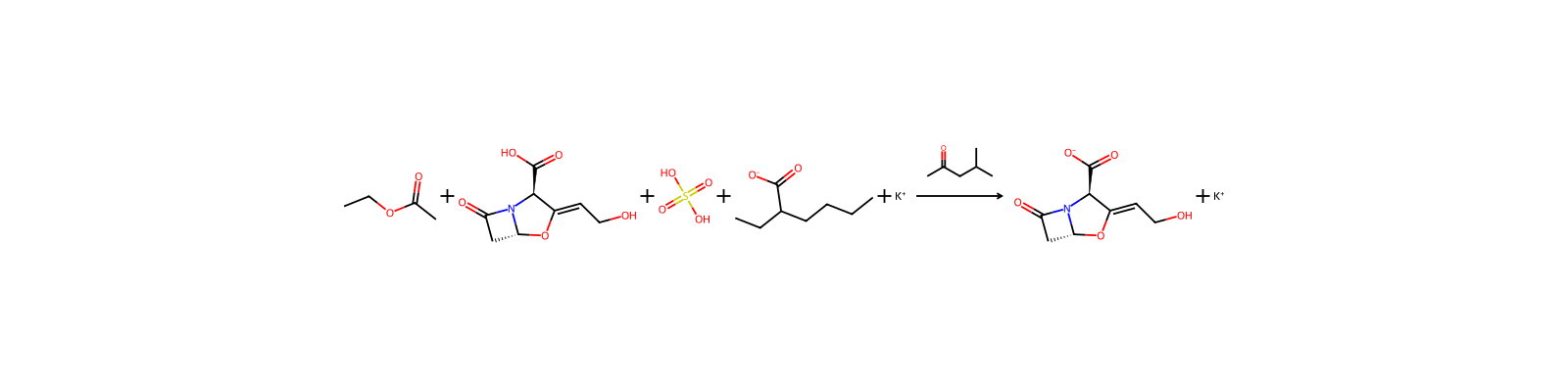
关联笔记
加载中…