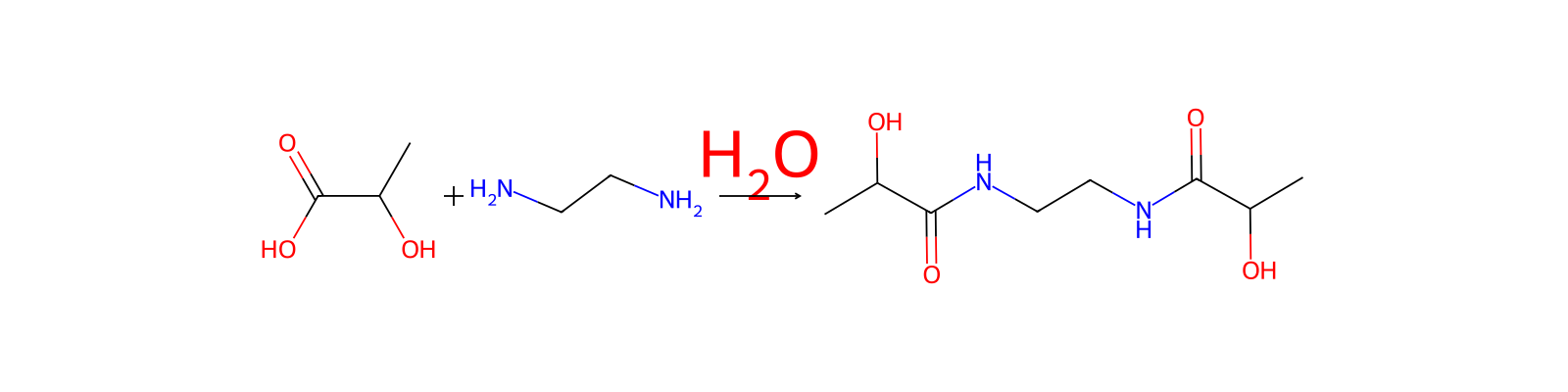
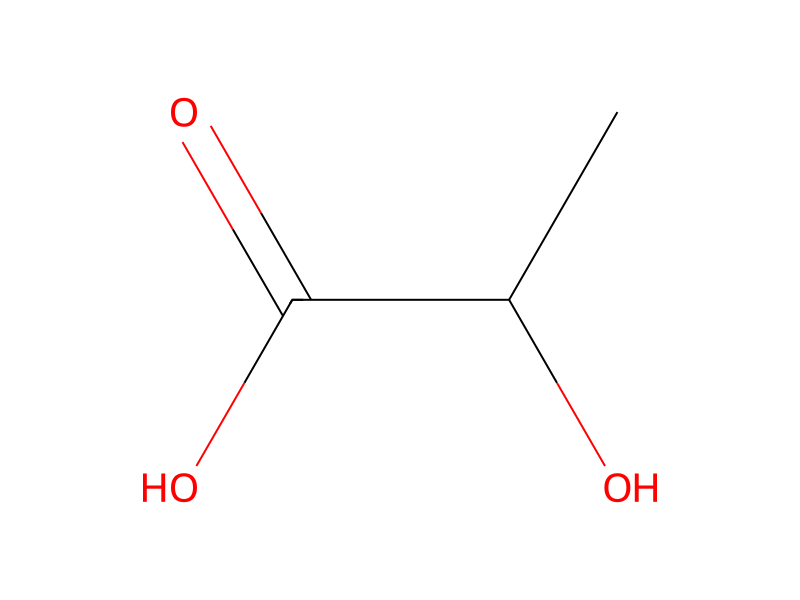
基本信息
- 标准SMILES
CC(O)C(=O)O- InChIKey
JVTAAEKCZFNVCJ-UHFFFAOYSA-N- 分子式
- C3H6O3
- 平均分子量
- 90.08 g/mol
- 单同位素质量
- 90.03169405
概述
Lactic acid appears as a colorless to yellow odorless syrupy liquid. Corrosive to metals and tissue. Used to make cultured dairy products, as a food preservative, and to make chemicals.
名称与标识
- 首选名称
- Lactic Acid
- IUPAC
- 2-hydroxypropanoic acid
- 英文名
- Lactic acid
- 分子式
- C3H6O3
- 分子量
- 90.07794
名称与别名
lactic acid2-hydroxypropanoic acidDL-Lactic acid50-21-52-hydroxypropionic acidMilk acidTonsillosanRacemic lactic acidOrdinary lactic acidAcidum lacticumEthylidenelactic acidLactovagan
展开更多名称
MilchsaeureLactic acid, dl-Kyselina mlecnaLacticum acidumPropanoic acid, 2-hydroxy-598-82-3alpha-Hydroxypropionic acidLactic acid USP
数据库标识
- CAS
26100-51-6、50-21-5、598-82-3- PubChem CID
- 612
- DTXSID
DTXSID7023192- ChEMBL
CHEMBL1200559- ChEBI
CHEBI:78320- UNII
- 3B8D35Y7S4
- EC Number
- 200-018-0、209-954-4、825-250-5
- Nikkaji
- J1.358G
性质
结构计算性质
- XLogP
- -0.7
- 极性表面积
- 57.5 Ų
- 氢键供体
- 2
- 氢键受体
- 3
- 可旋转键
- 1
- 重原子
- 6
- 形式电荷
- 0
- 复杂度
- 59.1
实验与物化性质
Chemical ClassesOther Classes -> Organic Acids
Cosmetics
Cosmetic ingredients (Lactic Acid) -> CIR (Cosmetic Ingredient Review)
Skin conditioning; Humectant; Buffering
pHThe pH of a 10 wt% aqueous solution of lactic acid is 1.75
FragrancesFragrance Ingredient (Lactic acid) -> IFRA transparency List
Pesticides
Plant Growth Regulators
Active substance -> EU Pesticides database: Not approved
LogP
log Kow = -0.72
-0.6
-0.62
Odor
Odorless
Weak unpleasant odor
Available forms have very slightly acrid odor
Taste
Mild acid taste and does not overpower weaker aromatic flavors
Taste is acrid
Food AdditivesANTIMICROBIAL AGENT, CURING OR PICKLING AGENT, FLAVOR ENHANCER, FLAVORING AGENT OR ADJUVANT, PH CONTROL AGENT, SOLVENT OR VEHICLE -> FDA Substance added to food
Density
1.2 at 68 °F (USCG, 1999) - Denser than water; will sink
1.2060 g/cu cm at 21 °C
Relative density (water = 1): 1.2
1.200-1.209
Flavoring AgentsEU Flavoring substances
ViscosityViscosities of aqueous lactic acid at 25 °C: 1.042 mPa s (6.29 wt%), 1.752 mPa s (25.02 wt%), 4.68 mPa s (54.94 wt%), 36.9 mPa s (88.60 wt%)
安全与法规
GHS分类
GHS Classification
This chemical does not meet GHS hazard criteria for 0.2% (5 of 2808) of reports.
Danger
H314 (11.8%): Causes severe skin burns and eye damage [Danger Skin corrosion/irritation]
P260, P264, P264+P265, P280, P301+P330+P331, P302+P352, P302+P361+P354, P304+P340, P305+P354+P338, P316, P317, P321, P332+P317, P362+P364, P363, P405, and P501 (click each P-code to see the statement)
Aggregated GHS information provided per 2808 reports by companies from 35 notifications to the ECHA C&L Inventory. Each notification may be associated with multiple companies.
Danger
危害信息
Regulatory Information
Chemical: Propanoic acid, 2-hydroxy-
Regulation (EC) No 178/2002 (amended)
Propanoic acid, 2-hydroxy- is listed on the EPA's Chemical Data Reporting (CDR) system. Manufacturers and importers of Propanoic acid, 2-hydroxy- are required to report information about their production and use of this chemical to the EPA under the Toxic Substances Control Act (TSCA). (40 eCFR Part 711)
2004/129/EC
Status: Active Update: 04-01-2023 https://echa.europa.eu/registration-dossier/-/registered-dossier/5165
Lactic acid: Does not have an individual approval but may be used under an appropriate group standard
Other Safety InformationEvaluation - Lactic acid isomers
DOT LabelCorrosive
Fire Hazards
Excerpt from ERG Guide 153 [Substances - Toxic and/or Corrosive (Combustible)]:
Combustible.
Health Hazards
Inhalation of mist causes coughing and irritation of mucous membranes. Ingestion, even of diluted preparations, has a corrosive effect on the esophagus and stomach. Contact with more concentrated solutions can cause severe burns of skin or eye. (USCG, 1999)
Hazards Summary
Corrosive to skin; [Quick CPC] A skin and respiratory tract irritant; Corrosive to eyes; [ICSC] Causes burns to skin and eyes; Vapors cause eye and mucous membrane irritation and can cause coughing and difficulty breathing; [CHRIS] Safe when used as a flavoring agent in food; [JECFA] Corrosive to rabbit skin, mildly irritating to guinea pig skin, and not irritating to pig skin; Not sensitizing in a study of guinea pigs; A 13-week oral study of rats produced a NOAEL of 500 mg/kg/day (highest tested dose); Studies on reproductive and developmental toxicity not considered necessary because lactic acid is a product of human intermediary metabolism; [EPA ChAMP] A skin and strong eye irritant; [Aldrich MSDS]
FDA Requirements
Substance added directly to human food affirmed as generally recognized as safe (GRAS).
Drug products containing certain active ingredients offered over-the-counter (OTC) for certain uses. A number of active ingredients have been present in OTC drug products for various uses, as described below. However, based on evidence currently available, there are inadequate data to establish general recognition of the safety and effectiveness of these ingredients for the specified uses: lactic acid is included in digestive drug products.
Lactic acid used as a general purpose food additive in animal drugs, feeds, and related products is generally recognized as safe when used in accordance with good manufacturing or feeding practice.
Reactive GroupAcids, Carboxylic
Special ReportsLeung HW, Paustenbach DJ; Organic Acids and Bases: Review of Toxicological Studies; Am J Ind Med 18 (6): 717-35 (1990).
EPA Safer ChemicalChemical: DL-Lactic acid
FIFRA Requirements
Lactic acid (2-hydroxypropanoic acid) is exempted from the requirement of a tolerance when used as a plant growth regulator in or on all raw agricultural commodities.
Residues of lactic acid are exempted from the requirement of a tolerance when used in accordance with good agricultural practice as inert (or occasionally active) ingredients in pesticide formulations applied to growing crops or to raw agricultural commodities after harvest. Use: solvent.
Residues of lactic acid are exempted from the requirement of a tolerance when used in accordance with good agricultural practice as inert (or occasionally active) ingredients in pesticide formulations applied to animals. Use: solvent.
Residues of the following chemical substances are exempted from the requirement of a tolerance when used in accordance with good manufacturing practice as ingredients in an antimicrobial pesticide formulation, provided that the substance is applied on a semi-permanent or permanent food-contact surface (other than being applied on food packaging) with adequate draining before contact with food. ... (b) The following chemical substances when used as ingredients in an antimicrobial pesticide formulation may be applied to: Dairy processing equipment, and food-processing equipment and utensils. Lactic acid is included on this list. Limit: When ready for use, the end-use concentration is not to exceed 138 ppm.
For more FIFRA Requirements (Complete) data for LACTIC ACID (6 total), please visit the HSDB record page.
Reactivity Profile
LACTIC ACID is a carboxylic acid. Carboxylic acids donate hydrogen ions if a base is present to accept them. They react in this way with all bases, both organic (for example, the amines) and inorganic. Their reactions with bases, called "neutralizations", are accompanied by the evolution of substantial amounts of heat. Neutralization between an acid and a base produces water plus a salt. Carboxylic acids with six or fewer carbon atoms are freely or moderately soluble in water; those with more than six carbons are slightly soluble in water. Soluble carboxylic acid dissociate to an extent in water to yield hydrogen ions. The pH of solutions of carboxylic acids is therefore less than 7.0. Many insoluble carboxylic acids react rapidly with aqueous solutions containing a chemical base and dissolve as the neutralization generates a soluble salt. Carboxylic acids in aqueous solution and liquid or molten carboxylic acids can react with active metals to form gaseous hydrogen and a metal salt. Such reactions occur in principle for solid carboxylic acids as well, but are slow if the solid acid remains dry. Even "insoluble" carboxylic acids may absorb enough water from the air and dissolve sufficiently in it to corrode or dissolve iron, steel, and aluminum parts and containers. Carboxylic acids, like other acids, react with cyanide salts to generate gaseous hydrogen cyanide. The reaction is slower for dry, solid carboxylic acids. Insoluble carboxylic acids react with solutions of cyanides to cause the release of gaseous hydrogen cyanide. Flammable and/or toxic gases and heat are generated by the reaction of carboxylic acids with diazo compounds, dithiocarbamates, isocyanates, mercaptans, nitrides, and sulfides. Carboxylic acids, especially in aqueous solution, also react with sulfites, nitrites, thiosulfates (to give H2S and SO3), dithionites (SO2), to generate flammable and/or toxic gases and heat. Their reaction with carbonates and bicarbonates generates a harmless gas (carbon dioxide) but still heat. Like other organic compounds, carboxylic acids can be oxidized by strong oxidizing agents and reduced by strong reducing agents. These reactions generate heat. A wide variety of products is possible. Like other acids, carboxylic acids may initiate polymerization reactions; like other acids, they often catalyze (increase the rate of) chemical reactions. Slowly corrodes most metals (USCG, 1999).
安全与防护
Fire Fighting
Excerpt from ERG Guide 153 [Substances - Toxic and/or Corrosive (Combustible)]:
Use water spray, powder, alcohol-resistant foam, carbon dioxide.
First Aid Measures
Fresh air, rest. Refer for medical attention.
Remove contaminated clothes. Rinse skin with plenty of water or shower.
First rinse with plenty of water for several minutes (remove contact lenses if easily possible), then refer for medical attention.
Rinse mouth. Do NOT induce vomiting. Give nothing to drink. Refer for medical attention .
First AidINHALATION: move to fresh air.
Safe StorageSeparated from strong bases.
Fire Fighting Procedures
Suitable extinguishing media: Use water spray, alcohol-resistant foam, dry chemical or carbon dioxide.
Advice for firefighters: Wear self-contained breathing apparatus for firefighting if necessary.
Storage Conditions
Keep container tightly closed in a dry and well-ventilated place. Containers which are opened must be carefully resealed and kept upright to prevent leakage. Hygroscopic.
Separated from strong bases.
When heated to decomposition it emits acrid smoke and irritating fumes.
Cleanup Methods
ACCIDENTAL RELEASE MEASURES: Personal precautions, protective equipment and emergency procedures: Use personal protective equipment. Avoid breathing vapors, mist or gas. Ensure adequate ventilation. Evacuate personnel to safe areas; Environmental precautions: Do not let product enter drains; Methods and materials for containment and cleaning up: Soak up with inert absorbent material and dispose of as hazardous waste. Keep in suitable, closed containers for disposal.
Collect leaking liquid in sealable containers. Cautiously neutralize spilled liquid with weak alkaline solution, e.g. disodium carbonate. Then wash away with plenty of water.
Nonfire Spill ResponseExcerpt from ERG Guide 153 [Substances - Toxic and/or Corrosive (Combustible)]:
Disposal Methods
SRP: Expired or waste pharmaceuticals shall carefully take into consideration applicable DEA, EPA, and FDA regulations. It is not appropriate to dispose by flushing the pharmaceutical down the toilet or discarding to trash. If possible return the pharmaceutical to the manufacturer for proper disposal being careful to properly label and securely package the material. Alternatively, the waste pharmaceutical shall be labeled, securely packaged and transported by a state licensed medical waste contractor to dispose by burial in a licensed hazardous or toxic waste landfill or incinerator.
Product: Offer surplus and non-recyclable solutions to a licensed disposal company. Contact a licensed professional waste disposal service to dispose of this material; Contaminated packaging: Dispose of as unused product.
The following wastewater treatment technology has been investigated for lactic acid: Concentration process: Biological treatment.
Spillage DisposalCollect leaking and spilled liquid in sealable containers as far as possible. Cautiously neutralize spilled liquid with weak alkaline solution such as disodium carbonate. Then wash away with plenty of water.
Preventive Measures
SRP: The scientific literature for the use of contact lenses by industrial workers is inconsistent. The benefits or detrimental effects of wearing contact lenses depend not only upon the substance, but also on factors including the form of the substance, characteristics and duration of the exposure, the uses of other eye protection equipment, and the hygiene of the lenses. However, there may be individual substances whose irritating or corrosive properties are such that the wearing of contact lenses would be harmful to the eye. In those specific cases, contact lenses should not be worn. In any event, the usual eye protection equipment should be worn even when contact lenses are in place.
Precautions for safe handling: Avoid contact with skin and eyes. Avoid inhalation of vapor or mist.
Appropriate engineering controls: Handle in accordance with good industrial hygiene and safety practice. Wash hands before breaks and at the end of workday.
Gloves must be inspected prior to use. Use proper glove removal technique (without touching glove's outer surface) to avoid skin contact with this product. Dispose of contaminated gloves after use in accordance with applicable laws and good laboratory practices. Wash and dry hands.
Isolation and EvacuationExcerpt from ERG Guide 153 [Substances - Toxic and/or Corrosive (Combustible)]:
毒理信息
Body BurdenLactic acid was found to be excreted by humans through urine at a rate of 40 mg/kg body weight/day and through sweat at 45-452 mg/100 mL(1).
Interactions
The effects of local myocardial administration of lactic acid and low-dose edaravone were investigated to determine if this combination provides benefits similar to mechanical postconditioning. We randomly divided 108 rats into 6 groups: sham, reperfusion injury, postconditioning (Post), lacticacid (Lac), low-dose edaravone (Eda), and lactic acid + low-dose edaravone (Lac+Eda). The left coronary arteries of the rats were occluded for 45 minutes, before the administration of the treatments. The rats were euthanized at different time points to examine the infarct size and serum markers of myocardial injury and apoptosis and measure the expression of signal pathway markers. We found that the infarct areas caused by ischemic-reperfusion injury were reduced largely by postconditioning and Lac+Eda injection; a similar trend was observed for serum markers of myocardial injury, apoptosis, and hemodynamic parameters. Compared with the Post group, the Lac+Eda group had similar blood pH values, levels of reactive oxygen species, mitochondrial absorbance, and levels of signal pathway marker. The Lac and Eda groups partly mimicked the protective role. These data suggest that local myocardial administration of lactic acid and low dose of edaravone initiates protective signal pathways of mechanical postconditioning and replicates the myocardial protection.
Excretion of carbon dioxide and L-lactic acid through exhalation and perspiration provides olfactory signals to mosquitoes which allow them to find and bite humans; however, mosquito species differ in this regard. This study investigated upwind responses of Anopheles stephensi, mysorensis form, an important malaria vector in Asia, to carbon dioxide and L-lactic acid under laboratory conditions. While a minimal dose of carbon dioxide (90 ppm) activated the mosquitoes, 10 times this amount suppressed them. L-lactic acid alone did not produce a significant effect by itself, but addition of 6 ug/min of L-lactic acid to a range of 90 to 410 ppm carbon dioxide resulted in attraction. The results provide further support for the hypothesis that CO2 plays an important role in the host-seeking behavior of zoophilic mosquitoes, and suggests that L-lactic acid might play a more critical role than CO2 in the attraction of An. stephensi.
During the pulmonary edema stage ... metabolic acidosis may occur because of increased lactic acid production in response to hypoxemia. /NO2-induced acute lung injury/
Burning and/or stinging is one of the most common concerns expressed by patients using topical therapies for treatment of dermatologic disorders. Topical lactic acid preparations often are used to treat dry scaly skin. In this study, we compared the level of burning/stinging reported by participants with application of lactic acid cream 10% containing strontium versus ammonium lactate lotion 12% and cetearyl alcohol lotion. The mean rating of burning/stinging reported for lactic acid cream 10% with strontium and cetearyl alcohol lotion was lower than ammonium lactate lotion 12% (P<.0001). Based on the study results, lactic acid cream 10% with strontium causes less burning/stinging than ammonium lactate lotion 12%.
For more Interactions (Complete) data for LACTIC ACID (6 total), please visit the HSDB record page.
Health Effects
Chronically high levels of Lactic acid are associated with at least a dozen inborn errors of metabolism including: 2-Methyl-3-hydroxybutyryl CoA dehydrogenase deficiency, Biotinidase deficiency, Fructose-1,6-diphosphatase deficiency, Glycogen Storage Disease Type 1A (GSD1A) or Von Gierke Disease, Glycogenosis, Type IB, Glycogenosis, Type IC, Glycogenosis, Type VI. Hers disease, Lactic Acidemia, Leigh Syndrome, Methylmalonate Semialdehyde Dehydrogenase Deficiency, Pyruvate Decarboxylase E1 Component Deficiency, Pyruvate dehydrogenase complex deficiency, Pyruvate dehydrogenase deficiency, Short Chain Acyl CoA Dehydrogenase Deficiency (SCAD Deficiency).
Ecotoxicity Values
LC50; Species: Moina micrura (Water Flea) length 0.09 mm and breadth 0.06 mm; Conditions: freshwater, renewal; Concentration: 329120 ug/L for 96 hr (95% confidence interval: 315810-342430 ug/L) /88% purity/
LC50; Species: Oreochromis mossambicus (Mozambique Tilapia) adult, male and female, weight 11.83 g; Conditions: freshwater, renewal; Concentration: 257730 ug/L for 96 hr (95% confidence interval: 210540-315810 ug/L) /88% purity/
LC50; Species: Branchiura sowerbyi (Oligochaete) weight 0.002 g, length 20 mm; Conditions: freshwater, renewal; Concentration: 50820 ug/L for 96 hr (95% confidence interval: 48400-53240 ug/L) /88% purity/
LC50; Species: Oncorhynchus sp (Trout); Concentration: 100 mg/L for 18 hr /Conditions of bioassay not specified in source examined/
Environmental Fate
TERRESTRIAL FATE: Based on a classification scheme(1), experimentally-derived Koc values ranging from <0.08 to <20.9(2,3), indicate that lactic acid is expected to have very high mobility in soil(SRC). The pKa of lactic acid is 3.86(4), indicating that this compound will exist partially to almost entirely as an anion in the environment and anions generally do not adsorb more strongly to soils containing organic carbon and clay than their neutral counterparts(5). Volatilization of lactic acid from moist soil surfaces is not expected to be an important fate process(SRC) given an estimated Henry's Law constant of 9.6X10⁻⁹ atm-cu m/mole(SRC), derived from its vapor pressure, 0.0813 mm Hg(6), and an assigned value for water solubility of 1.0X10+6 mg/L (miscible)(7). Lactic acid is not expected to volatilize from dry soil surfaces(SRC) based upon its vapor pressure(6). A 76% of theoretical BOD using activated sludge in a 2-week Japanese MITI test indicates lactic acid is readily biodegradable(8) and suggests that biodegradation is an important environmental fate process in soil(SRC). Other screening tests have also found lactic acid to biodegrade readily(9-11).
AQUATIC FATE: Based on a classification scheme(1), experimentally-derived Koc values ranging from <0.08 to <20.9(2,3), indicate that lactic acid is not expected to adsorb to suspended solids and sediment(SRC). Volatilization from water surfaces is not expected(4) based upon an estimated Henry's Law constant of 9.6X10⁻⁹ atm-cu m/mole(SRC), derived from its vapor pressure, 0.0813 mm Hg(5), and an assigned value for water solubility of 1.0X10+6 mg/L (miscible)(6). The pKa of lactic acid is 3.86(7), indicating that this compound will exist partially to almost entirely in the anion form in the environment(SRC). The anion form will not volatilize, but by analogy to the similar acetic acid(8), lactic acid is expected to have a measurable Henry's Law constant even when almost entirely ionized. According to a classification scheme(9), an estimated BCF of 3(SRC), from a log Kow of -0.72(10) and a regression-derived equation(11), suggests the potential for bioconcentration in aquatic organisms is low(SRC). A 76% of theoretical BOD using activated sludge in a 2-week Japanese MITI test indicates lactic acid is readily biodegradable(12) and suggests that biodegradation is an important environmental fate process in water(SRC). Other screening tests have also found lactic acid to biodegrade readily(13-15). Hydrolysis is not expected to be an important environmental fate process since this compound lacks functional groups that hydrolyze under environmental conditions(4).
ATMOSPHERIC FATE: According to a model of gas/particle partitioning of semivolatile organic compounds in the atmosphere(1), lactic acid, which has a vapor pressure of 0.0813 mm Hg at 25 °C(2), is expected to exist solely as a vapor in the ambient atmosphere. Vapor-phase lactic acid is degraded in the atmosphere by reaction with photochemically-produced hydroxyl radicals(SRC); the half-life for this reaction in air is estimated to be 2.7 days(SRC), calculated from its rate constant of 5.9X10⁻¹² cu cm/molecule-sec at 25 °C(SRC) that was derived using a structure estimation method(3). Lactic acid does not contain chromophores that absorb at wavelengths >290 nm and therefore is not expected to be susceptible to direct photolysis by sunlight(4).
Food Survey Values
Lactic acid was detected as a flavoring constituent of Nigerian gari (a type of tapioca made from cassava (Manihot esculenta) tubers)(1). Lactic acid occurs in sour milk as a result of lactic acid bacteria(2). Lactic acid is also found in molasses due to partial conversion of sugars, in apples and other fruits, tomato juice, beer, wines, opium, ergot, foxglove, and several higher plants, especially during germination(2). Lactic acid is present in many foods both naturally or as a product of in situ microbial fermentation, as in sauerkraut, yogurt, buttermilk, sourdough breads, and many other fermented foods(3).
Lactic acid occurrence in plants(1).[Table#2133]
Adverse EffectsDermatotoxin - Skin burns.
Exposure RoutesThe substance can be absorbed into the body by inhalation of its aerosol and by ingestion.
Milk Concentrations
ENVIRONMENTAL: The purpose of this study was to determine if breast milk composition changed significantly following exercise conducted at different intensities. Nine postpartum women exercised on a treadmill up to maximal oxygen uptake (100% of VO2max) on the first laboratory visit, for 30 minutes on two subsequent occasions (50% and 75% of VO2max) and also performed a nonexercise control session. Blood and breast milk were collected prior to exercise, immediately after exercise, and at 30, 60, and 90 minutes postexercise. Blood samples were analyzed for lactic acid (LA) while milk samples were analyzed for LA, pH, lipid, ammonium, and urea. Milk LA after the 100% intensity session was significantly elevated through 90 minutes postexercise, while there was no significant increase in milk LA at any collection time after the 50% or 75% intensity sessions. There were no significant differences in milk pH, lipid, ammonium, or urea measurements after any of the exercise sessions. These data show that unlike maximum intensity exercise, moderate intensity exercise does not increase breast milk LA content.
ENVIRONMENTAL: The purpose of this study was to observe the infant acceptance of postexercise breast milk. Twenty-six lactating postpartum women exercised to maximum (maximum oxygen consumption = 35.1 +/- 9.2 [SD] mL min-1 kg-1) on a treadmill. Breast milk was collected via self-expression at rest before exercise and at 10 and 30 minutes postexercise and analyzed for lactic acid by enzymatic methods. Following exercise, infants were presented with their mothers' pre-exercise and postexercise milk in a double-blind design. The mother rated the infant's acceptance of the milk samples. There was a significant difference in acceptance of pre-exercise and postexercise milk as analyzed by analysis of variance. Maximal exercise resulted in a significant increase in lactic acid concentration in breast milk that may be high enough to affect the taste of the milk. The decreased acceptance of postexercise milk was associated with increased lactic acid concentration. Suggestions to circumvent the decreased acceptance are offered.
Toxicity Summary
Based on the available information included in this report, the CIR Expert Panel concludes that Glycolic and Lactic Acid, their common salts and their simple esters, are safe for use in cosmetic products at concentrations less than or equal to 10%, at final formulation pH greater than or equal to 3.5, when formulated to avoid increasing sun sensitivity or when directions for use include the daily use of sun protection. These ingredients are safe for use in salon products at concentrations less than or equal to 30%, at final formulation pH greater than or equal to 3.0, in products designed for brief, discontinuous use followed by thorough rinsing from the skin, when applied by trained professionals, and when application is accompanied by directions for the daily use of sun protection...Lactic Acid...
Safe for use in cosmetics, with qualifications
IDENTIFICATION AND USE: Lactic acid forms yellow to colorless crystals or syrupy 50% liquid. It has multiple uses in dyeing baths, as mordant in printing woolen goods, solvent for water-insoluble dyes. It is also used for reducing chromates in mordanting wool, in manufacture of cheese, confectionery. Lactic acid is a component of babies' milk formulas; acidulant in beverages; also used for acidulating worts in brewing. It is used in prepn of sodium lactate injections, and as ingredient of cosmetics, component of spermatocidal jellies. Other uses: for removing Clostridium butyricum in manufacture of yeast; dehairing, plumping, and decalcifying hides, solvent for cellulose formate, flux for soft solder. Lactic acid is used to manufacture lactates which are used in food products, in medicine, and as solvents. It is also a plasticizer, catalyst in the casting of phenolaldehyde resins. HUMAN EXPOSURE AND TOXICITY: Its effect on eye is similar to that of other acid of moderate strength, causing initial epithelial coagulation on cornea and conjunctiva, but having good prognosis if promptly washed off with water. In man, accidental intraduodenal administration of 100 mL 33% lactic acid was fatal within 12 hours. Hyperlactatemia and lactic acidosis are among the most dangerous and life-threatening side effect that occurs during therapy with some nucleoside reverse transcriptase inhibitors. Lactic acidosis is associated with both inherited and acquired metabolic diseases. Lactic acid metabolism in the presence of altered gluconeogenesis, anaerobic glycolysis, and acid-base balance is a major factor in many disorders. Lactic acid can be formed only from pyruvic acid; therefore, disorders that increase pyruvate concentration, enhance lactic acid formation, or reduce lactic acid degradation cause lactic acidosis. Inborn metabolic errors that are accompanied by derangement of metabolic pathways of glucose, pyruvate, amino acids, and organic acids as well as toxic and systemic conditions that promote tissue hypoxia or mitochondrial injury result in lactic acidosis. ANIMAL STUDIES: Applied to rabbit eyes in a standard manner, the reaction at twenty-four hours has been graded 8 on scale of 1 to 10. If allowed to remain on rabbit eyes, both the full strength acid and a 50% solution in water have caused corneal necrosis and persistent stromal scarring. Groups of male rats, five per group, were dosed with 0.5 mL of 130, 650, or 1300 mg/2000 kg body wt lactic acid via stomach tube; the control group received the same volume of water. Two rats of the 650-mg group and one rat of the 1300-mg group died within 24 hr of dosing. The rats were dosed with the same amounts of lactic acid after 8 days. Two rats of the 1300 mg group died; dyspnea, snivel, vomiting, and abdominal inflation were observed in these animals immediately after dosing. No overt toxic effects were observed in pigs given approximately 3.6-18 g/kg lactic acid in feed or water for up to 5 months. Drunken lamb syndrome has been described as lamb D-lactic acidosis syndrome. In developmental study, twelve mice were dosed daily with 570 mg/kg lactic acid by gavage on days 6 to 15 of gestation; a control group of 13 mice received distilled water. All dams were killed on day 18 of gestation. No significant difference was observed in gestational body weight gain between test and control animals, but feed consumption was significantly decreased as compared to control values. Also, relative maternal liver weight was significantly decreased as compared to controls. The only observed effect on the fetus was a statistically significant increase in delayed ossification of the parietal bones. Female rabbits were dosed orally with 0.1 - 0.2 g/kg lactic acid in 100 -150 mL water twice daily for 5 months, and five female rabbits were dosed orally with 0.1 - 0.7 g/kg lactic acid in 50 - 100 mL water twice daily for 16 months (13 months actual treatment). No tumors were reported after 5 or 16 months, respectively. Negative results were obtained when the mutagenic potential of lactic acid, 90.5% pure, in phosphate buffer was assayed in an Ames test using S. typhimurium strains TA92, TA1535, TA100, TA1537, TA94, and TA98 with metabolic activation. Negative results were obtained in an Ames test for 1000 ug/mL 11 mM lactic acid using a clonal subline of Chinese hamster fibroblasts derived from lung tissue in the absence of metabolic activation. Lactic acid was negative for chromosomal aberrations. ECOTOXICITY STUDIES: Feeding of 10% lactic acid to birds has been blamed for the development of polyneuritic crises resembling B1 deficiency on diets rich in carbohydrates, proteins or fats.
Accumulation of L-lactic acid in the body has been shown to be toxic. At times of lactic acidosis, when excess intracellular lactate is released into the blood, maintenance of electroneutrality of the blood requires that a cation be released into the blood, as well. This can reduce blood pH. Lactate may exert a strong action over GABAergic networks in the developing brain, making them more inhibitory than it was previously assumed, acting either through better support of metabolites, or alterations in base intracellular pH levels, or both. (Wikipedia)
Ecotoxicity Excerpts/BIRDS and MAMMALS/ Feeding of 10% lactic acid /to birds/ has been blamed for the development of polyneuritic crises resembling B1 deficiency on diets rich in carbohydrates, proteins or fats.
Signs and Symptoms
Burning sensation. Cough. Sore throat. Shortness of breath.
Redness. Pain.
Redness. Pain. Severe deep burns.
Sore throat. Burning sensation. Abdominal pain. Abdominal cramps. Nausea. Vomiting.
法规信息
FDA Requirements
Substance added directly to human food affirmed as generally recognized as safe (GRAS).
Drug products containing certain active ingredients offered over-the-counter (OTC) for certain uses. A number of active ingredients have been present in OTC drug products for various uses, as described below. However, based on evidence currently available, there are inadequate data to establish general recognition of the safety and effectiveness of these ingredients for the specified uses: lactic acid is included in digestive drug products.
Lactic acid used as a general purpose food additive in animal drugs, feeds, and related products is generally recognized as safe when used in accordance with good manufacturing or feeding practice.
FIFRA Requirements
Lactic acid (2-hydroxypropanoic acid) is exempted from the requirement of a tolerance when used as a plant growth regulator in or on all raw agricultural commodities.
Residues of lactic acid are exempted from the requirement of a tolerance when used in accordance with good agricultural practice as inert (or occasionally active) ingredients in pesticide formulations applied to growing crops or to raw agricultural commodities after harvest. Use: solvent.
Residues of lactic acid are exempted from the requirement of a tolerance when used in accordance with good agricultural practice as inert (or occasionally active) ingredients in pesticide formulations applied to animals. Use: solvent.
Residues of the following chemical substances are exempted from the requirement of a tolerance when used in accordance with good manufacturing practice as ingredients in an antimicrobial pesticide formulation, provided that the substance is applied on a semi-permanent or permanent food-contact surface (other than being applied on food packaging) with adequate draining before contact with food. ... (b) The following chemical substances when used as ingredients in an antimicrobial pesticide formulation may be applied to: Dairy processing equipment, and food-processing equipment and utensils. Lactic acid is included on this list. Limit: When ready for use, the end-use concentration is not to exceed 138 ppm.
For more FIFRA Requirements (Complete) data for LACTIC ACID (6 total), please visit the HSDB record page.
化学与工业
药理信息
ATC Code
G - Genito urinary system and sex hormones
QP - Antiparasitic products, insecticides and repellents
QG - Genito urinary system and sex hormones
Bionecessity
Lactic acidosis is associated with both inherited and acquired metabolic diseases. Lactic acid metabolism in the presence of altered gluconeogenesis, anaerobic glycolysis, and acid-base balance is a major factor in many disorders. Lactic acid can be formed only from pyruvic acid; therefore, disorders that increase pyruvate concentration, enhance lactic acid formation, or reduce lactic acid degradation cause lactic acidosis. Inborn metabolic errors that are accompanied by derangement of metabolic pathways of glucose, pyruvate, amino acids, and organic acids as well as toxic and systemic conditions that promote tissue hypoxia or mitochondrial injury result in lactic acidosis. In the presence of acquired disorders, treatment is directed initially toward modification or cure of the primary condition and then toward eliminating acidosis and other metabolic complications. Specific therapy is available for some inborn errors of metabolism.
Macrophages have an important role in the maintenance of tissue homeostasis. To perform this function, macrophages must have the capacity to monitor the functional states of their 'client cells': namely, the parenchymal cells in the various tissues in which macrophages reside. Tumors exhibit many features of abnormally developed organs, including tissue architecture and cellular composition. Similarly to macrophages in normal tissues and organs, macrophages in tumors (tumor-associated macrophages) perform some key homeostatic functions that allow tumor maintenance and growth. However, the signals involved in communication between tumors and macrophages are poorly defined. Here we show that lactic acid produced by tumor cells, as a by-product of aerobic or anaerobic glycolysis, has a critical function in signalling, through inducing the expression of vascular endothelial growth factor and the M2-like polarization of tumor-associated macrophages. Furthermore, we demonstrate that this effect of lactic acid is mediated by hypoxia-inducible factor 1alpha (HIF1alpha). Finally, we show that the lactate-induced expression of arginase 1 by macrophages has an important role in tumor growth. Collectively, these findings identify a mechanism of communication between macrophages and their client cells, including tumor cells. This communication most probably evolved to promote homeostasis in normal tissues but can also be engaged in tumors to promote their growth.
L-lactic acid is a normal metabolic intermediate produced by most mammalian cells and other organisms, such as bacteria; it is metabolized in preference to D-lactic acid in man, dogs, and rats. Lactic acid is converted to pyruvic acid by lactic acid dehydrogenase.
PharmacodynamicsLactic acid produces a metabolic alkalinizing effect.
Mechanism of ActionLactate ions are metabolized ultimately to carbon dioxide and water, which requires the consumption of hydrogen cations.
Metabolism/Metabolites
... Propylene glycol ... is oxidized to lactic acid or pyruvic acid by two pathways. These two metabolites are then used by the body as sources of energy either by oxidation through the tricarboxylic acid cycle or by generation of glycogen through the glycolytic pathway.
Lactic acid diffuses through muscle tissue and is transported to the liver in the bloodstream. In the liver, it is converted to glucose by gluconeogenesis. Lactic acid can also be further catabolized in the lactic acid cycle (also known as the Cori cycle).
L-lactic acid is a normal metabolic intermediate produced by most mammalian cells and other organisms, such as bacteria; it is metabolized in preference to D-lactic acid in man, dogs, and rats. Lactic acid is converted to pyruvic acid by lactic acid dehydrogenase.
In animals, lactate that is generated by anaerobic metabolism can be transported to other more aerobic tissues, such as the liver, where it can be reconverted to pyruvate. The pyruvate can then be further metabolized, reconverted to carbohydrate material as free glucose, or stored as glycogen.
For more Metabolism/Metabolites (Complete) data for LACTIC ACID (8 total), please visit the HSDB record page.
FDA Pharmacological Classification
33X04XA5AT
LACTIC ACID, UNSPECIFIED FORM
Mechanisms of Action [MoA] - Acidifying Activity
The mechanism of action of lactic acid, unspecified form is as an Acidifying Activity.
ISHANCARE VAGINAL ANTIBACTERIAL GEL
Acidifying Activity [MoA]
Absorption, Distribution and Excretion
L-lactic acid occurs in small quantities in the blood and muscle fluid of humans and animals; the concentration of lactic acid in these fluids increases after vigorous activity. L-lactic acid is also present in the liver, kidneys, thymus gland, human amniotic fluid, and other organs and body fluids.
A primed infusion study was performed /in humans/ using radioactive L-lactic acid. The virtual volume of distribution of lactate was 49.4% of body weight. The lactate pool size and turnover time were estimated as 0.029 g/kg and 18.4 min, respectively.
In the body, lactate is distributed equivalently to, or slightly less than, total body water. It diffuses readily across cell membranes, primarily by passive transport; under certain conditions, the distribution could be uneven or the lactate pool could consist of several smaller pools with differing rate constants.
The percutaneous absorption of topically applied 5% [14C]-lactic acid in an oil-in-water cream was measured using rats. After 3 days, 50% of the applied lactic acid had penetrated the skin.
For more Absorption, Distribution and Excretion (Complete) data for LACTIC ACID (6 total), please visit the HSDB record page.
用途与制造
Uses
CIR ingredient: Lactic Acid
Used as a solvent and acidulant in the production of foods, drugs, and dyes; Also used as a mordant in woolen goods printing, a soldering flux, a dehairing agent, and a catalyst for phenolic resins; Also used in leather tanning, oil well acidizing, and as a plant growth regulator; [HSDB]
Petroleum Production and Refining [Category: Industry]
The fastest growing use for lactic acid is its use as a monomer for the production of polylactic acid or polylactide (PLA). ... Applications for PLA include containers for the food and beverage industries, films and rigid containers for packaging, and serviceware (cups, plates, utensils). The PLA polymer can also be spun into fibers and used in apparel, fiberfill (pillows, comforters), carpet, and nonwoven applications such as wipes.
It is used in metal plating, cosmetics, and the textile and leather industry.
In dyeing baths, as mordant in printing woolen goods, solvent for water-insoluble dyes (alcohol-soluble induline, nigrosine, spirit-blue). Reducing chromates in mordanting wool. Manufacturing cheese, confectionery. Component of babies' milk formulas; acidulant in beverages; for acidulating worts in brewing. In preparation of sodium lactate injections. Ingredient of cosmetics. Component of spermatocidal jellies. For removing Clostridium butyricum in manufacturing of yeast; dehairing, plumping, and decalcifying hides. Solvent for cellulose formate. Flux for soft solder. Manufacturing lactates which are used in food products, in medicine, and as solvents. Plasticizer, catalyst in the casting of phenolaldehyde resins.
U.S. Exports
(1972) No Data
(1975) No Data
(1986) No Data
U.S. Imports
(1972) 3.43X10+8 GRAMS
(1973) 6.24X10+8 GRAMS
(1984) 4.96X10+9 g
U.S. Production
2023: 100,000,000 - <500,000,000 lb
This chemical is listed as a High Production Volume (HPV) (65FR81686). Chemicals listed as HPV were produced in or imported into the U.S. in >1 million pounds in 1990 and/or 1994. The HPV list is based on the 1990 Inventory Update Rule. (IUR) (40 CFR part 710 subpart B; 51FR21438).
(1975) GREATER THAN 9.1X10+5 GRAMS
(1983) 5.90X10+9 g
(1986) >1 million-10 million pounds
For more U.S. Production (Complete) data for LACTIC ACID (10 total), please visit the HSDB record page.
Consumption Patterns
50% used as an acidulant in foods and as an intermediate for emulsifiers for leavened bakery products; 50% in other applications (1973)
85% used for food, beverage & bakery; 10% for textile and leather; and 5% for chemicals & miscellaneous (1982)
Consumer UsesIntermediate
Industry UsesPlating agent
Methods of Manufacturing
Lactic acid is produced on an industrial scale by fermentation or a synthetic method. ... The fermentation process requires carbohydrates, nutrients, and a microorganism to produce lactic acid via fermentation. The carbohydrates used in fermentation consist predominantly of hexoses or compounds which can be easily split into hexoses, e.g., glucose, corn syrups, molasses, sugar beet juice, whey, as well as rice, wheat, corn, and potato starches. ... The nutrients required by the microorganisms include soluble peptides and amino acids, phosphates and ammonium salts, and vitamins. In many cases, the peptides and amino acids are a complex nitrogen source such as yeast extract paste, corn steep liquor, corn gluten meal, malt sprouts, soy peptone, and meat peptone. Only a minimal amount of these complex nitrogen sources are used in order to simplify purification of the lactic acid. During fermentation, the pH of the broth must be controlled between 5.0 and 6.5. Lime (calcium hydroxide), calcium carbonate, ammonium hydroxide, and sodium hydroxide are typically used to neutralize the lactic acid made in the broth to maintain constant pH. Thus, calcium lactate, ammonium lactate, or sodium lactate salts are formed in the fermentation broth. ... Lactic acid yields are between 85 and 95% based on fermentable sugars. Typical fermentation byproducts, such as formic acid and acetic acid, are found in concentrations of less than 0.5 wt%. "Homofermentive" bacterial strains are typically used as they produce the least amount of byproducts. ... After fermentation, the lactic acid broth needs to be purified for its intended use.
It is produced commercially either by fermentation of carbohydrates such as glucose, sucrose, or lactose, or by a procedure involving formation of lactonitrile from acetaldehyde and hydrogen cyanide and subsequent hydrolysis to lactic acid.
Chemical preparations from acetaldehyde and CO /carbon monoxide/ in dilute H2SO4 /sulfuric acid/ at 130-200 °C and 900 atm: Loder, United States of America patent 2265945 (1938 to du Pont); by hydrolysis of hexoses with NaOH /sodium hydroxide/: Lock, United States of America patent 2382889 (1943).
Chemical Synthesis: The commercial process is based on lactonitrile, which used to be a by-product of acrylonitrile synthesis. It involves base-catalyzed addition of hydrogen cyanide to acetaldehyde to produce lactonitrile. This is a liquid-phase reaction and occurs at atmospheric pressures. The crude lactonitrile is then recovered and purified by distillation and is hydrolyzed to lactic acid using either concentrated hydrochloric or sulfuric acid, producing the corresponding ammonium salt as a by-product. This crude lactic acid is esterified with methanol, producing methyl lactate. The latter is recovered and purified by distillation and hydrolyzed by water under acid catalysts to produce lactic acid, which is further concentrated, purified, and shipped under different product classifications, and methanol, which is recycled
For more Methods of Manufacturing (Complete) data for LACTIC ACID (6 total), please visit the HSDB record page.
Formulations/Preparations
Lactic acid is prepd technically by "lactic acid fermentation" of carbohydrates such as glucose, sucrose, lactose with Bacillus acidi lacti or related organisms such as Lactobacillus delbrueckii, L. bulgaricus etc. The fermentation is carried out at relatively high temps.
Produced commercially by fermentation of whey, cornstarch, potatoes, molasses.
A solution of glucose or of starch previously hydrolyzed with diluted sulfuric acid is inoculated, after the addition of suitable nitrogen compounds and mineral salts, with Bacillus lactis. Calcium carbonate is added to neutralize the lactic acid as soon as it is formed, otherwise the fermentation stops when the amount of acid exceeds 0.5%. When fermentation is complete, as indicated by failure of the liquid to give a test for glucose, the solution is filtered, concentrated, and allowed to stand. The calcium lactate that crystallizes is decomposed with dilute sulfuric acid and filtered with charcoal. The lactic acid in the filtrate is extracted with ethyl or isopropyl ether, the ether is distilled off, and the aqueous solution of the acid is concentrated under reduced pressure.
It is usually available in solutions containing 50 to 90% lactic acid.
For more Formulations/Preparations (Complete) data for LACTIC ACID (18 total), please visit the HSDB record page.
Household ProductsInformation on 288 consumer products that contain Lactic acid in the following categories is provided:
Use Classification
EPA Safer Chemical Functional Use Classes -> Preservatives and Antioxidants;Processing Aids and Additives
Safer Chemical Classes -> Green circle - The chemical has been verified to be of low concern
Food additives
Fragrance Ingredients
Flavouring Agent -> FLAVOURING_AGENTFood Additives -> ACID; ACIDITY_REGULATOR -> JECFA Functional Classes
Flavoring Agents -> JECFA Flavorings Index
General Manufacturing Information
Paint and Coating Manufacturing
Propanoic acid, 2-hydroxy-: ACTIVE
Monsanto, with synthetic production, is the only remaining US lactic acid producer
供应商50 家
国药集团化学试剂有限公司86-21-63210123 · [email protected]
郑州阿尔法化工有限公司+86-18530059196 · [email protected]
Shandong chuangyingchemical Co., Ltd.18853181302 · [email protected]
上海康朗生物科技有限公司021-61998208 18217752821 · [email protected]
广州纳珑化工有限公司13192879270; 13192879270 · [email protected]
毕佳索(上海毕得医药科技股份有限公司)400-6005915 · [email protected]
上海毕合生物化学技术有限公司13816464724 · [email protected]
河南赢创生物科技有限公司16650615803 · [email protected]
上海优宁维生物科技股份有限公司15921930842 15921930842 · [email protected]
上海大然化学有限公司021-64478606 · [email protected]
江苏星科元信息科技有限公司400-605-7200 15335295587
Dayang Chem (Hangzhou) Co.,Ltd.+86-0571-88938639 17705817739 · [email protected]
上海晶抗生物工程有限公司021-54721350 13524668266 · [email protected]
武汉市聚舜化工有限公司027-02783261126 18971318572 · [email protected]
安耐吉化学&3A(安徽泽升科技股份有限公司)400-0056266 · [email protected]
广东云星生物技术有限公司0751-18902340975/189023400307 18902340307 · [email protected]
武汉菲越生物科技有限公司027-87002654 15827563343
上海钰康生物科技有限公司+86-18930848214 +86-021-56762820 · [email protected]
深圳市优酯生物材料有限公司18138859716 · [email protected]
孝感深远化工有限公司15527621225; 15527621225 · [email protected]
东莞塑运塑胶有限公司15338001126 · [email protected]
上海源叶生物科技有限公司13636370518 · [email protected]
金克隆(北京)生物技术有限公司400-910-1997 15330005590 · [email protected]
山东宝斯泰医用材料有限公司0531-95836715 15550029578 · [email protected]
武汉卡诺斯科技有限公司153-37111468 15337111468 · [email protected]
上海将来实业股份有限公司021-61552785 · [email protected]
北京汤普森生物科技有限公司+86-13439059536 +86-15201677815 · [email protected]
天津普西唐生物医药科技有限公司010-60605840 · [email protected]
上海麦克林生化科技股份有限公司15221275939 15221275939 · [email protected]
陕西缔都医药化工有限公司029-81024372 17792795018 · [email protected]
上海兴鲁化工科技有限公司02120970332 · [email protected]
湖北巨胜科技有限公司027-59599241 18871490274 · [email protected]
Sigma-Aldrich西格玛奥德里奇(上海)贸易有限公司021-61415566 800-8193336 · [email protected]
武汉沃轩科技有限公司13322067656 · [email protected]
上海玻尔化学试剂有限公司19102157732 · [email protected]
Alfa Chemistry+1-5166625404 · [email protected]
武汉匠信生物科技有限公司19272768272 18007157445 · [email protected]
浙江珲达生物科技有限公司0571-89903022 18679456698 · [email protected]
浙江泽天精细化工有限公司0571-87322520 18957127338 · [email protected]
湖北源梦生物科技有限公司027-68897569 18120462897 · [email protected]
Qiuxian Baitai New Material Co., LTD+86-19932103556 · [email protected]
启源(广东)医药化工有限公司18026564465 · [email protected]
湖北阡陌生物科技有限公司0711-3812399 18062309155 · [email protected]
武汉市承天精细化工有限公司18164098996 · [email protected]
上海颖心实验室设备有限公司021-021-59178156 15300768757 · [email protected]
安泰精细化工技术有限公司18503026267 · [email protected]
沧州恩科医药科技有限公司0317-5296180 15533709196 · [email protected]
武汉卡诺斯科技有限公司18064039730 · [email protected]
安徽酷尔生物工程有限公司0551-65171243 13856024262 · [email protected]
上海贤鼎生物科技有限公司021-021-52271985 17721149837 · [email protected]
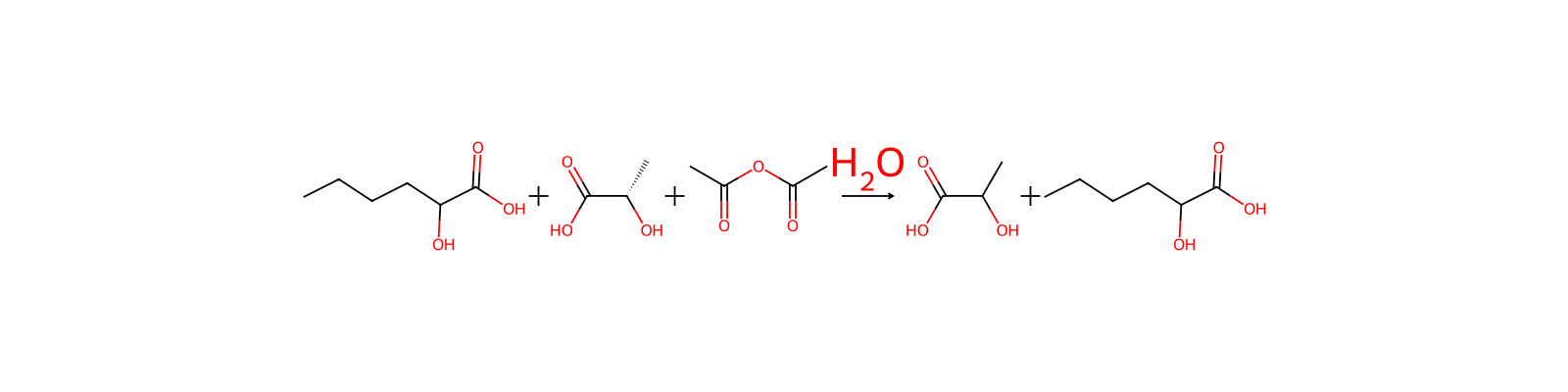
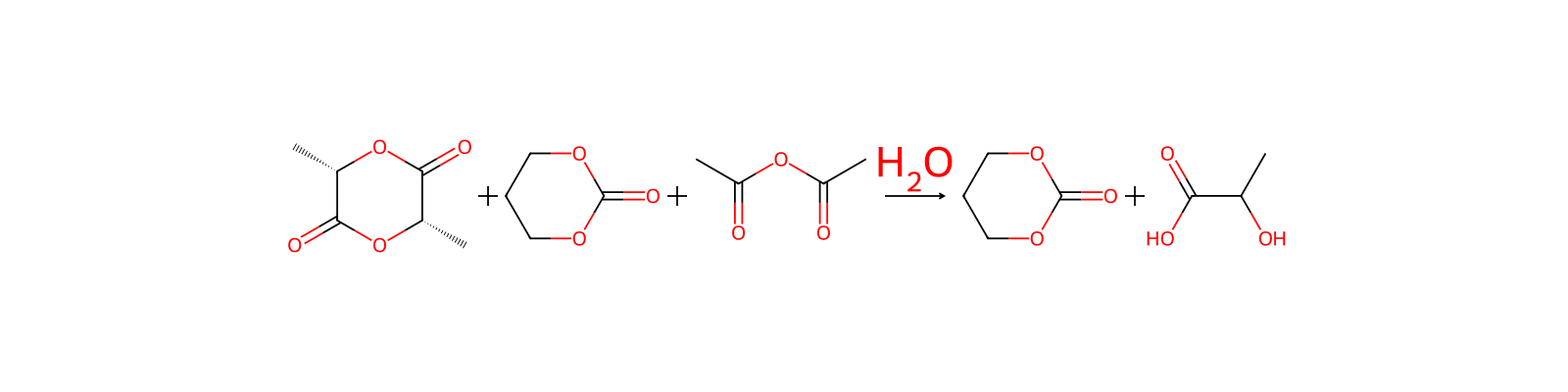
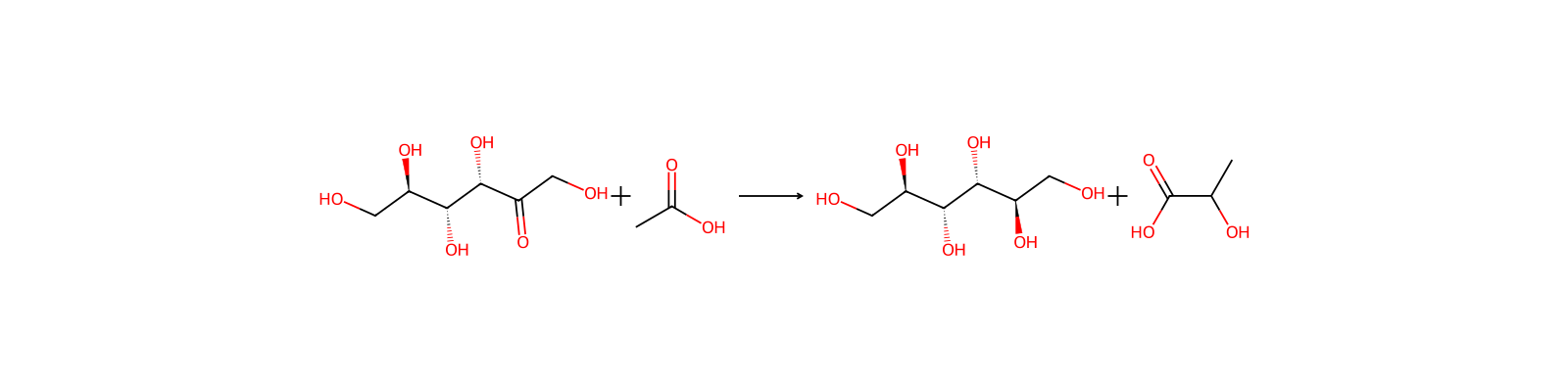
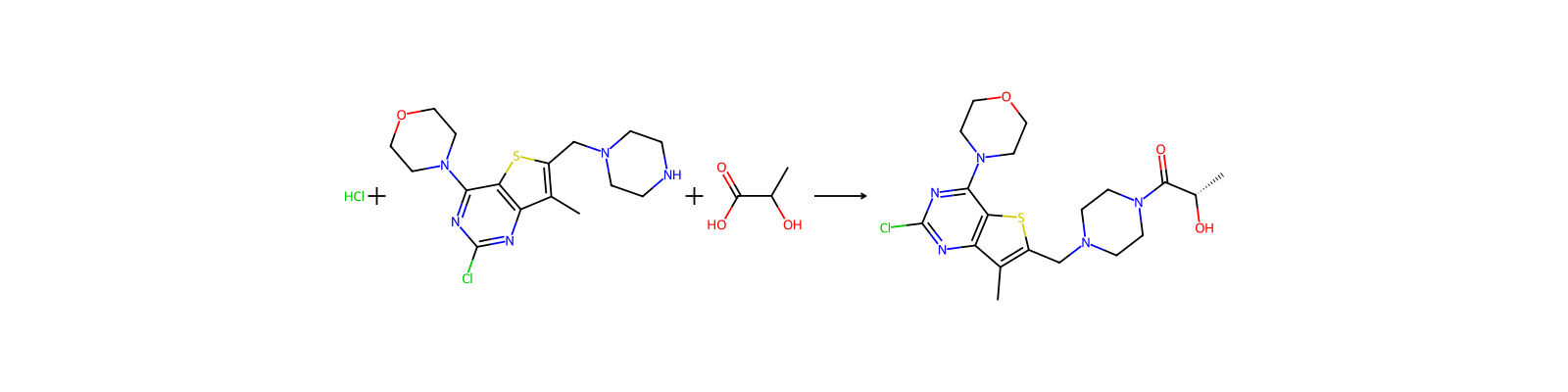
相关反应
330 条



关联笔记
加载中…