
基本信息
- 标准SMILES
C#C- InChIKey
HSFWRNGVRCDJHI-UHFFFAOYSA-N- 分子式
- C2H2
- 平均分子量
- 26.04 g/mol
- 单同位素质量
- 26.01565006
名称与标识
- 首选名称
- Acetylene
- IUPAC
- acetylene
- 英文名
- Acetylene
- 分子式
- C2H2
- 分子量
- 26.03728
名称与别名
ACETYLENEEthyneNarcylenEthineAcetylenVinylene74-86-2OC7TV75O83DTXSID6026379CHEBI:27518acetylene;ethyneRefChem:109145
展开更多名称
DTXCID906379200-816-9AzetylenC2H2EthinCH#CHHC#CHACETYLENE (1,2-13C2)
数据库标识
- CAS
74-86-2- PubChem CID
- 6326
- DTXSID
DTXSID6026379- ChEMBL
CHEMBL116336- ChEBI
CHEBI:27518- UNII
- OC7TV75O83
- EC Number
- 200-816-9
- Nikkaji
- J1.887.179C、J1.940B、J2.550.411I
性质
结构计算性质
- XLogP
- 0.4
- 极性表面积
- 0 Ų
- 氢键供体
- 0
- 氢键受体
- 0
- 可旋转键
- 0
- 重原子
- 2
- 形式电荷
- 0
- 复杂度
- 8
实验与物化性质
LogP
log Kow = 0.37
0.37
Odor
Not unpleasant odor unless impure (due to phosphine)
FAINT ODOR OF ETHER
... Faint, ethereal odor [Note: Commercial grade has a garlic-like odor ...]
Density
0.613 at -112 °F (USCG, 1999) - Less dense than water; will float
0.377 g/cu cm (pressure >1 atm)
1 L weighs 1.165 g at 0 °C and 760 mm Hg; density of gas: 0.90 (Air = 1); below 37 °C (critical temp) it liquifies at 68 atm; at 0 °C it liquifies at 21.5 atm
0.909 @ 0°C
0.91(relative gas density)
Color/FormColorless gas ... [Note: Shipped under pressure dissolved in acetone]
Solubility
2 % (NIOSH, 2024)
In water, 1200 mg/L at 25 °C
Soluble in water and many organic materials
Slightly soluble in ethanol, carbon disulfide; soluble in acetone, benzene, chloroform
One volume dissolves in 6 volumes of glacial acetic acid or alcohol. Soluble in ether, benzene. Acetone dissolves 25 volume at 15 °C, 760 mm Hg; acetone dissolves 300 vol at 12 atm
Moderately soluble in ethanol and acetic acid; very soluble in Me2CO; almost miscible in ether
Flash Point
0 °F
Closed cup: -18.15 °C (-0.7 °F).
Flammable gas
NA (Gas)
Boiling Point
-119 °F at 760 mmHg (USCG, 1999)
-84.7 °C (sublimation point)
BP: -84 °C sublimes
-84 °C @760 [mm Hg]
Sublimes
Decomposition
/Acetylene/, the extremely endothermic gas ... may decomposed explosively in absence of air ... /and/ readily escalates to detonation in tubular vessels. This type of explosive decomposition has been experienced in a 7 mile acetylene pipeline system ... Accidental local heating to 185 °C or above of part of the wall (as little as 6 sq cm may be enough) of a cylinder containing acetylene may lead to the development of an extremely dangerous situation. At this temperature, exothermic and self-sustaining decomposition of (endothermic) acetylene may set in, and if not stopped by rapid and effective cooling (large volume water spray), the cylinder may explode without warning. Flame flash-back into a cylinder from a wrongly adjusted and/or damaged welding or cutting torch can cause the same effect ...
Acetylene not dissolved in acetone may deflagrate above about 760 mm Hg absolute and becomes unstable at elevated pressures. It may decomposed into hydrogen and carbon with explosive violence.
... /Acetylene/ decomposes on heating and increasing pressure, causing fire and explosion hazard.
Melting Point
-119 °F (Sublimes) (NIOSH, 2024)
-80.7 °C (triple point)
-80.7 °C
-119 °F (Sublimes)
Vapor Density
0.91 (NIOSH, 2024) - Lighter than air; will rise (Relative to Air)
0.91 (Air = 1)
Relative vapor density (air = 1): 0.907
Odor Threshold
Odor Threshold Low: 226.0 [ppm];Odor Threshold High: 2584.0 [ppm];Odor threshold from AIHA
Air: 620 ug/L; odor safety class B; B= 50-90% of distracted persons perceive warning of TLV.
detection: 240 mg/cu m; 1300-2750 mg/cu m
The odor threshold for acetylene is 657.2 mg/cu m.
PolymerizationThe heating of acetylene may lead to polymerization reactions which are highly exothermic.
物理化学性质
- 熔点
- -80.8 °C · -80.8 °C
- 沸点
- -84 °C · -84.0 °C
- 密度
- 0.6208 g/cm3 · 0.6208 g/cm3(Temp: -82 °C)
安全与法规
GHS分类
GHS Classification
Danger
H220: Extremely flammable gas [Danger Flammable gases]
P203, P210, P222, P280, P377, P381, and P403 (click each P-code to see the statement)
Danger
危害信息
Regulatory Information
Chemical: Ethyne
Ethyne is listed on the EPA's Chemical Data Reporting (CDR) system. Manufacturers and importers of Ethyne are required to report information about their production and use of this chemical to the EPA under the Toxic Substances Control Act (TSCA). (40 eCFR Part 711)
Status: Active Update: 18-05-2022 https://echa.europa.eu/registration-dossier/-/registered-dossier/15518
Ethyne (acetylene): HSNO Approval: HSR000987 Approved with controls
The New Jersey Worker and Community Right to Know Act requires public and private employers to provide information about hazardous substances at their workplaces. (N.J.S.A. 34:5A-1 et. seq.)
DOT LabelFlammable Gas
Fire Hazards
Behavior in Fire: May explode in fire (USCG, 1999)
· EXTREMELY FLAMMABLE.;· Will be easily ignited by heat, sparks or flames.;· Will form explosive mixtures with air. Acetylene (UN1001, UN3374) may react explosively even in the absence of air.;· Disilane (UN3553) and Silane (UN2203) will ignite spontaneously in air and may re-ignite.;· Those substances designated with a (P) may polymerize explosively when heated or involved in a fire.;· Vapors from liquefied gas are initially heavier than air and spread along ground.;· Vapors may travel to source of ignition and flash back.;· Cylinders exposed to fire may vent and release flammable gas through pressure relief devices.;· Containers may explode when heated.;· Ruptured cylinders may rocket.
Extremely flammable. Gas/air mixtures are explosive.
Fire Potential
Very dangerous fire hazard when exposed to heat or flame ...
Generation of acetylene, compression...& storage of cylinders...all entail fire...hazards...
Flammable gas ... Low ignition energy ... /Acetylene, dissolved/
... /Acetylene/ decomposes on heating and increasing pressure, causing fire and explosion hazard.
Extremely flammable.
Health Hazards
Headache, dizziness and loss of consciousness may occur. Death from "smothering" may occur if oxygen content of the air is severely reduced by dilution with acetylene. (USCG, 1999)
· Vapors may cause dizziness or asphyxiation without warning, especially when in closed or confined areas.;· Some may be toxic if inhaled at high concentrations.;· Contact with gas or liquefied gas may cause burns, severe injury and/or frostbite.;· Fire may produce irritating and/or toxic gases.
Hazards Summary
Acetylene is an explosive hazard and simple asphyxiant. [LaDou, p. 558] Possible frostbite from contact with liquid; [NIOSH] Acetylene is in the list of Some volatile substances which may be abused by inhalation published on the web site of the U.N. International Drug Control Programme, indicating its potential to cause narcosis in workers. [Reference #1]
DOT ID and Guide
1001 116
1001 116
Reactive GroupAlkynes, with Acetylenic Hydrogen
EC ClassificationSymbol: F+; R: 5-6-12; S: (2)-9-16-33
UN ClassificationUN Hazard Class: 2.1
Special Reports
European Chemicals Bureau; IUCLID Dataset, Acetylene (74-86-2) (2000 CD-ROM edition). Information on usage patterns, toxicity, and environmental effects supplied by industry to the European Union.[Available from, as of September 11, 2006: http://esis.jrc.ec.europa.eu/]
EPA/Office of Pollution Prevention and Toxics; High Production Volume (HPV) Challenge Program's Robust Summaries and Test Plans for Acetylene (December 2003). Evaluates information on usage patterns, toxicity, and environmental effects supplied by industry to the U.S. EPA HPV Challenge Program.[Available from, as of April 6, 2014: http://www.epa.gov/chemrtk/pubs/summaries/acetylen/c15005.pdf]
Reactivity AlertsHighly Flammable
安全与防护
Fire Fighting
Excerpt from ERG Guide 116 [Gases - Flammable (Unstable)]:;DO NOT EXTINGUISH A LEAKING GAS FIRE UNLESS LEAK CAN BE STOPPED.;SMALL FIRE: Dry chemical or CO2.;LARGE FIRE: Water spray or fog. If it can be done safely, move undamaged containers away from the area around the fire.;FIRE INVOLVING TANKS: Fight fire from maximum distance or use unmanned master stream devices or monitor nozzles. Cool containers with flooding quantities of water until well after fire is out. Do not direct water at source of leak or safety devices; icing may occur. Withdraw immediately in case of rising sound from venting safety devices or discoloration of tank. ALWAYS stay away from tanks in direct contact with flames. For massive fire, use unmanned master stream devices or monitor nozzles; if this is impossible, withdraw from area and let fire burn. (ERG, 2024)
Shut off supply; if not possible and no risk to surroundings, let the fire burn itself out. In other cases extinguish with powder, carbon dioxide. In case of fire: keep cylinder cool by spraying with water.
First Aid Measures
Fresh air, rest. Artificial respiration may be needed. Refer for medical attention.
First rinse with plenty of water for several minutes (remove contact lenses if easily possible), then refer for medical attention.
Accidental Release Measures
· CALL 911. Then call emergency response telephone number on shipping paper. If shipping paper not available or no answer, refer to appropriate telephone number listed on the inside back cover.;· Keep unauthorized personnel away.;· Stay upwind, uphill and/or upstream.;· Many gases are heavier than air and will spread along the ground and collect in low or confined areas (sewers, basements, tanks, etc.).
· ELIMINATE all ignition sources (no smoking, flares, sparks or flames) from immediate area.;· All equipment used when handling the product must be grounded.;· Stop leak if you can do it without risk.;· Do not touch or walk through spilled material.;· Do not direct water at spill or source of leak.;· Use water spray to reduce vapors or divert vapor cloud drift. Avoid allowing water runoff to contact spilled material.;· If possible, turn leaking containers so that gas escapes rather than liquid.;· Prevent entry into waterways, sewers, basements or confined areas.;· Isolate area until gas has dispersed.
First Aid
Excerpt from NIOSH Pocket Guide for Acetylene:;Eye: FROSTBITE - If eye tissue is frozen, seek medical attention immediately; if tissue is not frozen, immediately and thoroughly flush the eyes with large amounts of water for at least 15 minutes, occasionally lifting the lower and upper eyelids. If irritation, pain, swelling, lacrimation, or photophobia persist, get medical attention as soon as possible.;Skin: FROSTBITE - If frostbite has occurred, seek medical attention immediately; do NOT rub the affected areas or flush them with water. In order to prevent further tissue damage, do NOT attempt to remove frozen clothing from frostbitten areas. If frostbite has NOT occurred, immediately and thoroughly wash contaminated skin with soap and water.;Breathing: FRESH AIR - If a person breathes large amounts of this chemical, move the exposed person to fresh air at once. Other measures are usually unnecessary. (NIOSH, 2024)
General First Aid:;· Call 911 or emergency medical service.;· Ensure that medical personnel are aware of the material(s) involved, take precautions to protect themselves and avoid contamination.;· Move victim to fresh air if it can be done safely.;· Administer oxygen if breathing is difficult.;· If victim is not breathing:;-- DO NOT perform mouth-to-mouth resuscitation; the victim may have ingested or inhaled the substance.;-- If equipped and pulse detected, wash face and mouth, then give artificial respiration using a proper respiratory medical device (bag-valve mask, pocket mask equipped with a one-way valve or other device).;-- If no pulse detected or no respiratory medical device available, provide continuous compressions. Conduct a pulse check every two minutes or monitor for any signs of spontaneous respirations.;· Remove and isolate contaminated clothing and shoes.;· For minor skin contact, avoid spreading material on unaffected skin.;· In case of contact with substance, remove immediately by flushing skin or eyes with running water for at least 20 minutes.;· For severe burns, immediate medical attention is required.;· Effects of exposure (inhalation, ingestion, or skin contact) to substance may be delayed.;· Keep victim calm and warm.;· Keep victim under observation.;· For further assistance, contact your local Poison Control Center.;· Note: Basic Life Support (BLS) and Advanced Life Support (ALS) should be done by trained professionals.;Specific First Aid:;· In case of contact with liquefied gas, only medical personnel should attempt thawing frosted parts.
(General first aid procedures);Eye: Frostbite - If eye tissue is frozen, seek medical attention immediately; if tissue is not frozen, immediately and thoroughly flush the eyes with large amounts of water for at least 15 minutes, occasionally lifting the lower and upper eyelids. If irritation, pain, swelling, lacrimation, or photophobia persist, get medical attention as soon as possible.;Skin: Frostbite - Compressed gases may create low temperatures when they expand rapidly. Leaks and uses that allow rapid expansion may cause a frostbite hazard. Wear appropriate personal protective clothing to prevent the skin from becoming frozen.;Breathing: Fresh air
Safe StorageFireproof. See Chemical Dangers. Cool.
Firefighting Hazards
On loss of containment this gas can cause suffocation by lowering the oxygen content of the air in confined areas.
Simple asphyxiant. /Acetylene, dissolved/
Exposure Control and Personal Protection· Wear positive pressure self-contained breathing apparatus (SCBA).;· Structural firefighters' protective clothing provides thermal protection but only limited chemical protection.
Fire Fighting Procedures
Stop flow of gas before extinguishing fire. Use water spray to keep fire-exposed containers cool. Approach fire from upwind to avoid hazardous vapors and toxic decomposition products. Fight fire from protected location or maximum possible distance. Use water spray, dry chemical, form, or carbon dioxide. /Acetylene, dissolved/
Stop flow of gas. ... Carbon dioxide, dry chemical and water spray are not generally recommended because the discharged gas or volatile liquid may create a more serious explosion hazard.
If material on fire or involved in fire: Do not extinguish fire unless flow can be stopped. Use water in flooding quantities as fog. Cool all affected containers with flooding quantities of water. Apply water from as far a distance as possible. /Acetylene, dissolved; Acetylene, solvent free/
Evacuation: If fire becomes uncontrollable or container is exposed to direct flame - consider evacuation of one-third (1/3) mile radius. ... /Acetylene, dissolved; Acetylene, solvent free/
For more Fire Fighting Procedures (Complete) data for ACETYLENE (9 total), please visit the HSDB record page.
Storage Conditions
Keep container in a cool, well-ventilated area. Keep container tightly closed and sealed until ready for use. Avoid all possible sources of ignition (spark or flame). Segregate from oxidizing materials. Cylinders should be stored upright, with valve protection cap in place, and firmly secured to prevent falling or being knocked over. Cylinder temperatures should not exceed 52 degC (125 degF).
Acetylene can be stored as a gas or in solution. Gaseous acetylene becomes highly explosive when compressed or heated and consequently it is stored under low pressure in large tanks or gasholders.
Outside or detached storage is preferred. Isolate from oxidizing gases, especially chlorine. Store in a cool , dry, well-ventilated location. Store cylinders upright. /Acetylene, dissolved/
Acetylene in process may be stored in atmospheric gas holders. May be stored in conventional compressed gas cylinders. Content of lines carrying acetylene must not exceed 63% copper (Cu). Storage of liquid acetylene should be avoided.
Cleanup Methods
Evacuate danger area! Consult an expert! Ventilation. Remove all ignition sources. (Extra personal protection: self-contained breathing apparatus).
Eliminate all ignition sources. Stop or control the leak, if this can be done without undue risk. Use water spray to cool and disperse vapors and protect personnel. /Acetylene, dissolved/
Nonfire Spill Response
Excerpt from ERG Guide 116 [Gases - Flammable (Unstable)]:;ELIMINATE all ignition sources (no smoking, flares, sparks or flames) from immediate area. All equipment used when handling the product must be grounded. Stop leak if you can do it without risk. Do not touch or walk through spilled material. Do not direct water at spill or source of leak. Use water spray to reduce vapors or divert vapor cloud drift. Avoid allowing water runoff to contact spilled material. If possible, turn leaking containers so that gas escapes rather than liquid. Prevent entry into waterways, sewers, basements or confined areas. Isolate area until gas has dispersed. (ERG, 2024)
Disposal Methods
SRP: The most favorable course of action is to use an alternative chemical product with less inherent propensity for occupational harm/injury/toxicity or environmental contamination. Recycle any unused portion of the material for its approved use or return it to the manufacturer or supplier. Ultimate disposal of the chemical must consider: the material's impact on air quality; potential migration in soil or water; effects on animal and plant life; and conformance with environmental and public health regulations.
SRP: Wastewater from contaminant suppression, cleaning of protective clothing/equipment, or contaminated sites should be contained and evaluated for subject chemical or decomposition product concentrations. Concentrations shall be lower than applicable environmental discharge or disposal criteria. Alternatively, pretreatment and/or discharge to a permitted wastewater treatment facility is acceptable only after review by the governing authority and assurance that "pass through" violations will not occur. Due consideration shall be given to remediation worker exposure (inhalation, dermal and ingestion) as well as fate during treatment, transfer and disposal. If it is not practicable to manage the chemical in this fashion, it must be evaluated in accordance with EPA 40 CFR Part 261, specifically Subpart B, in order to determine the appropriate local, state and federal requirements for disposal.
Gas Leakage. By forced ventilation, maintain concentration of gas below the range of explosive mixture. Remove the tank or cylinder to an open area. Leave to bleed off in the atmosphere. Disposal. Fit a pipe line into a furnace or into a pit and burn with care.
Product removed from the cylinder must be disposed of in accordance with appropriate Federal, State, local regulation. ... Do not dispose of locally.
毒理信息
Interactions
/Acetylene/ produces varying degrees of temporary and reversible /CNS depression/ when administered with oxygen in concentrations of 100,000 ppm ...
In humans, the author reported a stimulation of respiration by acetylene-oxygen mixtures (700000 - 800000 ppm). However, all but two of the seven subjects studied had been premedicated with a morphine-containing preparation which affects respiration.
The authors observed a rise in the blood pressure of cats administered acetylene-oxygen mixtures containing up to 800000 ppm. No increase was observed if the anesthetic was administered slowly and carefully.
Respiration in cats and rabbits was decreased when acetylene-oxygen mixtures were administered.
For more Interactions (Complete) data for ACETYLENE (7 total), please visit the HSDB record page.
Target Organscentral nervous system, respiratory system
Ecotoxicity ValuesLC50; Species: Salmo fario (river trout); Concentration: 200 mg/L for 33 hr /Conditions of bioassay not specified/
Environmental Fate
TERRESTRIAL FATE: Based on a classification scheme(1), an estimated Koc value of 2(SRC), determined from a log Kow of 0.37(2) and a regression-derived equation(3), indicates that acetylene is expected to have very high mobility in soil(SRC). Volatilization of acetylene from moist soil surfaces is expected to be an important fate process(SRC) given an estimated Henry's Law constant of 2.2X10⁻² atm-cu m/mole(SRC), derived from its vapor pressure, 3.65X10+4 mm Hg(4), and water solubility, 1,200 mg/L(5). Acetylene is expected to volatilize from dry soil surfaces(SRC) based upon its vapor pressure(4). A 0% theoretical BOD in 28 days using an activated sludge inoculum in the Japanese MITI test(6) suggests that biodegradation is not expected to be an important environmental fate process in soil(SRC).
AQUATIC FATE: Based on a classification scheme(1), an estimated Koc value of 2(SRC), determined from a log Kow of 0.37(2) and a regression-derived equation(3), indicates that acetylene is not expected to adsorb to suspended solids and sediment(SRC). Volatilization from water surfaces is expected(4) based upon an estimated Henry's Law constant of 2.2X10⁻² atm-cu m/mole(SRC), derived from its vapor pressure, 3.65X10+4 mm Hg(5), and water solubility, 1,200 mg/L(6). Using this Henry's Law constant and an estimation method(4), volatilization half-lives for a model river and model lake are 1.5 hrs and 2 days, respectively(SRC). According to a classification scheme(7), an estimated BCF of 3(SRC), from its log Kow(2) and a regression-derived equation(3), suggests the potential for bioconcentration in aquatic organisms is low(SRC). A 0% theoretical BOD in 28 days using an activated sludge inoculum in the Japanese MITI test(8) suggests that biodegradation is not expected to be an important environmental fate process in water(SRC).
ATMOSPHERIC FATE: According to a model of gas/particle partitioning of semivolatile organic compounds in the atmosphere(1), acetylene, which has a vapor pressure of 3.65X10+4 mm Hg at 25 °C(2), is expected to exist solely as a gas in the ambient atmosphere. Gas-phase acetylene is degraded in the atmosphere by reaction with photochemically-produced hydroxyl radicals(SRC); the half-life for this reaction in air is estimated to be 20 days(SRC), calculated from its rate constant of 8.15X10⁻¹³ cu cm/molecule-sec at 25 °C(3). Acetylene has a calculated global lifetimes ranging from 14 days(4) to 32 days(5) in the atmosphere. Acetylene does not contain chromophores that absorb at wavelengths >290 nm(6) and, therefore, is not expected to be susceptible to direct photolysis by sunlight(SRC).
Adverse EffectsNeurotoxin - Acute solvent syndrome;Other Poison - Simple Asphyxiant
Exposure Routes
The substance can be absorbed into the body by inhalation.
inhalation, skin and/or eye contact (liquid)
Signs and Symptoms
Dizziness. Lethargy. Headache. Suffocation.
headache, dizziness; asphyxia; liquid: frostbite
Effluent Concentrations
Acetylene was found in whole gas octane levels 87, 89 and 92 at 0.0022, 0.0032 and 0.0037 ppbC%, respectively(1). Acetylene has been detected 12%, 2.9% and 50% of total hydrocarbon concentration in emissions from vehicle exhaust, petroleum exhaust and petrochemical plants, respectively(2). Acetylene has been estimated to be about 12.69% of total organic gases released in exhaust from small engines(3). Acetylene was released from catalyst and non-catalyst equipped gasoline powered motor vehicle tailpipes at concentrations of 12,800 and 865,00 ug/km, respectively(4). Hydrocarbon speciation of acetylene in exhaust emissions typically are 0.0376, 0.0, and 0.0% of engine exhaust under cold start, hot stab, and hot start exhaust emissions, respectively(5). Acetylene in the air at bus garages and from motorcycle emissions in Egypt comprised of 1.3-1.7 and 3.38% by weight, respectively, of the non-methane organic contaminants in these areas(6).
Acetylene was released from the pyrolysis and combustion of scrap tire at the concentrations ranging from 0.73-1.07 and 0.002-0.54 mg/100 mg of scrap tire(1).
Acetylene comprised of 4.11, 0.34, 0.77 and 1.24% of nonmethane organic carbon emissions monitored in restaurants, tortilla, rotisserie and fried food in Mexico(1).
Soil Adsorption/Mobility
The Koc of acetylene is estimated as 2(SRC), using a log Kow of 0.37(1) and a regression-derived equation(2). According to a classification scheme(3), this estimated Koc value suggests that acetylene is expected to have very high mobility in soil. Less than 1 ppm of gas acetylene was absorbed to dry soil and a maximum of 90 ppm of acetylene was absorbed to moist soil samples taken from 6 soil samples from Oregon, Iowa and Saskatchewan, Canada(4).
Natural Pollution Sources
Acetylene was present in fine particle emissions from burning of Lobolly pine, Western Hemlock, Ponderosa pine (Pinaceae), Aceraceae/Fagaceae, Palmae/Pinaceae, and Poaceae/Pinaceae trees(1). Acetylene is released from burning wood in fireplaces and stoves(2).
Atmospheric Concentrations
URBAN/SUBURBAN: In Azuza, CA ambient acetylene value of 100 ug/cu m was measured during September 8-9 1993(1). Acetylene was found in 13/13 samples around the US during 1996 at concentrations greater than 1 ppbv(2). Acetylene was detected in the air of Taipei, Taiwan with a median concentration of 11,600 parts per trillion by volume(3). Industrial and downtown air from Edmonton, Canada during 1991-1993 had median concentrations of 2.19 and 5.89 ug/cu m, respectively(4). Acetylene was detected with a mean concentration of 40.2 mg/cu m in urban air from Porto Alegre, Brazil, March 1996-April 16, 1997(5). An observed ambient acetylene concentration of 16 ug/cu m was reported September 8-9,1993 in California south coast air(6). Acetylene was detected in 97% of the air samples taken from Washington, DC from March 1990 to March 1991 with a mean concentration of 16.1 ppbv(7). Acetylene was detected in background, residential and street site locations in Berlin, Germany from June to August 1996 in concentrations 0.47, 1.95 and 4.79 ug/cu m, respectively(8). Acetylene is labeled as one of the most prevalent non-methane organic compounds identified in urban air(9). The compound was detected at an average concentration of 4.01 ppbv in air samples from Beijing, China, sampled from June-September, 2008(10).
URBAN/SUBURBAN: ... expected ground level concentrations in USA urban air: 15 to 250 ppb
RURAL/REMOTE: Acetylene was present in air samples taken at Whiteface Mountain, Wilmington, NY, a rural mountain site in northeastern United States. Samples were collected during 12-16 July, 1994. Average concentrations were 4.2 and 3.5% of total carbon detected for nighttime and daytime, respectively. The remote site is affected by west-northesterly winds which advect photochemically-aged air masses that have been subject to anthropogenic emissions(1).
SOURCE DOMINATED: Acetylene in the air near roadways, lead smelter plants, and cast iron factories in Egypt comprised of 5.48, 0.12 and 0.40% by weight of the non-methane organic contaminants, respectively(1).
Human Toxicity Excerpts
/HUMAN EXPOSURE STUDIES/ In humans, acetylene is not acutely toxic below its lower explosive limit of 2.5% (25,000 ppm). Inhalation of 10% acetylene (100,000 ppm) for 1 hour does not cause acute toxicity. Inhalation of 33% or 35% has caused unconsciousness within 7 and 5 minutes, respectively ...
/HUMAN EXPOSURE STUDIES/ Humans exposed to 35% acetylene were unconscious after 5 min. Commencing intoxication was observed after 25 sec, marked intoxication after 1 min.
/SIGNS AND SYMPTOMS/ A simple asphyxiant. High concentrations cause /CNS depression/. 20% concentration may cause dyspnea, headache; 40% or more concentration may cause collapse.
/SIGNS AND SYMPTOMS/ Acute local: 0. Chronic local: 0. Chronic systemic: inhalation 1. 0= none: no harm under any conditions or harmful only under unusual conditions or overwhelming dosage. 1= slight: causes readily reversible changes which disappear after end of exposure. Acute systemic: inhalation 2. 2= moderate: may involve both irreversible and reversible changes not severe enough to cause death or permanent injury.
For more Human Toxicity Excerpts (Complete) data for ACETYLENE (22 total), please visit the HSDB record page.
法规信息
Regulatory Information
Chemical: Ethyne
Ethyne is listed on the EPA's Chemical Data Reporting (CDR) system. Manufacturers and importers of Ethyne are required to report information about their production and use of this chemical to the EPA under the Toxic Substances Control Act (TSCA). (40 eCFR Part 711)
Status: Active Update: 18-05-2022 https://echa.europa.eu/registration-dossier/-/registered-dossier/15518
Ethyne (acetylene): HSNO Approval: HSR000987 Approved with controls
The New Jersey Worker and Community Right to Know Act requires public and private employers to provide information about hazardous substances at their workplaces. (N.J.S.A. 34:5A-1 et. seq.)
Atmospheric Standards
This action promulgates standards of performance for equipment leaks of Volatile Organic Compounds (VOC) in the Synthetic Organic Chemical Manufacturing Industry (SOCMI). The intended effect of these standards is to require all newly constructed, modified, and reconstructed SOCMI process units to use the best demonstrated system of continuous emission reduction for equipment leaks of VOC, considering costs, non air quality health and environmental impact and energy requirements. Acetylene is produced, as an intermediate or a final product, by process units covered under this subpart.
DHS Chemicals of Interest (COI)
Acetylene
1
10000
Flammable chemical that can be released at a facility.
化学与工业
药理信息
Mechanism of Action
Acetylene alkylates the cytochrome P450 prothestic heme. This alkylation is coupled with catalytic turnover by the target enzyme and results in suicide inactivation of the enzymes. The oxidation of acetylene appears to result in the highly instable epoxide that rearranges to the keten. The structure of the prosthetic heme adduct is -CH2CHO.
Acetylene acts as a simple asphyxiant by diluting the oxygen in the air to a level which will not support life.
On loss of containment this substance /(acetylene)/ can cause suffocation by lowering the oxygen content of the air in confined areas.
... Acetylene-oxygen mixtures (750,000 to 800,000 ppm) produced an increase in blood pressure of patients during anesthesia ... attributable to stimulation of the vasomotor center.
Absorption, Distribution and Excretion
Limited data reported in the literature indicate that acetylene is rapidly absorbed and eliminated unchanged in the body ... The blood-gas partition coefficient of acetylene at normal hematocrit and body temperature is 0.833 ... indicating that the material has a greater propensity to be removed from blood than to be retained in it ... In man at rest, the rates of alveolar and mixed venous washout for acetylene calculated from the slopes of the ... alveolar plateau are 2.6% and 4.8% per second, respectively. Within 10 minutes of inhalation of acetylene for 15 minutes, the end tidal concentration was 8.0 % of its initial value. Together, these data support the contention that the lungs rapidly excrete acetylene. The gas also diffuses rapidly from the peritoneal and pleural cavities and diffuses through the skin ...
... /Acetylene/ can be absorbed into the body by inhalation.
用途与制造
Uses
A compressed gas used in the welding and cutting of metals; Was used as a general anesthetic in the 1920's; [ACGIH]
Gas Welding and Cutting [Category: Weld]
Smoking cigarettes [Category: Food & Drugs]
Illuminant, oxyacetylene welding, cutting, and soldering metals, signaling; precipitating metals, particularly copper; manufacture of acetaldehyde, acetic acid
Used for brazing, ... metallizing, hardening, flame scarfing, and local heating in metallurgy. The flame is also used in the glass industry. Chemically, acetylene is used in the manufacture of ... synthetic rubber, ... butyrolactone, ... vinyl alkyl ether, pyrrolidone.
It is used for brazing, local heating & in glass industry.
Impurities
Acetylene prepared from calcium carbide ... contains phosphine and some arsine ... up to 95 and 3 ppm respectively.
The most widely used method for producing acetylene is from calcium carbide and occasionally contains phosphine and arsine as impurities.
Crude acetylene frequently contains traces of ammonia, hydrogen sulfide, and phosphine, which are usually scrubbed out with caustic soda soln.
U.S. Exports
(1972) 1.02X10+9 GRAMS
(1975) 7.52X10+5 GRAMS
U.S. Production
2023: 100,000,000 - <250,000,000 lb;2022: 100,000,000 - <250,000,000 lb;2021: 100,000,000 - <250,000,000 lb;2020: 100,000,000 - <250,000,000 lb
Acetylene is listed as a High Production Volume (HPV) chemical (65FR81686). Chemicals listed as HPV were produced in or imported into the U.S. in >1 million pounds in 1990 and/or 1994. The HPV list is based on the 1990 Inventory Update Rule. (IUR) (40 CFR part 710 subpart B; 51FR21438).
(1972) 3.59X10+11 GRAMS
(1975) 2.10X10+11 GRAMS
(1984) 9.35X10+10 g /For chemical use only/
For more U.S. Production (Complete) data for ACETYLENE (8 total), please visit the HSDB record page.
Consumption Patterns
26.5% For vinyl chloride; 21% for welding and metal cutting; 20% for acrylates and acrylic acid; 13.5% for vinyl acetate; 7% for tetrahydrofuran; 7% for acetylenic chemicals; 3% for chlorinated solvents; 2% for other chemicals (1974).
Vinyl Chloride, 23%; Vinyl Acetate, 9%; Acrylic Acid, 5%; 1,4-Butanediol & Derivatives, 26%; Miscellaneous Chemicals, 7%; Metal Cutting and Welding, 30% (1982).
CHEMICAL PROFILE: Acetylene. Vinyl chloride monomer, 40%; 1,4-butanediol, 27%; acetylene black, 5%; miscellaneous, including vinyl ethers, vinyl fluoride, acetylenic alcohols and fuel used in production of acetylenic chemicals, 28%.
CHEMICAL PROFILE: Acetylene. Demand: 1986: 330 million lb; 1987: 338 million lb; 1991 /projected/: 375 million lb.
In the year 2000, approximately 80% of US production was used as a closed system industrial intermediate in the synthesis of other chemicals ... The remaining 20% of production was predominantly used in oxyacetylene torches for welding and metal cutting ... Currently, 96% of manufacturing capacity of the 7 major manufacturers is slated for use as a closed system industrial intermediate.
Consumer UsesIntermediate;Not Known or Reasonably Ascertainable;Fuel;Other
Industry UsesIntermediate;Fuel;Heat transferring agent;Fuel agents;Monomers;Other
Methods of Manufacturing
Recovery from refinery gases; from petrochemical raw materials by thermal processes.
Manufactured from calcium carbide and water: Eastman, United States of America patent 3017259 (1962 to Texaco); from methane: Anderson, United States of America patent 3051639 (1962 to Union Carbide).
... Acetylene is obtained from gaseous hydrocarbons (eg methane) or liquid hydrocarbons (eg petroleum products) by partial combustion, electric arc or by high temp regenerative processes. Acetylene must then be separated from resultant gas mixture.
... By cracking petroleum hydrocarbons with steam (Wulff process), or natural gas by partial oxidation (BASF process); from fuel oil by modified arc process.
The major producers in the US manufacture acetylene by either the partial oxidation of natural gas or as a co-product from the steam cracking of ethylene ... Acetylene produced by either method is used primarily as a closed system industrial intermediate. Minor producers manufacture smaller amounts of acetylene by reacting calcium carbide with water manufactured using the carbide process.
Formulations/PreparationsGrade: Technical, containing 98% acetylene and not more than 0.05% by volume of phosphine or hydrogen sulfide; 99.5%.
General Manufacturing Information
Wholesale and Retail Trade;Electrical Equipment, Appliance, and Component Manufacturing;Transportation Equipment Manufacturing;Construction;Non-metallic Mineral Product Manufacturing (includes clay, glass, cement, concrete, lime, gypsum, and other non-metallic mineral product manufacturing);Fabricated Metal Product Manufacturing;Plastics Material and Resin Manufacturing;Industrial Gas Manufacturing;Services;Machinery Manufacturing;Petrochemical Manufacturing;Miscellaneous Manufacturing
Ethyne: ACTIVE
When mixed with oxygen in proportions of 40% or more acetylene acts as ... /CNS depressant/.
In gas welding ... the oxyacetylene flame, consisting of a mixture of equal volumes of oxygen and acetylene, has a higher temperature than any other commercially available fuel gas combination ...
供应商32 家
安徽旺山旺水特种气体有限公司15906197626 · [email protected]
江西核研院新材料有限公司18901398682 18901398682 · [email protected]
湖南省华中特种气体有限公司0734-8755555 15674722888 · [email protected]
尚澜气体(上海)有限公司4001882517 13323475516 · [email protected]
山东洛克化工有限公司17653113209 13065062079 · [email protected]
上海景颜化工科技有限公司13817811078 · [email protected]
上海嘉斯保气体有限公司13218776790 13218776790 · [email protected]
上海稳同科技有限公司02151600108 13062666369 · [email protected]
济南市万理气体有限公司13245484555 · [email protected]
时美拓特种气体(上海)有限公司15757158480 · [email protected]
Xiamen AmoyChem Co., Ltd+86-86-5926051114 · [email protected]
斯百全化学(上海)有限公司021-021-021-67601398-809-809-809 15221380277 · [email protected]
HBCChem, Inc.+1-510-219-6317 · [email protected]
成都润泽本土化工有限公司13096311329 028-88469284 616445927 · [email protected]
山东智尚新材料有限公司+8617653113209 · [email protected]
上海辰楚化学有限公司13651748127
武汉百思达气体有限公司15072387200 · [email protected]
江苏奥维新材料科技有限公司13335217656; 13335217656
茂图气体设备(上海)有限公司17301833415 · [email protected]
陕西缔都医药化工有限公司+86-29-81139210 +86-17392587031 · [email protected]
淄博泽诺医药科技有限公司0533-8800999 13515338377 · [email protected]
河南天孚化工有限公司+86-0371-55170693 +86-19937530512 · [email protected]
厦门盈融达化工有限公司+86-0592-6210733 · [email protected]
career henan chemical co+86-0371-86658258 · [email protected]
SHANDONG ZHI SHANG CHEMICAL CO.LTD0531-68652808 18953170293 · [email protected]
XIAMEN AMITY INDUSTRY AND TRADE CO., LTD.+8618950047208 · [email protected]
广州市粤佳气体有限公司400-6377517 19876107228 · [email protected]
佛山市智程气体有限公司18098161577 · [email protected]
Mainchem Co., Ltd.+86-86-05926210733 · [email protected]
Hefei TNJ Chemical Industry Co.,Ltd.+86-0551-65418671 +86-189 4982 3763 · [email protected]
淄博君丽达化工有限公司18560270963 · [email protected]
陕西缔都化学有限公司17691182729 17392216275 · [email protected]
相关反应
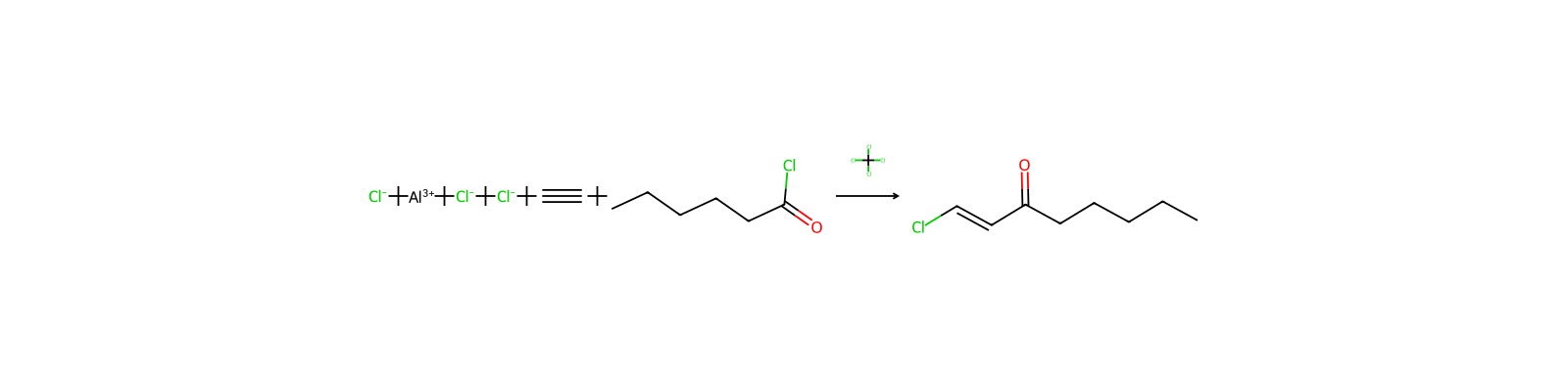
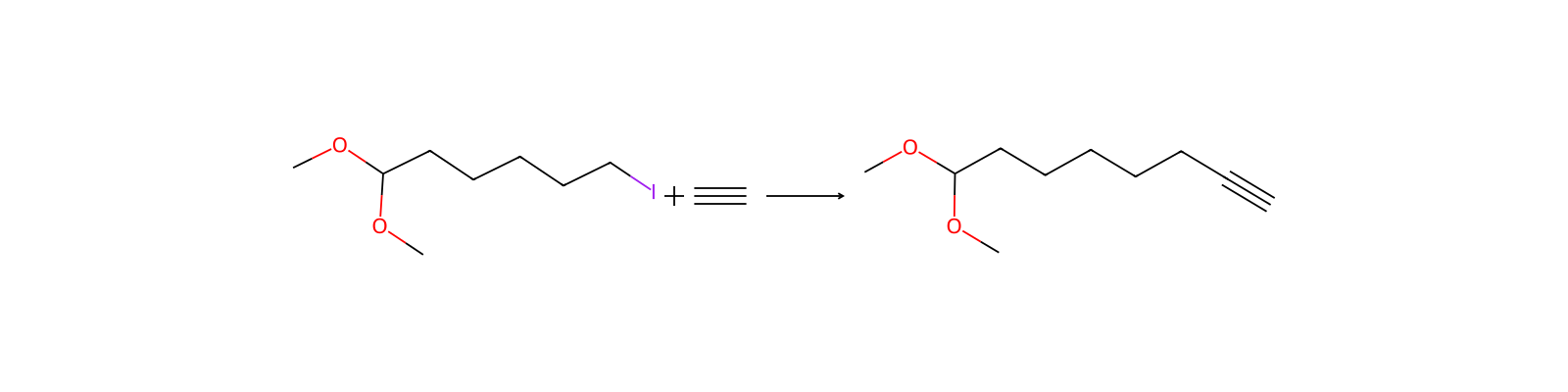
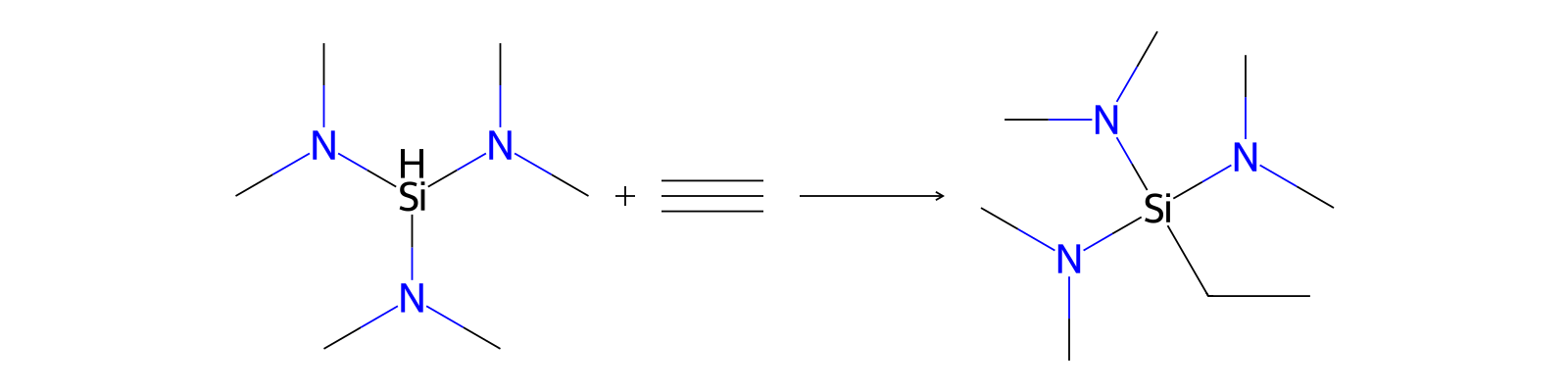
790 条



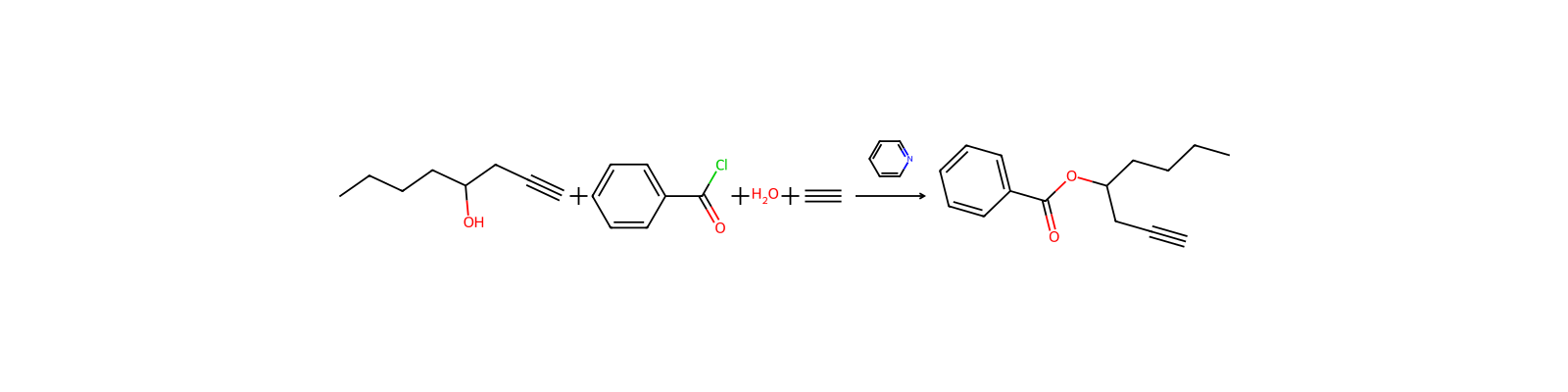
关联笔记
加载中…