
基本信息
- 标准SMILES
NCCO- InChIKey
HZAXFHJVJLSVMW-UHFFFAOYSA-N- 分子式
- C2H7NO
- 平均分子量
- 61.08 g/mol
- 单同位素质量
- 61.05276385
名称与标识
- 首选名称
- Ethanolamine
- IUPAC
- 2-aminoethanol
- 中文名
- 酸性橙 86
- 英文名
- Acid Orange 86
- 分子量
- 0
名称与别名
Ethanolamine2-aminoethanol141-43-5monoethanolamineOlamine2-Aminoethan-1-ol2-HydroxyethylaminecolamineAminoethanolEthanol, 2-amino-Ethylolamine2-Hydroxyethanamine
展开更多名称
酸性橙 86Acid Orange 86Irgalan Orange RLNavilan Orange RLDinalan Orange RLLanasyn Orange RLVicoacid Orange 86Cibalan Orange RLNACID ORANGE RL 200%,ACID ORANGE 86Acid Orange 86 ISO 9001:2015 REACH
2-Amino-1-ethanolbeta-Hydroxyethylamine2-Ethanolamine1-Amino-2-hydroxyethanebeta-Aminoethyl alcoholThiofaco M-50Aethanolamin2-Aminoethyl alcohol
数据库标识
- CAS
12220-07-4、12220-09-6、141-43-5、9007-33-4- PubChem CID
- 700
- DTXSID
DTXSID6022000- ChEMBL
CHEMBL104943- ChEBI
CHEBI:16000- UNII
- 5KV86114PT
- EC Number
- 205-483-3、602-038-9、618-436-0、682-672-0
- Nikkaji
- J2.536D
性质
结构计算性质
- XLogP
- -1.3
- 极性表面积
- 46.3 Ų
- 氢键供体
- 2
- 氢键受体
- 2
- 可旋转键
- 1
- 重原子
- 4
- 形式电荷
- 0
- 复杂度
- 10
实验与物化性质
pH25% aqueous solution: 12.1; 0.1 N aqueous solution: 12.05
LogP
-1.31
log Kow = -1.31
-1.31
-1.31 (estimated)
OdorUnpleasant, ammonia-like
Density
1.016 at 68 °F (USCG, 1999) - Denser than water; will sink
1.0180 g/cu cm at 20 °C
Relative density (water = 1): 1.02
1.02
1.0180 @ 20°C
1.02
Viscosity18.95 cP at 25 °C; 5.03 cP at 60 °C
Color/FormColorless, viscous liquid or solid (below 51 °F)
Solubility
greater than or equal to 100 mg/mL at 68 °F (NTP, 1992)
1000000
In water, 1X10+6 mg/L at 25 °C (miscible)
Miscible with methanol, acetone, glycerin; solubility at 25 °C: in benzene: 1.4%, in ether: 2.1%, in carbon tetrachloride: 0.2%, in n-heptane: less than 0.1%. Immiscible with ether, solvent hexane, fixed oils, although it dissolves many essential oils
Miscible with ethanol, glycerol; soluble in chloroform; slightly soluble in ether, ligroin
1000.0 mg/mL
Flash Point
200 °F (NTP, 1992)
86 °C
86 °C (187 °F)
185 °F (85 °C) (closed cup)
85 °C c.c.
186 °F
Boiling Point
338 °F at 760 mmHg (NTP, 1992)
171
170.3 °C
171 °C
339 °F
171 °C @760 [mm Hg]
DecompositionWhen heated to decomposition it emits toxic fumes of /nitrogen oxides/.
Melting Point
50.5 °F (NTP, 1992)
10.5
10.4 °C
Deliquescent crystals from alcohol, mp: 75-77 °C /Hydrochloride/
10.5 °C
10 °C
Vapor Density
2.1 (NTP, 1992) - Heavier than air; will sink (Relative to Air)
2.1 (Air = 1)
Relative vapor density (air = 1): 2.1
2.1
安全与法规
GHS分类
GHS Classification
Danger
H302: Harmful if swallowed [Warning Acute toxicity, oral];H312: Harmful in contact with skin [Warning Acute toxicity, dermal];H314: Causes severe skin burns and eye damage [Danger Skin corrosion/irritation];H332: Harmful if inhaled [Warning Acute toxicity, inhalation]
P260, P261, P264, P270, P271, P280, P301+P317, P301+P330+P331, P302+P352, P302+P361+P354, P304+P340, P305+P354+P338, P316, P317, P321, P330, P362+P364, P363, P405, and P501 (click each P-code to see the statement)
This chemical does not meet GHS hazard criteria for < 0.1% (2 of 4786) of reports.
危害信息
Regulatory Information
Chemical: Ethanol, 2-amino-
Chemical: C.I. Acid Orange 86
Ethanol, 2-amino- is listed on the EPA's Chemical Data Reporting (CDR) system. Manufacturers and importers of Ethanol, 2-amino- are required to report information about their production and use of this chemical to the EPA under the Toxic Substances Control Act (TSCA). (40 eCFR Part 711)
Status: Active Update: 24-04-2023 https://echa.europa.eu/registration-dossier/-/registered-dossier/15808;Status: Active Update: 07-01-2016 https://echa.europa.eu/registration-dossier/-/registered-dossier/16809;Status: Active Update: 31-05-2013 https://echa.europa.eu/registration-dossier/-/registered-dossier/6510;Status: No longer Valid Update: 02-12-2011 https://echa.europa.eu/registration-dossier/-/registered-dossier/6501
Ethanolamine: Does not have an individual approval but may be used under an appropriate group standard
C.I. Acid Orange 86: Does not have an individual approval but may be used as a component in a product covered by a group standard. It is not approved for use as a chemical in its own right.
Other Safety InformationIMAP assessments - Ethanol, 2-amino-: Environment tier I assessment;IMAP assessments - Ethanol, 2-amino-: Human health tier II assessment
DOT LabelCorrosive
Fire Hazards
Special Hazards of Combustion Products: Irritating vapors generated when heated. (USCG, 1999)
· Combustible material: may burn but does not ignite readily.;· When heated, vapors may form explosive mixtures with air: indoors, outdoors and sewers explosion hazards.;· Those substances designated with a (P) may polymerize explosively when heated or involved in a fire.;· Corrosives in contact with metals may evolve flammable hydrogen gas.;· Containers may explode when heated.;· Runoff may pollute waterways.;· Substance may be transported in a molten form.
· Combustible material: may burn but does not ignite readily.;· When heated, vapors may form explosive mixtures with air: indoors, outdoors and sewers explosion hazards.;· Those substances designated with a (P) may polymerize explosively when heated or involved in a fire.;· Corrosives in contact with metals may evolve flammable hydrogen gas.;· Containers may explode when heated.;· Runoff may pollute waterways.;· Substance may be transported in a molten form.
Combustible. Gives off irritating or toxic fumes (or gases) in a fire. Above 85 °C explosive vapour/air mixtures may be formed.
Fire PotentialCombustible liquid.
Health Hazards
Vapor irritates eyes and nose. Liquid causes local injury to mouth, throat, digestive tract, skin, and eyes. (USCG, 1999)
· TOXIC and/or CORROSIVE; inhalation, ingestion or skin contact with material may cause severe injury or death.;· Methyl bromoacetate (UN2643) is an eye irritant/lachrymator (causes flow of tears).;· Contact with molten substance may cause severe burns to skin and eyes.;· Avoid any skin contact.;· Fire may produce irritating, corrosive and/or toxic gases.;· Runoff from fire control or dilution water may be corrosive and/or toxic and cause environmental contamination.
· TOXIC and/or CORROSIVE; inhalation, ingestion or skin contact with material may cause severe injury or death.;· Methyl bromoacetate (UN2643) is an eye irritant/lachrymator (causes flow of tears).;· Contact with molten substance may cause severe burns to skin and eyes.;· Avoid any skin contact.;· Fire may produce irritating, corrosive and/or toxic gases.;· Runoff from fire control or dilution water may be corrosive and/or toxic and cause environmental contamination.
Hazards Summary
Liquid causes first degree burns on short exposure; [CHRIS] Ethanolamine is a skin irritant. [Quick CPC] Occupational asthma reported in hairdressers; [Malo] Toxic to the liver in subchronic inhalation studies of animals; [ACGIH] It is an irritant, but allergic contact dermatitis has been reported. [Kanerva, p. 1817] A skin, eye, and respiratory tract irritant; Inhalation of high concentrations can cause CNS depression; Can cause skin sensitization; [ICSC] Danger of skin sensitization; [MAK]
DOT ID and Guide
2491 153
2491 153
2491 153
FDA RequirementsEthanolamine is an indirect food additive for use only as a component of adhesives. /Ethanolamine/
Reactive GroupAlcohols and Polyols;Amines, Phosphines, and Pyridines
UN ClassificationUN Hazard Class: 8; UN Pack Group: III
Special Reports
Beyer KH Jr et al; Final Report on the Safety Assessment of Triethanolamine, Diethanolamine, and Monoethanolamine; J Am Coll Toxicol 2 (7): 183-235 (1983). A review with 245 references of oral and dermal toxicity, skin irritation, mutagenicity, carcinogenicity, sensitization, phototoxicity and photosensitization data on monoethanolamine.
安全与防护
Fire Fighting
Excerpt from ERG Guide 153 [Substances - Toxic and/or Corrosive (Combustible)]:;SMALL FIRE: Dry chemical, CO2 or water spray.;LARGE FIRE: Dry chemical, CO2, alcohol-resistant foam or water spray. If it can be done safely, move undamaged containers away from the area around the fire. Dike runoff from fire control for later disposal.;FIRE INVOLVING TANKS, RAIL TANK CARS OR HIGHWAY TANKS: Fight fire from maximum distance or use unmanned master stream devices or monitor nozzles. Do not get water inside containers. Cool containers with flooding quantities of water until well after fire is out. Withdraw immediately in case of rising sound from venting safety devices or discoloration of tank. ALWAYS stay away from tanks in direct contact with flames. (ERG, 2024)
Use water spray, powder, alcohol-resistant foam, carbon dioxide.
First Aid Measures
Fresh air, rest. Refer immediately for medical attention.
Remove contaminated clothes. Rinse skin with plenty of water or shower. Refer immediately for medical attention .
Rinse with plenty of water for several minutes (remove contact lenses if easily possible). Refer immediately for medical attention.
Rinse mouth. Do NOT induce vomiting. Refer immediately for medical attention.
Accidental Release Measures
· CALL 911. Then call emergency response telephone number on shipping paper. If shipping paper not available or no answer, refer to appropriate telephone number listed on the inside back cover.;· Keep unauthorized personnel away.;· Stay upwind, uphill and/or upstream.;· Ventilate closed spaces before entering, but only if properly trained and equipped.
· ELIMINATE all ignition sources (no smoking, flares, sparks or flames) from immediate area.;· Do not touch damaged containers or spilled material unless wearing appropriate protective clothing.;· Stop leak if you can do it without risk.;· Prevent entry into waterways, sewers, basements or confined areas.;· Absorb or cover with dry earth, sand or other non-combustible material and transfer to containers.;· DO NOT GET WATER INSIDE CONTAINERS.
First Aid
EYES: First check the victim for contact lenses and remove if present. Flush victim's eyes with water or normal saline solution for 20 to 30 minutes while simultaneously calling a hospital or poison control center. Do not put any ointments, oils, or medication in the victim's eyes without specific instructions from a physician. IMMEDIATELY transport the victim after flushing eyes to a hospital even if no symptoms (such as redness or irritation) develop.;SKIN: IMMEDIATELY flood affected skin with water while removing and isolating all contaminated clothing. Gently wash all affected skin areas thoroughly with soap and water. IMMEDIATELY call a hospital or poison control center even if no symptoms (such as redness or irritation) develop. IMMEDIATELY transport the victim to a hospital for treatment after washing the affected areas.;INHALATION: IMMEDIATELY leave the contaminated area; take deep breaths of fresh air. If symptoms (such as wheezing, coughing, shortness of breath, or burning in the mouth, throat, or chest) develop, call a physician and be prepared to transport the victim to a hospital. Provide proper respiratory protection to rescuers entering an unknown atmosphere. Whenever possible, Self-Contained Breathing Apparatus (SCBA) should be used; if not available, use a level of protection greater than or equal to that advised under Protective Clothing.;INGESTION: DO NOT INDUCE VOMITING. Corrosive chemicals will destroy the membranes of the mouth, throat, and esophagus and, in addition, have a high risk of being aspirated into the victim's lungs during vomiting which increases the medical problems. If the victim is conscious and not convulsing, give 1 or 2 glasses of water to dilute the chemical and IMMEDIATELY call a hospital or poison control center. IMMEDIATELY transport the victim to a hospital. If the victim is convulsing or unconscious, do not give anything by mouth, ensure that the victim's airway is open and lay the victim on his/her side with the head lower than the body. DO NOT INDUCE VOMITING. Transport the victim IMMEDIATELY to a hospital. (NTP, 1992)
General First Aid:;· Call 911 or emergency medical service.;· Ensure that medical personnel are aware of the material(s) involved, take precautions to protect themselves and avoid contamination.;· Move victim to fresh air if it can be done safely.;· Administer oxygen if breathing is difficult.;· If victim is not breathing:;-- DO NOT perform mouth-to-mouth resuscitation; the victim may have ingested or inhaled the substance.;-- If equipped and pulse detected, wash face and mouth, then give artificial respiration using a proper respiratory medical device (bag-valve mask, pocket mask equipped with a one-way valve or other device).;-- If no pulse detected or no respiratory medical device available, provide continuous compressions. Conduct a pulse check every two minutes or monitor for any signs of spontaneous respirations.;· Remove and isolate contaminated clothing and shoes.;· For minor skin contact, avoid spreading material on unaffected skin.;· In case of contact with substance, remove immediately by flushing skin or eyes with running water for at least 20 minutes.;· For severe burns, immediate medical attention is required.;· Effects of exposure (inhalation, ingestion, or skin contact) to substance may be delayed.;· Keep victim calm and warm.;· Keep victim under observation.;· For further assistance, contact your local Poison Control Center.;· Note: Basic Life Support (BLS) and Advanced Life Support (ALS) should be done by trained professionals.;Specific First Aid:;· For corrosives, in case of contact, immediately flush skin or eyes with running water for at least 30 minutes. Additional flushing may be required.
General First Aid:;· Call 911 or emergency medical service.;· Ensure that medical personnel are aware of the material(s) involved, take precautions to protect themselves and avoid contamination.;· Move victim to fresh air if it can be done safely.;· Administer oxygen if breathing is difficult.;· If victim is not breathing:;-- DO NOT perform mouth-to-mouth resuscitation; the victim may have ingested or inhaled the substance.;-- If equipped and pulse detected, wash face and mouth, then give artificial respiration using a proper respiratory medical device (bag-valve mask, pocket mask equipped with a one-way valve or other device).;-- If no pulse detected or no respiratory medical device available, provide continuous compressions. Conduct a pulse check every two minutes or monitor for any signs of spontaneous respirations.;· Remove and isolate contaminated clothing and shoes.;· For minor skin contact, avoid spreading material on unaffected skin.;· In case of contact with substance, remove immediately by flushing skin or eyes with running water for at least 20 minutes.;· For severe burns, immediate medical attention is required.;· Effects of exposure (inhalation, ingestion, or skin contact) to substance may be delayed.;· Keep victim calm and warm.;· Keep victim under observation.;· For further assistance, contact your local Poison Control Center.;· Note: Basic Life Support (BLS) and Advanced Life Support (ALS) should be done by trained professionals.;Specific First Aid:;· For corrosives, in case of contact, immediately flush skin or eyes with running water for at least 30 minutes. Additional flushing may be required.
(General first aid procedures);Eye: Irrigate immediately - If this chemical contacts the eyes, immediately wash (irrigate) the eyes with large amounts of water, occasionally lifting the lower and upper lids. Get medical attention immediately.;Skin: Water flush promptly - If this chemical contacts the skin, flush the contaminated skin with water promptly. If this chemical penetrates the clothing, immediately remove the clothing and flush the skin with water promptly. If irritation persists after washing, get medical attention.;Breathing: Respiratory support;Swallow: Medical attention immediately - If this chemical has been swallowed, get medical attention immediately.
Safe StorageSeparated from strong oxidants, strong acids, aluminium and food and feedstuffs. Dry. Ventilation along the floor. Store in an area without drain or sewer access.
Exposure Control and Personal Protection
· Wear positive pressure self-contained breathing apparatus (SCBA).;· Wear chemical protective clothing that is specifically recommended by the manufacturer when there is NO RISK OF FIRE.;· Structural firefighters' protective clothing provides thermal protection but only limited chemical protection.
· Wear positive pressure self-contained breathing apparatus (SCBA).;· Wear chemical protective clothing that is specifically recommended by the manufacturer when there is NO RISK OF FIRE.;· Structural firefighters' protective clothing provides thermal protection but only limited chemical protection.
0.2 [ppm]
Fire Fighting Procedures
Suitable extinguishing media: Use water spray, alcohol-resistant foam, dry chemical or carbon dioxide.
Advice for firefighters: Wear self-contained breathing apparatus for firefighting if necessary.
Use water spray to cool unopened containers.
Use water spray, dry chemical "alcohol resistant" foam, or carbon dioxide. Use water to keep fire-exposed containers cool.
Wear special protective clothing and positive pressure self-contained breathing apparatus.
Storage Conditions
Keep container tightly closed in a dry and well-ventilated place. Containers which are opened must be carefully resealed and kept upright to prevent leakage. Hygroscopic. Handle and store under inert gas.
Separate from oxidizing materials, acids, and halogens. Store in a cool, dry, well-ventilated location.
Cleanup Methods
Accidental release measures. Personal precautions, protective equipment and emergency procedures: Use personal protective equipment. Avoid breathing vapors, mist or gas. Ensure adequate ventilation. Remove all sources of ignition. Evacuate personnel to safe areas. Beware of vapors accumulating to form explosive concentrations. Vapors can accumulate in low areas.; Environmental precautions: Prevent further leakage or spillage if safe to do so. Do not let product enter drains. Discharge into the environment must be avoided.; Methods and materials for containment and cleaning up: Contain spillage, and then collect with an electrically protected vacuum cleaner or by wet-brushing and place in container for disposal according to local regulations ... Keep in suitable, closed containers for disposal.
1. Remove all ignition sources. 2. Ventilate area of spill or leak. 3. If in liquid form, for small quantities, absorb on paper towels. Evaporate in a safe place (such as a fume hood). Allow sufficient time for evaporating vapors to completely clear the hood ductwork. Burn the paper in a suitable location away from combustible materials. Large quantities can be reclaimed or collected and atomized in a suitable combustion chamber equipped with an appropriate effluent gas cleaning device. 4. If in solid form, allow to melt and follow (3) above.
Nonfire Spill Response
Excerpt from ERG Guide 153 [Substances - Toxic and/or Corrosive (Combustible)]:;ELIMINATE all ignition sources (no smoking, flares, sparks or flames) from immediate area. Do not touch damaged containers or spilled material unless wearing appropriate protective clothing. Stop leak if you can do it without risk. Prevent entry into waterways, sewers, basements or confined areas. Absorb or cover with dry earth, sand or other non-combustible material and transfer to containers. DO NOT GET WATER INSIDE CONTAINERS. (ERG, 2024)
Disposal Methods
SRP: Recycle any unused portion of the material for its approved use or return it to the manufacturer or supplier. Ultimate disposal of the chemical must consider: the material's impact on air quality; potential migration in air, soil or water; effects on animal, aquatic and plant life; and conformance with environmental and public health regulations. If it is possible or reasonable use an alternative chemical product with less inherent propensity for occupational harm/injury/toxicity or environmental contamination.
Product: This combustible material may be burned in a chemical incinerator equipped with an afterburner and scrubber. Offer surplus and non-recyclable solutions to a licensed disposal company. Contact a licensed professional waste disposal service to dispose of this material. Contaminated packaging: Dispose of as unused product.
Spillage Disposal
Personal protection: filter respirator for ammonia and organic ammonia derivatives adapted to the airborne concentration of the substance. Collect leaking liquid in sealable plastic containers. Absorb remaining liquid in inert absorbent. Then wash away with plenty of water. Do NOT let this chemical enter the environment.
毒理信息
Body Burden
A number of aliphatic amines have been identified as normal constituents of mammalian and human urine, including ethanolamine(1). Average excretion rate: men - 0.162 mg/kg per day; women - 0.492 mg/kg per day; cats 0.47 mg/kg per day; rats - 01.46 mg/kg per day; and rabbits - 1.0 mg/kg per day(1).
Interactions
... Here we investigated hair dye-induced dermatitis and hair loss using in vivo mouse model to uncover the causative ingredients. Commercially available hair dye products or combination of the ingredients of hair dye product were applied topically for 3 days on the dorsum of the female C57BL/6 mice and, dermatitis and hair loss were examined. The mice treated with hair dye products exhibited unequivocal signs of hair loss and dermatitis. To find out causative ingredients, combinations of the representative components of hair dye including reducing agents, the mixture of dye and monoethanolamine (MEA), ammonia, and hydrogen peroxide (H(2)O(2)) were applied and thereafter, hair loss and dermatitis were evaluated. All the groups treated with the combinations containing H(2)O(2) and neutralized dye mixture manifested hair loss and dermatitis. Subsequent experiments revealed that H(2)O(2) and MEA synergistically induced hair loss and dermatitis. Histological examination showed that oxidative stress may be the mechanism underlying hair-dye induced dermatitis. Consistently, H(2)O(2) and MEA synergistically induced oxidative stress and cytotoxicity in human keratinocytes. These results suggest that H(2)O(2) and MEA may be the key causative ingredients for hair dye-associated dermatitis and hair loss.
Target OrgansEyes, skin, respiratory system, central nervous system
Ecotoxicity Values
EC50; Species: Pseudomonas putida (bacteria); Concentration: 12,200 mg/L for 2 hr; Effect: inhibition of NH3- oxidation /Conditions of bioassay not specified in source examined/
LC50; Species: Carassius auratus (Goldfish); Conditions: static; Concentration: 190 mg/L for 24 hr
LC50; Species: Carassius auratus (Goldfish); Conditions: static; Concentration: 170 mg/L for 96 hr
LC50; Species: Gambusia affinis (Western mosquitofish); Concentration: 375 mg/L for 24 hr /Conditions of bioassay not specified in source examined/
For more Ecotoxicity Values (Complete) data for 2-AMINOETHANOL (20 total), please visit the HSDB record page.
Environmental Fate
TERRESTRIAL FATE: Based on a classification scheme(1), an estimated Koc value of 0.59(SRC), determined from a log Kow of -1.31(2) and a regression-derived equation(3), indicates that 2-aminoethanol is expected to have very high mobility in soil(SRC). However, absorption is affected by the acidity of the soil(SRC). The pKa of 2-aminoethanol is 9.5(4), indicating that this compound will exist almost in the cation form in the environment and cations generally adsorb more strongly to soils containing organic carbon and clay than their neutral counterparts(5). Volatilization from moist soil is not expected because the compound exists as a cation and cations do not volatilize. 2-aminoethanol is not expected to volatilize from dry soil surfaces(SRC) based upon a vapor pressure of 0.404 mm Hg at 25 °C(6). Using the Closed Bottle, CO2 Evolution, and MITI tests, 2-aminoethanol exhibited 64.4, 91.4, and 71.2% CO2 evolution, respectively, after 28 days(7), suggesting that biodegradation is an important environmental fate process in soil(SRC).
AQUATIC FATE: Based on a classification scheme(1), an estimated Koc value of 0.59(SRC), determined from a log Kow of -1.31(2) and a regression-derived equation(3), indicates that 2-aminoethanol is not expected to adsorb to suspended solids and sediment(SRC). However, adsorption can be affected by the acidity of the substrate(SRC). A pKa of 9.5(4) indicates 2-aminoethanol will exist almost entirely in the cation form at pH values of 5 to 9 and, therefore, volatilization from water surfaces is not expected to be an important fate process(SRC). According to a classification scheme(5), an estimated BCF of 3.2(SRC), from its log Kow(2) and a regression-derived equation(3), suggests the potential for bioconcentration in aquatic organisms is low(SRC). Using the Closed Bottle, CO2 Evolution, and MITI tests, 2-aminoethanol exhibited 64.4, 91.4, and 71.2% CO2 evolution, respectively, after 28 days(6), suggesting that biodegradation is an important environmental fate process in water(SRC).
ATMOSPHERIC FATE: According to a model of gas/particle partitioning of semivolatile organic compounds in the atmosphere(1), 2-aminoethanol, which has a vapor pressure of 0.404 mm Hg at 25 °C(2), is expected to exist solely as a vapor in the ambient atmosphere. Vapor-phase 2-aminoethanol is degraded in the atmosphere by reaction with photochemically-produced hydroxyl radicals(SRC); the half-life for this reaction in air is estimated to be 3.6 hours(SRC), calculated from its rate constant of 3.6X10⁻¹¹ cu cm/molecule-sec at 25 °C(SRC) that was derived using a structure estimation method(3). 2-Aminoethanol does not contain chromophores that absorb at wavelengths >290 nm(4) and, therefore, is not expected to be susceptible to direct photolysis by sunlight(SRC).
Food Survey Values2-Aminoethanol was detected, not quantified in 24 Italian Cheeses(1). 2-Aminoethanol was detected in prune, plum, peach and nectarine juices at 1-6, 4, and 1 mg/L(2). 2-Aminoethanol has been identified as a meat volatile of chicken(3).
Adverse Effects
Occupational hepatotoxin - Secondary hepatotoxins: the potential for toxic effect in the occupational setting is based on cases of poisoning by human ingestion or animal experimentation.;Dermatotoxin - Skin burns.;Skin Sensitizer - An agent that can induce an allergic reaction in the skin.;Asthma - Reversible bronchoconstriction (narrowing of bronchioles) initiated by the inhalation of irritating or allergenic agents.
Exposure Routes
The substance can be absorbed into the body by inhalation of its vapour, through the skin and by ingestion.
inhalation, ingestion, skin and/or eye contact
Toxicity Summary
The CIR Expert Panel concluded that ethanolamine and the 12 related ethanolamine salts, listed below, are safe in the present practices of use and concentration described in this safety assessment (rinse-off products only) when formulated to be non-irritating. The Panel cautioned that ingredients should not be used in cosmetic products in which N-nitroso compounds may be formed...Ethanolamine...
Safe for use in cosmetics, with qualifications
The CIR Expert Panel concluded that ethanolamine and the 12 related ethanolamine salts, listed below, are safe in the present practices of use and concentration described in this safety assessment (rinse-off products only) when formulated to be non-irritating. The Panel cautioned that ingredients should not be used in cosmetic products in which N-nitroso compounds may be formed...Monoethanolamine...
Safe for use in cosmetics, with qualifications
IDENTIFICATION AND USE: 2-Aminoethanol is a colorless, viscous liquid or solid (below 51 °F). It is not registered for current pesticide use in the U.S., but approved pesticide uses may change periodically and so federal, state and local authorities must be consulted for currently approved uses. The dual function groups, amino and hydroxyl, make it useful in cutting fluids and as intermediates in the production of surfactants, soaps, salts, corrosion control inhibitors, and in pharmaceutical and miscellaneous applications. 2-Aminoethanol and other amines appear to be potentially useful components of topical formulations used to decontaminate and protect the skin against chemical warfare agents. As a pharmaceutical adjuvant, it is used as a solvent for fats and oils, and in combination with fatty acids forms soaps in the formulations of various types of emulsion such as lotions and creams. It is used in hydraulic fracturing. HUMAN EXPOSURE AND TOXICITY: A concentration of 5.9% is irritating to human skin. Symptoms associated with CNS depression in humans include increased blood pressure, diuresis, salivation, and pupillary dilation. Large doses produce sedation, coma, and death following depression of blood pressure and cardiac collapse. 2-Aminoethanol inhalation by humans has been reported to cause immediate allergic responses of dyspnea and asthma and clinical symptoms of acute liver damage and chronic hepatitis. ANIMAL STUDIES: Undiluted liquid causes redness and swelling when applied to the skin of the rabbit. Administration of 2-aminoethanol by the intravenous route in dogs produced increased blood pressure, diuresis, salivation, and pupillary dilation. Rats, mice, rabbits, and guinea pigs exposed to vapor or mist at high concentrations (up to 1250 ppm) developed pulmonary, hepatic, and renal lesions. In a 90-day subacute oral toxicity study of 2-aminoethanol in rats that a maximum daily dose of 0.32 g/kg resulted in no effect; 0.64 g/kg/day resulted in altered
Ecotoxicity Excerpts
/AQUATIC SPECIES/ Monoethanolamine (MEA), diethanolamine (DEA) and triethanolamine (TEA) are compounds with potential acute, sub-chronic and chronic toxicity effects towards aquatic species. A literature review highlighted the existence of a gap in the knowledge on their toxicity with saltwater testing species. A battery of toxicity tests including the alga Phaeodactylum tricornutum Bohlin, the bivalve molluscs Crassostrea gigas (Thunberg) and Mytilus galloprovincialis (Lmk), and the crustacean Artemia franciscana, was considered to update and improve the existing ecotoxicological information. Data were provided as the Effective Concentration that induces a 50% effect in the observed population (EC50), Lowest Observed Effect Concentration (LOEC) and No Observed Effect Concentration (NOEC). EC50, LOEC and NOEC values were compared with a reviewed database containing the existing ecotoxicological data from saltwater organisms.
/AQUATIC SPECIES/ The influence of monoethanolamine (MEA) as a CO(2) absorbent on photoautotrophic culture of CO(2)-fixing microalgae was investigated. When 300 ppm MEA (4.92 mM) was added to blank culture medium, the dissolved inorganic carbon and the molar absorption ratio increased to 51.0 mg/L and 0.34 mol CO2 = mol MEA, respectively, which was an almost 6-fold increase in CO(2) solubility. When free MEA up to 300 mg/L was added to a green alga Scenedesmus sp. culture that was supplied 5% (v/v) CO(2) at 0.1 vvm, both cell growth rate and final cell density were enhanced compared to when no MEA was added. The cell growth rate reached 288.6 mg/L/d, which was equivalent to 539.6 mg CO(2)/L/d as a CO(2)-fixation rate and enhancement of about 63.0% compared to not adding MEA. Chlorophyll-a content and nitrate consumption rate increased correspondingly. MEA doses higher than 400mg/L inhibited cell growth, probably due to toxicity of the carbamate intermediate.
/AQUATIC SPECIES/ ... Aquatic toxicity tests were conducted using zebra fish fry (Brachydanio rerio) and the unicellular algae Isochrysis galbana (a flagellate) and Chaetoceros gracilis (a diatom). Inhibition of cell division, chlorophyll content, and (14)CO2 uptake in the algae were sensitive end points. ... Monoethanolamine had an LC50 /in the zebra fish fry/ higher than 5,000 mg/L.
/PLANTS/ The cowpea aphid Aphis craccivora that infests the black locust Robinia pseudoacacia shows toxicity to its predator, the multicolored Asian ladybird beetle, Harmonia axyridis. In contrast, the same aphid species that infests the common vetch, Vicia angustifolia, is suitable prey for H. axyridis larvae. Previously, it was reported that the toxicity of A. craccivora infesting R. pseudoacacia was due to canavanine and 2-aminoethanol, but there was some doubt about the toxicity of these compounds and their concentrations in the aphids. In the present study, we determined the concentrations of cyanamide, canavanine, and 2-aminoethanol in A. craccivora infesting the two host plants. In the extracts of A. craccivora that infested either of the host plants, canavanine was undetectable, and 2-aminoethanol was detected at the concentration of 3.0-4.0 ug/g fresh weight. Cyanamide was detected in the extract of A. craccivora that infested R. pseudoacacia (7.7 ug/g fresh weight) but not in that infesting V. angustifolia. The toxicity of canavanine, 2-aminoethanol, and cyanamide was evaluated against H. axyridis larvae in a bioassay by using an artificial diet containing these compounds at various concentrations. Cyanamide exhibited 10-100 times stronger toxicity than canavanine and 2-aminoethanol. These results indicate that the toxicity is at least partly due to cyanamide, which is present in the toxic A. craccivora that infests R. pseudoacacia but absent from the non-toxic A. craccivora that infests V. angustifolia.
For more Ecotoxicity Excerpts (Complete) data for 2-AMINOETHANOL (6 total), please visit the HSDB record page.
Plant Concentrations2-Aminoethanol has been identified in marine and freshwater algae(1).
Signs and Symptoms
Cough. Sore throat. Headache. Shortness of breath. Drowsiness.
MAY BE ABSORBED! Redness. Pain. Skin burns.
Redness. Pain. Severe burns.
Burning sensation. Abdominal pain. Shortness of breath. Shock or collapse.
irritation eyes, skin, respiratory system; drowsiness
法规信息
Regulatory Information
Chemical: Ethanol, 2-amino-
Chemical: C.I. Acid Orange 86
Ethanol, 2-amino- is listed on the EPA's Chemical Data Reporting (CDR) system. Manufacturers and importers of Ethanol, 2-amino- are required to report information about their production and use of this chemical to the EPA under the Toxic Substances Control Act (TSCA). (40 eCFR Part 711)
Status: Active Update: 24-04-2023 https://echa.europa.eu/registration-dossier/-/registered-dossier/15808;Status: Active Update: 07-01-2016 https://echa.europa.eu/registration-dossier/-/registered-dossier/16809;Status: Active Update: 31-05-2013 https://echa.europa.eu/registration-dossier/-/registered-dossier/6510;Status: No longer Valid Update: 02-12-2011 https://echa.europa.eu/registration-dossier/-/registered-dossier/6501
Ethanolamine: Does not have an individual approval but may be used under an appropriate group standard
C.I. Acid Orange 86: Does not have an individual approval but may be used as a component in a product covered by a group standard. It is not approved for use as a chemical in its own right.
FDA RequirementsEthanolamine is an indirect food additive for use only as a component of adhesives. /Ethanolamine/
FIFRA Requirements
As the federal pesticide law FIFRA directs, EPA is conducting a comprehensive review of older pesticides to consider their health and environmental effects and make decisions about their continued use. Under this pesticide reregistration program, EPA examines newer health and safety data for pesticide active ingredients initially registered before November 1, 1984, and determines whether the use of the pesticide does not pose unreasonable risk in accordance to newer safety standards, such as those described in the Food Quality Protection Act of 1996. Pesticides for which EPA had not issued Registration Standards prior to the effective date of FIFRA '88 were divided into three lists based upon their potential for human exposure and other factors, with List B containing pesticides of greater concern than those on List C, and with List C containing pesticides of greater concern than those on List D. 2-Aminoethanol is found on List D. Case No: 4032; Pesticide type: Fungicide, antimicrobial; Case Status: No products containing the pesticide are actively registered. Therefore, we are characterizing the case as "cancelled." Under FIFRA, pesticide producers may voluntarily cancel their registered products. EPA also may cancel pesticide registrations if registrants fail to pay required fees or make/meet certain reregistration commitments, or if EPA reaches findings of unreasonable adverse effects.; Active ingredient (AI): 2-Aminoehtanol; AI Status: The active ingredient is no longer contained in any registered products. Thus, we characterize it as "cancelled."
Atmospheric Standards
This action promulgates standards of performance for equipment leaks of Volatile Organic Compounds (VOC) in the Synthetic Organic Chemical Manufacturing Industry (SOCMI). The intended effect of these standards is to require all newly constructed, modified, and reconstructed SOCMI process units to use the best demonstrated system of continuous emission reduction for equipment leaks of VOC, considering costs, non air quality health and environmental impact and energy requirements. Ethanolamines are produced, as an intermediate or a final product, by process units covered under this subpart. /Ethanolamines/
化学与工业
药理信息
Bionecessity
Monoethanolamine (MEA) is present in nature as a nitrogenous base in phospholipids. These lipids, composed of glycerol, two fatty acid esters, phosphoric acid, and MEA, are the building blocks of biomembranes in animals. MEA is methylated to form choline, another important nitrogenous base in phospholipids and an essential vitamin. The rat dietary choline requirement is 10 mg/kg/d.
... The backbone of a phospholipid molecule /of the eukaryotic cell membrane/ is glycerol with ... the third /-OH/ group esterified by a phosphate group and a nitrogenous compound (... ethanolamine ...).
/Ethanolamine/ is an endogenous alkanolamine biosynthesized from serine by decarboxylation. It is a principal precursor of phosphoglycerides, which are important elements in the structure of biologic membranes, and choline.
Biological Half-Life
The half-life of the persistent low level of radioactivity in the blood /of dogs administered 14C-ethanolamine/ was 19 days.
Labeled MEA was administered to dogs. ... After 24 hr ... the half-life was 19 days.
Metabolism/Metabolites
Ethanolamine can be used as a source of carbon and nitrogen by phylogenetically diverse bacteria. Ethanolamine-ammonia lyase, the enzyme that breaks ethanolamine into acetaldehyde and ammonia, is encoded by the gene tandem eutBC. Despite extensive studies of ethanolamine utilization in Salmonella enterica serovar Typhimurium, much remains to be learned about EutBC structure and catalytic mechanism, about the evolutionary origin of ethanolamine utilization, and about regulatory links between the metabolism of ethanolamine itself and the ethanolamine-ammonia lyase cofactor adenosylcobalamin. We used computational analysis of sequences, structures, genome contexts, and phylogenies of ethanolamine-ammonia lyases to address these questions and to evaluate recent data-mining studies that have suggested an association between bacterial food poisoning and the diol utilization pathways. We found that EutBC evolution included recruitment of a TIM barrel and a Rossmann fold domain and their fusion to N-terminal alpha-helical domains to give EutB and EutC, respectively. This fusion was followed by recruitment and occasional loss of auxiliary ethanolamine utilization genes in Firmicutes and by several horizontal transfers, most notably from the firmicute stem to the Enterobacteriaceae and from Alphaproteobacteria to Actinobacteria. We identified a conserved DNA motif that likely represents the EutR-binding site and is shared by the ethanolamine and cobalamin operons in several enterobacterial species, suggesting a mechanism for coupling the biosyntheses of apoenzyme and cofactor in these species. Finally, we found that the food poisoning phenotype is associated with the structural components of metabolosome more strongly than with ethanolamine utilization genes or with paralogous propanediol utilization genes per se.
Forty percent of (15)N-labeled ethanolamine appears as urea within 24 hr when it is given to rabbits, suggesting that it is deaminated. In rat liver homogenates, ethanolamine undergoes demethylation yielding formaldehyde.
Ethanolamine is a normal intermediate in the metabolism of some animal species, having a part in the formation of phospholipids and choline.
The distribution and metabolism of topical (14)C ethanolamine was studied in vivo, using athymic nude mice, human skin grafted onto athymic nude mice, and in vitro, using excised pig skin. Ethanolamine was the only radioactive phospholipid base detected in the human skin grafts, in the mouse skin, and in the pig skin. Ethanolamine that penetrated human skin grafts or mouse skin was extensively metabolized in the animal. The liver is a major site for metabolism of ethanolamine, containing over 24% of the applied radioactive dose. The kidneys, lungs, brain, and the heart contained 2.53, 0.55, 0.27, and 0.15% of the dose, respectively. Hepatic, human skin graft, and mouse skin proteins were also highly radioactive. Over 18% of the topical radioactive dose oxidized to (14)CO2 and 4.6% was excreted in the urine over 24 hr. Urea, glycine, serine, choline, and uric acid were the urinary metabolites of ethanolamine.
For more Metabolism/Metabolites (Complete) data for 2-AMINOETHANOL (10 total), please visit the HSDB record page.
FDA Pharmacological Classification
5KV86114PT
ETHANOLAMINE
Mechanisms of Action [MoA] - Sclerosing Activity
Established Pharmacologic Class [EPC] - Sclerosing Agent
Physiologic Effects [PE] - Vascular Sclerosing Activity
Ethanolamine is a Sclerosing Agent. The mechanism of action of ethanolamine is as a Sclerosing Activity. The physiologic effect of ethanolamine is by means of Vascular Sclerosing Activity.
Absorption, Distribution and Excretion
The principal route of exposure is through skin, with some exposure occurring by inhalation of vapor and aerosols. Monoethanolamine (MEA), diethanolamine (DEA), and triethanolamine (TEA) in water penetrate rat skin at the rate of 2.9 x 10(-3), 4.36 x 10(-3) and 18 x 10(-3) cm/hr, respectively. MEA, DEA, and TEA are water-soluble ammonia derivatives, with pHs of 9-11 in water and pHa values of 9.3, 8.8, and 7.7, respectively.
The excretion rate in men was found to vary between 4.8 and 22.9 mg/day with a mean of 0.162 mg/kg /body weight/. 11 women were observed to excrete larger amounts, varying between 7.7 and 34.9 mg/day with a mean excretion rate of 0.492 mg/kg/day. The excretion rates in animals were approximately, for cats, 0.47 mg/kg/day; for rats, 1.46 mg/kg/day; and for rabbits, 1.0 mg/kg/day. From 6-47% of monoethanolamine administered to rats can be recovered in the urine.
Persistence of low levels of radioactivity in dog whole blood was obtained after admin of (14)C-labeled ethanolamine. Excretion of radioactivity as % of dose in dog urine was 11. After 24 hr total blood radioactivity as % of dose was 1.69.
/Ethanolamine/ is a normal urine constituent in man, excreted at a rate of 5-23 mg/day ... 40 percent of an administered dose is deaminated and excreted as urea.
For more Absorption, Distribution and Excretion (Complete) data for 2-AMINOETHANOL (10 total), please visit the HSDB record page.
Tissue LocationsBrain;Epidermis;Neuron;Pancreas;Placenta
Cellular LocationsCytoplasm
Metabolite Pathways
Phosphatidylcholine Biosynthesis;Phosphatidylcholine Biosynthesis PC(11D3/11D3);Phosphatidylcholine Biosynthesis PC(11D3/11D5);Phosphatidylcholine Biosynthesis PC(11D3/11M3);Phosphatidylcholine Biosynthesis PC(11D3/11M5);Phosphatidylcholine Biosynthesis PC(11D3/13D5);Phosphatidylcholine Biosynthesis PC(11D3/13M5);Phosphatidylcholine Biosynthesis PC(11D3/9D3);Phosphatidylcholine Biosynthesis PC(11D3/9D5);Phosphatidylcholine Biosynthesis PC(11D3/9M5);Total 1847 pathways, visit the HMDB page for details
用途与制造
Uses
CIR ingredient: Ethanolamine
CIR ingredient: Monoethanolamine
Used as a scavenger for CO2 and H2S in natural gas; used in the synthesis of surface active agents, hair waving agents, hide softeners, agricultural chemicals, and antibiotics; [Merck Index, # 3727] Used in soaps, cosmetics, polishes, paints, cutting oils, and textile processing; [HSDB] Used in photography (color developing bath); [www.ci.tucson.az.us/arthazards/medium.html]
Metal Machining [Category: Heat or Machine];Semiconductor Manufacturing [Category: Industry];Textiles (Fiber & Fabric Manufacturing) [Category: Industry];Painting (Pigments, Binders, and Biocides) [Category: Paint];Plastic Composites Manufacturing [Category: Industry];Leather Tanning and Processing [Category: Industry];Photographic Processing [Category: Other];Dressing Hair [Category: Other]
For 2-aminoethanol (USEPA/OPP Pesticide Code: 011601) there are 0 labels match. /SRP: Not registered for current use in the U.S., but approved pesticide uses may change periodically and so federal, state and local authorities must be consulted for currently approved uses./
The active ingredient is no longer contained in any registered /pesticide/ products. ... "cancelled."
U.S. Exports(1972) 7.4X10+9 G
U.S. Imports(1972) 1.8X10+10 G
U.S. Production
2023: 550,000,000 - <700,000,000 lb;2022: 700,000,000 - <850,000,000 lb;2021: 550,000,000 - <700,000,000 lb;2020: 700,000,000 - <850,000,000 lb
(1972) 3.7X10+10 G
(1975) 3.75X10+10 GRAMS
(1984) 198,274X10+3 LB
(1986) >100 million-500 million pounds
For more U.S. Production (Complete) data for 2-AMINOETHANOL (12 total), please visit the HSDB record page.
Consumption Patterns
APPROXIMATELY 49% IS USED FOR GAS CONDITIONING (SCRUBBING); ESTIMATED CONSUMPTION PATTERN FOR MONO-, DI-, AND TRIETHANOLAMINES TOGETHER IS 37% FOR SYNTHESIS OF SOAPS AND DETERGENTS FOR TEXTILES, TOILET GOODS, METALS, AND OTHER SPECIALTY SURFACTANT USES; 22% FOR GAS CONDITIONING AND PETROLEUM USE; 20% EXPORTED; 5% FOR SYNTHESIS OF MORPHOLINES; 16% FOR MISC APPLICATIONS INCLUDING EMULSION POLISHES AND HERBICIDES (1973)
Consumer Uses
Fixing agent (mordant);Cleaning agent;Preservative;Corrosion inhibitor;Not Known or Reasonably Ascertainable;Soil amendments (fertilizers);Etching agent;Processing aids, specific to petroleum production;Intermediate;Softener and conditioner;Dye;Solvent;Foamant;Other;Lubricating agent;pH regulating agent
Industry Uses
Surface modifier;Laboratory chemicals;Etching agent;Adhesion/cohesion promoter;Chelating agent;Intermediate;Processing aids, specific to petroleum production;Preservative;Soil amendments (fertilizers);Not Known or Reasonably Ascertainable;Diluent;Corrosion inhibitor;Absorbent;Hydraulic fluids;Cleaning agent;Fixing agent (mordant);Plating agent;pH regulating agent;Processing aids not otherwise specified;Binder
Methods of Manufacturing
Alkanolamines are typically manufactured from the corresponding olefin oxide and ammonia. Mono-, di-, and trialkanolamines are produced in the reactor and sent to downstream distillation columns for separation. The oxide-ammonia reaction is exothermic. Reaction rates decrease with increased carbon number of the oxide (ethylene oxide > propylene oxide > butylene oxide). Anhydrous or aqueous ammonia may be used, although anhydrous ammonia is typically used to favor monoalkanolamine production. Using anhydrous ammonia requires that the reactor be operated at higher temperature and pressure. Varying the ammonia to oxide ratio is the primary way to shift the product split among the mono-, di-, and trialkanolamines. A high ammonia to oxide ratio favors mono- production.
Prepared on a large scale by ammonolysis of ethylene oxide; ... also from nitromethane and formaldehyde.
Formulations/PreparationsGRADE: Technical; NF.
Household Products
Information on 797 consumer products that contain Monoethanolamine (MEA) in the following categories is provided:;• Auto Products;• Commercial / Institutional;• Home Maintenance;• Inside the Home;• Landscaping/Yard;• Personal Care;• Pesticides
Use Classification
EPA Safer Chemical Functional Use Classes -> Specialized Industrial Chemicals
Safer Chemical Classes -> Yellow triangle - The chemical has met Safer Choice Criteria for its functional ingredient-class, but has some hazard profile issues
Fragrance Ingredients
Cosmetics -> Buffering
EMISSION SCRUBBERS
General Manufacturing Information
Wholesale and Retail Trade;Computer and Electronic Product Manufacturing;Agriculture, Forestry, Fishing and Hunting;Transportation Equipment Manufacturing;Primary Metal Manufacturing;Petroleum Lubricating Oil and Grease Manufacturing;Oil and Gas Drilling, Extraction, and Support activities;Soap, Cleaning Compound, and Toilet Preparation Manufacturing;Electrical Equipment, Appliance, and Component Manufacturing;Pesticide, Fertilizer, and Other Agricultural Chemical Manufacturing;CBI;Utilities;Services;Textiles, apparel, and leather manufacturing;All Other Basic Organic Chemical Manufacturing;Wood Product Manufacturing;Food, beverage, and tobacco product manufacturing;Machinery Manufacturing;Paper Manufacturing;Not Known or Reasonably Ascertainable
Ethanol, 2-amino-: ACTIVE
Annual Capacity (millions of pounds, Feb, 2005): Seadrift, TX - 430; Taft, LA - 220; Bayport, TX - 45; Port Neches, TX - 350; Plaquemine, LA - 300
Each year, an estimated 35,000 wells are hydraulically-fractured in the U.S. Although the oil and gas extraction industry as a whole has a relatively higher fatality rate compared to most of the U.S. general industry... there is currently no worker injury/illness or fatality data publicly available for hydraulic fracturing or flowback operations. Regardless of the availability of data, more workers are potentially exposed to the hazards created by hydraulic fracturing and flowback operations due to the large increase in the number of these operations in the past decade. /Hydraulic fracturing/
相关反应
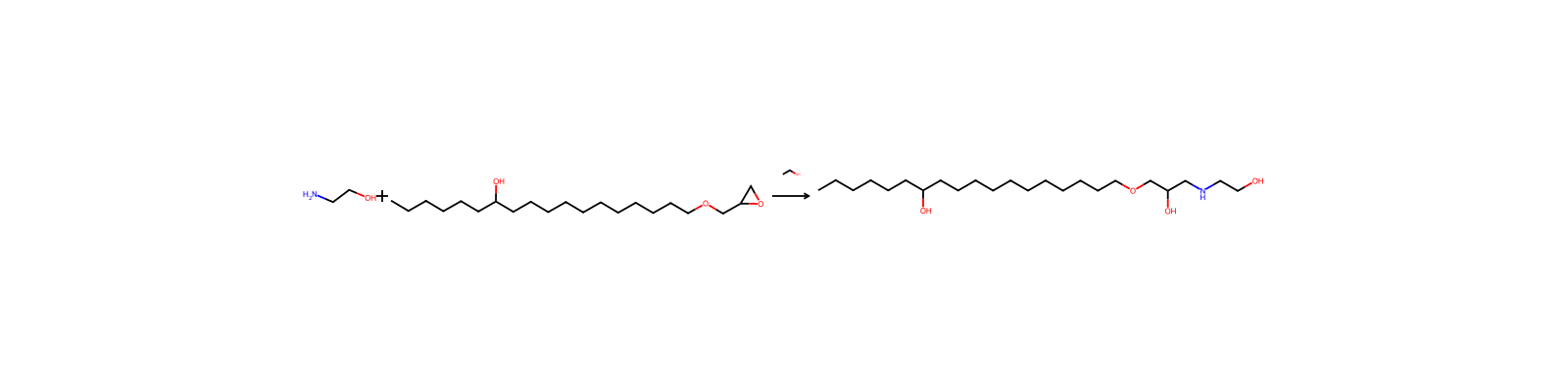
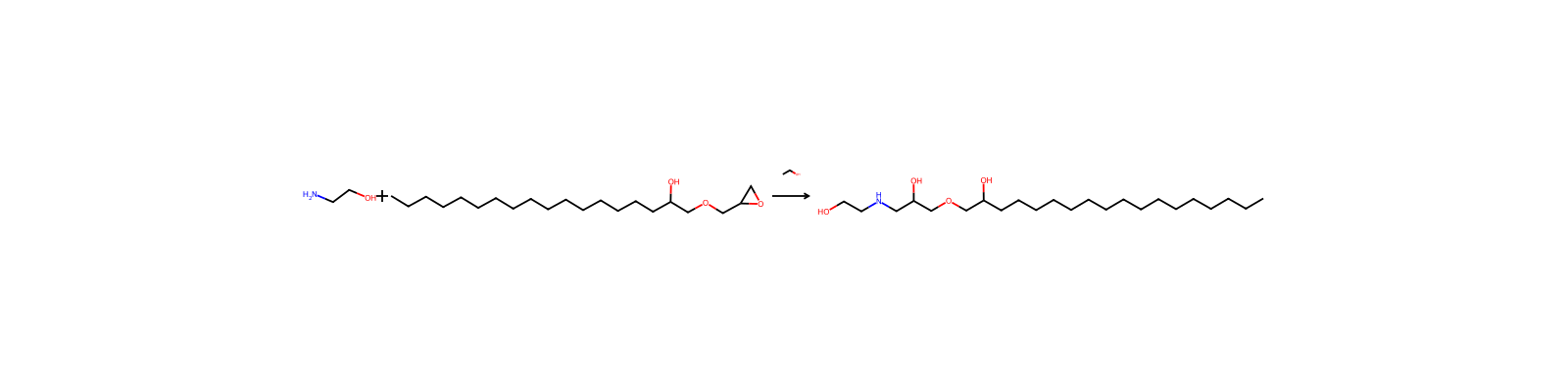
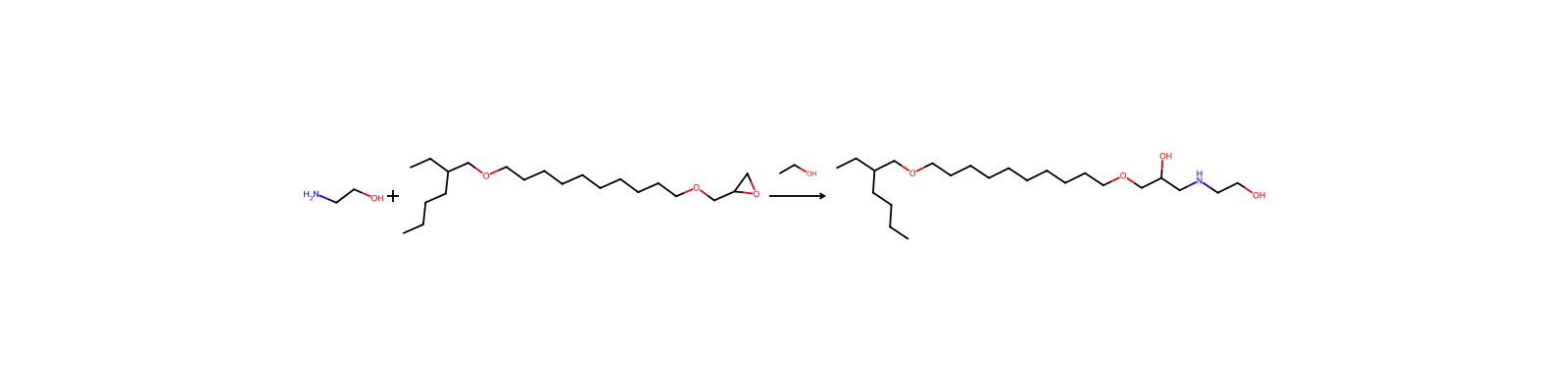
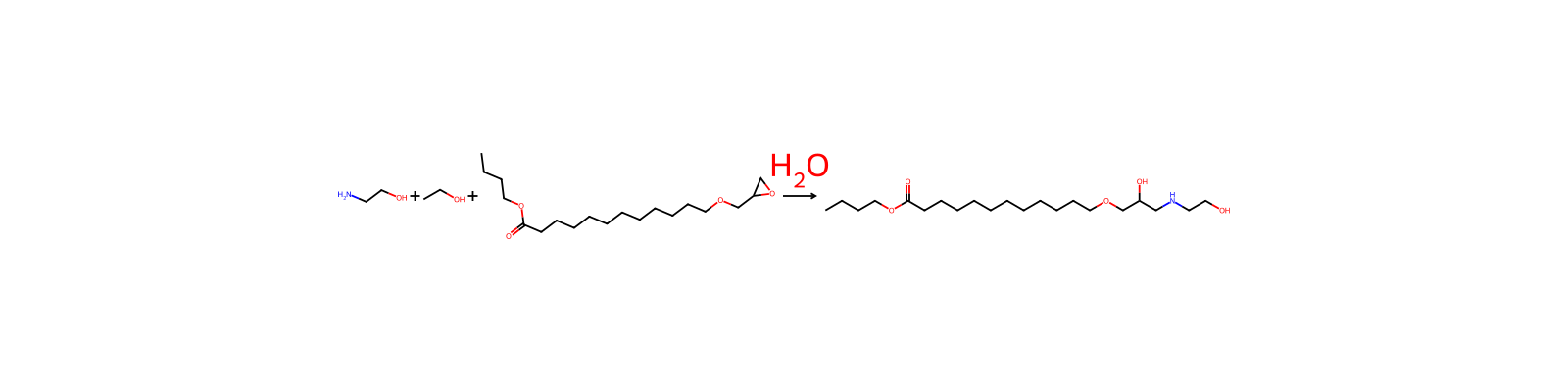
3,897 条
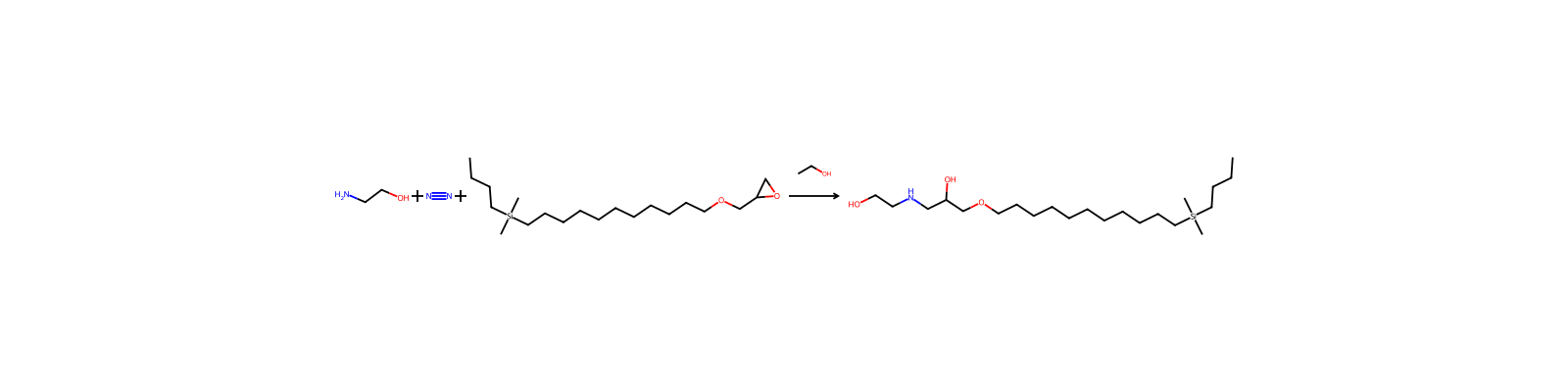


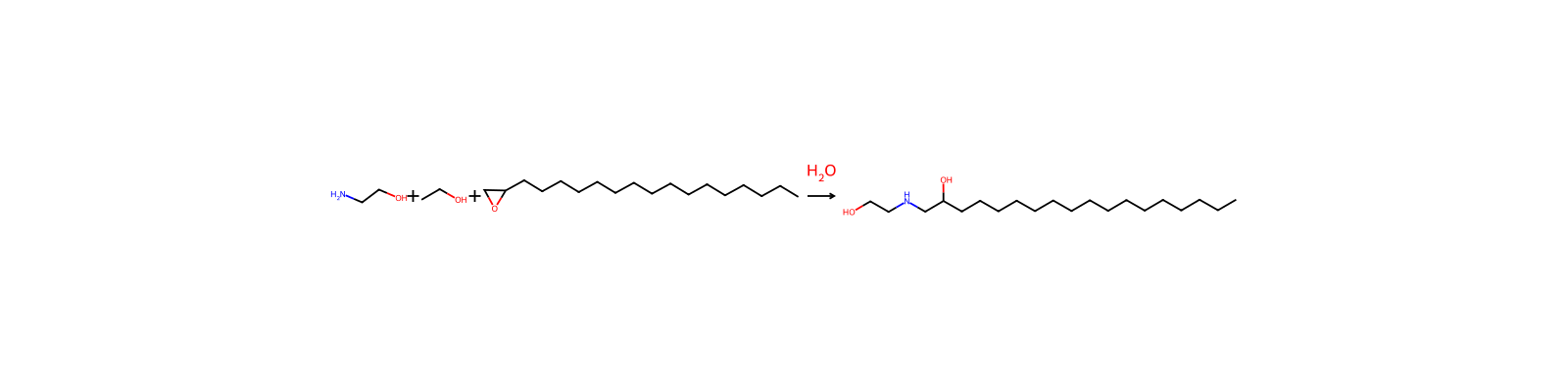
关联笔记
加载中…