基本信息
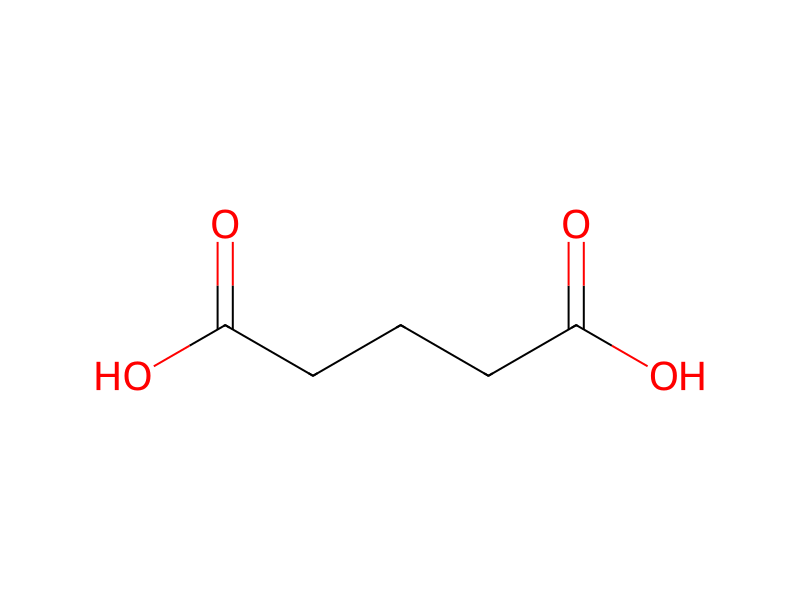
- 标准SMILES
O=C(O)CCCC(=O)O- InChIKey
JFCQEDHGNNZCLN-UHFFFAOYSA-N- 分子式
- C5H8O4
- 平均分子量
- 132.11 g/mol
- 单同位素质量
- 132.04225874
概述
Glutaric acid appears as colorless crystals or white solid. (NTP, 1992)
名称与标识
- 首选名称
- Glutaric Acid
- IUPAC
- pentanedioic acid
- 中文名
- 戊二酸
- 英文名
- Glutaric acid
- 分子式
- C5H8O4
- 分子量
- 132.11
名称与别名
GLUTARIC ACIDPentanedioic acid110-94-11,5-Pentanedioic acidglutarate1,3-Propanedicarboxylic acidPentandioic acidn-Pyrotartaric acidDTXSID2021654CHEBI:17859H849F7N00BNSC-9238
展开更多名称
戊二胶酸戊二酸戊二酸杂质戊二酸-4戊二酸CP戊二酸溶液戊二酸-河南戊二酸/AR戊二酸,99%glutaricG1utaric Acid1,5-PENTADIOIC ACIDGlutarsureutaric acidGlutarsaurelutaric acid
DTXCID401654hydron;pentanedioateRefChem:5863CHEBI:24329203-817-2Pentanedioatepropane-1,3-dicarboxylic acidMFCD00004410
数据库标识
- CAS
110-94-1- PubChem CID
- 743
- DTXSID
DTXSID2021654- ChEMBL
CHEMBL1162495- ChEBI
CHEBI:17859- UNII
- H849F7N00B
- EC Number
- 203-817-2
- Nikkaji
- J40.077G
性质
结构计算性质
- XLogP
- -0.3
- 极性表面积
- 74.6 Ų
- 氢键供体
- 2
- 氢键受体
- 4
- 可旋转键
- 4
- 重原子
- 9
- 形式电荷
- 0
- 复杂度
- 104
实验与物化性质
Chemical ClassesOther Classes -> Organic Acids
DrugsPharmaceuticals -> Listed in ZINC15
CosmeticsCosmetic ingredients (Glutaric Acid) -> CIR (Cosmetic Ingredient Review)
PesticidesEnvironmental transformation -> Pesticide transformation products (metabolite, successor)
LogP
-0.29
-0.47/-0.08 (calculated)
-0.29
Density
1.424 at 77 °F (NTP, 1992) - Denser than water; will sink
1.429 @ 15 °C/4 °C
1.4 g/cm³
Flavoring AgentsEU Flavoring substances
Color/Form
LARGE, MONOCLINIC PRISMS
COLORLESS CRYSTALS
Solubility
greater than or equal to 100 mg/mL at 70 °F (NTP, 1992)
SOLUBILITY IN WATER (G/L): @ 0 DEG: 429; @ 20 DEG: 639; @ 50 DEG: 957; @ 65 DEG: 1118; FREELY SOL IN ABSOLUTE ALCOHOL, ETHER; SOL IN BENZENE, CHLOROFORM; SLIGHTLY SOL IN PETROLEUM ETHER
SOL IN CONCENTRATED SULFURIC ACID
1600.0 mg/mL
Solubility in water, g/100ml at 20 °C: 63.9
Boiling Point
576 to 579 °F at 760 mmHg (decomposes) (NTP, 1992)
200 °C @ 20 MM HG
303.00 °C. @ 760.00 mm Hg
Decomposition302-304 °C
Melting Point
207.5 °F (NTP, 1992)
97.5-98 °C
95.8 °C
98 °C
物理化学性质
- 熔点
- 95 · 95-98 °C (lit.)
- 沸点
- 200 °C/20 · 200 °C/20 mmHg (lit.)
- 密度
- 1 · 1,429 g/cm3
- 蒸气压
- 0.022 hPa · 0.022 hPa (18.5 °C)
- 折射率
- 106 · nD106 1.41878
- 闪点
- 200 °C/20mm · 200°C/20mm
- 储存条件
- 30 °C · Store below +30°C.
- 溶解度
- 5 mg/mL, · water: soluble5mg/mL, clear to slightly hazy, colorless to faintly yellow
- 酸度系数(pKa)
- 4.31 · 4.31(at 25℃)
- 形态
- Crystalline Powder
- 颜色
- Orange
- PH值
- 3.7 · 3.7(1 mM solution);3.17(10 mM solution);2.66(100 mM solution)
- 水溶解性
- 430 g/L · 430 g/L (20 ºC)
- Merck
- 14 · 14,4473
- BRN
- 1209725 · 1209725
- Henry's Law Constant
- 3.8 · 3.8×107 mol/(m3Pa) at 25℃, Burkholder et al. (2019)
- 稳定性
- Stable. Incompatible with bases, oxidizing agents, reducing agents.
- 化妆品成分功效
- BUFFERING
- 化妆品成分评估
- Glutaric acid (110-94-1)
- InChI
- 1S/C5H8O4/c6-4(7)2-1-3-5(8)9/h1-3H2,(H,6,7)(H,8,9)
- InChIKey
- JFCQEDHGNNZCLN-UHFFFAOYSA-N
- SMILES
- OC(=O)CCCC(O)=O
- LogP
- -0.26 at · -0.26 at 25℃
- CAS 数据库
- 110 · 110-94-1(CAS DataBase Reference)
- NIST化学物质信息
- Pentanedioic acid(110-94-1)
- EPA化学物质信息
- Pentanedioic acid (110-94-1)
化学性质
针状或大针状结晶,通常含1mol结晶水。 易溶于水、酒精、乙醚和氯仿,微溶于石油醚。
安全与法规
GHS分类
GHS Classification
This chemical does not meet GHS hazard criteria for 3.7% (13 of 350) of reports.
Danger
H314 (49.7%): Causes severe skin burns and eye damage [Danger Skin corrosion/irritation]
P260, P264, P264+P265, P280, P301+P330+P331, P302+P361+P354, P304+P340, P305+P351+P338, P305+P354+P338, P316, P317, P321, P337+P317, P363, P405, and P501 (click each P-code to see the statement)
Aggregated GHS information provided per 350 reports by companies from 11 notifications to the ECHA C&L Inventory. Each notification may be associated with multiple companies.
危害信息
Regulatory Information
Chemical: Pentanedioic acid
Commission Regulation (EC) No 1565/2000 (Repealed by Com. Implementing Reg. (EU) No 872/2012)
Pentanedioic acid is listed on the EPA's Chemical Data Reporting (CDR) system. Manufacturers and importers of Pentanedioic acid are required to report information about their production and use of this chemical to the EPA under the Toxic Substances Control Act (TSCA). (40 eCFR Part 711)
Status: Active Update: 16-11-2021 https://echa.europa.eu/registration-dossier/-/registered-dossier/19290
Glutaric acid: Does not have an individual approval but may be used under an appropriate group standard
Other Safety InformationIMAP assessments - Pentanedioic acid: Human health tier I assessment
Fire Hazards
Flash point data for this chemical are not available; however, it is probably combustible. (NTP, 1992)
Combustible.
Health HazardsSYMPTOMS: This compound may cause irritation to the skin and eyes.
Hazards SummaryA skin, eye, and respiratory tract irritant; [ICSC] May cause skin and eye irritation; [CAMEO] Causes diarrhea and weight loss in high-dose animal feeding studies; [RTECS] An eye irritant; [MSDSonline]
Reactive GroupAcids, Carboxylic
EPA Safer ChemicalChemical: Glutaric acid
Reactivity Profile
GLUTARIC ACID is a carboxylic acid. Carboxylic acids donate hydrogen ions if a base is present to accept them. They react in this way with all bases, both organic (for example, the amines) and inorganic. Their reactions with bases, called "neutralizations", are accompanied by the evolution of substantial amounts of heat. Neutralization between an acid and a base produces water plus a salt. Carboxylic acids with six or fewer carbon atoms are freely or moderately soluble in water; those with more than six carbons are slightly soluble in water. Soluble carboxylic acid dissociate to an extent in water to yield hydrogen ions. The pH of solutions of carboxylic acids is therefore less than 7.0. Many insoluble carboxylic acids react rapidly with aqueous solutions containing a chemical base and dissolve as the neutralization generates a soluble salt. Carboxylic acids in aqueous solution and liquid or molten carboxylic acids can react with active metals to form gaseous hydrogen and a metal salt. Such reactions occur in principle for solid carboxylic acids as well, but are slow if the solid acid remains dry. Even "insoluble" carboxylic acids may absorb enough water from the air and dissolve sufficiently in it to corrode or dissolve iron, steel, and aluminum parts and containers. Carboxylic acids, like other acids, react with cyanide salts to generate gaseous hydrogen cyanide. The reaction is slower for dry, solid carboxylic acids. Insoluble carboxylic acids react with solutions of cyanides to cause the release of gaseous hydrogen cyanide. Flammable and/or toxic gases and heat are generated by the reaction of carboxylic acids with diazo compounds, dithiocarbamates, isocyanates, mercaptans, nitrides, and sulfides. Carboxylic acids, especially in aqueous solution, also react with sulfites, nitrites, thiosulfates (to give H2S and SO3), dithionites (SO2), to generate flammable and/or toxic gases and heat. Their reaction with carbonates and bicarbonates generates a harmless gas (carbon dioxide) but still heat. Like other organic compounds, carboxylic acids can be oxidized by strong oxidizing agents and reduced by strong reducing agents. These reactions generate heat. A wide variety of products is possible. Like other acids, carboxylic acids may initiate polymerization reactions; like other acids, they often catalyze (increase the rate of) chemical reactions This compound reacts with bases, oxidizing agents and reducing agents. (NTP, 1992)
Chemical DangersThe solution in water is a medium strong acid.
Air and Water ReactionsWater soluble.
Hazard Classes and CategoriesSkin Corr. 1A (49.7%)
安全与防护
Fire Fighting
Fires involving this material can be controlled with a dry chemical, carbon dioxide or Halon extinguisher. A water spray may also be used. (NTP, 1992)
Use water spray, powder.
First Aid Measures
Fresh air, rest.
Remove contaminated clothes. Rinse skin with plenty of water or shower.
First rinse with plenty of water for several minutes (remove contact lenses if easily possible), then refer for medical attention.
Rinse mouth. Give one or two glasses of water to drink. Refer for medical attention .
First Aid
EYES: First check the victim for contact lenses and remove if present. Flush victim's eyes with water or normal saline solution for 20 to 30 minutes while simultaneously calling a hospital or poison control center. Do not put any ointments, oils, or medication in the victim's eyes without specific instructions from a physician. IMMEDIATELY transport the victim after flushing eyes to a hospital even if no symptoms (such as redness or irritation) develop.
Safe StorageSeparated from bases.
Exposure Control and Personal Protection2.0 [mg/m3], inhalable fraction[German Research Foundation (DFG)]
Nonfire Spill Response
SMALL SPILLS AND LEAKAGE: If you spill this chemical, you should dampen the solid spill material with water, then transfer the dampened material to a suitable container. Use absorbent paper dampened with water to pick up any remaining material. Seal your contaminated clothing and the absorbent paper in a vapor-tight plastic bag for eventual disposal. Wash all contaminated surfaces with a soap and water solution. Do not reenter the contaminated area until the Safety Officer (or other responsible person) has verified that the area has been properly cleaned.
Spillage DisposalSweep spilled substance into covered containers. If appropriate, moisten first to prevent dusting. Then wash away with plenty of water.
Eye PreventionWear safety spectacles or safety goggles.
Fire PreventionNO open flames.
Inhalation RiskEvaporation at 20 °C is negligible; a harmful concentration of airborne particles can, however, be reached quickly when dispersed.
Skin PreventionProtective gloves.
Ingestion PreventionDo not eat, drink, or smoke during work.
毒理信息
InteractionsLITHIUM CHLORIDE (1.15 G) OR LITHIUM CARBAMATE (1.5-4 G) INCREASED THE RENAL EXCRETION OF GLUTARATE IN MANIC DEPRESSIVE PATIENTS. THE EFFECTS OF LITHIUM ARE PROBABLY CAUSED BY DECREASED RENAL TUBULAR RESORPTION.
Health EffectsChronically high levels of glutaric acid are associated with at least 3 inborn errors of metabolism including: Glutaric Aciduria Type I and Glutaric Aciduria Type III.
Exposure RoutesThe substance can be absorbed into the body by inhalation of its aerosol.
Toxicity Summary
Safe in the present practices of use and concentration. Ingredient, concentration, and use information are available in documents discoverable at https://cir-reports.cir-safety.org
Accumulation of glutaric acid in the body has been shown to be toxic. The accumulation of glutaric acid ranging from slightly or intermittently elevated urinary glutaric acid to gross organic aciduria occurs in glutaric aciduria. Glutaric aciduria type 1 is an autosomal-recessive disorder resulting from a deficiency of mitochondrial glutaryl-CoA dehydrogenase which is involved in the metabolism of lysine, hydroxylysine, and tryptophan.
Signs and Symptoms
Cough. Sore throat.
Redness. Pain.
Pain. Redness.
Abdominal pain.
Natural Pollution SourcesOCCURS IN GREEN SUGAR BEETS; IS FOUND IN WATER EXTRACTS OF CRUDE WOOL.
Carcinogen ClassificationNo indication of carcinogenicity to humans (not listed by IARC).
安全数据
- wgk
- 1
- tsca
- TSCA listed
- RTECS号
- MA3740000
- 存储类别
- 8A - Combustible corrosive hazardous materials
- 安全说明
- 26-37/39-36-39
- 海关编码
- 29171990
- 危险品标志
- Xi
- 危险性类别
- Eye Dam. 1Skin Corr. 1A
- 危险类别码
- 36-36/37/38
- 毒害物质数据
- 110-94-1(Hazardous Substances Data)
化学与工业
药理信息
Metabolism/Metabolites
RAT LIVER MITOCHONDRIA METABOLIZED GLUTARATE VERY SLOWLY COMPARED WITH GLUTARYL-COENZYME A (COA). GLUTARYL-COA DEHYDROGENASE, WHICH CATALYZES THE STOICHIOMETRIC CONVERSION OF GLUTARYL-COA TO 1 MOLE EACH OF CARBON DIOXIDE AND CROTONYL-COA OR ITS INTERMEDIATE METABOLITE, WAS PURIFIED APPROX 44- AND 100-FOLD FROM BOVINE LIVER AND KIDNEY MITOCHONDRIA, RESPECTIVELY. THE KM FOR GLUTARYL-COA WAS 3.3 MUM.
Tissue LocationsPlacenta
Cellular LocationsCytoplasm
用途与制造
Uses
CIR ingredient: Glutaric Acid
Present in green sugar beets and water extracts of crude wool; [Merck Index] Used to make polymers, for biochemical research, and to treat animal diabetes; [HSDB]
IN ORGANIC SYNTHESIS
CHEM INT FOR POLYMERS, EG, POLYAMIDES & POLYESTERS
CHEM INT FOR ITS ESTERS & ANHYDRIDE
MEDICATION
U.S. Exports
(1979) No Data
(1981) No Data
U.S. Imports
(1979) No Data
(1981) No Data
U.S. Production
2023: 25,000,000 - <40,000,000 lb
(1977) AT LEAST 4.54X10+9 GRAMS
(1981) No Data
Consumer UsesNot Known or Reasonably Ascertainable
Industry UsesIntermediate
Methods of Manufacturing
MANUFACTURED FROM CYCLOPENTANONE BY OXIDATIVE RING FISSION WITH HOT 50% NITRIC ACID IN THE PRESENCE OF VANADIUM CYANIDE. LAB PREPN BY ACID HYDROLYSIS OF TRIMETHYLENE CYANIDE...OR OF METHYLENEDIMALONIC ESTER.
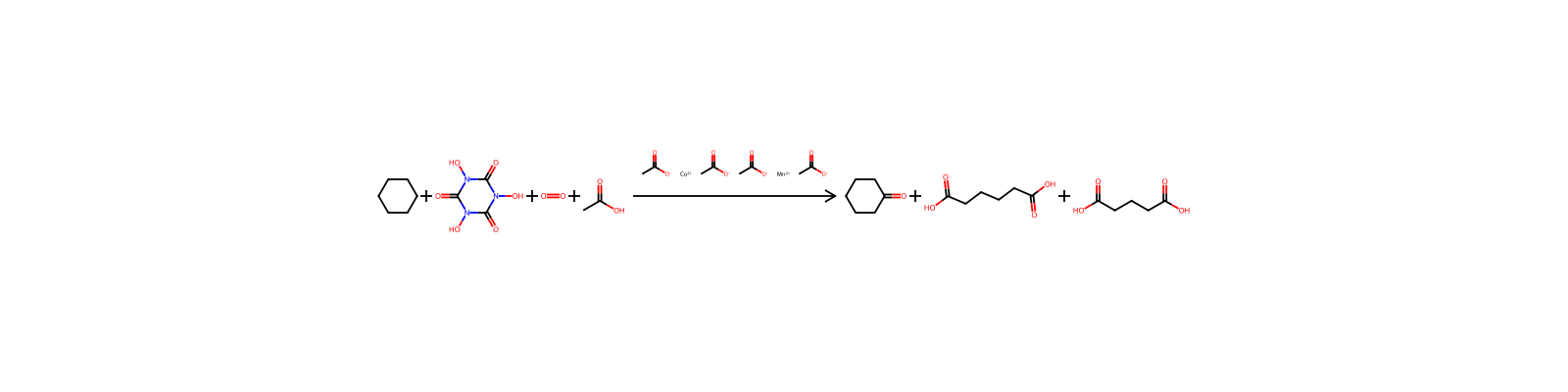
OXIDATION OF CYCLOPENTANONE WITH 50% NITRIC ACID IN THE PRESENCE OF VANADIUM PENTOXIDE OR WITH AIR IN THE PRESENCE OF A CATALYST; BY-PRODUCT IN THE PRODUCTION OF ADIPIC ACID FROM CYCLOHEXANE BY OXIDATION WITH AIR & NITRIC ACID
Use Classification
EPA Safer Chemical Functional Use Classes -> Processing Aids and Additives
Safer Chemical Classes -> Green circle - The chemical has been verified to be of low concern
Environmental transformation -> Pesticide transformation products (metabolite, successor)
General Manufacturing Information
Petroleum Lubricating Oil and Grease Manufacturing
Pentanedioic acid: ACTIVE
15,000 CU M/HR OFFGAS CONTAINING 10-15% SULFUR DIOXIDE & 0.5-2 MG H2S/CU M IS SCRUBBED IN 4 SUCCESSIVE PACKED COLUMNS @ 35 °C WITH 40-55 CU M/HR 30% AQ GLUTARIC ACID.
A COMPOSITION FOR NEUTRALIZING OR DESTROYING A SUSCEPTIBLE VIRUS ON INFECTED TISSUE OF A LIVING MAMMAL CONTAINS AN EFFECTIVE CONCN OF GLUTARIC ACID IN PHARMACEUTICAL VEHICLE AS WELL AS PAPER OR CLOTH COATED OR IMPREGNATED WITH THE VIRUCIDE.
GLUTARIC ACID MAY BE AN ESSENTIAL PRECURSOR IN THE BIOSYNTHESIS OF BIOTIN BY A SPECIES OF AGROBACTERIUM.
应用领域
用途主要用于制取戊二酸酐
用途生产戊二酸酐的原料,用作合成树脂、合成橡胶聚合时的引发剂。
制备方法
生产方法工业上可从生产已二酸的副产品中回收。实验室制备可有多种方法。1.由γ-丁内酯制备戊二酸将γ-丁内酯和氰化钾加热至190-195℃,搅拌反应2h。冷却,加入浓盐酸酸化生成戊二酸单酰胺,再加热水解即得戊二酸。收率71-75%。2.由二氢吡喃制备戊二酸将二氢吡喃与0.2N硝酸在沸水浴上加热溶解,然后在冰水浴上冷却,加入浓硝酸,二氢吡喃水解并逸出二氧化氮,当温度降至0℃时,加入硝酸钠,强烈搅拌3h。不再冷却,使温度升至25-30℃。减压蒸发、冷却,得戊二酸,收率70-75%。3.由戊二腈制备戊二酸将戊二腈与盐酸加热回流4h,然后蒸发至干,残留物含戊二酸和氯化铵,用热乙醚提取,提取液回收乙醚即得戊二酸,可用氯仿或苯重结晶。4.环己酮氧化法环己酮经硝酸氧化生产己二酸时副产戊二酸。5.副产回收法石蜡氧化生产氧化石蜡时回收戊二酸。回收方法一般采用水萃取法(或蒸馏、闪蒸和水蒸气蒸馏等)和结晶法。6.环戊酮液相氧化法。7.二氢呋喃法。实验室中也用1,3-丙二醇制备戊二酸。
上下游产品信息
上游原料
下游产品
试剂价格
- HY-W008820R · 10 mg
- 戊二酸Glutaric acid (Standard) — 250元
- HY-W008820R · 25 mg
- 戊二酸Glutaric acid (Standard) — 440元
供应商50 家
国药集团化学试剂有限公司86-21-63210123 · [email protected]
梯希爱(上海)化成工业发展有限公司021-67121386 · [email protected]
衢州润东化工有限公司0570-8789886 18892685668 · [email protected]
上海阿拉丁生化科技股份有限公司400-6206333 13167063860 · [email protected]
宜昌众意泰贸易有限公司0717-6449896 13886658719 · [email protected]
北京安司莫森技术有限公司010-82954736 13391601435 · [email protected]
科瑞迪化学400-821-5857 021-64326257 · [email protected]
上海将来实业股份有限公司400-0066400 13621662912 · [email protected]
Syntechem Co.,Ltd[email protected]
上海迈瑞尔生化科技有限公司4006356688 18621169109 · [email protected]
大连美仑生物技术有限公司0411-62910999 13889544652 · [email protected]
阿法埃莎(中国)化学有限公司400-6106006 · [email protected]
安耐吉化学&3A(安徽泽升科技股份有限公司)400-0056266 · [email protected]
北京绿百草科技发展有限公司010-61136123 · [email protected]
上海瀚鸿科技股份有限公司021-54306202 13764082696 · [email protected]
合肥天健化工有限公司551-65418679 15856988503;15837135945 · [email protected]
上海比阳实业有限公司+86-15021878111 · [email protected]
山东西亚化学有限公司13355009207 13355009207 · [email protected]
玛雅试剂+86 (573) 82222445 (0)18006601000 452520369 · [email protected]
四川库利南科技有限公司400-1166-196 18981987031 · [email protected]
天津希恩思生化科技有限公司400 638 7771 · [email protected]
湖南汇百侍生物科技有限公司0731-85526065 13308475853 · [email protected]
南京维奥化工有限公司Please Send Email 18652950785 · [email protected]
河南多贝化工有限公司0370-2785118 17550508557 · [email protected]
斯百全化学(上海)有限公司021-021-021-67601398-809-809-809 15221380277 · [email protected]
艾科试剂4008-755-333 18080918076 · [email protected]
上海思域化工科技有限公司86-21-34053660 · [email protected]
赛默飞世尔科技(中国)有限公司800-810-5118 · [email protected]
上海遐瑞医药科技有限公司+86 21 61551611
TCI AMERICA800-4238616 · [email protected]
TOKYO CHEMICAL INDUSTRY CO., LTD.03-36680489 · [email protected]
TCI Europe320-37350700 · [email protected]
上海贤鼎生物科技有限公司4009209199 · [email protected]
深圳振强药物研发有限公司0755-66853366 13670046396 · [email protected]
上海将来实业股份有限公司400-0066400 13621662912 · [email protected]
上海将来实业股份有限公司021-61552785 · [email protected]
天津阿尔塔科技有限公司022-65378550-8551 · [email protected]
HBCChem, Inc.+1-510-219-6317 · [email protected]
日照力德士化工有限公司010-51268198 · [email protected]
美岚实业(上海)有限公司021-58958189 · [email protected]
上海爱蝶实业有限公司021-58957966 18930537195 · [email protected]
成都零六生物科技有限公司400-1166-196 13458535857 · [email protected]
广拓化学(上海)有限公司021-60899189-8001 18918189673 · [email protected]
雷丁试剂0510-85629785 18013409632 · [email protected]
湖南华腾制药有限公司400-8592883 · [email protected]
上海麦克林生化科技股份有限公司15221275939 15221275939 · [email protected]
杭州杰恒化工有限公司0571-87396432 · [email protected]
上海嵩爰化工科技有限公司010-1234567 18521000990 · [email protected]
上海有朋化工有限公司021-69005955 13701776567 · [email protected]
北京海力扬化学科技有限公司13718199399 · [email protected]
相关反应
80 条






关联笔记
加载中…