
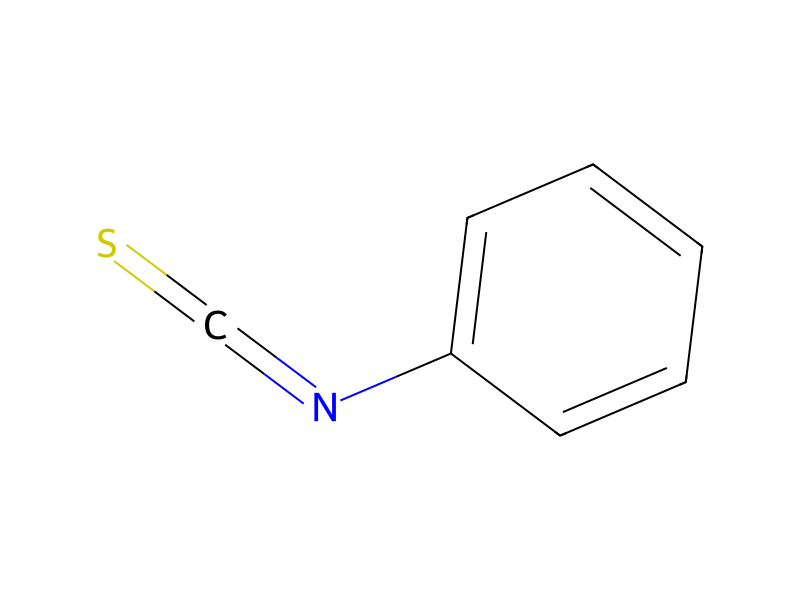
基本信息
- 标准SMILES
S=C=Nc1ccccc1- InChIKey
QKFJKGMPGYROCL-UHFFFAOYSA-N- 分子式
- C7H5NS
- 平均分子量
- 135.19 g/mol
- 单同位素质量
- 135.01427034
名称与标识
- 首选名称
- Phenyl Isothiocyanate
- IUPAC
- isothiocyanatobenzene
- 中文名
- 硫代异氰酸苯酯
- 英文名
- Phenyl isothiocyanate
- 分子式
- C7H5NS
- 分子量
- 135.19
名称与别名
IsothiocyanatobenzenePHENYL ISOTHIOCYANATE103-72-0PhenylisothiocyanatePITCThiocarbanilBenzene, isothiocyanato-PhenylsenfoelIsothiocyanic acid phenyl esterBenzene-1-isothiocyanatePhenyl thioisocyanateIsothiocyanic acid, phenyl ester
展开更多名称
異硫氰苯苯琉氰酸苯異琉氰酸苯基芥子油异硫氰酸苯酯異硫氰酸苯酯活性炭负载铂甲基硫乙醛肟苯基异硫氰酸酯硫代异氰酸苯酯PTCR1PITPhenyl thiocyanatePhenyl isothiocyanate,PITCPHENYL ISOTHIOCYANATE SOLUTION, FOR PROT.SEQ. ANAL.RR1H174
FenylisothiokyanatDTXSID0021129CHEBI:851030D58F84LSUNSC-5583DTXCID501129RefChem:57537Phenylisothiocyanate 1533
数据库标识
- CAS
103-72-0- PubChem CID
- 7673
- DTXSID
DTXSID0021129- ChEMBL
CHEMBL309036- ChEBI
CHEBI:85103- UNII
- 0D58F84LSU
- EC Number
- 203-138-1
- Nikkaji
- J5.019I
性质
结构计算性质
- XLogP
- 3.3
- 极性表面积
- 44.5 Ų
- 氢键供体
- 0
- 氢键受体
- 2
- 可旋转键
- 1
- 重原子
- 9
- 形式电荷
- 0
- 复杂度
- 121
实验与物化性质
Vapor Pressure1.5 [mmHg]
Physical DescriptionLiquid; [Merck Index] Colorless liquid; [Sigma-Aldrich MSDS]
Kovats Retention Index
1163
1138
物理化学性质
- 熔点
- 21 °C · −21 °C(lit.)
- 沸点
- 218 °C · 218 °C(lit.)
- 密度
- 1.132 g/mL · 1.132 g/mL at 20 °C(lit.)
- 蒸气压
- 10 hPa · 10 hPa (20 °C)
- 折射率
- 20 · n20/D 1.6515(lit.)
- 闪点
- 190 °F · 190 °F
- 储存条件
- 2 · 2-8°C
- 溶解度
- water: insoluble
- 形态
- liquid
- 颜色
- Clear pale yellow to yellow
- 比重
- 1.137 · 1.137 (20/4℃)
- 水溶解性
- Soluble in alcohol, and ether. Insoluble in water.
- 敏感性
- Moisture Sensitive
- Merck
- 14 · 14,7297
- BRN
- 471392 · 471392
- Henry's Law Constant
- 3.3 · 3.3×10-3 mol/(m3Pa) at 25℃, Duchowicz et al. (2020)
- 介电常数
- 10.7 · 10.7(20℃)
- 稳定性
- Stable. Combustible. Incompatible with strong oxidizing agents, strong acids.
- InChI
- 1S/C7H5NS/c9-6-8-7-4-2-1-3-5-7/h1-5H
- InChIKey
- QKFJKGMPGYROCL-UHFFFAOYSA-N
- SMILES
- S=C=Nc1ccccc1
- LogP
- 3.28 · 3.280
- 表面张力
- 41.5 mN/m · 41.5mN/m at 20°C
- CAS 数据库
- 103 · 103-72-0(CAS DataBase Reference)
- NIST化学物质信息
- Benzene, isothiocyanato-(103-72-0)
- EPA化学物质信息
- Benzene, isothiocyanato- (103-72-0)
化学性质
硫代异氰酸苯酯常温常压下为无色至淡黄色液体,有强烈刺激性气味。其具有高化学反应活性,可以进行多种化学反应,例如硫代异氰酸苯酯可以与胺反应生成相应的硫脲类化合物。硫代异氰酸苯酯对空气、光线和水分敏感,不稳定,易分解生成异硫氰酸苯酯和苯硫酚等物质。
无色或黄色液体。有强烈刺激性气味。 不溶于水,溶于乙醇、乙醚。
安全与法规
GHS分类
GHS Classification
This chemical does not meet GHS hazard criteria for 0.5% (1 of 214) of reports.
Danger
H301 (82.2%): Toxic if swallowed [Danger Acute toxicity, oral];H314 (79.4%): Causes severe skin burns and eye damage [Danger Skin corrosion/irritation];H317 (79%): May cause an allergic skin reaction [Warning Sensitization, Skin];H318 (54.7%): Causes serious eye damage [Danger Serious eye damage/eye irritation];H334 (76.2%): May cause allergy or asthma symptoms or breathing difficulties if inhaled [Danger Sensitization, respiratory];H341 (54.2%): Suspected of causing genetic defects [Warning Germ cell mutagenicity];H361 (54.2%): Suspected of damaging fertility or the unborn child [Warning Reproductive toxicity];H400 (21.5%): Very toxic to aquatic life [Warning Hazardous to the aquatic environment, acute hazard];H410 (24.3%): Very toxic to aquatic life with long lasting effects [Warning Hazardous to the aquatic environment, long-term hazard]
P203, P233, P260, P261, P264, P264+P265, P270, P271, P272, P273, P280, P284, P301+P316, P301+P330+P331, P302+P352, P302+P361+P354, P304+P340, P305+P354+P338, P316, P317, P318, P321, P330, P333+P317, P342+P316, P362+P364, P363, P391, P403, P405, and P501 (click each P-code to see the statement)
Aggregated GHS information provided per 214 reports by companies from 11 notifications to the ECHA C&L Inventory. Each notification may be associated with multiple companies.;Reported as not meeting GHS hazard criteria per 1 of 214 reports by companies.;There are 10 notifications provided by 213 of 214 reports by companies with hazard statement code(s).;Information may vary between notifications depending on impurities, additives, and other factors. The percentage value in parenthesis indicates the notified classification ratio from companies that provide hazard codes. Only hazard codes with percentage values above 10% are shown. For more detailed information, please visit ECHA C&L website.
危害信息
Regulatory Information
Chemical: Benzene, isothiocyanato-
Status: Active Update: 10-12-2018 https://echa.europa.eu/registration-dossier/-/registered-dossier/26134
Phenyl isothiocyanate: Does not have an individual approval but may be used under an appropriate group standard
Hazards Summary
Dermal studies of guinea pigs demonstrate severe irritation, good absorption, and sensitization; Effects on thyroid function (decreased serum T4 levels) observed in 4-week oral study of rats; [EPA - PPRTV] Causes burns and lachrymation; May cause skin and respiratory sensitization; Inhalation may cause corrosive injuries to upper respiratory tract and lungs; Harmful by ingestion; Targets the kidney and bladder; [Sigma-Aldrich MSDS]
Hazard Classes and CategoriesAcute Tox. 3 (82.2%);Skin Corr. 1B (79.4%);Skin Sens. 1 (79%);Eye Dam. 1 (54.7%);Resp. Sens. 1 (76.2%);Muta. 2 (54.2%);Repr. 2 (54.2%);Aquatic Acute 1 (21.5%);Aquatic Chronic 1 (24.3%)
毒理信息
Treatment
EYES: irrigate opened eyes for several minutes under running water. INGESTION: do not induce vomiting. Rinse mouth with water (never give anything by mouth to an unconscious person). Seek immediate medical advice. SKIN: should be treated immediately by rinsing the affected parts in cold running water for at least 15 minutes, followed by thorough washing with soap and water. If necessary, the person should shower and change contaminated clothing and shoes, and then must seek medical attention. INHALATION: supply fresh air. If required provide artificial respiration.
Health Effects
Exposure to high levels of cyanide for a short time harms the brain and heart and can even cause coma, seizures, apnea, cardiac arrest and death. Chronic inhalation of cyanide causes breathing difficulties, chest pain, vomiting, blood changes, headaches, and enlargement of the thyroid gland. Skin contact with cyanide salts can irritate and produce sores. (L96, L97)
Adverse Effects
Dermatotoxin - Skin burns.;Lacrimator (Lachrymator) - A substance that irritates the eyes and induces the flow of tears.;Skin Sensitizer - An agent that can induce an allergic reaction in the skin.;Toxic Pneumonitis - Inflammation of the lungs induced by inhalation of metal fumes or toxic gases and vapors.
Exposure RoutesInhalation (L96) ; oral (L96) ; dermal (L96)
Toxicity Summary
Cyanide is an inhibitor of cytochrome c oxidase in the fourth complex of the electron transport chain (found in the membrane of the mitochondria of eukaryotic cells). It complexes with the ferric iron atom in this enzyme. The binding of cyanide to this cytochrome prevents transport of electrons from cytochrome c oxidase to oxygen. As a result, the electron transport chain is disrupted and the cell can no longer aerobically produce ATP for energy. Tissues that mainly depend on aerobic respiration, such as the central nervous system and the heart, are particularly affected. Cyanide is also known produce some of its toxic effects by binding to catalase, glutathione peroxidase, methemoglobin, hydroxocobalamin, phosphatase, tyrosinase, ascorbic acid oxidase, xanthine oxidase, succinic dehydrogenase, and Cu/Zn superoxide dismutase. Cyanide binds to the ferric ion of methemoglobin to form inactive cyanmethemoglobin. (L97)
Signs and SymptomsCyanide poisoning is identified by rapid, deep breathing and shortness of breath, general weakness, giddiness, headaches, vertigo, confusion, convulsions/seizures and eventually loss of consciousness. (L96, L97)
Carcinogen ClassificationNo indication of carcinogenicity to humans (not listed by IARC).
Toxicity DataLD50: 87 mg/kg (Oral, Mouse) (L565)
LD50: 250 mg/kg (Subcutaneous, Mouse) (L565)
LD50: 100 mg/kg (Intraperitoneal, Mouse) (L565)
RAIS Toxicity Values
0.0002
SCREEN Current
0.002
PPRTV Current
EPA Provisional Peer-Reviewed Toxicity Values
Phenyl Isothiocyanate
2 x 10^-3 mg/kg-day
PDF Document
Inadequate information to assess carcinogenic potential
2009
Hazard Quotient Level 0.1 or Cancer Risk Level 1E-06
1.60e+01
2.30e+02
2.60e+00
1.5E+01(G)
1.70e-03
2.00e-04
Hazard Quotient Level 3 or Cancer Risk Level 1E-04
4.70e+01
7.00e+02
7.90e+00
1.5E+01 (G)
2.00e-04
Volatile
法规信息
Regulatory Information
Chemical: Benzene, isothiocyanato-
Status: Active Update: 10-12-2018 https://echa.europa.eu/registration-dossier/-/registered-dossier/26134
Phenyl isothiocyanate: Does not have an individual approval but may be used under an appropriate group standard
安全数据
- F
- 19
- wgk
- 3
- tsca
- TSCA listed
- 毒性
- LD50 orally in Rabbit: 157 mg/kg
- RTECS号
- NX9275000
- 包装类别
- II
- 危险等级
- 6.1
- 存储类别
- 6.1A - Combustible acute toxic Cat. 1 and 2very toxic hazardous materials
- 安全说明
- 9-16-29-33-60-61-62-36-26-23-45-36/37/39-38-28A-36/37
- 海关编码
- 2930 90 98
- 危险品标志
- T,N,Xn,F
- 危险性类别
- Acute Tox. 3 OralResp. Sens. 1Skin Corr. 1BSkin Sens. 1
- 危险类别码
- 25-34-42/43-51/53-67-65-50/53-36/37/38-22-11-38-63-23/24/25-36/38
- 危险品运输编号
- UN 1993 3/PG 2
毒性防护
急性毒性腹腔-大鼠 LDL0: 150 毫克/公斤; 口服-小鼠 LD50: 87 毫克/公斤
包装储运
可燃性危险特性明火可燃;高热分解;遇酸放出氰化物及氧化硫气体
储运特性库房通风低温干燥; 与氧化剂、酸类、食品添加剂分开存放
灭火剂干粉、泡沫、二氧化碳、砂土。(禁用酸碱灭火剂)。
化学与工业
药理信息
Metabolism/Metabolites
Cyanide is rapidly alsorbed through oral, inhalation, and dermal routes and distributed throughout the body. Cyanide is mainly metabolized into thiocyanate by either rhodanese or 3-mercaptopyruvate sulfur transferase. Cyanide metabolites are excreted in the urine. (L96)
用途与制造
Uses
Used to derive primary and secondary amines, in sequencing of peptides by Edman degradation, and in amino acid analysis by HPLC; [Merck Index]
Phenyl isothiocyanate is a reagent used in reversed phase high-performance liquid chromatography (HPLC). (L197)
General Manufacturing InformationBenzene, isothiocyanato-: ACTIVE
应用领域
应用硫代异氰酸苯酯是一种具有强亲电性物质,可用作有机合成与医药化学原料,多于药物分子的生产过程中。
用途是常见的有机合成原料
用途氨基酸衍生试剂,紫外检测。衍生5-10分钟完成,过量试剂蒸馏除去。
用途有机分析检定伯胺和腈类。肽顺序研究。用于制药工业和有机合成。色谱衍生化试剂
制备方法
生产方法由二苯硫脲与盐酸反应而得。将二苯硫脲加入盐酸中加热溶解,蒸馏出生成的异硫氰酸苯酯,在馏出的油状物中,加入等体积水洗,分出水层,再用稀碱液洗涤。经大量水洗后,用无水氯化钙干燥,收集120-121℃(4.66kPa),即为成品。
上下游产品信息
上游原料
下游产品
试剂价格
- I0191 · 25G
- 异硫氰酸苯酯Phenyl Isothiocyanate — 315元
- I0191 · 100g
- 异硫氰酸苯酯Phenyl Isothiocyanate — 550元
供应商50 家
国药集团化学试剂有限公司86-21-63210123 · [email protected]
北京华美互利生物化工010-56205725 · [email protected]
梯希爱(上海)化成工业发展有限公司021-67121386 · [email protected]
上海阿拉丁生化科技股份有限公司400-6206333 13167063860 · [email protected]
河北创海生物科技有限公司+86-86-13131129325 · [email protected]
江苏星科元信息科技有限公司400-605-7200 15335295587
爱斯特(成都)生物制药股份有限公司+86-28-85122536 85324413 · [email protected]
Dayang Chem (Hangzhou) Co.,Ltd.+86-0571-88938639 17705817739 · [email protected]
Syntechem Co.,Ltd[email protected]
上海迈瑞尔生化科技有限公司4006356688 18621169109 · [email protected]
江苏普乐司生物科技有限公司0513-66017706 18551496367 · [email protected]
武汉市聚舜化工有限公司027-02783261126 18971318572 · [email protected]
阿法埃莎(中国)化学有限公司400-6106006 · [email protected]
安耐吉化学&3A(安徽泽升科技股份有限公司)400-0056266 · [email protected]
武汉卡诺斯科技有限公司027-83238443 15327105076 · [email protected]
上海瀚鸿科技股份有限公司021-54306202 13764082696 · [email protected]
上海柯维化学技术有限公司021-64609169 18901607656 · [email protected]
嘉兴市艾森化工有限公司0573-85285100 18627885956 · [email protected]
佛山宝诺生物科技有限公司0757-85921206 18520245316 · [email protected]
贵州迪大科技有限责任公司0851-8475-2296 18096062265 · [email protected]
山东西亚化学有限公司13355009207 13355009207 · [email protected]
玛雅试剂+86 (573) 82222445 (0)18006601000 452520369 · [email protected]
天津希恩思生化科技有限公司400 638 7771 · [email protected]
斯百全化学(上海)有限公司021-021-021-67601398-809-809-809 15221380277 · [email protected]
艾科试剂4008-755-333 18080918076 · [email protected]
上海思域化工科技有限公司86-21-34053660 · [email protected]
赛默飞世尔科技(中国)有限公司800-810-5118 · [email protected]
北京伊诺凯科技有限公司400-810-7969 010-59572699 · [email protected]
TCI AMERICA800-4238616 · [email protected]
TOKYO CHEMICAL INDUSTRY CO., LTD.03-36680489 · [email protected]
TCI Europe320-37350700 · [email protected]
深圳康特腾科技有限公司86-0755-86635001 · [email protected]
越林试剂021-62960152 · [email protected]
上海灏云化工科技有限公司021-68367562 · [email protected]
上海倍卓生物科技有限公司021-61119791,13386096464 · [email protected]
上海湄水化工科技有限公司021-60549325 18616193163
上海将来实业股份有限公司021-61552785 · [email protected]
天津阿尔塔科技有限公司022-65378550-8551 · [email protected]
成都迈斯克医药科技有限公司028-84552636 18084815636 · [email protected]
上海石洋化工有限公司021-56795766 · [email protected]
成都零六生物科技有限公司400-1166-196 13458535857 · [email protected]
上海麦克林生化科技股份有限公司15221275939 15221275939 · [email protected]
杭州杰恒化工有限公司0571-87396432 · [email protected]
上海嵩爰化工科技有限公司010-1234567 18521000990 · [email protected]
Sigma-Aldrich西格玛奥德里奇(上海)贸易有限公司021-61415566 800-8193336 · [email protected]
深圳振强药物研发有限公司+86-0755-66853366 +86-13670046396 · [email protected]
郑州科豫隆化工产品有限公司17319789407 17319789407 · [email protected]
山东鑫牧源化工科技有限公司19105383610
成都瑞欧克科技有限公司028-64353063 · [email protected]
九鼎化学(上海)科技有限公司4009209199 · [email protected]
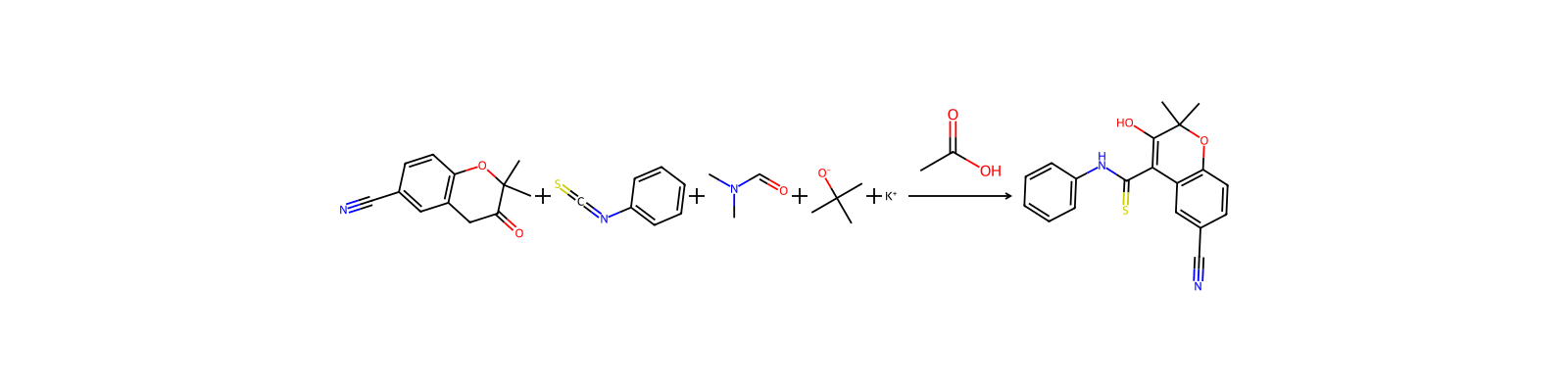
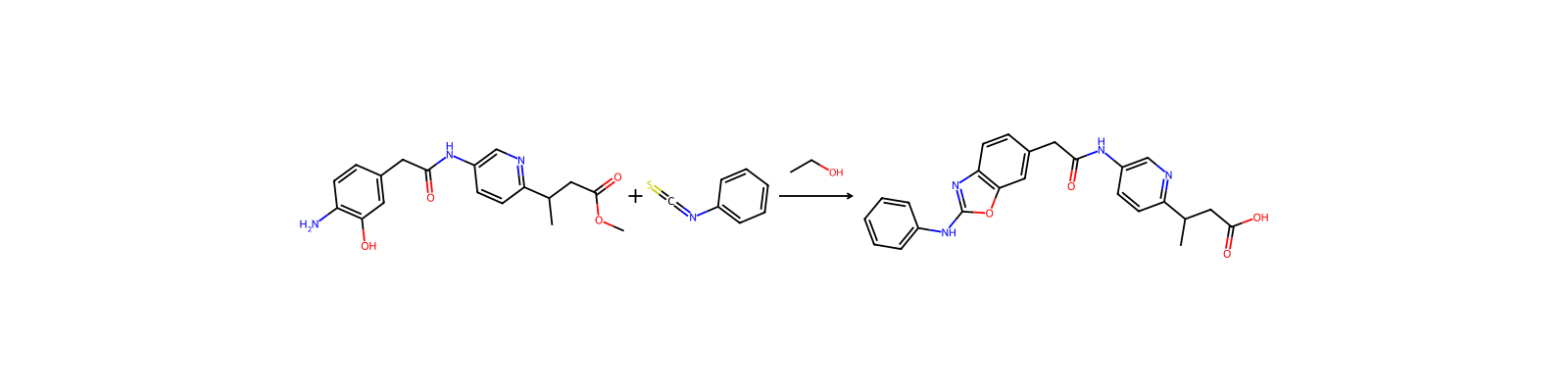
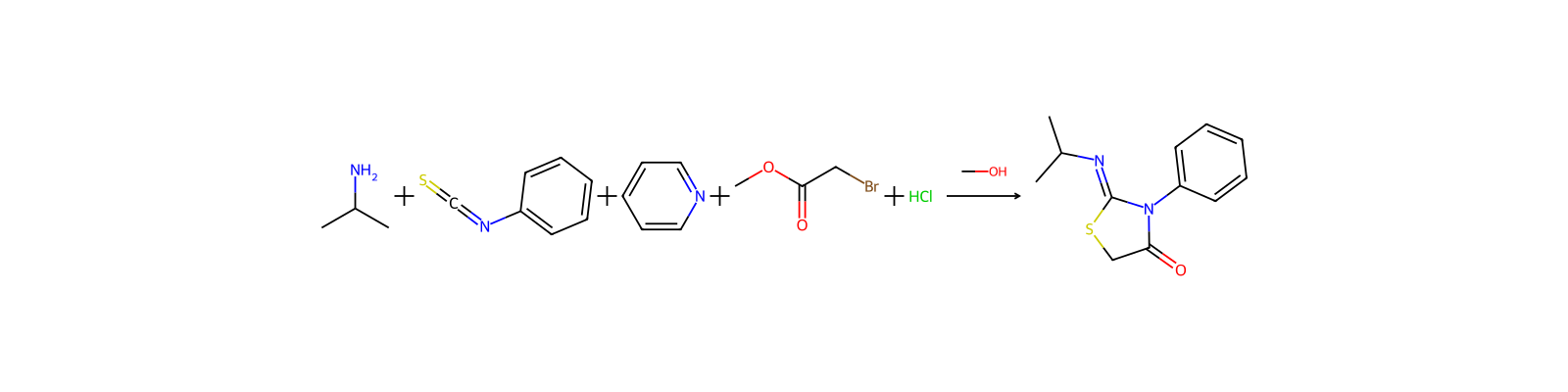
相关反应
334 条



关联笔记
加载中…