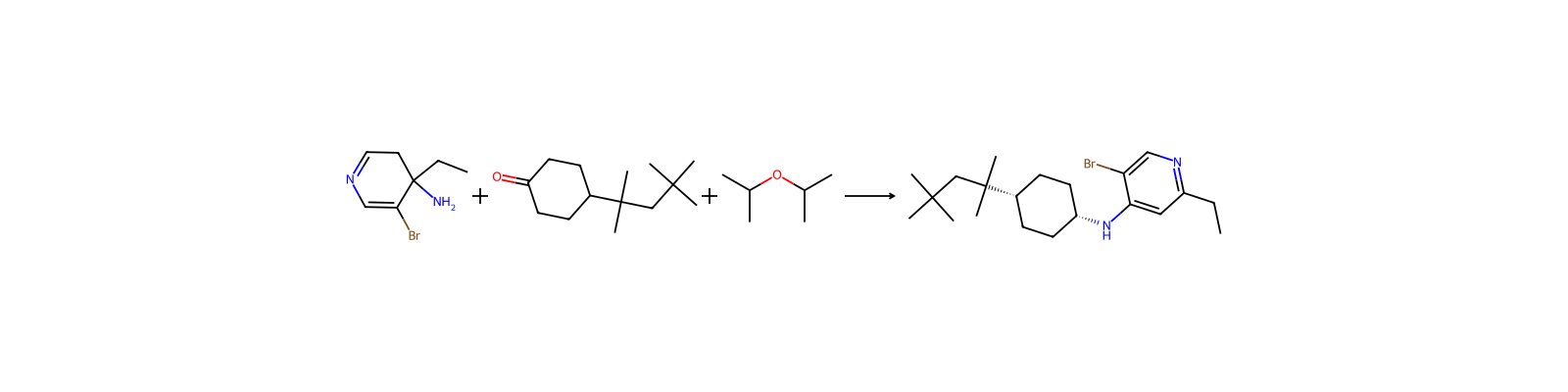

基本信息
- 标准SMILES
CC(C)OC(C)C- InChIKey
ZAFNJMIOTHYJRJ-UHFFFAOYSA-N- 分子式
- C6H14O
- 平均分子量
- 102.17 g/mol
- 单同位素质量
- 102.10446507
概述
Diisopropyl ether appears as a clear colorless liquid with an ethereal odor. Flash point -18 °F. Less dense than water. Vapors heavier than air.
名称与标识
- 首选名称
- Diisopropyl Ether
- IUPAC
- 2-propan-2-yloxypropane
- 中文名
- 异丙醚
- 英文名
- Diisopropyl ether
- 分子式
- C6H14O
- 分子量
- 102.17
名称与别名
Diisopropyl etherISOPROPYL ETHER108-20-32-IsopropoxypropanePropane, 2,2'-oxybis-Diisopropyl oxideEther, isopropylBis(isopropyl) etherIzopropylowy eterEther isopropylique2,2'-OxybispropaneDTXSID4021890
展开更多名称
异丙醚異丙醚二异丙醚异丙基醚二异丙基醚二異丙基醚异丙醚 AR[二]異丙醚甲醇中异丙醚异丙醚,ACSDIPEDiisopropyl etheIsoprpyl etherDiisoproyl etherISOPROPYL ETHER, 1000MG, NEAT
DO7Y998826DTXCID4018902-Isopropoxy propaneRefChem:134066203-560-6diisopropylether2,2'-oxydipropane2-propan-2-yloxypropane
数据库标识
- CAS
108-20-3- PubChem CID
- 7914
- DTXSID
DTXSID4021890- ChEMBL
CHEMBL3185565- UNII
- DO7Y998826
- EC Number
- 203-560-6
- Nikkaji
- J5.069E
性质
结构计算性质
- XLogP
- 1.5
- 极性表面积
- 9.2 Ų
- 氢键供体
- 0
- 氢键受体
- 1
- 可旋转键
- 2
- 重原子
- 7
- 形式电荷
- 0
- 复杂度
- 33.4
实验与物化性质
Chemical Classes
Flammable agents - 3rd degree
Volatile Organic Compound (VOC)
SolventsSolvents -> Ethers (<C12)
SpringerMaterials PropertiesSchoenflies notation
LogP
log Kow= 1.52
1.94
Odor
Sweet, slightly sharp, pungent like camphor and ethyl ether
The odor is more irritating and less pleasant than that of ethyl ether.
Sharp, sweet, ether-like odor.
Ether-like odor
Density
0.724 at 68 °F (USCG, 1999) - Less dense than water; will float
0.7258 @ 20 °C/4 °C
Bulk density: 6.05 lb/gal @ 15.5 °C; similar to ethyl ether in properties but does tend to form peroxides more readily than ethyl ether
Relative density (water = 1): 0.7
0.73
0.719 @25 °C
Viscosity0.273 centipoise at 20 °F
Color/Form
Colorless volatile liquid
Colorless liquid.
Colorless liquid
Solubility
0.2 % (NIOSH, 2024)
Sol of commercial grade in water, 1.71% @ 19 °C; miscible with most organic solvents.
Sol in acetone; miscible in ethyl alcohol, ethyl ether
MISCIBLE WITH MOST ORG SOLVENTS
Water solubility = 8,800 mg/l @ 20 °C
Soluble in oxygenated solvents
Flash Point
-18 °F (USCG, 1999)
-28 °C
-18 °F (-28 °C) (closed cup)
-28 °C
-18 °F
-18 °F
Boiling Point
156 °F at 760 mmHg (USCG, 1999)
68.5 °C
69 °C
154 °F
68.5 °C @760 [mm Hg]
154 °F
DecompositionWhen heated to decomposition it emits acrid smoke and fumes.
物理化学性质
- 熔点
- -85.5 °C · -85.5 °C
- 沸点
- 68 · 68-69 °C(lit.)
- 密度
- 0.725 g/mL · 0.725 g/mL at 25 °C(lit.)
- 蒸气密度
- 3.5 · 3.5 (vs air)
- 蒸气压
- 120 mm · 120 mm Hg ( 20 °C)
- 折射率
- 20 · n20/D 1.367(lit.)
- 闪点
- 29 °F · −29 °F
- 储存条件
- 30 °C · Store below +30°C.
- 溶解度
- 3.11 g/l · 3.11g/l
- 形态
- Liquid
- 颜色
- 25 · APHA: ≤25
- 气味 (Odor)
- Sweet, slightly sharp; characteristic pungent; ethereal; like amphor and ethyl ether.
- PH值
- 7 · 7 (20°C)
- 相对极性
- 2.2 · 2.2
- 爆炸极限值(explosive limit)
- 1 · 1-21%, 100°F
- 水溶解性
- 9 g/L · 9 g/L (20 ºC)
- 比热容
- 2.12 J/ · Cp(liquid): 2.12 J/(g·K), at 25℃
- Merck
- 14 · 14,5212
- BRN
- 1731256 · 1731256
- Henry's Law Constant
- 2.57 at · 2.57 at 25 °C (headspace-GC, Arp and Schmidt, 2004)
- 介电常数
- 3.9 · 3.9(25℃)
- 暴露限值
- 20 ppmOSHA:PEL-TWA · ACGIH:TLV-TWA 20 ppmOSHA:PEL-TWA 500 ppm (2100 mg/m3)NIOSH:REL-TWA 500 ppm
- 稳定性
- Extremely flammable. This material is a serious fire and explosion risk. Vapour may travel considerable distances to an ignition source, which need not be an open flame, but may be a hot plate, steam pipe, etc. Vapour may be ignited by the static electricty which can build up when isopropyl ether is being poured from one vessel
- InChI
- 1S/C6H14O/c1-5(2)7-6(3)4/h5-6H,1-4H3
- InChIKey
- ZAFNJMIOTHYJRJ-UHFFFAOYSA-N
- SMILES
- CC(C)OC(C)C
- LogP
- 2.4 at · 2.4 at 20℃
- 表面张力
- 17.74 mN/m · 17.74mN/m at 293.15K
- CAS 数据库
- 108 · 108-20-3(CAS DataBase Reference)
- NIST化学物质信息
- Diisopropyl ether(108-20-3)
- EPA化学物质信息
- Isopropyl ether (108-20-3)
化学性质
无色、流动性和具有中等挥发性的易燃液体,具有醚类的特殊气味。 能与水、异丙醇、丙酮、乙腈、乙醇组成共沸物。
安全与法规
GHS分类
GHS Classification
Danger
H225: Highly Flammable liquid and vapor [Danger Flammable liquids]
P210, P233, P240, P241, P242, P243, P261, P271, P280, P303+P361+P353, P304+P340, P319, P370+P378, P403+P233, P403+P235, P405, and P501 (click each P-code to see the statement)
This chemical does not meet GHS hazard criteria for 0.4% (1 of 265) of reports.
Danger
H225 (99.6%): Highly Flammable liquid and vapor [Danger Flammable liquids]
危害信息
Regulatory Information
Chemical: Propane, 2,2'-oxybis-
Propane, 2,2'-oxybis- is listed on the EPA's Chemical Data Reporting (CDR) system. Manufacturers and importers of Propane, 2,2'-oxybis- are required to report information about their production and use of this chemical to the EPA under the Toxic Substances Control Act (TSCA). (40 eCFR Part 711)
Status: Active Update: 13-01-2021 https://echa.europa.eu/registration-dossier/-/registered-dossier/15860
Propane, 2,2'-oxybis-: HSNO Approval: HSR001131 Approved with controls
The New Jersey Worker and Community Right to Know Act requires public and private employers to provide information about hazardous substances at their workplaces. (N.J.S.A. 34:5A-1 et. seq.)
DOT LabelFlammable Liquid
Fire Hazards
Behavior in Fire: Vapor is heavier than air and may travel a considerable distance to a source of ignition and flash back. Containers may explode when heated. (USCG, 1999)
· HIGHLY FLAMMABLE: Will be easily ignited by heat, sparks or flames.
Highly flammable. Vapour/air mixtures are explosive.
Fire Potential
FLAMMABLE LIQUID.
ONLY ELECTRICAL EQUIPMENT OF EXPLOSION-PROOF TYPE (GROUP C CLASSIFICATION) IS PERMITTED TO BE OPERATED IN ETHER AREAS. ETHER SHOULD NOT BE STORED NEAR POWERFUL OXIDIZERS OR IN AREAS OF HIGH FIRE HAZARD. /ETHERS/
Health Hazards
Inhalation causes anesthesia, nausea, headache, dizziness, and irritation of the eyes and nose. Contact of liquid with eyes causes only minor injury; repeated contact with skin will remove natural oils and may cause dermatitis. (USCG, 1999)
· Inhalation or contact with material may irritate or burn skin and eyes.
Hazards SummaryThe odor is more irritating and less pleasant than that of ethyl ether. [ACGIH] A skin, eye, and respiratory tract irritant; Inhalation of high concentrations can cause CNS depression; [ICSC]
DOT ID and Guide
1159 127
1159 127
Reactive GroupEthers
EC ClassificationSymbol: F; R: 11-19-66-67; S: (2)-9-16-29-33; Note: C
UN ClassificationUN Hazard Class: 3; UN Pack Group: II
Reactivity AlertsHighly Flammable
OSHA StandardsPermissible Exposure Limit: Table Z-1 8-hr Time Weighted Avg: 500 ppm (2100 mg/cu m).
安全与防护
Fire Fighting
Excerpt from ERG Guide 127 [Flammable Liquids (Water-Miscible)]:
Use water spray, AFFF, powder, alcohol-resistant foam, carbon dioxide. In case of fire: keep drums, etc., cool by spraying with water.
First Aid Measures
Fresh air, rest. Refer for medical attention.
Remove contaminated clothes. Rinse skin with plenty of water or shower.
First rinse with plenty of water for several minutes (remove contact lenses if easily possible), then refer for medical attention.
Rinse mouth. Rest. Refer for medical attention .
Accidental Release Measures
· CALL 911. Then call emergency response telephone number on shipping paper. If shipping paper not available or no answer, refer to appropriate telephone number listed on the inside back cover.
· ELIMINATE all ignition sources (no smoking, flares, sparks or flames) from immediate area.
First Aid
Excerpt from NIOSH Pocket Guide for Isopropyl ether:
General First Aid:
(General first aid procedures)
Safe StorageFireproof. Cool. Keep in the dark. Keep in a well-ventilated room. Store only if stabilized.
Firefighting HazardsVAPORS ARE HEAVIER THAN AIR & MAY TRAVEL TO A SOURCE OF IGNITION & FLASH BACK. LIQUID FLOATS ON WATER & MAY TRAVEL TO A SOURCE OF IGNITION & SPREAD FIRE. ETHER TENDS TO FORM UNSTABLE, EXPLOSIVE PEROXIDES ON STANDING.
Exposure Control and Personal Protection
· Wear positive pressure self-contained breathing apparatus (SCBA).
200.0 [ppm]
Fire Fighting ProceduresAlcohol foam, CO2, foam, dry chemical.
Storage ConditionsStore in cool, dry, well-ventilated location. Separate from acids & oxidizing materials.
Cleanup Methods
1. Remove all ignition sources. 2. Ventilate area of spill or leak. 3. For small quantities, absorb on paper towels. Evaporate in a safe place (such as fume hood). Allow sufficient time for evaporating vapors to completely clear the hood ductwork. Burn the paper in a suitable location away from combustible materials. Large quantities can be reclaimed or collected and atomized in a suitable combustion chamber.
Nonfire Spill ResponseExcerpt from ERG Guide 127 [Flammable Liquids (Water-Miscible)]:
Disposal Methods
SRP: At the time of review, criteria for land treatment or burial (sanitary landfill) disposal practices are subject to significant revision. Prior to implementing land disposal of waste residue (including waste sludge), consult with environmental regulatory agencies for guidance on acceptable disposal practices.
Isopropylether may be disposed of by atomizing in a suitable combustion chamber.
Isopropyl ether is a waste chemical stream constituent which may be subjected to ultimate disposal by controlled incineration.
The following wastewater treatment technologies have been investigated for isopropyl ether: Concentration process: Biological treatment.
For more Disposal Methods (Complete) data for ISOPROPYL ETHER (8 total), please visit the HSDB record page.
毒理信息
Target OrgansEyes, skin, respiratory system, central nervous system
Ecotoxicity ValuesLC50 Pimephales promelas (fathead minnow) 91.7 mg/l 96 hr flow-through bioassay, wt 0.12 g, water hardness 45.5 mg/l CaCO3, temp: 25 + or - 1 °C, pH 7.5, dissolved oxygen greater than 60% of saturation
Environmental Fate
TERRESTRIAL FATE: Based on a classification scheme(1), an estimated Koc value of 160(SRC), determined from a log Kow of 1.52(2) and a regression-derived equation(3), indicates that isopropyl ether is expected to have high mobility in soil(SRC). Volatilization of isopropyl ether from moist soil surfaces is expected to be important(3,SRC) given an estimated Henry's Law constant of 2.3X10⁻³ atm-cu m/mole(SRC), calculated from its water solubility(4) and vapor pressure(5). The potential for volatilization of isopropyl ether from dry soil surfaces may exist(SRC) based on a vapor pressure of 149 mm Hg(5). Isopropyl ether is not expected to hydrolyze in soil due to lack of hydrolyzable functional groups(3). Aqueous screening test data from studies using activated sludge or sewage inocula(6,7) suggest that isopropyl ether may be resistant to biodegradation in environmental media(SRC). Many ethers are known to be resistant to biodegradation(8).
AQUATIC FATE: Based on a classification scheme(1), an estimated Koc value of 160(SRC), determined from a log Kow of 1.52(2) and a regression-derived equation(3), indicates that isopropyl ether is not expected to adsorb to suspended solids and sediment in water(SRC). Isopropyl ether is expected to volatilize rapidly from water surfaces(3,SRC) based on an estimated Henry's Law constant of 2.3X10⁻³ atm-cu m/mole(SRC), calculated from its water solubility(4) and vapor pressure(5). Estimated volatilization half-lives for a model river and model lake are 3 hours and 4 days, respectively(3,SRC). Isopropyl ether is not expected to undergo hydrolysis in the environment due to the lack of hydrolyzable functional groups(3). Isopropyl ether will not significantly photooxidize via reaction with photochemically produced hydroxyl radicals in the water(6). According to a classification scheme(7), an estimated BCF of 8(3,SRC), from isopropyl ether's log Kow(2), suggests the potential for bioconcentration in aquatic organisms is low(SRC). Isopropyl ether may be resistant to biodegradation in environmental media based upon screening test data from studies using activated sludge or sewage inocula(8,9,SRC). Many ethers are known to be resistant to biodegradation(10).
ATMOSPHERIC FATE: According to a model of gas/particle partitioning of semivolatile organic compounds in the atmosphere(1), isopropyl ether, which has a vapor pressure of 149 mm Hg at 25 °C(2), is expected to exist solely as a vapor in the ambient atmosphere. Vapor-phase isopropyl ether is degraded in the atmosphere by reaction with photochemically-produced hydroxyl radicals(SRC); the half-life for this reaction in air is estimated to be 21 hours(3,SRC). The half-life for the reaction of isopropyl ether with nitrate radicals is estimated as 9 seconds(4,SRC). Direct photolysis will not be an important removal process since aliphatic ethers do not absorb light at wavelengths >290 nm(5).
Adverse EffectsNeurotoxin - Acute solvent syndrome
Exposure Routes
The substance can be absorbed into the body by inhalation of its vapour.
inhalation, ingestion, skin and/or eye contact
Signs and Symptoms
Cough. Drowsiness. Sore throat.
Dry skin. Redness.
Redness.
Further see Inhalation.
irritation eyes, skin, nose; resp discomfort; dermatitis; In Animals: drowsiness, dizziness, unconsciousness, narcosis
Effluent Concentrations
Isopropyl ether has been detected in 10 out of 63 samples of industrial effluents collected from a wide variety of industries across the USA (dates not reported)(1). Six of the positive samples contained <10 ug/L isopropyl ether, 3 samples contained 10-100 ug/L and 1 sample contained >100 ug/L(1). Samples of landfill gas from an unspecified landfill which had for more than 15 months accepted municipal and industrial solid wastes and unspecified liquid wastes contained 220 mg/cu m isopropyl ether(2).
Medical Surveillance
Employees should be screened for history of certain medical conditions /chronic respiratory disease or skin disease/ which might place the employee at increased risk from isopropylether exposure. In persons with impaired pulmonary function, especially those with obstructive airway diseases, the breathing of isopropylether might cause exacerbation of symptoms due to its irritant properties. Isopropylether is a defatting agent and can cause dermatitis on prolonged exposure. Persons with existing skin disorders may be more susceptible to the effects of this agent. Any employee developing the above-listed conditions should be referred for further medical examination. /Chronic respiratory disease or skin disease/
Soil Adsorption/Mobility
The Koc of isopropyl ether is estimated as approximately 160(SRC), using a log Kow of 1.52(1) and a regression-derived equation(2,SRC). According to a classification scheme(3), this estimated Koc value suggests that isopropyl ether is expected to have high mobility in soil(SRC).
Atmospheric ConcentrationsIsopropyl ether was identified, but not quantified, at 4 of 7 sites in the Kanawha Valley, WV, sampled in Sept 1977(1).
Human Toxicity Excerpts
Toxic symptoms similar to ethyl ether.
MILDLY IRRITATING TO SKIN, MUCOUS MEMBRANES. INHALATION OF HIGH CONCENTRATIONS CAUSES /CNS DEPRESSION/, UNCONSCIOUSNESS. DEATH MAY OCCUR DUE TO RESP PARALYSIS. /ETHYL ETHER/
Isopropyl ether has an anesthetic action very much like ethyl ether, but is somewhat more toxic.
Human exposure to 500 ppm over a 15 min period caused no irritation, but irritation of the eyes and nose was noted at 800 ppm for 5 min with some respiratory discomfort. Industrial exposure has caused but few cases of death or serious injury. Repeated skin contact would be expected to cause dermatitis.
... a group of subjects exposed for 15 minutes at 500 ppm did not consider the exposure to be irritating. At a concentration of 300 ppm, however, about one-third of the subjects objected to the unpleasant odor, while at 800 ppm for five minutes most subjects reported irritation of the eyes and nose.
Artificial Pollution SourcesIsopropyl ether's production and use as an extraction agent and as a solvent in paints/stain removers(1) may result in its release to the environment through various waste streams(SRC).
法规信息
State Drinking Water Guidelines(NH) NEW HAMPSHIRE 120 ug/L
安全数据
- F
- 10
- wgk
- 1
- tsca
- TSCA listed
- 毒性
- LD50 in 14 day old, young adult, adult rats (ml/kg): 6.4, 16.5, 16.0 orally (Kimura)
- RTECS号
- TZ5425000
- 包装类别
- II
- 危险等级
- 3
- 存储类别
- 3 - Flammable liquids
- 安全说明
- 9-16-29-33-61
- 海关编码
- 2909 19 90
- 自燃温度
- 827 °F
- 危险品标志
- F
- 危险性类别
- Flam. Liq. 2STOT SE 3
- 危险类别码
- 11-19-66-67-52/53
- 毒害物质数据
- 108-20-3(Hazardous Substances Data)
- 职业暴露等级
- A
- 职业暴露限值
- TWA: 500 ppm (2100 mg/m3)
- 危险品运输编号
- UN 1159
- 立即威胁生命和健康浓度
- 1,400 ppm [10% LEL]
毒性防护
急性毒性口服-大鼠 LD50: 8470 毫克/公斤; 吸入-小鼠 LC50: 131 克/立方米
刺激数据皮肤-兔子 363 毫克 轻度
职业标准TLV-TWA 1050 毫克/立方米; STEL 1315 毫克/立方米
包装储运
爆炸物危险特性与空气混合形成爆炸性混合物; 长期放置生成可爆过氧化物
储运特性库房通风低温干燥; 与氧化剂, 酸类分开储运存放
灭火剂干粉, 泡沫, 二氧化碳, 1211, 砂土
化学与工业
药理信息
Absorption, Distribution and Excretion... ISOPROPYL ETHER IS RAPIDLY ABSORBED BY BLOOD FROM LUNGS OR GI TRACT. ... IT IS PROBABLE THAT MAJOR PORTION OF DOSE IS ELIMINATED THROUGH LUNGS AFTER CESSATION OF EXPOSURE ... .
用途与制造
Uses
Used as a solvent for resins, waxes, oils, dyes, and surface coatings; [ACGIH]
Painting (Solvents) [Category: Paint]
Solvent for animal, vegetable, mineral oils, waxes and resins; extraction of acetic acid from aq solutions; solvent for dyes in presence of small amt of alcohol; spotting compositions; paint & varnish; rubber cements.
Isopropyl ether is used as a solvent in the Israel Mining Industries acid cleaning process for extraction of cationic impurities. /anionic impurities to a much lesser extent/
Isopropyl ether is used as a solvent to separate polonium from lead and bismuth.
Extraction agent (phosphoric acid, phenol purification); solvent (paints, stain removers)
Impurities
COMMERCIAL VARIETY MAY CONTAIN APPROX 3% OF ISOPROPYL ALC, LESS THAN 0.01% OF SULFUR & LESS THAN 0.04% OF PEROXIDE.
The dehydration of isopropyl alcohol with sulfuric acid produces propylene as an impurity in the production of isopropyl ether. The amounts of propylene by-product will vary with type of catalyst and reaction conditions.
Isopropyl ether autooxidizes to form peroxides and hydroperoxides at 20 °C with UV radiation or in the presence of a photosensitizer, eg, benzophenone
U.S. Imports(1984) 2.49X10+8 g
U.S. Production
2023: 40,000,000 - <55,000,000 lb
(1972) PROBABLY GREATER THAN 4.54X10+5 G
Consumer UsesFuel agents
Industry UsesFuel agents
Methods of Manufacturing
PREPARED ... AS BY-PRODUCT OF PRODN OF ISOPROPYL ALC FROM CRACKED GASOLINE.
Obtained in large quantities as a by-product from the manufacture of isopropyl alcohol from propylene by the sulfuric acid process.
Formulations/Preparations
Grade: technical.
Purity: 94+%. May contain 0.01% hydroquinone or other inhibitor to prevent peroxide formation
USUALLY CONTAINS P-BENZYLAMINOPHENOL AS STABILIZER.
Use ClassificationFood Additives -> EXTRACTION_SOLVENT -> JECFA Functional Classes
General Manufacturing Information
Pharmaceutical and Medicine Manufacturing
Propane, 2,2'-oxybis-: ACTIVE
应用领域
用途二异丙醚是动物、植物及矿物性油脂的良好溶剂,可用于从烟草中抽提尼古丁;也是石蜡及树脂的良好溶剂,工业上常将二异丙醚和其他溶剂混合应用于石蜡基油品的脱蜡工艺。作为溶剂也应用于制药、无烟火药、涂料及油漆清洗等方面,二异丙醚具有高辛烷值及抗冻性能,可用为汽油掺合剂。本品易形成过氧化物,在振摇时产生爆炸,常加入对苄基氨基苯酚作稳定剂。二异丙醚的麻醉作用较乙醚轻,但麻醉的持续时间长。
用途用作溶剂,用于乙酸或丁酸的稀溶液的浓缩回收,在湿法腈纶工艺中用作硫氰酸钠的萃取溶剂
用途用作色谱分析标准物质、溶剂及萃取剂,也用于有机合成
用途用作溶剂,还用于乙酸或丁酸稀溶液的浓缩回收
制备方法
生产方法工业上,可从丙烯硫酸水合制异丙醇的副产品中回收。丙烯与硫酸反应生成异丙基氢硫酸酯,然后水解为异丙醇。反应过程中,异丙基氢硫酸酯与丙烯继续反应亦生成二异丙基硫酸酯,后者与异丙醇反应生成异丙基氢硫酸酯和二异丙醚。当硫酸水合反应后的物料在解吸塔用蒸汽汽提,使异丙醇与二异丙醚从酸液中释出后,通过蒸馏,从塔顶首先获得二异丙醚。在实验室中,异丙醚可由异丙醇用硫酸脱水得到,也可由异丙醇与丙酮加氢反应来制取。还可由异丙醇与丙烯催化缩合而成。离子交换树脂法也可制取二异丙醚。
上下游产品信息
上游原料
下游产品
试剂价格
- I0172 · 100ML
- 异丙醚 (含稳定剂BHT)Isopropyl Ether (stabilized with BHT) — 140元
- I0917 · 500mL
- 异丙醚 (含稳定剂HQ)Isopropyl Ether (stabilized with HQ) — 210元
供应商50 家
国药集团化学试剂有限公司86-21-63210123 · [email protected]
梯希爱(上海)化成工业发展有限公司021-67121386 · [email protected]
上海阿拉丁生化科技股份有限公司400-6206333 13167063860 · [email protected]
济南新晨化工有限公司15318808971 15318808971
济南宏嘉化工有限公司15253128188; 15253128188
山东铭宇供应链管理有限公司0531-18615601 18615601385
Hong Kong Tiansheng New Material Trading Co., Ltd+8617320695765 · [email protected]
河北创海生物科技有限公司+86-86-13131129325 · [email protected]
Dayang Chem (Hangzhou) Co.,Ltd.+86-0571-88938639 17705817739 · [email protected]
Syntechem Co.,Ltd[email protected]
上海迈瑞尔生化科技有限公司4006356688 18621169109 · [email protected]
安耐吉化学&3A(安徽泽升科技股份有限公司)400-0056266 · [email protected]
上海瀚鸿科技股份有限公司021-54306202 13764082696 · [email protected]
山东洛克化工有限公司17653113209 13065062079 · [email protected]
上海景颜化工科技有限公司13817811078 · [email protected]
嘉兴市艾森化工有限公司0573-85285100 18627885956 · [email protected]
上海泰坦科技股份有限公司400-6009262 15618770481 · [email protected]
上海忆嵘生物科技有限公司18049974220 · [email protected]
山东西亚化学有限公司13355009207 13355009207 · [email protected]
玛雅试剂+86 (573) 82222445 (0)18006601000 452520369 · [email protected]
四川库利南科技有限公司400-1166-196 18981987031 · [email protected]
天津希恩思生化科技有限公司400 638 7771 · [email protected]
斯百全化学(上海)有限公司021-021-021-67601398-809-809-809 15221380277 · [email protected]
艾科试剂4008-755-333 18080918076 · [email protected]
上海思域化工科技有限公司86-21-34053660 · [email protected]
赛默飞世尔科技(中国)有限公司800-810-5118 · [email protected]
北京伊诺凯科技有限公司400-810-7969 010-59572699 · [email protected]
上海特伯化学科技有限公司+86-21-60341587 · [email protected]
TCI AMERICA800-4238616 · [email protected]
TOKYO CHEMICAL INDUSTRY CO., LTD.03-36680489 · [email protected]
TCI Europe320-37350700 · [email protected]
上海贤鼎生物科技有限公司4009209199 · [email protected]
上海康泺新材料科技有限公司021-021-51601195 19512239872
北京环宇世纪化学科技有限公司hysj_bj.com
上海将来实业股份有限公司021-61552785 · [email protected]
日照力德士化工有限公司010-51268198 · [email protected]
美岚实业(上海)有限公司021-58958189 · [email protected]
上海爱蝶实业有限公司021-58957966 18930537195 · [email protected]
成都零六生物科技有限公司400-1166-196 13458535857 · [email protected]
上海恒岳化工科技有限公司51691706 13391095697 · [email protected]
上海麦克林生化科技股份有限公司15221275939 15221275939 · [email protected]
杭州杰恒化工有限公司0571-87396432 · [email protected]
上海有朋化工有限公司021-69005955 13701776567 · [email protected]
江苏艾康生物医药研发有限公司025-66028182 17714375163 · [email protected]
上海凯赛化工有限公司021-33516722 13701817765 · [email protected]
上海彤源化工有限公司021-021-69182866 13701855675 · [email protected]
成都润泽本土化工有限公司13096311329 028-88469284 616445927 · [email protected]
上海蓝润化学有限公司021-69515658 ; 69515628 13701998368 · [email protected]
上海容立化学科技有限公司021-69992220 13701886816 · [email protected]
上海康拓化工有限公司021-69185552 13701777608 · [email protected]
相关反应
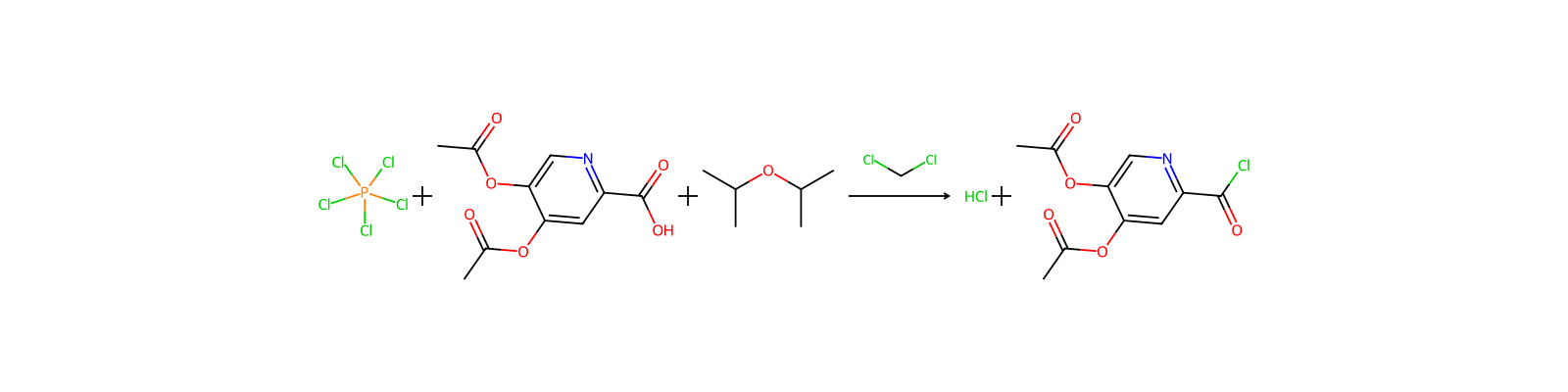
2,836 条
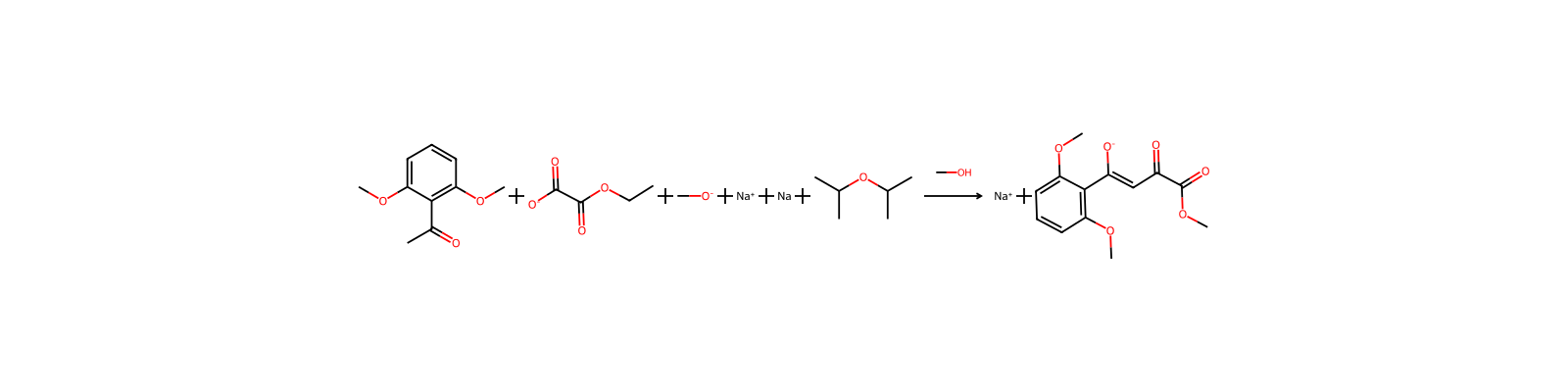


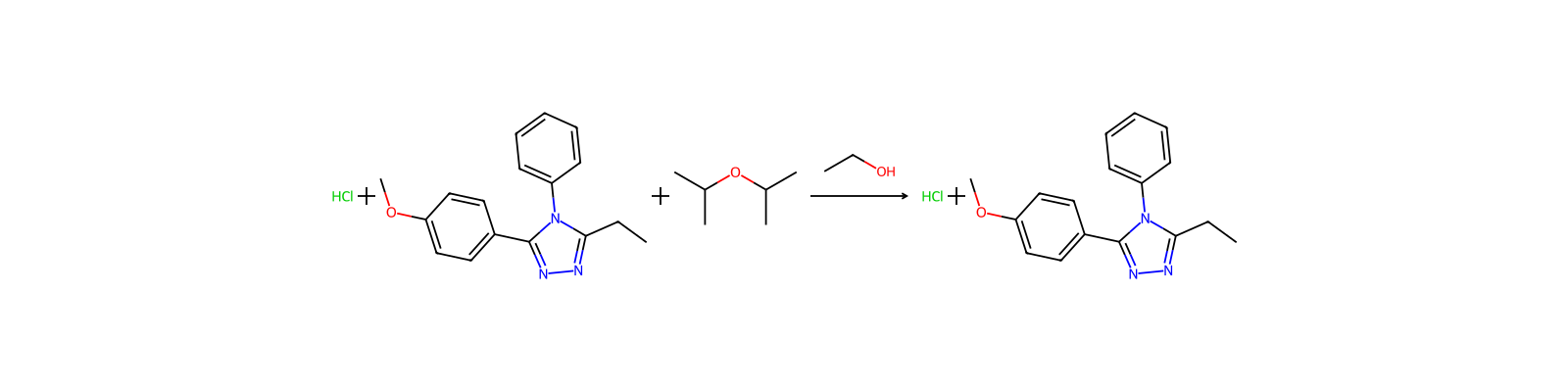
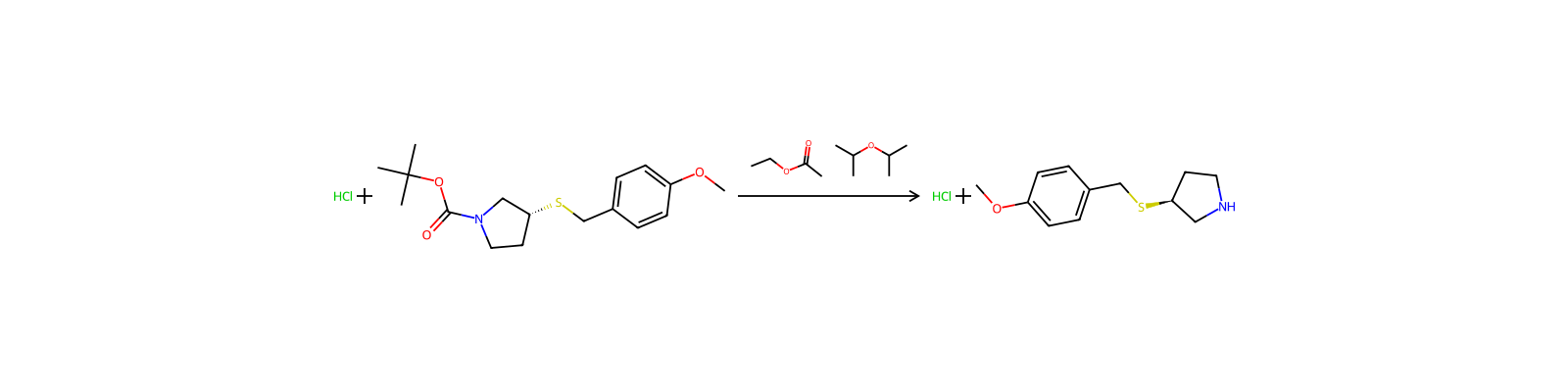

关联笔记
加载中…