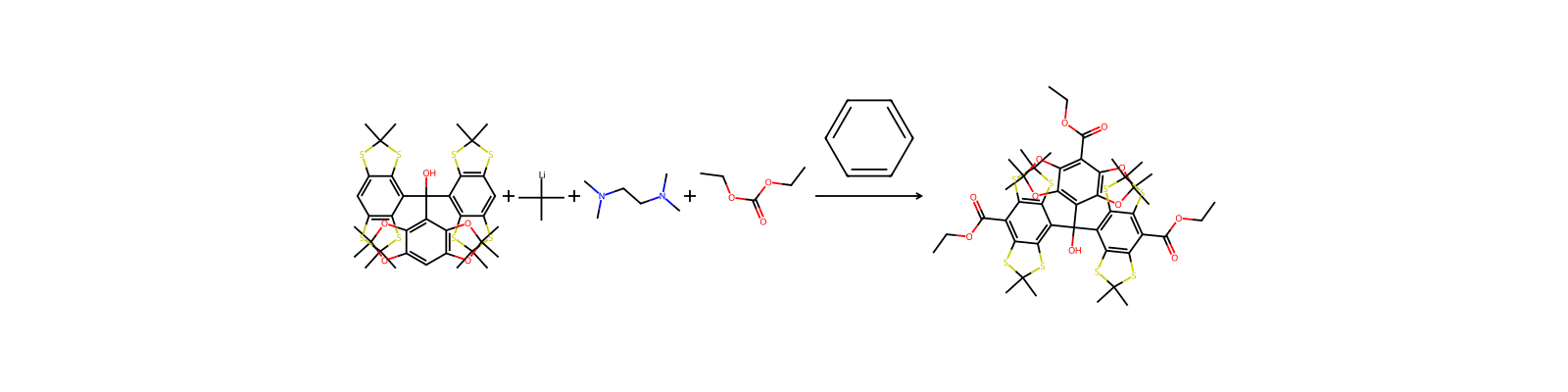
基本信息
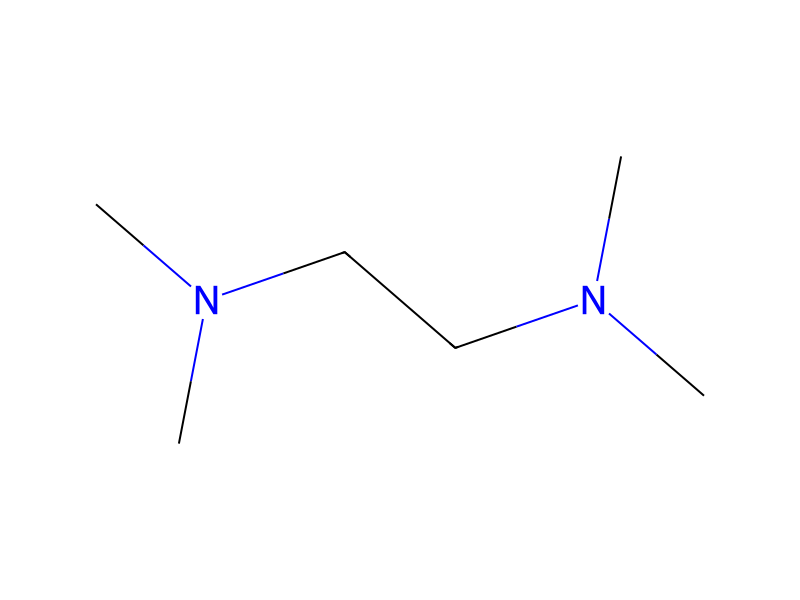
- 标准SMILES
CN(C)CCN(C)C- InChIKey
KWYHDKDOAIKMQN-UHFFFAOYSA-N- 分子式
- C6H16N2
- 平均分子量
- 116.2 g/mol
- 单同位素质量
- 116.13134852
名称与标识
- 首选名称
- N,N,N',N'-Tetramethylethylenediamine
- IUPAC
- N,N,N',N'-tetramethylethane-1,2-diamine
- 中文名
- N,N,N',N'-四甲基乙二胺
- 英文名
- N,N,N',N'-Tetramethylethylenediamine
- 分子式
- C6H16N2
- 分子量
- 116.2
名称与别名
110-18-9N,N,N',N'-TetramethylethylenediamineTemedTMEDATetramethylethylenediamineN,N,N',N'-tetramethylethane-1,2-diamine1,2-Bis(dimethylamino)ethanePropamine DTetramethyldiaminoethaneTetrameen1,2-Ethanediamine, N,N,N',N'-tetramethyl-Tetramethyl ethylene diamine
展开更多名称
四甲基乙二胺四甲替乙二胺四甲基乙撑二胺四甲基乙醯二胺克拉维酸钾杂质2工业四甲基乙二胺四甲基乙二胺TDEN,N-四甲基乙二胺四甲基乙二胺0.99TEMED 电泳试剂N1,N1,N2,N2-tetraMethylethane-1,2-diaMineTMED1,4-DIAMINOBUTANETD2,5-DiMethyl-2,5-diazahexaneCHN
N,N,N',N'-TETRAMETHYL-1,2-ETHANEDIAMINEEthylenediamine, N,N,N',N'-tetramethyl-DTXSID5026122N,N,N',N'-Tetramethyl-1,2-diaminoethaneDimethyl(2-(dimethylamino)ethyl)amineK90JUB7941Dimethyl[2-(dimethylamino)ethyl]amineDTXCID206122
数据库标识
- CAS
110-18-9- PubChem CID
- 8037
- DTXSID
DTXSID5026122- ChEMBL
CHEMBL3181913- ChEBI
CHEBI:32850- UNII
- K90JUB7941
- EC Number
- 203-744-6
- Nikkaji
- J34.745K
性质
结构计算性质
- XLogP
- 0.3
- 极性表面积
- 6.5 Ų
- 氢键供体
- 0
- 氢键受体
- 2
- 可旋转键
- 3
- 重原子
- 8
- 形式电荷
- 0
- 复杂度
- 42
实验与物化性质
LogPlog Kow= 0.30
OdorSlight ammoniacal odor
Density
0.7765 at 68 °F (NTP, 1992) - Less dense than water; will float
0.7765 @ 20 °C/4 °C
0.77 @25 °C
Color/FormColorless liquid
Solubility
Soluble (NTP, 1992)
Sol in water and most organic solvents
Flash Point50 °F (NTP, 1992)
Boiling Point
250 to 252 °F at 760 mmHg (NTP, 1992)
121 °C
DecompositionWhen heated to decomposition it emits toxic fumes of nitroxides.
Melting Point
-67.2 °F (NTP, 1992)
FP: -55 °C
-55 °C
Odor ThresholdOdor Threshold Low: 0.1 [ppm];Odor threshold (unspecified) from CHEMINFO
Vapor Pressure16.7 [mmHg]
Refractive IndexIndex of refraction: 1.4179 @ 20 °C/D
物理化学性质
- 熔点
- 55 °C · −55 °C(lit.)
- 沸点
- 120 · 120-122 °C(lit.)
- 密度
- 0.775 g/mL · 0.775 g/mL at 20 °C(lit.)
- 蒸气密度
- 4 · 4 (vs air)
- 蒸气压
- 21 hPa · 21 hPa (20 °C)
- 折射率
- 20 · n20/D 1.4179(lit.)
- 闪点
- 50 °F · 50 °F
- 储存条件
- 30 °C · Store below +30°C.
- 溶解度
- 2 O: · H2O: 10 mg/mL at 20 °C, clear, colorless
- 形态
- Liquid
- 酸度系数(pKa)
- 10.4 · 10.40, 8.26(at 25℃)
- 颜色
- Clear colorless to slightly yellow
- 比重
- 0.777 · 0.777 (20/4℃)
- 气味 (Odor)
- Amine like
- PH值
- 8 · 8.0-8.5 (0.1g/l, H2O, 20℃)
- 爆炸极限值(explosive limit)
- 1 · 1-9%(V)
- 水溶解性
- miscible
- 敏感性
- Hygroscopic
- Merck
- 14 · 14,9134
- BRN
- 1732991 · 1732991
- 稳定性
- Stable. Highly flammable. Incompatible with strong oxidizing agents, acids, acid chlorides, acid anhydrides, copper, mercury.
- InChI
- 1S/C6H16N2/c1-7(2)5-6-8(3)4/h5-6H2,1-4H3
- InChIKey
- DMQSHEKGGUOYJS-UHFFFAOYSA-N
- SMILES
- CN(C)CCN(C)C
- LogP
- -0.13 at · -0.13 at 20.2℃
- CAS 数据库
- 110 · 110-18-9(CAS DataBase Reference)
- NIST化学物质信息
- 1 · 1,2-Ethanediamine, N,N,N',N'-tetramethyl-(110-18-9)
- EPA化学物质信息
- Tetramethylethylenediamine (110-18-9)
化学性质
无色透明液体。能与水、醇和其它有机溶剂相混溶。
安全与法规
GHS分类
GHS Classification
Danger
H225: Highly Flammable liquid and vapor [Danger Flammable liquids];H302: Harmful if swallowed [Warning Acute toxicity, oral];H314: Causes severe skin burns and eye damage [Danger Skin corrosion/irritation];H332: Harmful if inhaled [Warning Acute toxicity, inhalation]
P210, P233, P240, P241, P242, P243, P260, P261, P264, P270, P271, P280, P301+P317, P301+P330+P331, P302+P361+P354, P303+P361+P353, P304+P340, P305+P354+P338, P316, P317, P321, P330, P363, P370+P378, P403+P235, P405, and P501 (click each P-code to see the statement)
Danger
危害信息
Regulatory Information
Chemical: 1,2-Ethanediamine, N,N,N',N'-tetramethyl-
1,2-Ethanediamine, N1,N1,N2,N2-tetramethyl- is listed on the EPA's Chemical Data Reporting (CDR) system. Manufacturers and importers of 1,2-Ethanediamine, N1,N1,N2,N2-tetramethyl- are required to report information about their production and use of this chemical to the EPA under the Toxic Substances Control Act (TSCA). (40 eCFR Part 711)
Status: Active Update: 17-09-2021 https://echa.europa.eu/registration-dossier/-/registered-dossier/27608;Status: Active Update: 12-11-2018 https://echa.europa.eu/registration-dossier/-/registered-dossier/27426
1,2-Ethanediamine, N,N,N',N'-tetramethyl-: HSNO Approval: HSR001080 Approved with controls
The New Jersey Worker and Community Right to Know Act requires public and private employers to provide information about hazardous substances at their workplaces. (N.J.S.A. 34:5A-1 et. seq.)
DOT LabelFlammable Liquid
Fire Hazards
Excerpt from ERG Guide 129 [Flammable Liquids (Water-Miscible / Noxious)]:;HIGHLY FLAMMABLE: Will be easily ignited by heat, sparks or flames. Vapors may form explosive mixtures with air. Vapors may travel to source of ignition and flash back. Most vapors are heavier than air. They will spread along the ground and collect in low or confined areas (sewers, basements, tanks, etc.). Vapor explosion hazard indoors, outdoors or in sewers. Those substances designated with a (P) may polymerize explosively when heated or involved in a fire. Runoff to sewer may create fire or explosion hazard. Containers may explode when heated. Many liquids will float on water. (ERG, 2024)
Fire PotentialFlammable when exposed to heat or flame ...
Health Hazards
Excerpt from ERG Guide 129 [Flammable Liquids (Water-Miscible / Noxious)]:;May cause toxic effects if inhaled or absorbed through skin. Inhalation or contact with material may irritate or burn skin and eyes. Fire will produce irritating, corrosive and/or toxic gases. Vapors may cause dizziness or asphyxiation, especially when in closed or confined areas. Runoff from fire control or dilution water may cause environmental contamination. (ERG, 2024)
Hazards Summary
Emergency treatment: Irritants; [HSDB] Corrosive to skin and eyes, based on animal studies; [CHEMINFO] Highly flammable; Can cause burns; [eChemPortal: ESIS] Necrosis observed 14 days following three minute exposure to rabbit skin; Severe eye irritant in rabbits; Lesions of the brain observed in oral lethal-dose study of rats; No evidence of mutagenicity; [EPA HPVIS] Causes burns; Toxic by ingestion; May be absorbed through skin; If inhaled may cause corrosive effects to upper respiratory tract and lungs; [Aldrich MSDS]
Reactive GroupAmines, Phosphines, and Pyridines
Reactivity AlertsHighly Flammable
Reactivity Profile
1,2-DI-(DIMETHYLAMINO)ETHANE neutralizes acids in exothermic reactions to form salts plus water. May be incompatible with isocyanates, halogenated organics, peroxides, phenols (acidic), epoxides, anhydrides, and acid halides. Flammable gaseous hydrogen may be generated in combination with strong reducing agents, such as hydrides.
DOT Hazard Classification
1,2-Di-(dimethylamino)ethane
UN2372
Class 3 Flammable and combustible liquid (49 eCFR § 173.120)
PG II: the degree of danger presented by the material is medium;For more information about the packing group assignment, please visit 49 eCFR § 173
Air and Water ReactionsHighly flammable. Slightly soluble in water. Sensitive to heat and may be sensitive to air (NTP, 1992).
Hazard Classes and Categories
Flam. Liq. 2 (100%);Acute Tox. 4 (96.5%);Skin Corr. 1B (99.8%);Eye Dam. 1 (38.2%);Acute Tox. 3 (22%);Acute Tox. 4 (78%);Aquatic Chronic 2 (27.7%)
Flammable liquid - category 2;Acute toxicity - category 4;Acute toxicity - category 4;Skin corrosion - category 1B
Flammable liquids - Category 2;Acute toxicity (Oral) - Category 4;Acute toxicity (Dermal) - Category 4;Acute toxicity (Inhalation: Vapours) - Category 3;Skin corrosion/irritation - Category 1;Serious eye damage/eye irritation - Category 1;Specific target organ toxicity - Single exposure - Category 1 (central nervous system)
Flammable agents - 3rd degree
Flam. Liq. 2;Acute Tox. 4 *;Acute Tox. 4 *;Skin Corr. 1B
安全与防护
Fire Fighting
Excerpt from ERG Guide 129 [Flammable Liquids (Water-Miscible / Noxious)]:;CAUTION: The majority of these products have a very low flash point. Use of water spray when fighting fire may be inefficient.;SMALL FIRE: Dry chemical, CO2, water spray or alcohol-resistant foam. Do not use dry chemical extinguishers to control fires involving nitromethane (UN1261) or nitroethane (UN2842).;LARGE FIRE: Water spray, fog or alcohol-resistant foam. Avoid aiming straight or solid streams directly onto the product. If it can be done safely, move undamaged containers away from the area around the fire.;FIRE INVOLVING TANKS, RAIL TANK CARS OR HIGHWAY TANKS: Fight fire from maximum distance or use unmanned master stream devices or monitor nozzles. Cool containers with flooding quantities of water until well after fire is out. Withdraw immediately in case of rising sound from venting safety devices or discoloration of tank. ALWAYS stay away from tanks in direct contact with flames. For massive fire, use unmanned master stream devices or monitor nozzles; if this is impossible, withdraw from area and let fire burn. (ERG, 2024)
First Aid
EYES: First check the victim for contact lenses and remove if present. Flush victim's eyes with water or normal saline solution for 20 to 30 minutes while simultaneously calling a hospital or poison control center. Do not put any ointments, oils, or medication in the victim's eyes without specific instructions from a physician. IMMEDIATELY transport the victim after flushing eyes to a hospital even if no symptoms (such as redness or irritation) develop.;SKIN: IMMEDIATELY flood affected skin with water while removing and isolating all contaminated clothing. Gently wash all affected skin areas thoroughly with soap and water. If symptoms such as redness or irritation develop, IMMEDIATELY call a physician and be prepared to transport the victim to a hospital for treatment.;INHALATION: IMMEDIATELY leave the contaminated area; take deep breaths of fresh air. If symptoms (such as wheezing, coughing, shortness of breath, or burning in the mouth, throat, or chest) develop, call a physician and be prepared to transport the victim to a hospital. Provide proper respiratory protection to rescuers entering an unknown atmosphere. Whenever possible, Self-Contained Breathing Apparatus (SCBA) should be used; if not available, use a level of protection greater than or equal to that advised under Protective Clothing.;INGESTION: DO NOT INDUCE VOMITING. If the victim is conscious and not convulsing, give 1 or 2 glasses of water to dilute the chemical and IMMEDIATELY call a hospital or poison control center. Be prepared to transport the victim to a hospital if advised by a physician. If the victim is convulsing or unconscious, do not give anything by mouth, ensure that the victim's airway is open and lay the victim on his/her side with the head lower than the body. DO NOT INDUCE VOMITING. IMMEDIATELY transport the victim to a hospital. (NTP, 1992)
Nonfire Spill Response
Excerpt from ERG Guide 129 [Flammable Liquids (Water-Miscible / Noxious)]:;ELIMINATE all ignition sources (no smoking, flares, sparks or flames) from immediate area. All equipment used when handling the product must be grounded. Do not touch or walk through spilled material. Stop leak if you can do it without risk. Prevent entry into waterways, sewers, basements or confined areas. A vapor-suppressing foam may be used to reduce vapors. Absorb or cover with dry earth, sand or other non-combustible material and transfer to containers. Use clean, non-sparking tools to collect absorbed material.;LARGE SPILL: Dike far ahead of liquid spill for later disposal. Water spray may reduce vapor, but may not prevent ignition in closed spaces. (ERG, 2024)
Disposal Methods
SRP: At the time of review, criteria for land treatment or burial (sanitary landfill) disposal practices are subject to significant revision. Prior to implementing land disposal of waste residue (including waste sludge), consult with environmental regulatory agencies for guidance on acceptable disposal practices.
Preventive Measures
SRP: The scientific literature for the use of contact lenses in industry is conflicting. The benefit or detrimental effects of wearing contact lenses depend not only upon the substance, but also on factors including the form of the substance, characteristics and duration of the exposure, the uses of other eye protection equipment, and the hygiene of the lenses. However, there may be individual substances whose irritating or corrosive properties are such that the wearing of contact lenses would be harmful to the eye. In those specific cases, contact lenses should not be worn. In any event, the usual eye protection equipment should be worn even when contact lenses are in place.
Isolation and Evacuation
Excerpt from ERG Guide 129 [Flammable Liquids (Water-Miscible / Noxious)]:;IMMEDIATE PRECAUTIONARY MEASURE: Isolate spill or leak area for at least 50 meters (150 feet) in all directions.;LARGE SPILL: Consider initial downwind evacuation for at least 300 meters (1000 feet).;FIRE: If tank, rail tank car or highway tank is involved in a fire, ISOLATE for 800 meters (1/2 mile) in all directions; also, consider initial evacuation for 800 meters (1/2 mile) in all directions. (ERG, 2024)
Protective Action Criteria (PAC)
0.88 [ppm]
9.7 [ppm]
58 [ppm]
Personal Protective Equipment (PPE)
Excerpt from ERG Guide 129 [Flammable Liquids (Water-Miscible / Noxious)]:;Wear positive pressure self-contained breathing apparatus (SCBA). Structural firefighters' protective clothing provides thermal protection but only limited chemical protection. (ERG, 2024)
毒理信息
Adverse EffectsDermatotoxin - Skin burns.;Toxic Pneumonitis - Inflammation of the lungs induced by inhalation of metal fumes or toxic gases and vapors.
TSCA Test Submissions
N,N,N',N'-Tetramethylethylenediamine (CAS # 110-18-9) was evaluated for acute oral toxicity in groups of fasted female Sprague-Dawley albino rats (5/group) administered single 1 mL doses via oral gavage of 250, 354, 421, and 500 mg/kg bodyweight as 2.5-5.0% aqueous dilutions. A comparison group of 5 male rats also received single doses of 500 mg/kg. The oral LD50 (female rats) based on 4/5 lethalities and a 14-day observation period was calculated by the moving average method to be 469 mg/kg (95% confidence limits, 435-505 mg/kg). A solitary male rat also died on the day it was administered a dose of 500 mg/kg. Transient weight loss and emaciation were observed in the sole surviving female of a high dose while weight was mostly static among females of the 250 mg/kg group; all other treated females showed consistent weight gain. Clinical signs of toxicity included tremors (intermittent and/or marked), myoclonic jerking, straub tail, diarrhea, sluggishness, red tearing or lacrimation, abnormal gait, piloerection, aggressive behavior on handling, biting, red staining and alopecia of perinasal and periocular fur, brown staining of perineal fur, blood in the urine, sloughing of tail, salivation, hyperactivity and unkempt appearance. Signs of potential neurotoxic effects were observed at all dose levels, with all treated females except 4 low dose females exhibiting intermittent tremors. Most of the surviving rats had recovered from the apparent effects within 2.5 hours to 2 days after treatment. Upon necropsy, high dose female decedents exhibited liquid-filled, gray, brown and/or deep red hemorrhagic intestine and/or stomach; red and/or mottled lungs; dark red livers; kidneys with dark regions. Females surviving a 500 mg/kg dose and 14-day post-gavage observation exhibited tan stomach (1/5) and duodenum (1/5), and gas-filled intestine (2/5). Microscopic examination of tissues from the brain, spinal cord, sciatic nerve, kidneys and urinary bladder of 2-3 animals from each
N,N,N',N'-Tetramethylethylenediamine (CAS # 110-18-9) was evaluated for acute inhalation toxicity in Sprague-Dawley albino rats (5/sex/group) administered single 6-hour, 3-hour or 1.5-hour whole body exposures to a substantially saturated vapor, which was generated by enclosure of a 130 g sample in the sealed 120 L animal chamber under static conditions for 15 to 18 hours. During the exposures, a mixing fan agitated the chamber air periodically and oxygen was added to maintain a concentration of approximately 20%; the ambient vapor concentration in the chamber was not monitored. An LT50 was 2.12 hours for both male and female rats exposed once to a substantially saturated vapor. Upon 7- and 14-day post-treatment evaluations, all surviving animals but one male of a 6-hour exposure exhibited a weight gain. Clinical signs of toxicity included abnormal respiration, tremors, ocular opacity, unkempt appearance, wetness of perinasal and perioral fur, wetness and red encrustation of periocular areas, and dark brown and red staining of perioral, perinasal and/or periocular areas. Upon necropsy, the decedent animals exhibited hemorrhagic brains, red or pink lungs, lungs with dark red foci, dark red pituitary glands, ulcerated front feet, and dark red foci, discoloration or mottling of the thymus. Ocular opacity, corneal ulceration, dark red foci of the lungs, pink foci of the thymic region, epididymal abscess, penile abscess, alopecia, and 1 liver anomaly characterized the gross pathology in the study survivors.
N,N,N',N'-Tetramethylethylenediamine (CAS # 110-18-9) was evaluated for acute dermal toxicity in female New Zealand white rabbits (5/group) administered single occluded applications of 1.0, 1.4, and 2.0 g/kg, dosed (as received) upon the clipped skin of the dorsal trunk for 24 hours. A group of 3 male rabbits also received single 24-hour dermal applications of 2.0 g/kg for comparison. The amount of sample/dose area ranged from 32 mg/cm2 to 54 mg/cm2. The dermal LD50 (female rats) based on 4/5 lethalities and a 14-day observation period was calculated to be 1.75 g/kg (95% confidence limits, 1.50-2.04 g/kg). All 3 males died on the day following administration of a 2.0 g/kg dose. Application sites were stained yellow to brown and skin reactions included erythema, edema, necrosis, ulceration, fissuring, scabs and alopecia. Clinical signs of systemic toxicity included prostration, lacrimation, wet perioral and perinasal fur, diarrhea, and emaciation. Generalized weight loss, evident in most animals by day 7, was partially recovered by the 14th day. Among the decedent rabbits, dark red patches or general coloration of the lungs, dark red trachea, and enlarged and/or dark red-marked thymus characterized the findings on necropsy. The survivors exhibited no gross pathology, although trace hematuria was noted in one surviving female.
N,N,N',N'-Tetramethylethylenediamine (CAS # 110-18-9) was evaluated for dermal irritation in New Zealand white rabbits administered dermal applications of the undiluted substance for contact periods of graduated duration. Groups of 6 (3/sex), 2 male and 2 male rabbits each were dosed upon the non-abraded clipped skin of the dorsal trunk with 0.5 mL semi-occluded applications for 3 minutes, 1 hour and 6 hours, respectively. Evaluations for signs of irritation were conducted at 1, 24, 48, and 72 hours and at 7 and 14 days after the end of the contact period and removal of the gauze patch with any residual test material. Moderate erythema and edema, apparent in all animals following removal of both the 1- and 4-hour applications, had worsened to full-thickness necrosis (2/2) and ecchymoses (1/2) after a 4-hour application and to superficial necrosis (1/2), ulceration (1/2) and ecchymoses (1/2) 1 hour after a 1-hour application. Upon 24-hour evaluation, both rabbits in the 1-hour exposure group also exhibited full-thickness necrosis. The necrosis persisted to Day 14 in this group and in the 2 rabbits of the 4-hour exposures. Scabs, desquamation and alopecia were also noted in both groups on the 14th and final day of observation. A 3-minute application of 0.5 mL produced slight to moderate erythema and edema in 6/6 and 4/6 rabbits respectively at 1 hour and 1 day post-treatment; by post-treatment day 7, all treated animals appeared normal.
For more TSCA Test Submissions (Complete) data for N,N,N',N'-TETRAMETHYL-1,2-ETHANEDIAMINE (7 total), please visit the HSDB record page.
Non-Human Toxicity Excerpts
Some behavioral reactions, adhesion, attachment and contractility of young blue mussels Mytilus edulis and the larvae of hydroids Dynarnena pumila and Obelia loveni were studied. The negative chemotaxis of these invertebrates to bacterial repellents, both benzoic acid and N,N,N',N'-tetramethylethylendiamin, was demonstrated. All substances used suppressed reversibly the motility of hydroid larvae. Benzoic acid and N,N,N',N'-tetramethylendiamin effectively suppressed the temporary attachment of these larvae. In solutions of all used substances mussels were alive at least throughout two days.
N,N,N',N'-TETRAMETHYL-1,2-ETHANEDIAMINE DID NOT AFFECT THE FERTILITY OF EGGS PRODUCED BY FEMALE QUAIL AFTER THEIR MATES WERE GIVEN A SINGLE ORAL DOSE AT ABOUT 50% OF THE ESTIMATED LD50 VALUE.
N,N,N',N'-Tetramethylethylenediamine (TMED) was tested for mutagenicity in Salmonella/microsome preincubation assay using a protocol approved by the National Toxicology Program. TMED was tested over a wide range of doses (0, 100, 333, 1000, 3333, and 10,000 ug/plate) in four Salmonella typhimurium strains (TA98, TA100, TA1535, and TA1537) in the presence and absence of Aroclor-induced rat or hamster liver S9. TMED was negative in these tests and the highest ineffective dose level tested (not causing clearing of the background lawn) in any Salmonella tester strain was 3333 ug/plate.
Toxicity DataLC50 (rat) = 1,318 ppm/4h
Non-Human Toxicity Values
LD50 Rat oral 1580 mg/kg
LD50 Rabbit skin 5390 mg/kg
法规信息
Regulatory Information
Chemical: 1,2-Ethanediamine, N,N,N',N'-tetramethyl-
1,2-Ethanediamine, N1,N1,N2,N2-tetramethyl- is listed on the EPA's Chemical Data Reporting (CDR) system. Manufacturers and importers of 1,2-Ethanediamine, N1,N1,N2,N2-tetramethyl- are required to report information about their production and use of this chemical to the EPA under the Toxic Substances Control Act (TSCA). (40 eCFR Part 711)
Status: Active Update: 17-09-2021 https://echa.europa.eu/registration-dossier/-/registered-dossier/27608;Status: Active Update: 12-11-2018 https://echa.europa.eu/registration-dossier/-/registered-dossier/27426
1,2-Ethanediamine, N,N,N',N'-tetramethyl-: HSNO Approval: HSR001080 Approved with controls
The New Jersey Worker and Community Right to Know Act requires public and private employers to provide information about hazardous substances at their workplaces. (N.J.S.A. 34:5A-1 et. seq.)
安全数据
- F
- 3-8-10-34
- wgk
- 1
- tsca
- TSCA listed
- RTECS号
- KV7175000
- hazard_note
- Irritant
- 包装类别
- II
- 危险等级
- 3
- 存储类别
- 3 - Flammable liquids
- 安全说明
- 16-26-36/37/39-45
- 海关编码
- 29212900
- 自燃温度
- 145 °C
- 危险品标志
- F,C,Xi
- 危险性类别
- Acute Tox. 3 InhalationAcute Tox. 4 OralEye Dam. 1Flam. Liq. 2Skin Corr. 1B
- 危险类别码
- 11-20/22-34-20/21/22
- 毒害物质数据
- 110-18-9(Hazardous Substances Data)
- 危险品运输编号
- UN 2372
毒性防护
急性毒性口服- 大鼠 LD50: 1020 毫克/ 公斤; 口服- 小鼠 LD50: 630 毫克/ 公斤
刺激数据眼睛- 兔子 0.750 毫克 重度
包装储运
可燃性危险特性遇明火、高温、氧化剂易燃; 燃烧产生有毒氮氧化物烟雾
储运特性库房通风低温干燥; 与氧化剂、酸类分开存放
灭火剂干粉、干砂、二氧化碳、泡沫
化学与工业
用途与制造
Uses
Used to make epoxy curing agents, polyurethane, and quaternary ammonium compounds; Also used in textile finishing agents, as a corrosion inhibitor, acrylamide polymerization catalyst, and reagent; [HSDB] Used as polymerization accelerator in gel electrophoresis, a solvent, and an oxidizing reagent; [Merck Index]
Plastic Composites Manufacturing [Category: Industry];Textiles (Printing, Dyeing, or Finishing) [Category: Industry]
Preparation of epoxy curing agents; polyurethane formation; corrosion inhibitor; textile finishing agents; intermediate for quaternary ammonium compounds
Acrylamide polymerization catalyst; reagent (organolithium compound formation)
U.S. Production2023: 1,000,000 - <8,500,000 lb;2022: 1,000,000 - <8,500,000 lb;2021: 1,000,000 - <8,500,000 lb;2020: 1,000,000 - <8,500,000 lb
Industry UsesIntermediate;Catalyst
Methods of ManufacturingProduction: ethylenediamine (methylation)
Formulations/PreparationsGrade: Anhydrous (100%),; Aqueous (65%)
General Manufacturing Information
Miscellaneous Manufacturing;All Other Basic Organic Chemical Manufacturing;Plastics Material and Resin Manufacturing;Rubber Product Manufacturing
1,2-Ethanediamine, N1,N1,N2,N2-tetramethyl-: ACTIVE
应用领域
简介N,N,N',N'-四甲基乙二胺为无色透明液体,稍有氨气味,与水混溶,可混溶于乙醇等多数有机溶剂,是一种重要的有机中间体,主要用作生化试剂、环氧树脂交联剂,季胺类化合物的合成中间体。
用途是极性非质子溶剂,也用于制备烯基炔化物等有机试剂
用途生化试剂、水处理剂,作为季铵盐类中间体原料。 用于生化研究,有机合成,交联聚合催化剂。 聚氨酯泡沫塑料生产过程中的催化剂。
用途用作生化试剂、环氧树脂交联剂,也是季胺化合物中间体
用途用于聚丙烯酰胺凝胶的制备。
用途TEMED 是用于催化过硫酸铵或核黄素形成自由基的叔胺基。自由基将引起丙烯酰胺和 N,N'-亚甲基双丙烯酰胺聚合形成可用于筛分大分子的凝胶基质。
制备方法
制备一种二甲基乙醇胺直接催化胺化生产N,N,N',N'-四甲基乙二胺催化剂的制备方法:包括如下步骤:(1)称取约24.2g Cu(NO3)2.3H2O、14.5g Ni(NO3)2.6H2O和37.5gAl(NO3)3.9H2O并用100mL去离子水溶解;(2)称取可使金属离子完全沉淀的NaOH 18.0g作为沉淀剂,并用去离子水溶解配成2mol/L的浓度;(3)在搅拌及水浴温度为80℃状态下,将步骤1)配制的硝酸盐溶液缓慢滴加入步骤2)配制的NaOH溶液中,直至pH为8.0;(4)在该温度下搅拌4小时,然后在上述温度下静置老化12小时。(5)将老化后的催化剂抽滤,用去离子水洗涤数次至滤液pH为7.0;然后将滤饼进行干燥32小时;将烘干的催化剂进行碾磨成粉,再于马弗炉中450℃焙烧4小时,制得催化剂前驱体,其中Cu的重量百分比含量为28、Ni的重量百分比含量为11;(6)将焙烧后的催化剂进行压片成型,并切割筛选得20~40目数的成品催化剂Ni-Cu/Al2O3 20mL; 将20 ML上述制备得到的Ni-Cu/Al2O3催化剂装填于管式固定床反应器,在250℃下通氢气活化12h,在反应温度200℃、反应压力0.2 Mpa输入二甲基乙醇胺、二甲胺和氢气进行二甲基乙醇胺连续催化胺化反应;二甲基乙醇胺与二甲胺的摩尔比为1:2,二甲基乙醇胺与氢气的摩尔比为1:20;二甲基乙醇胺体积空速为0.5 h-1,反应产物从反应器下端出口连续排出,通过气液分离,液相产物进行气相色谱分析, 二甲基乙醇胺转化率87.6%,N,N,N',N'-四甲基乙二胺选择性78.3%。
上下游产品信息
上游原料
下游产品
试剂价格
- A12536 · 500ml
- N,N,N',N'-四甲基乙二胺, 99% N,N,N',N'-Tetramethylethylenediamine, 99% — 757元
- 43383 · 100ml
- 四甲基乙二胺N,N,N',N'-Tetramethylethylenediamine, 99.5%, purified by redistillation, AcroSeal™, Thermo Scientific Chemicals — 1013元
供应商50 家
国药集团化学试剂有限公司86-21-63210123 · [email protected]
梯希爱(上海)化成工业发展有限公司021-67121386 · [email protected]
上海阿拉丁生化科技股份有限公司400-6206333 13167063860 · [email protected]
邹平铭远进出口贸易有限公司18364991597
爱斯特(成都)生物制药股份有限公司+86-28-85122536 85324413 · [email protected]
上海如吉生物科技发展有限公司+86-21-65211385-8001 36031160 · [email protected]
上海赫文斯化工有限公司15721252604 17321035817 · [email protected]
科瑞迪化学400-821-5857 021-64326257 · [email protected]
Syntechem Co.,Ltd[email protected]
上海迈瑞尔生化科技有限公司4006356688 18621169109 · [email protected]
武汉易泰科技有限公司上海分公司18930552037 · [email protected]
天津中信凯泰化工有限公司022-66880623 · [email protected]
阿法埃莎(中国)化学有限公司400-6106006 · [email protected]
上海德默医药科技有限公司400-021-7337 2355568890 · [email protected]
安耐吉化学&3A(安徽泽升科技股份有限公司)400-0056266 · [email protected]
上海瀚鸿科技股份有限公司021-54306202 13764082696 · [email protected]
上海景颜化工科技有限公司13817811078 · [email protected]
嘉兴市艾森化工有限公司0573-85285100 18627885956 · [email protected]
上海泰坦科技股份有限公司400-6009262 15618770481 · [email protected]
南京美博生物科技有限公司025-58619198 · [email protected]
山东西亚化学有限公司13355009207 13355009207 · [email protected]
玛雅试剂+86 (573) 82222445 (0)18006601000 452520369 · [email protected]
四川库利南科技有限公司400-1166-196 18981987031 · [email protected]
天津希恩思生化科技有限公司400 638 7771 · [email protected]
斯百全化学(上海)有限公司021-021-021-67601398-809-809-809 15221380277 · [email protected]
艾科试剂4008-755-333 18080918076 · [email protected]
上海思域化工科技有限公司86-21-34053660 · [email protected]
赛默飞世尔科技(中国)有限公司800-810-5118 · [email protected]
北京伊诺凯科技有限公司400-810-7969 010-59572699 · [email protected]
江苏艾康生物医药研发有限公司025-66113011 13913916777 · [email protected]
TOKYO CHEMICAL INDUSTRY CO., LTD.03-36680489 · [email protected]
上海贤鼎生物科技有限公司4009209199 · [email protected]
深圳康特腾科技有限公司86-0755-86635001 · [email protected]
越林试剂021-62960152 · [email protected]
苏州安尼康药物研发有限公司0512-69369885 · [email protected]
北京环宇世纪化学科技有限公司hysj_bj.com
上海湄水化工科技有限公司021-60549325 18616193163
安徽科迪达化工有限公司0554-2106669 · [email protected]
日照力德士化工有限公司010-51268198 · [email protected]
郑州阿尔法化工有限公司0371-53732842 15981811963 · [email protected]
美岚实业(上海)有限公司021-58958189 · [email protected]
上海爱蝶实业有限公司021-58957966 18930537195 · [email protected]
安倍医疗器械贸易(上海)有限公司400-1500-680 021-62402299 · [email protected]
成都零六生物科技有限公司400-1166-196 13458535857 · [email protected]
广拓化学(上海)有限公司021-60899189-8001 18918189673 · [email protected]
上海鑫圭生物科技有限公司15121041756 · [email protected]
上海麦克林生化科技股份有限公司15221275939 15221275939 · [email protected]
杭州杰恒化工有限公司0571-87396432 · [email protected]
上海嵩爰化工科技有限公司010-1234567 18521000990 · [email protected]
上海有朋化工有限公司021-69005955 13701776567 · [email protected]
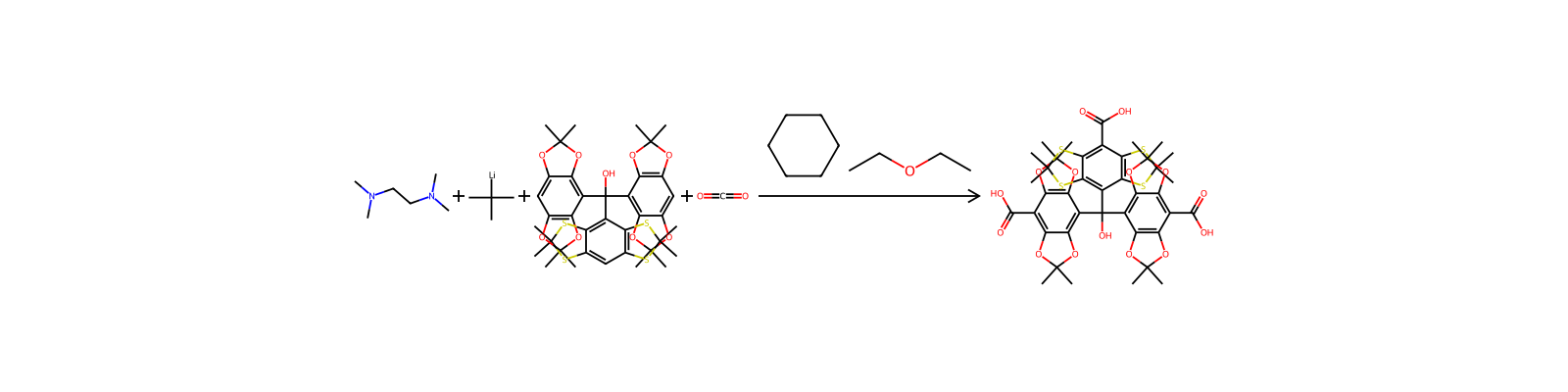
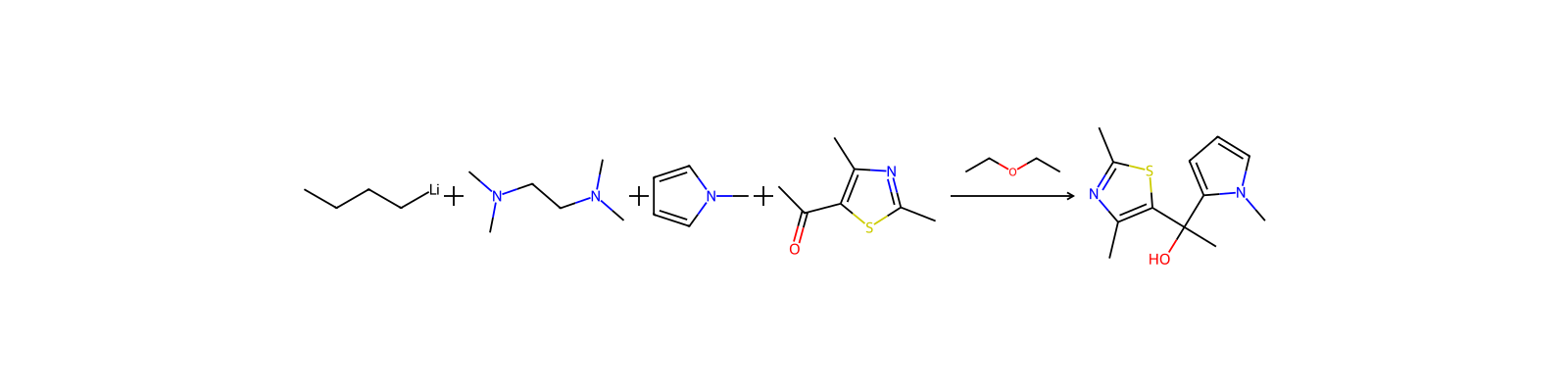
相关反应
2,357 条


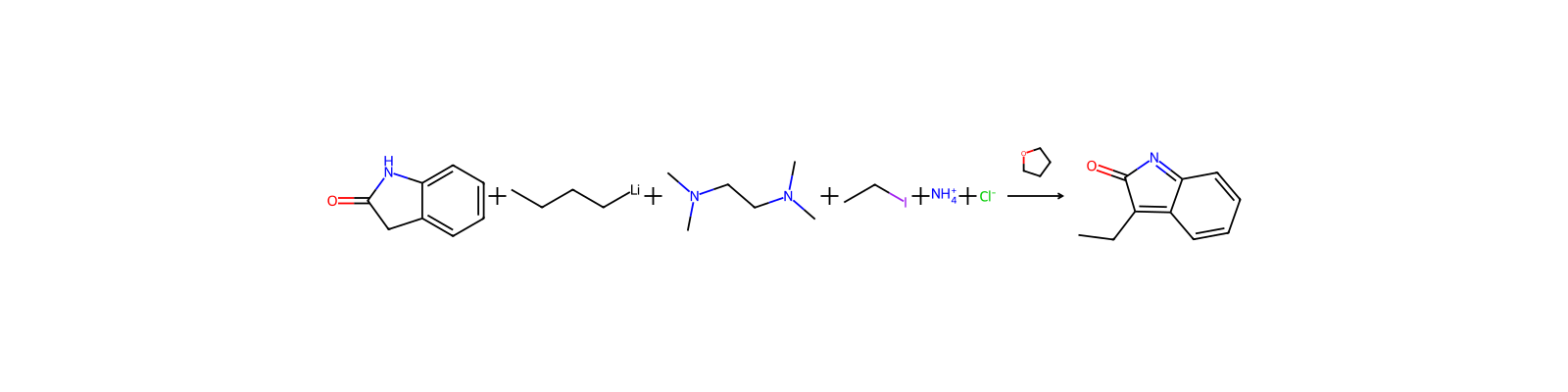
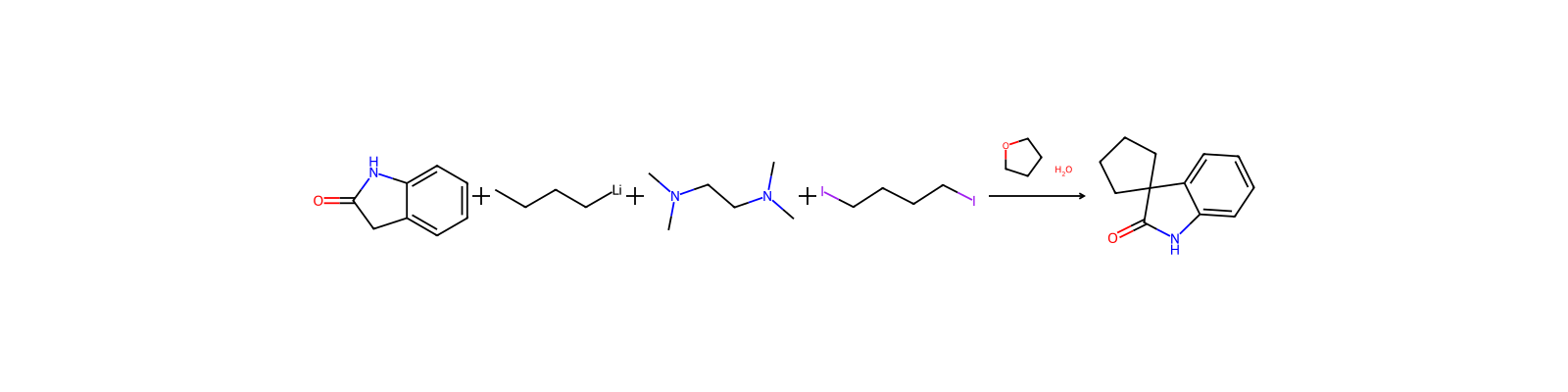
关联笔记
加载中…