
基本信息
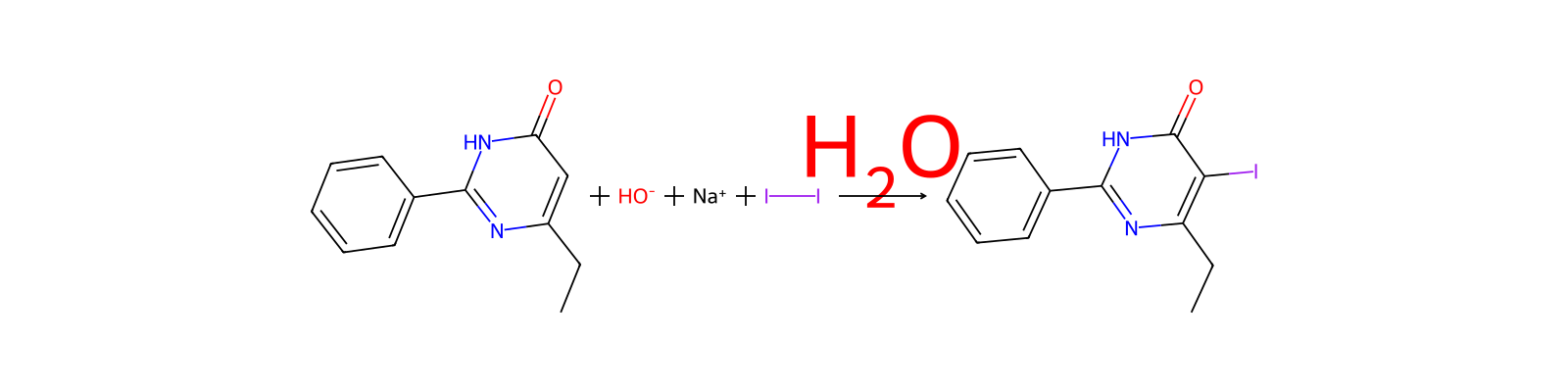
- 标准SMILES
II- InChIKey
PNDPGZBMCMUPRI-UHFFFAOYSA-N- 分子式
- I2
- 平均分子量
- 253.8089 g/mol
- 单同位素质量
- 253.808946
概述
Iodine is a naturally occurring element found in sea water and in certain rocks and sediments. There are non radioactive and radioactive forms of iodine. Iodine is used as a disinfectant for cleaning surfaces and storage containers and is used in skin soaps and bandages, and for purifying water. Iodine is also added to some table salt to ensure that all people in the United States have enough iodine in their diet. Most radioactive iodine is manmade. It is used in medical tests and to treat certain diseases. Most radioactive forms of iodine change very quickly (seconds to days) to stable elements that are not radioactive. However, 129I (read as iodine 129) changes very slowly (over millions of years).
名称与标识
- 首选名称
- Iodine
- IUPAC
- molecular iodine
- 中文名
- 碘
- 英文名
- Iodine
- 分子式
- I2
- 分子量
- 253.81
名称与别名
iodineMolecular iodine7553-56-2DiiodineIodine crystalsIodine sublimedTincture iodineVistarinEranolIodioIodeIosan superdip
展开更多名称
碘球碘粒碘矿碘片碘酒碘素碘粉二碘碘球状碘晶体I2I2IODIDEiodine crystalIodophorIODINE SOLUTIONLUGOL
JoodIodine tinctureIodine colloidalActomarIodine Tincture USPdiiodaneiodiumJodosan
数据库标识
- CAS
7553-56-2- PubChem CID
- 807
- DTXSID
DTXSID7034672- ChEMBL
CHEMBL1201225- ChEBI
CHEBI:17606- UNII
- 9679TC07X4
- EC Number
- 231-442-4
性质
结构计算性质
- XLogP
- 1.7
- 极性表面积
- 0 Ų
- 氢键供体
- 0
- 氢键受体
- 0
- 可旋转键
- 0
- 重原子
- 2
- 形式电荷
- 0
- 复杂度
- 0
实验与物化性质
Chemical ClassesOther Classes -> Elements, Nonmetallic
DrugsPharmaceuticals -> Synthetic Cannabinoids or Psychoactive Compounds
SpringerMaterials PropertiesGibbs energy
LogP
log Kow = 2.49
2.49
2.49
Odor
Sharp characteristic odor.
Irritating odor
Taste
Sharp, acrid
Taste threshold: 0.147-0.204 mg/l
Taste threshold: 1.60X10⁻¹ mg/l in water
Density
4.93 (NIOSH, 2024) - Denser than water; will sink
Sp gr = 4.93 (solid at 20 °C); density of the gas: 11.27 g/L
Density at 101.3 kPa: 3.96 at 120 °C (liquid)
Relative density (water = 1): 4.9
4.93
4.933 @25 °C
Viscosity2.27 cP at 116 °C
Color/Form
Bluish-black scales or plates; diatomic; violet vapor
Rhombic, violet-black crystals with metallic luster
Bluish-black, lustrous solid
Violet solid.
Heavy, grayish-black plates or granules having a metallic luster
Solubility
0.01 % (NIOSH, 2024)
For more Solubility (Complete) data for IODINE, ELEMENTAL (9 total), please visit the HSDB record page.
Dissolves readily in chloroform, carbon tetrachloride, or carbon disulfide to form purple solns.
2.719 g in cyclohexane; 23 g/100 cc in methanol at 25 °C; 20.5 g/100 cc in alcohol at 15 °C; 20.6 g/100 cc in ether at 17 °C
197 g/kg in carbon disulfide at 25 °C; 19.2 g/kg in carbon tetrachloride at 25 °C; 337.3 g/kg in ether at 25 °C; 164.0 g/kg in benzene at 25 °C; 27.1 g/kg in ethanol at 25 °C; 49.7 g/kg in chloroform at 25 °C; 49.7 g/kg in chloroform at 25 °C; 13.2 g/kg in n-hexane at 25 °C; 97 g/kg in butan-2-ol at 25 °C; 157 g/kg in ethyl acetate at 25 °C; 182.5 g/kg in toluene at 25 °C
14.6 g/100 g in bromoethane at 25 °C; 1.73 g/100 g in n-heptane at 25 °C; 9.7 g/100 g in glycerol at 25 °C; 33.7 g/100 g in diethyl ether at 25 °C; 19.7 g/100 g in carbon disulfide at 25 °C
CorrosivityVapor is corrosive
Human Drugs
Breast Feeding; Lactation; Milk, Human; Anti-Infective Agents, Local; Antibacterial Agents
Antiseptics
物理化学性质
- 熔点
- 113 °C · 113 °C (lit.)
- 沸点
- 184 °C · 184 °C (lit.)
- 堆积密度
- 2100 kg/m3 · 2100kg/m3
- 密度
- 1.32 g/mL · 1.32 g/mL at 25 °C
- 蒸气密度
- 9 · 9 (vs air)
- 蒸气压
- 0.31 mm · 0.31 mm Hg ( 25 °C)
- 闪点
- 10 ℃ · <10℃
- 储存条件
- Store at RT.
- 溶解度
- -2 · Miscible with chloroform, carbon tetrachloride, carbon disulfide, cyclohexane, methanol, ethyl acetate, toluene, benzene, n-hexane, butan-2-ol, bromoethane, n-heptane, glycerol and diethyl ether.
- 形态
- particles (round)
- 比重
- 4.93 · 4.93
- 颜色
- Red-brown
- 气味 (Odor)
- Sharp, characteristic odor
- PH值
- 5.4 · 5.4 (H2O)(saturated solution)
- 电阻率 (resistivity)
- 1.3 E15 · 1.3E15 μΩ-cm
- 水溶解性
- 0.3 g/L · 0.3 g/L (20 ºC)
- 晶体结构
- Rhombic
- Merck
- 14 · 14,5014
- BRN
- 3587194 · 3587194
- Henry's Law Constant
- 2.8 · 2.8×10-2 mol/(m3Pa) at 25℃, Eguchi et al. (1973)
- 暴露限值
- 0.01 mg/m3,as · ACGIH:TLV-TWA 0.01 mg/m3,as I,Inhalable particulate matterOSHA:PEL-Ceiling 0.1 ppm (1 mg/m3)NIOSH:REL-Ceiling 0.1 ppm
- 化妆品成分功效
- ANTIMICROBIAL
- InChI
- 1S/I2/c1-2
- InChIKey
- PNDPGZBMCMUPRI-UHFFFAOYSA-N
- SMILES
- II
- LogP
- 2.49 at · 2.49 at 20℃
- CAS 数据库
- 7553 · 7553-56-2(CAS DataBase Reference)
- NIST化学物质信息
- Iodine(7553-56-2)
- EPA化学物质信息
- Iodine (7553-56-2)
化学性质
碘不能直接与碳、氮或氧化合; 与臭氧反应生成氧化物; 与氟、氯、溴等反应,分别生成氟化物、氯化物及溴化物,与氨反应生成爆炸性的三碘化氮; 在有水分存在时,与磷反应生成三碘化磷及四碘化二磷; 与铂只能在高温下反应; 与锆反应生成挥发性的四碘化锆; 与其他多种金属可在常温反应,形成不挥发碘化物。碘在酸性溶液中是氧化剂,可氧化亚硫酸盐、重亚硫酸盐、硫代硫酸盐、亚砷酸盐、亚锡酸盐为硫酸盐、连四硫酸盐、砷酸盐及锡酸盐。强氧化剂可使碘氧化成碘酸或碘酸盐。碘与二氧化硫在无水甲醇与吡啶的混合液中不反应,但如有水分存在,二氧化硫即被氧化为硫酸,碘被还原为碘化氢。碘遇淀粉显蓝色。与饱和烃作用,在有氧化铅或碘酸存在时,碘可取代其中的氢; 与不饱和烃作用,可在双键处加成,形成多碘化物。 在水溶液中,碘的氧化性比氯和溴弱得多,只有强还原剂氢硫酸和硫代硫酸钠才能将它还原成碘离子:(1) I2+H2S=S+2HI (2) I2+2S2O2-3=S4O2-6+2I-,后一反应在分析化学中可用来定量碘,是碘量法的基础。在水溶液中,氯能将碘氧化为碘酸,在碱性溶液中,过量氯可将碘氧化为高碘酸盐。浓硝酸也能将碘氧化成碘酸。除贵金属外,碘可与所有金属化合成碘化物,与非金属化合成共价型碘化物,与其他卤素作用,生成卤素互化物,如溴化碘、氯化碘、氟化碘等。碘离子为强还原剂,易给出一个电子。碘离子无色,但空气中的氧能将碘离子氧化成游离的碘,而使碘化物溶液略带棕色。单质碘遇淀粉生成蓝色物质,这是定性鉴定碘的特效方法,蓝色是淀粉与碘形成的配合物所致,其中 (I3—I2) 长链阴离子外部围绕直链淀粉螺旋形物。自然界存在的唯一碘同位素就是稳定的碘-127,其放射性同位素是碘-131,医学上用它治疗甲状线癌,还可用来标记许多化合物,供诊断体内或体外疾病用。
带有金属光泽的紫黑色鳞晶或片晶。性脆,蒸气呈紫色。具有特殊刺激臭。 微溶于水,溶解度随温度升高而增加;难溶于硫酸;易溶于有机溶剂;碘也易溶于氯化物、溴化物;更易溶于碘化物溶液;可溶解硫、硒、铵和碱金属碘化物、铝、锡、钛等金属碘化物。
安全与法规
GHS分类
GHS Classification
Warning
H312: Harmful in contact with skin [Warning Acute toxicity, dermal]
P261, P271, P273, P280, P302+P352, P304+P340, P317, P321, P362+P364, P391, and P501 (click each P-code to see the statement)
Danger
H302+H312+H332 (24.1%): Harmful if swallowed, in contact with skin or if inhaled [Warning Acute toxicity, oral; acute toxicity, dermal; acute toxicity, inhalation]
P260, P261, P264, P264+P265, P270, P271, P273, P280, P301+P317, P302+P352, P304+P340, P305+P351+P338, P317, P319, P321, P330, P332+P317, P337+P317, P362+P364, P391, P403+P233, P405, and P501 (click each P-code to see the statement)
危害信息
Regulatory Information
Chemical: Iodine
List I Chemical: A chemical specified by regulation that, in addition to legitimate uses, is used in manufacturing a controlled substance in violation of the Act and is important to the manufacture of a controlled substance. (21 eCFR 1310.02)
Iodine is listed on the EPA's Chemical Data Reporting (CDR) system. Manufacturers and importers of Iodine are required to report information about their production and use of this chemical to the EPA under the Toxic Substances Control Act (TSCA). (40 eCFR Part 711)
Status: Active Update: 11-04-2023 https://echa.europa.eu/registration-dossier/-/registered-dossier/15294
Iodine (solid): HSNO Approval: HSR001538 Approved with controls
The New Jersey Worker and Community Right to Know Act requires public and private employers to provide information about hazardous substances at their workplaces. (N.J.S.A. 34:5A-1 et. seq.)
Other Safety InformationIMAP assessments - Iodine: Human health tier I assessment
DOT LabelCorrosive Poison
Fire Hazards
Excerpt from ERG Guide 154 [Substances - Toxic and/or Corrosive (Non-Combustible)]:
· Non-combustible, substance itself does not burn but may decompose upon heating to produce corrosive and/or toxic fumes.
Not combustible but enhances combustion of other substances. Many reactions may cause fire or explosion. Gives off irritating or toxic fumes (or gases) in a fire.
Health Hazards
Excerpt from NIOSH Pocket Guide for Iodine:
· TOXIC and/or CORROSIVE; inhalation, ingestion or skin contact with material may cause severe injury or death.
Hazards Summary
Iodine is a naturally occurring element found in sea water and in certain rocks and sediments. There are non radioactive and radioactive forms of iodine. Iodine is used as a disinfectant for cleaning surfaces and storage containers and is used in skin soaps and bandages, and for purifying water. Iodine is also added to some table salt to ensure that all people in the United States have enough iodine in their diet. Most radioactive iodine is manmade. It is used in medical tests and to treat certain diseases. Most radioactive forms of iodine change very quickly (seconds to days) to stable elements that are not radioactive. However, 129I (read as iodine 129) changes very slowly (over millions of years).
Iodine vapor is an irritant that may cause pneumonitis and pulmonary edema. Strong iodine tincture containing 7% iodine and 5% potassium iodide in 83% ethanol is corrosive to tissue. USP iodine tincture, povidone-iodine, and iodoforms are generally not corrosive. Ingestion of iodine can cause hemorrhagic gastroenteritis. The mean lethal dose is about 2-4 grams of free iodine. [Olson, p. 274] TLV Basis = Thyroid and maternal reproductive effect; Also Fetal and neonatal damage; Several examples of iodine sensitivity have been reported in relation to iodine-containing radiopaque materials used in diagnostic X-ray procedures. There has also been an attempt to link these reactions to similar illnesses seen after eating various types of fish, and to ascribe these to an iodine allergy. It is now clear that the reactions to iodine-containing contrast media are not immune-mediated but instead represent idiosyncratic responses to the iodine present. The similar reactions from eating fish are now believed to be allergic reactions to proteins occurring naturally in the fish and not to iodine. [ACGIH TLVs and BEIs] Iodine vapor at 0.1 ppm caused no symptoms of irritation, while 0.3 ppm made work impossible. Excess intake of iodine can cause hypothyroidism. The upper limit is 1.1 mg/day, and 150 ug/day is recommended. [ACGIH] Iodide salts are not caustic like iodine. After ingestion, hypersensitivity reactions, e.g., angioedema and urticaria, may occur; Chronic ingestion of iodide salts may cause various skin diseases, goiter, hypothyroidism, and congenital thyroid effects; [HSDB] Causes lachrymation; [ICSC]
DOT ID and Guide3495 154
Reactive GroupOxidizing Agents, Weak
EC ClassificationSymbol: Xn, N; R: 20/21-50; S: (2)-23-25-61
UN ClassificationUN Hazard Class: 8; UN Subsidiary Risks: 6.1; UN Pack Group: III
Special Reports
Dillon HK; Methods Development for Sampling and Analysis of Chlorine, Chlorine Dioxide, Bromine, and Iodine; NTIS Report PB83-246363 (SORI-EAS-82-828): 30 (1983). Sampling & analysis methods developed for the detection of toxic oxidants such as bromine, chlorine, chlorine dioxide & iodine in air.
FIFRA Requirements
Iodine-detergent complex; exemption from the requirement of a tolerance. The aqueous solution of hydriodic acid and elemental iodine, including one or both of the surfactants (a) polyoxypropylene-polyoxyethylene glycol nomionic block polymers (minimum average molecular weight 1,900) and (b) a-(p- nonylphenyl)-omega- hydroxypoly (oxyethylene) having a maximum average molecular weight of 748 and in which the nonyl group is a propylene trimer isomer, is exempted from the requirement of a tolerance for residues in eggs and poultry when used as a sanitizer in poultry drinking water. /Iodine-detergent complex/
As the federal pesticide law FIFRA directs, EPA is conducting a comprehensive review of older pesticides to consider their health and environmental effects and make decisions about their future use. Under this pesticide reregistration program, EPA examines health and safety data for pesticide active ingredients initially registered before November 1, 1984, and determines whether they are eligible for reregistration. In addition, all pesticides must meet the new safety standard of the Food Quality Protection Act of 1996. Pesticides for which EPA had not issued Registration Standards prior to the effective date of FIFRA, as amended in 1988, were divided into three lists based upon their potential for human exposure and other factors, with List B containing pesticides of greater concern and List D pesticides of less concern. Iodine is found on List C. Case No: 3080; Pesticide type: fungicide, herbicide, antimicrobial; Case Status: OPP is reviewing data from the pesticide's producers regarding its human health and/or environmental effects, or OPP is determining the pesticide's eligibility for reregistration and developing the Reregistration Eligibility Decision (RED) document.; Active ingredient (AI): iodine; Data Call-in (DCI) Date(s): 09/30/93; AI Status: The producers of the pesticide has made commitments to conduct the studies and pay the fees required for reregistration, and are meeting those commitments in a timely manner.
安全与防护
Fire Fighting
Excerpt from ERG Guide 154 [Substances - Toxic and/or Corrosive (Non-Combustible)]:
In case of fire in the surroundings, use appropriate extinguishing media.
First Aid Measures
Fresh air, rest. Half-upright position. Artificial respiration may be needed. Refer for medical attention.
First rinse with plenty of water for at least 15 minutes, then remove contaminated clothes and rinse again.
First rinse with plenty of water for several minutes (remove contact lenses if easily possible), then refer for medical attention.
Rinse mouth. Give one or two glasses of water to drink. Refer for medical attention .
Accidental Release Measures
· CALL 911. Then call emergency response telephone number on shipping paper. If shipping paper not available or no answer, refer to appropriate telephone number listed on the inside back cover.
· ELIMINATE all ignition sources (no smoking, flares, sparks or flames) from immediate area.
First Aid
Excerpt from NIOSH Pocket Guide for Iodine:
General First Aid:
(General first aid procedures)
Safe StorageSeparated from incompatible materials. See Chemical Dangers. Well closed. Ventilation along the floor.
Exposure Control and Personal Protection· Wear positive pressure self-contained breathing apparatus (SCBA).
Storage Conditions
Materials which are toxic as stored or which can decompose into toxic components ... Should be stored in a cool, well-ventilated place, out of the direct rays of the sun, away from areas of high fire hazard, and should be periodically inspected. Incompatible materials should be isolated ... .
Cleanup Methods
1. Ventilate area of spill. 2. Collect spilled material in the most convenient and safe manner and deposit in sealed containers for reclamation or for disposal in a secured sanitary landfill. Liquid containing iodine should be absorbed in vermiculite, dry sand, earth, or similar material.
Nonfire Spill ResponseExcerpt from ERG Guide 154 [Substances - Toxic and/or Corrosive (Non-Combustible)]:
Disposal Methods
SRP: The most favorable course of action is to use an alternative chemical product with less inherent propensity for occupational exposure or environmental contamination. Recycle any unused portion of the material for its approved use or return it to the manufacturer or supplier. Ultimate disposal of the chemical must consider: the material's impact on air quality; potential migration in soil or water; effects on animal, aquatic, and plant life; and conformance with environmental and public health regulations.
React with large volumes of reducing agent (hypo- or bisulfites or ferrous salts) solution, neutralize. Alternatively, iodine may be recovered from various process waste streams.
Spillage Disposal
Personal protection: filter respirator for inorganic gases and vapours adapted to the airborne concentration of the substance. Do NOT let this chemical enter the environment. Do NOT absorb in saw-dust or other combustible absorbents. Sweep spilled substance into covered sealable containers. If appropriate, moisten first to prevent dusting. Carefully collect remainder. Then store and dispose of according to local regulations.
Preventive Measures
SRP: The scientific literature for the use of contact lenses in industry is conflicting. The benefit or detrimental effects of wearing contact lenses depend not only upon the substance, but also on factors including the form of the substance, characteristics and duration of the exposure, the uses of other eye protection equipment, and the hygiene of the lenses. However, there may be individual substances whose irritating or corrosive properties are such that the wearing of contact lenses would be harmful to the eye. In those specific cases, contact lenses should not be worn. In any event, the usual eye protection equipment should be worn even when contact lenses are in place.
Substitution of less irritating substances ... prevent contact, provision of a ... physical barrier against contact, proper washing facilities, work clothing, and storage facilities ... medical control is essential ... .
SRP: Contaminated protective clothing should be segregated in such a manner so that there is no direct personal contact by personnel who handle, dispose, or clean the clothing. Quality assurance to ascertain the completeness of the cleaning procedures should be implemented before the decontaminated protective clothing is returned for reuse by the workers.
The worker should immediately wash the skin when it becomes contaminated.
For more Preventive Measures (Complete) data for IODINE, ELEMENTAL (6 total), please visit the HSDB record page.
毒理信息
Toxicological InformationCDC-ATSDR Toxicological Profile
TreatmentSodium thiosulphate, 100 mL orally of a 1% solution, has been recommended as an antidote because it immediately reduces iodine to iodide. (L1848)
InteractionsIodine is readily inactivated by starch to convert it to iodide.
Target Organs
Endocrine (Glands and Hormones)
Eyes, skin, respiratory system, central nervous system, cardiovascular system
Health Effects
Exposure to high levels of nonradioactive and radioactive iodine can damage the thyroid. Damage to the thyroid gland can result in effects in other parts of your body, such as your skin, lung, and reproductive organs. Concentrated iodine is very corrosive and can damage the mucous membrane if swallowed. (L1844, L1848)
Adverse Effects
Reproductive Toxin - A chemical that is toxic to the reproductive system, including defects in the progeny and injury to male or female reproductive function. Reproductive toxicity includes developmental effects. See Guidelines for Reproductive Toxicity Risk Assessment.
Exposure Routes
The substance can be absorbed into the body by inhalation of its vapour, through the skin and by ingestion.
inhalation, ingestion, skin and/or eye contact
Oral (L1844) ; inhalation (L1844) ; dermal (L1844)
Toxicity Summary
IDENTIFICATION: Iodine is used as an antiseptic and disinfectant product. Iodine is blue greyish-black solid plates or small crystals with a metallic crystalline sheen with a characteristic acrid odor. It is soluble in water, of alcohol, carbon tetrachloride, chloroform, ether, of glycerol. Very readily soluble in strong aqueous solutions of iodides. A solution in alcohol, ether, or aqueous solutions of iodides is reddish-brown. In chloroform, carbon tetrachloride, or carbon disulfide it is violet-colored. Indications: In many countries culinary salt is iodized to prevent the development of goitre. In the pre-operative treatment of thyrotoxicosis to produce a thyroid gland of firm texture suitable for operation, it avoids the increased vascularity and friability of the gland with increased risk of hemorrhage. In the immediate treatment of thyrotoxic crisis. Its powerful bactericidal action is used for disinfecting unbroken skin before operation. Iodine may also be employed as a weak solution for the first-aid treatment of small wounds and abrasions, but it is rapidly inactivated by combining with tissue substances, and so delays healing. It has been applied topically in the treatment of herpes simplex. Iodine has been used in the treatment of dendritic keratitis. Iodine has been used in the purification of drinking water in case of emergencies. Strong iodine solution: (Lugol's solution) used in the treatment of many conditions in which the action of iodine ion is desired such as thyrotoxicosis, keratoscleritis, keratitis associated with excessive keratin. Iodine containing solutions are used as contrast media in radio diagnosis. Potassium iodide has been used as a mucolytic agent. Radioisotopes: radioactive iodine finds its widest use in the treatment of hyperthyroidism and in the diagnosis of disorders of thyroid function. The greatest use has been made of sodium iodide iodine-131. Sodium iodide I-123 is available for scanning purposes. HUMAN EXPOSURE: Main risks and target organs: Concentrated iodine is corrosive. Main risks in acute exposure to high iodine concentrations are largely due to the highly corrosive effect of iodine on the entire gastrointestinal tract and resultant shock. If rupture occurs mediastinitis or peritonitis develop. Target organs are mucous membranes of pharynx, larynx and oesophagus for the concentrated iodine, and thyroid for the diluted form as a systemic effect. Iodine is not a frequent cause of toxicity in the amounts available in the household. Summary of clinical effects: Ingestion of iodine may cause corrosive effects such as edema of the glottis, with asphyxia, aspiration pneumonia, pulmonary edema and shock, as well as vomiting and bloody diarrhea. The CNS, cardiovascular and renal toxicity following acute iodine ingestion appear to be due to the corrosive gastroenteritis and resultant shock. Vomiting, hypotension and circulatory collapse may be noted following severe intoxication. Eye: Eye exposure may result in severe ocular burns. Cardiovascular: Tachycardia, hypotension and circulatory collapse may be due to the ingestion of concentrated corrosive iodine solutions. Respiratory: Inhalation of iodine vapour may result in severe pulmonary irritation leading to pulmonary edema. Edema of the glottis and pulmonary edema have also resulted from oral ingestion. Neurological: Headache, dizziness, delirium and stupor may be noted following severe intoxication. Gastrointestinal: A severe corrosive esophagitis and gastroenteritis characterized by vomiting, abdominal pain and diarrhea may be noted following ingestion. The vomitus is blue if starch is present in the stomach. A metallic taste may be noted. Dermatological: Dermal application of strong iodine solutions may result in burns. Chronic ingestion may result in iodism characterized from acne form skin lesions and other skin eruptions. Cutaneous absorption may be significant and result in systemic symptoms and death. Endocrine: Hypothyroidism, as well as hyperthyroidism, has been reported. Immunological: Hypersensitivity reactions including angioedema and/ or serum sickness-like reactions may be noted. Contraindications: Iodine preparations should not be taken regularly during pregnancy and lactation. Because iodine may cause burns on occluded skin, an iodine-treated wound should be covered with a light bandage. As iodine and iodides can affect the thyroid gland, the administration of such preparations may interfere with tests of thyroid functions. Potassium iodide should not be used in adolescent patients because of its potential to induce acne and its effects on the thyroid gland. Iodine or iodides should not be administered to patients with a history of hypersensitivity to such compounds. Routes of entry Oral: Toxic effects in humans can occur via accidental or suicidal poisonings. Toxic effects of iodine compounds resulting from ingestion of seaweed, mucolytic expectorants or X-ray contrast are reported. Inhalation: With industrial exposure to vapor of iodine, it will be absorbed from the lungs and converted in the body to iodide. Dermal: Topical iodine (especially with multiple applications) can be absorbed, causing toxic effects. Eye: Eye drops can cause systemic toxic effects. Parenteral: Contrast media. Absorption by route of exposure: Oral: Iodine appears to be inactivated by combination with gastrointestinal contents. Absorption is poor due to rapid conversion of iodine to iodide. Inhalation: Iodine is absorbed from the lungs, converted to iodide in the body. Pulmonary absorption of vapour may result in systemic poisoning. Dermal: Only very small quantities of iodine are absorbed through an intact skin. Iodine can be absorbed by wounds and abrasions. Enhanced absorption occurs through denuded skin, decubitus ulcers, mucosal surfaces with high absorptive capacity (vagina), or large areas of intact skin. Distribution by route of exposure: Oral: When taken by mouth iodine is rapidly converted to iodide and is stored in the thyroid as thyroglobulin. Iodine reaches the blood stream mainly in form of iodide, and it is incorporated into the thyroglobulin form in the thyroid gland. Inhalation: Iodine is readily distributed into the lungs. Dermal: Distribution is poor due to low absorption through intact skin. Enhanced distribution occurs through denuded skin. Metabolism: Iodine is an easily oxidizable substance. Food that is present in the digestive tract, will oxidize iodine to iodide which is not corrosive to the gastrointestinal tract. Elimination, by route of exposure: Iodine is excreted mainly in the urine and in smaller quantities in saliva, milk, sweat, bile and other secretions. Renal iodine clearance is related to glomerular filtration rate. Mode of action: Toxicodynamics: Local: Iodine precipitates proteins. The affected cells may be killed. The effect is similar to that of a corrosive acid. Systemic: Acute inhibition of the synthesis of iodotyrosine and iodothyronine. Pharmacodynamics: Topical: Iodine has bactericidal activity, a 1% tincture will kill 90% of bacteria in 90 seconds, a 5% tincture in 60 seconds and a 7% tincture in 15 seconds. Oral: The primary function of iodine is to control the rate of cellular oxidation through its presence in the biosynthesis of iodated thyroid hormone. Carcinogenicity: There is no evidence as to whether iodine is carcinogenic or not. However, connections have been established with deliberate or inadvertent intake of radioactive elements or their compounds that concentrate in certain organs or tissues. Thus intake of labelled iodine and derivatives concentrating in the thyroid gland, have been known to give rise to cancer in that organ. Teratogenicity: Iodides diffuse across the placenta. Infant and neonatal death from respiratory distress secondary to goitre has been reported in mothers taking iodides. Chronic topical maternal use of povidone-iodine during pregnancy has been associated with clinical and biochemical hypothyroidism in the infant. Exposure to iodine-131 can damage or ablate the developing thyroid of the human fetus. Hypothyroidism, either congenital or of late onset, has been reported in at least 5 children whose mothers were exposed to iodine-131 during pregnancy. Main adverse effects: Endocrine system effects: Iodine and iodides produce goiter, hypothyroidism as well as hyperthyroidism. These effects have also been reported in infants born to mothers who had taken iodides during pregnancy. Side effects of iodine given for radioprotection: In iodine induced goiter and iodine induced hypothyroidism, special risk groups are fetus and neonates. Iodine induced hyperthyroidism special risk group are people living in iodine deficient areas and people with a history of hyperthyroidism. Extrathyroidal side effects are gastrointestinal complaints (nausea, pain), taste abnormalities, cutaneous and mucous membrane such as irritation, rash, edema (including face and glottis), allergic like reactions such as fever, eosinophilia, serum sickness like symptoms, vasculitis. Special risk groups are patients with hypocomplementemic vasculitis. Allergic effects: Whether iodine is administered topically or systematically, iodine and iodides can give rise to allergic reactions: urticaria, angioedema, cutaneous hemorrhage or purpuras, fever, arthralgia, lymphadenopathy and eosinophila, acne form or severe eruptions. Iodism effects: A mild toxic syndrome called iodism results from repeated administration of small amount of iodine. Iodism is characterised by hyper salivation, coryza, sneezing, conjunctivitis, headache, laryngitis, bronchitis, stomatitis, parotitis, enlargement of the submaxillary glands, skin rashes and gastric upsets. In rare cases jaundice, bleeding from mucous membranes and bronchospasm may occur. Inflammatory states may be aggravated by these adverse reactions. Gastrointestinal effects: Acute effects due to ingestion of iodine are mainly due to its corrosive effects or action which arises at least in part from oxidizing potential of this element on the gastrointestinal tract. Symptoms include a metallic taste, vomiting, abdominal pain, and diarrhea. Esophageal stricture may occur if the patient survives the acute stage. Cardiovascular and respiratory effects: Death may occur due to circulatory failure, edema of the glottis resulting in asphyxia, aspiration pneumonia, or pulmonary edema. Kidney effect: Anuria may occur 1 to 3 days after exposure.
Iodide inhibits adenylate cyclase in thyroid gland follicle cells and decreases the TSH-induced rise in intracellular cAMP. This results in decreased iodination of thyroglobulin and inhibited production and release of T4 and T3, causing hypothyroidism. (L1844)
Signs and Symptoms
Cough. Wheezing. Laboured breathing. Symptoms may be delayed.
Redness. Pain.
Watering of the eyes. Redness. Pain.
Abdominal pain. Diarrhoea. Nausea. Vomiting.
irritation eyes, skin, nose; lacrimation (discharge of tears); headache; chest tightness; skin burns, rash; cutaneous hypersensitivity
Ingestion of iodine may cause corrosive effects such as oedema of the glottis, with asphyxia, aspiration pneumonia, pulmonary oedema and shock, as well as vomiting and bloody diarrhea. The CNS, cardiovascular and renal toxicity following acute iodine ingestion appear to be due to the corrosive gastroenteritis and resultant shock. Vomiting, hypotension and circulatory collapse may be noted following severe intoxication. (L1848)
ICSC Environmental DataThis substance may be hazardous to the environment. Special attention should be given to fish.
Medical Surveillance
Diagnosis is based on a history of exposure and evidence of corrosive injury. Mucous membranes are usually stained brown, and vomitus may be blue. Blood levels are not clinically useful but may confirm exposure. Other useful laboratory studies include, for serious corrosive injury, CBC, electrolytes, BUN, and creatinine. For serious inhalation, arterial blood gases or oximetry and chest X-ray are useful. /Iodine/
If symptoms develop or overexposure is suspected, the following may be useful: thyroid function tests, liver function tests, consider chest x-ray after acute overexposure.
Hyperthyroidism. Diagnosis. Comprehensive history and physical examination including: weight and blood pressure; pulse rate and cardiac rhythm; thyroid palpation and auscultation (to determine thyroid size, nodularity, and vascularity); neuromuscular examination; eye examination (to detect evidence of exophthalmos or ophthalmopathy); dermatologic examination; cardiovascular examination; lymphatic examination (nodes and spleen). Laboratory evaluation including the sensitive thyroid-stimulating hormone (TSH) assay, measurement of serum thyroxine (T4), triiodothyronine (T3) radioimmunoassay, free T3 and T4 levels, measurement of thyroid autoantibodies, including TSH receptor antibodies of thyroid-stimulating immunoglobulins, radioactive iodine uptake, and thyroid scan Orbital ultrasonography, computed tomography, magnetic resonance imaging, and serial exophthalmometry in patients with Graves' ophthalmopathy Local mechanical therapies (e.g., sunglasses, artificial tears) and corticosteroids or retro-orbital irradiation in patients with Graves' ophthalmopathy
Hypothyroidism. Diagnosis. Laboratory evaluation including sensitive TSH assays, free thyroxine estimate, measurement of thyroid autoantibodies, thyroid scan, and ultrasonography.
Natural Pollution SourcesSEVERAL NATURAL SOURCES INCLUDE: SEAWATER (1,000 TONS OF IODINE IN 1 CUBIC MILE), SEAWEED, SALT BRINES, ... AND CHILEAN SALTPETER (ONCE THE PRIMARY SOURCE).
法规信息
FIFRA Requirements
Iodine-detergent complex; exemption from the requirement of a tolerance. The aqueous solution of hydriodic acid and elemental iodine, including one or both of the surfactants (a) polyoxypropylene-polyoxyethylene glycol nomionic block polymers (minimum average molecular weight 1,900) and (b) a-(p- nonylphenyl)-omega- hydroxypoly (oxyethylene) having a maximum average molecular weight of 748 and in which the nonyl group is a propylene trimer isomer, is exempted from the requirement of a tolerance for residues in eggs and poultry when used as a sanitizer in poultry drinking water. /Iodine-detergent complex/
As the federal pesticide law FIFRA directs, EPA is conducting a comprehensive review of older pesticides to consider their health and environmental effects and make decisions about their future use. Under this pesticide reregistration program, EPA examines health and safety data for pesticide active ingredients initially registered before November 1, 1984, and determines whether they are eligible for reregistration. In addition, all pesticides must meet the new safety standard of the Food Quality Protection Act of 1996. Pesticides for which EPA had not issued Registration Standards prior to the effective date of FIFRA, as amended in 1988, were divided into three lists based upon their potential for human exposure and other factors, with List B containing pesticides of greater concern and List D pesticides of less concern. Iodine is found on List C. Case No: 3080; Pesticide type: fungicide, herbicide, antimicrobial; Case Status: OPP is reviewing data from the pesticide's producers regarding its human health and/or environmental effects, or OPP is determining the pesticide's eligibility for reregistration and developing the Reregistration Eligibility Decision (RED) document.; Active ingredient (AI): iodine; Data Call-in (DCI) Date(s): 09/30/93; AI Status: The producers of the pesticide has made commitments to conduct the studies and pay the fees required for reregistration, and are meeting those commitments in a timely manner.
安全数据
- F
- 10
- wgk
- 2
- tsca
- TSCA listed
- 毒性
- LD50 oral (rat) 14,000 mg/kg LCLO inhal (rat) 80 ppm (800 mg/m3; 1 h) PEL (OSHA) 0.1 ppm (ceiling, 1 mg/m3) TLV-TWA (ACGIH) 0.1 ppm (ceiling, 1 mg/m3)
- RTECS号
- NN1575000
- 包装类别
- III
- 危险等级
- 8
- 存储类别
- 6.1C - Combustible acute toxic Cat.3toxic compounds or compounds which causing chronic effects
- 安全说明
- 26-61-25-23-36/37-16
- 海关编码
- 2801 20 00
- 危险品标志
- Xn,N,F
- 危险性类别
- Acute Tox. 4 DermalAcute Tox. 4 InhalationAcute Tox. 4 OralAquatic Acute 1Eye Irrit. 2Skin Irrit. 2STOT RE 1 OralSTOT SE 3
- 危险类别码
- 36/37/38-50-20/21-36/38-20/21/22-22-40-19-11-36/37
- 毒害物质数据
- 7553-56-2(Hazardous Substances Data)
- 职业暴露限值
- Ceiling: 0.1 ppm (1 mg/m3)
- 危险品运输编号
- UN 3495
- 立即威胁生命和健康浓度
- 2 ppm
毒性防护
毒性碘蒸气强烈刺激眼睛、皮肤和呼吸器官,长时间接触碘或吸入碘蒸气,可引起咳嗽、流鼻涕、流泪、发烧、头痛、结膜炎、腮腺肿大、支气管炎、鼻炎、复视、皮肤红斑、皮肤黏膜出现水泡。重者则发生呕吐、腹泻、尿中出现蛋白和血红蛋白。碘蒸气中毒时,应立即离开现场,到室外呼吸新鲜空气,吸入5%硫代硫酸钠或2%碳酸氢钠溶液;再用2%碳酸氢钠溶液洗涤鼻、口、喉部;眼痛时,可用水冲洗,并滴入2~3滴盐酸可卡因。碘溅到皮肤上,立即用硫代硫酸钠溶液洗除;经过口腔中毒时,应迅速饮服淀粉糊、牛乳、牛奶、鸡蛋或稀硫代硫酸钠水溶液。空气中碘的最高容许浓度为1 mg/m3。生产设备要求密闭,生产环境要通风良好,在工作时必须穿戴密闭防护眼镜,长统胶靴、乳胶手套、防毒面具及工作服。
毒性碘蒸气强烈刺激眼睛、皮肤和呼吸器官,长时间接触碘或吸入碘蒸气,可引起咳嗽、流鼻涕。流泪、发烧、头痛、结膜炎、腮腺肿大、支气管炎、鼻炎、复视、皮肤红斑,皮肤黏膜出现水泡。重者则发生呕吐、腹泻、尿中出现蛋白和血红蛋白。碘蒸气中毒时,应立即离开现场,到室外呼吸新鲜空气,吸入5%硫代硫酸钠或2%碳酸氢钠溶液;再用2%碳酸氢钠溶液洗涤鼻、口、喉部;眼痛时,可用纯水洗涤,并滴入2~3滴盐酸可卡因。碘溅到皮肤上时,应立即用硫代硫酸钠溶液洗除;经过口腔中毒时,应迅速饮服淀粉糊、牛乳、牛奶、鸡蛋或稀硫代硫酸钠水溶液。空气中碘的最高容许浓度为l mg/m3。生产设备要求密闭,生产环境要通风良好。工人在工作时必须穿戴密闭防护眼镜、长统胶靴、橡皮围裙、乳胶手套、防毒面具及工作服。
急性毒性口服-大鼠 LD50: 14000毫克/公斤; 口服-小鼠 LD50: 22000 毫克/公斤
职业标准TWA 1 毫克/立方米; STEL 2 毫克/立方米
包装储运
爆炸物危险特性水溶液有腐蚀性
可燃性危险特性与还原剂反应; 高温产生有毒烟雾; 燃烧产生有毒碘化物烟雾
储运特性库房通风低温干燥; 与氧化剂分开储运
化学与工业
药理信息
ATC Code
D - Dermatologicals
QD - Dermatologicals
H03CA
Bionecessity
State of deficiency: pups born of iodine-deficient mothers have enlarged thyroids and sometimes enlarged thymus and spleen. Adult dogs ... show poor hair coats, anemia, and ... deficient calcification of the bone. ... Feeding of minute amount of ... sodium or potassium iodide to pregnant mother will avoid these conditions.
Minimum iodine requirement of various species of animals is unknown, but the daily amount ... required in the ration to prevent goiter ... is 0.001 mg/lb body weight. ... Deficiency in domestic animals is associated with pregnancy ... minimal daily level ... increased to 0.002 mg/lb of body weight during pregnancy.
Iodine is integral part of thyroid hormones, tetraiodothyronine (thyroxine) and triiodothyronine. Deficiency results in compensatory hyperplasia and hypertrophy of the thyroid gland (endemic goiter). Endemic goiter occurs in areas where soil is deficient in iodine.
State of deficiency: There have been limited epidemics of teratogenesis caused by ... iodine deficiency ... .
Neonates suffer more from consequences of iodine deficiency than adults. Hypothyroidism may be relevant to delayed skeletal maturation of children in endemic goiter areas.
Mechanism of Action
Molecular iodine is known to inhibit the induction and promotion of N-methyl-n-nitrosourea-induced mammary carcinogenesis, to regress 7,12-dimethylbenz(a)anthracene-induced breast tumors in rats.It has also been shown to have beneficial effects in fibrocystic human breast disease.
An acute iodide excess (above the preexisting dietary intake) transiently decreases the production of thyroid hormones in the thyroid gland; this is referred to as the acute Wolff-Chaikoff effect. In normal people, this is followed by a return to normal levels of hormone synthesis, referred to as escape from the acute Wolff-Chaikoff effect, without a significant change in circulating hormone levels. Escape is thought to be the result of down regulation of the sodium-iodide symport (NIS), the iodide transporter in the thyroid gland, resulting in a decrease in the intrathyroidal iodine and the resumption of normal hormone synthesis. An acute or chronic excess of iodide can also decrease circulating T4 and T3 levels and induce a hypothyroid state in some people who have underlying thyroid disorders. These effects are the result of a failure to escape from the acute Wolff-Chaikoff effect. Most people who experience iodine-induced hypothyroidism recover when the excess iodine intake is discontinued.
Metabolism/Metabolites
Food present in the digestive tract rapidly inactivates iodine by converting it to comparatively harmless iodide.
Inhaled methyl iodide and molecular iodine (I2) are rapidly converted to iodide. /Methyl iodide and iodine/
Ingested molecular iodine (I2) is converted to iodide.
Iodine can enter the body following ingestion, inhalation, or dermal exposure. In the body, iodine and iodide accumulates in the thyroid gland, where it is used for producing the thyroid hormones T4 and T3. Iodide in the thyroid gland is incorporated into a protein, thyroglobulin, as covalent complexes with tyrosine residues. The iodination of thyroglobulin is catalyzed by the enzyme thyroid peroxidase. The iodination reactions occur at the follicular cell-lumen interface and consist of the oxidation of iodide to form a reactive intermediate, the formation of monoiodotyrosine and diiodotyrosine residues in thyroglobulin, and the coupling of theiodinated tyrosine residues to form T4 (coupling of two diiodotyrosine residues) or T3 (coupling of a monoiodotyrosine and diiodotyrosine residue) in thyroglobulin. The major pathways of metabolism of iodine that occur outside of the thyroid gland involve the catabolism of T4 and T3, and include deiodination reactions, ether bond cleavage of thyronine, oxidative deamination and decarboxylation of the side chain of thyronine, and conjugation of the phenolic hydroxyl group on thyronine with glucuronic acid and sulfate. Absorbed iodine is excreted primarily in the urine and feces, but is also excreted in breast milk, exhaled air, sweat, and tears. (L1844)
MeSH Pharmacological Classification
Substances used on humans and other animals that destroy harmful microorganisms or inhibit their activity. They are distinguished from DISINFECTANTS, which are used on inanimate objects.
A group of chemical elements that are needed in minute quantities for the proper growth, development, and physiology of an organism. (From McGraw-Hill Dictionary of Scientific and Technical Terms, 4th ed)
Absorption, Distribution and Excretion
Little information is available on the gastrointestinal absorption of forms of iodine other than iodide. Iodine compounds, such as I2 and iodates (e.g., NaIO3), may undergo reduction to iodide before being absorbed in the small intestine, and absorption may not be complete.
Orally administered iodine is rapidly excreted in the urine and in smaller quantities in saliva, milk, sweat, bile, and other secretions. The storage of iodine in the thyroid depends upon the functional state of the gland.
Iodine is absorbed from the lung, converted to iodide in the body, and then excreted, mainly in urine.
Iodine is removed from the blood & incorporated into the organic form in the thyroid gland. Free iodine is negligible in the body.
For more Absorption, Distribution and Excretion (Complete) data for IODINE, ELEMENTAL (8 total), please visit the HSDB record page.
Cellular LocationsCytoplasm
用途与制造
Uses
Used as an antiseptic to kill bacteria, spores, viruses, and protozoa; Products that release iodine include iodoform, and povidone-iodine; Lugol's solution containing 5% iodine and 10% iodide in water; Amiodarone is a cardiac drug that releases iodine and may cause thyrotoxicosis or hypothyroidism. Iodine is used in the production of dyes and photographic chemicals. [Olson, p. 274] Iodides are used in animal supplements, catalysts, inks, radiopaque dyes, drugs, disinfectants, and photography; Also used to make batteries, high-purity metals, engine fuels, iodized salt, and lubricants; [ACGIH] Today, iodised salt is used by more than 88 per cent of the world's population. [A National Evil Jonah Goodman on the curse of the goitre in Switzerland: https://www.lrb.co.uk/the-paper/v45/n23/jonah-goodman/a-national-evil]
Battery Manufacturing [Category: Industry]
Applying metallic patinas [Category: Hobbies]
Anti-Infective Agents, Local
Manufacture of organic and inorganic chemicals, pharmaceuticals, radiopaque contrast agents, animal feed supplements, disinfectants, stabilizers, inks, colorants, photographic chemicals. Catalyst in the alkylation and condensation of aromatic amines; in sulfations and sulfonations; for production of synthetic rubber. Microbiocide for drinking water and swimming pools. Reagent in analytical chemistry.
Therap cat (VET): Internally for goiter, hyperthyroidism in iodine deficiency. Topically as antiseptic, disinfectant, counter irritant to promote absorption.
ImpuritiesImpurities are chiefly water, sulfuric acid, iron, and insoluble materials.
U.S. Exports
(2000) 886 thousand kilograms
(2001) 1,460 thousand kilograms
(2002) 1,430 thousand kilograms
(2003) 1,600 thousand kilograms
For more U.S. Exports (Complete) data for IODINE, ELEMENTAL (6 total), please visit the HSDB record page.
U.S. Imports
2,615 tons in 1986
(2000) 4,790 thousand kilograms
(2001) 5,030 thousand kilograms
(2002) 6,200 thousand kilograms
For more U.S. Imports (Complete) data for IODINE, ELEMENTAL (9 total), please visit the HSDB record page.
U.S. Production
2023: 5,500,000 - <7,000,000 lb
(1964) 1.42X10+9 G (CONSUMPTION)
(1984) 5.0X10+11 /CRUDE OR RESUBLIMED-100% IODIDE/
Total world production equaled 12,849 tons in 1986.
(2000) 1,470 thousand kilograms
For more U.S. Production (Complete) data for IODINE, ELEMENTAL (14 total), please visit the HSDB record page.
Consumption Patterns
42.7% as an intermediate for potassium iodide; 31.7% as an intermediate for inorganic iodine compound; and 25.7% as an intermediate for organic iodine compounds (1964)
Derivative: catalysts, 22%; pharmaceutical, 20%; animal feed supplements, 18%; sanitary or industrial disinfectants, 12%; stabilizers, 11%; inks & colorants, 6%; photographic, 5%; misc, 6% (1984)
3,537 tons in 1985
(2000) 5,420 thousand kilograms (apparent); 3,990 thousand kilograms (reported)
For more Consumption Patterns (Complete) data for IODINE, ELEMENTAL (8 total), please visit the HSDB record page.
Consumer UsesSoil amendments (fertilizers)
Industry UsesIntermediate
Methods of Manufacturing
Extraction from natural brine by acidification with sulfuric acid and treatment with chlorine
Oxidation of iodide by chlorine, followed by removal of the volatile iodine from solution with an air stream. From Chilean nitrate deposit, solutions containing the iodates are reduced with sodium bisulfite to precipitate the iodine, which is then purified by sublimation.
The primary production process for recovery of iodine from brines is the blow-out process. The blow-out process for brines can be divided into brine clean-up, iodide oxidation followed by air blowing and recovery, and iodine finishing.
... An adsorption process ... is used with brines from oil field disposal plants. The brines are skimmed in holding tanks to remove suspended oil. Oil and suspended matter are removed by filtration through sand. Hydrochloric acid is added to the brine and chlorine gas to oxidize the iodide to iodine. The brine is then passed through the absorber, where iodine is absorbed, and the waste brine is neutralized and sent to a disposal well. The adsorbent is treated with sodium hydroxide solution that elutes the iodine as sodium iodide. The iodide-rich eluate is sent to a refinery that uses a process similar to the blowing-out process.
Formulations/Preparations
/Iodine/ is used most frequently as the official USP tincture (2% iodine and 2% sodium iodide in 50% alcohol), but it is also available as strong iodine solution, also known as Lugol's solution (5% iodine and 10% potassium iodide in aqueous solution). The strong iodine tincture (7%) and iodine ointment (4%) have been virtually eliminated.
Grades: crude, chemically pure, USP
(Vet): Hypodermin injection, Haver-Lockhart; io dyne spray, Tevco; iodine wound spray, Med Tech; Lugol's soln, Med-Tech; stronger iodine tincture, Med-Tech
Minimum purity of 99.8%. U.S. Pharmacopoeia specifies an iodine content not less than 99.8%, a maximum nonvolatile residue of 0.01% and chlorine-bromine of 0.005% (ACS) and 0.028% (USP), respectively.
Household ProductsInformation on 4 consumer products that contain Iodine in the following categories is provided:
Use Classification
Chemical Classes -> Inorganic substances, Metals/Elements (the simplest forms of matter), Radionuclides (radioactive materials)
Food Contaminant -> CONTAMINANT -> JECFA Functional Classes
应用领域
用途主要用于制造碘化物,也用于制备农药、饲料添加剂、染料、碘酒、试纸、药物等
用途电子工业用材料,用作高纯试剂。
用途是制造无机碘化物和有机碘化物的基本原料,主要用于医药卫生方面,用以制造各种碘制剂、杀菌剂、消毒剂、脱臭剂、镇痛剂和放射性物质的解毒剂。是制农药的原料,亦是家畜饲料添加剂。工业上用于合成染料、烟雾灭火剂、照相感光乳剂和切削油乳剂的抑菌剂。用于制造电子仪器的单晶棱镜、光学仪器的偏光镜、能透过红外线的玻璃。用于皮革和特种肥皂。在有机合成反应的甲基化、异构化和脱氢反应中,碘是良好的催化剂。还用作烷烃和烯烃的分离剂。用作松香、妥尔油及其他木材制品的稳定剂。也用作高纯度锆、钛、铪、硅和锗的提炼剂。
用途消毒、杀菌。
用途用于容量分析及比色分析
用途医药上主要用作消毒剂
用途标定硫代硫酸钠标准溶液,测定油脂的碘值,镁及乙酸盐的显色反应,制造碘烷及碘化物等。淀粉的比色测定。测定血清中非蛋白氮、淀粉酶。制备固紫和甲苯胺蓝碘溶液。催化剂。消毒剂。
用途主要用于制造碘化物,用于制造农药、饲料添加剂、染料、碘酒、试纸、药物等 用于配制当量溶剂、测定碘价、标定硫代硫酸钠溶液浓度,溶液可作消毒剂,照相制版中用于碘剂和减薄液配制
制备方法
生产方法离子交换法将海带加13~15倍量的水浸泡两遍,浸泡液含碘量达0.5~0.55 g/L。因浸泡液含有大量褐藻糖胶和其他杂质,需加碱除去,加入36%~40%液碱,经充分搅拌,使Ph为12,澄清8h以上。上部清液送至酸化槽,加入盐酸调节Ph在1.5~2,然后送入氧化罐,通氯气进行氧化使碘游离,通过717#离子交换树脂吸附,加入亚硫酸钠解吸,把得到含碘解吸液加入氯酸钾、硫酸后使碘析出,将粗碘加热至150℃以上,加入浓硫酸进行熔融精制,经冷却结晶、粉碎,制得碘成品。其 2I-+Cl2→12+2Cl-SO32-+I2+H2O→SO42-+2H++2I-C1O3-+6I-+6H^+>→3I2+3H2O+Cl-> 通过离子交换柱的废碘水用以提取甘露醇。 空气吹出法将含碘制盐母液加入盐酸进行酸化,控制Ph在1~2,经预热至40℃左右,送入氧化器,同时通入适量氯气,使料液中的碘离子氧化为碘分子,将此氧化液送至吹出塔,从上部均匀淋下,从吹出塔下部通人预热至40℃的空气,将碘吹出,含碘空气进入吸收塔,由塔上部喷淋下的二氧化硫水溶液吸收,并被还原生成氢碘酸。当吸收液浓度达到含碘约150 g/L时,即送人碘析器,在不断搅动下,缓慢通入氯气,使碘游离沉淀,经过滤、加入浓硫酸熔融精制,冷却结晶、粉碎,制得碘成品。其 2I-+C12→I2+2CI-I2+SO2+2H2O→2HI+H2SO42HI+C12→12+2HCl
生产方法以工业碘为原料,经重结晶提纯精制而成,制得高纯碘纯度为99.5%。
上下游产品信息
上游原料
下游产品
试剂价格
- I0604 · 25G
- 碘Iodine — 240元
- 51011860 · 25g
- 碘Iodine — 246元
供应商50 家
国药集团化学试剂有限公司86-21-63210123 · [email protected]
北京华美互利生物化工010-56205725 · [email protected]
梯希爱(上海)化成工业发展有限公司021-67121386 · [email protected]
衢州润东化工有限公司0570-8789886 18892685668 · [email protected]
上海阿拉丁生化科技股份有限公司400-6206333 13167063860 · [email protected]
上海森灏精细化工有限公司021-66058261,63812598,18301703451 · [email protected]
青岛拓海碘制品有限公司18669835223 · [email protected]
上海迈瑞尔生化科技有限公司4006356688 18621169109 · [email protected]
阿法埃莎(中国)化学有限公司400-6106006 · [email protected]
太原市瑞和丰科贸有限公司+86 351 7031519 · [email protected]
安耐吉化学&3A(安徽泽升科技股份有限公司)400-0056266 · [email protected]
上海瀚鸿科技股份有限公司021-54306202 13764082696 · [email protected]
上海景颜化工科技有限公司13817811078 · [email protected]
嘉兴市艾森化工有限公司0573-85285100 18627885956 · [email protected]
上海泰坦科技股份有限公司400-6009262 15618770481 · [email protected]
合肥天健化工有限公司551-65418679 15856988503;15837135945 · [email protected]
山东西亚化学有限公司13355009207 13355009207 · [email protected]
玛雅试剂+86 (573) 82222445 (0)18006601000 452520369 · [email protected]
四川库利南科技有限公司400-1166-196 18981987031 · [email protected]
天津希恩思生化科技有限公司400 638 7771 · [email protected]
南京维奥化工有限公司Please Send Email 18652950785 · [email protected]
斯百全化学(上海)有限公司021-021-021-67601398-809-809-809 15221380277 · [email protected]
上海思域化工科技有限公司86-21-34053660 · [email protected]
赛默飞世尔科技(中国)有限公司800-810-5118 · [email protected]
北京伊诺凯科技有限公司400-810-7969 010-59572699 · [email protected]
上海遐瑞医药科技有限公司+86 21 61551611
江苏艾康生物医药研发有限公司025-66113011 13913916777 · [email protected]
TCI AMERICA800-4238616 · [email protected]
TOKYO CHEMICAL INDUSTRY CO., LTD.03-36680489 · [email protected]
TCI Europe320-37350700 · [email protected]
深圳康特腾科技有限公司86-0755-86635001 · [email protected]
无锡中坤生化科技有限公司+86 0510-85629785
上海汇凯化学科技有限公司021-61995394 18916691159 · [email protected]
上海泽信化工科技有限公司021-60136491 15901897992
北京环宇世纪化学科技有限公司hysj_bj.com
上海将来实业股份有限公司400-0066400 13621662912 · [email protected]
上海将来实业股份有限公司021-61552785 · [email protected]
日照力德士化工有限公司010-51268198 · [email protected]
美岚实业(上海)有限公司021-58958189 · [email protected]
上海爱蝶实业有限公司021-58957966 18930537195 · [email protected]
成都零六生物科技有限公司400-1166-196 13458535857 · [email protected]
广拓化学(上海)有限公司021-60899189-8001 18918189673 · [email protected]
雷丁试剂0510-85629785 18013409632 · [email protected]
上海御略医药科技有限公司021-60345187 13671753212 · [email protected]
上海德榜化工有限公司021-61531158 · [email protected]
上海麦克林生化科技股份有限公司15221275939 15221275939 · [email protected]
杭州杰恒化工有限公司0571-87396432 · [email protected]
上海嵩爰化工科技有限公司010-1234567 18521000990 · [email protected]
上海有朋化工有限公司021-69005955 13701776567 · [email protected]
北京欣赛维化学科技有限公司010-56218822 13717722232 · [email protected]
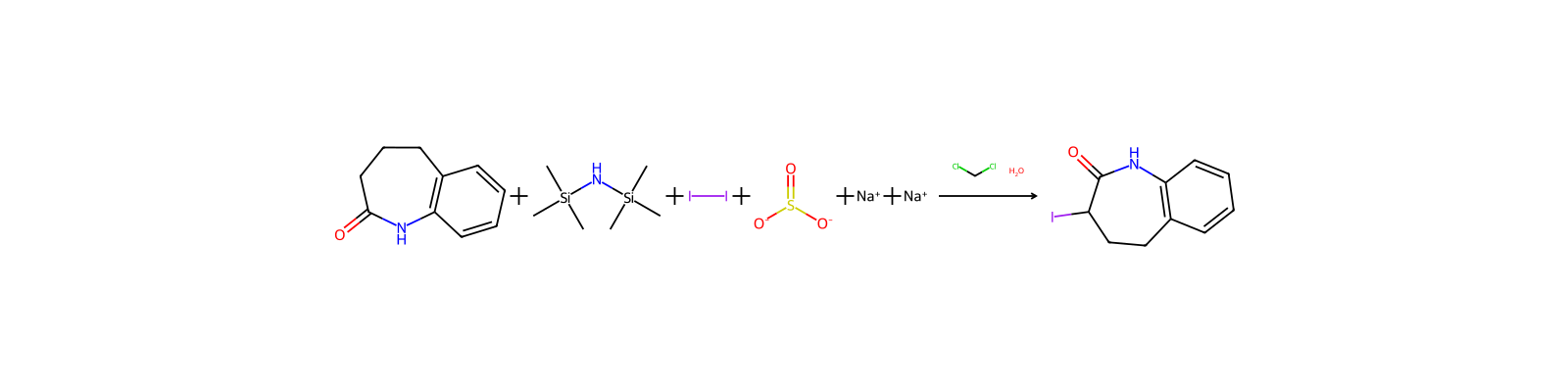
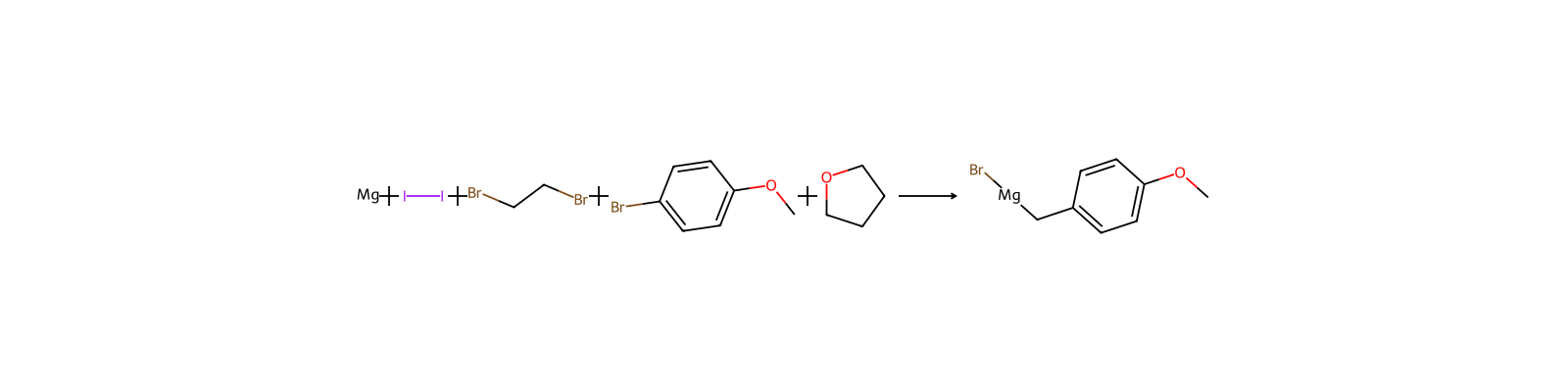
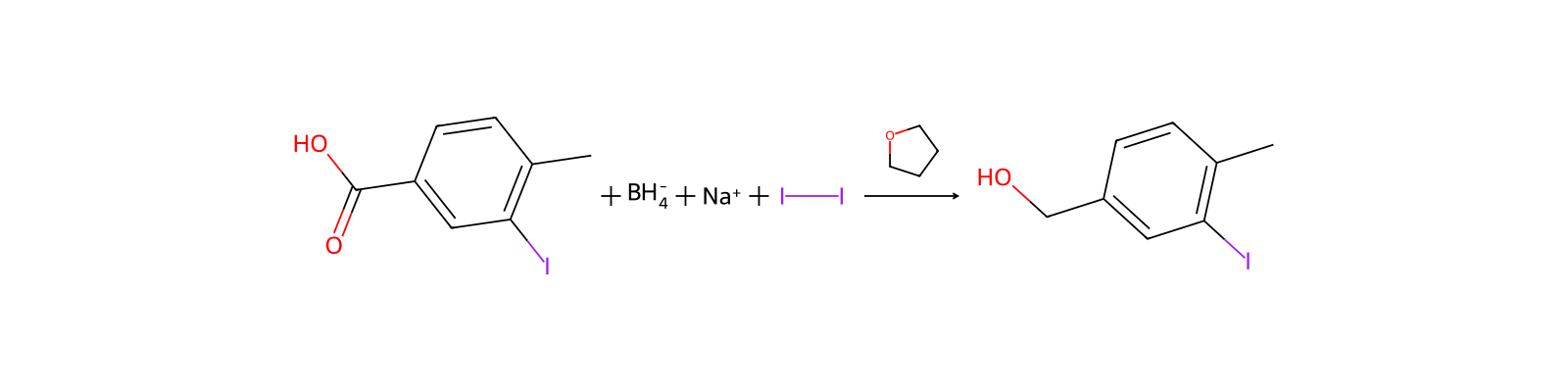
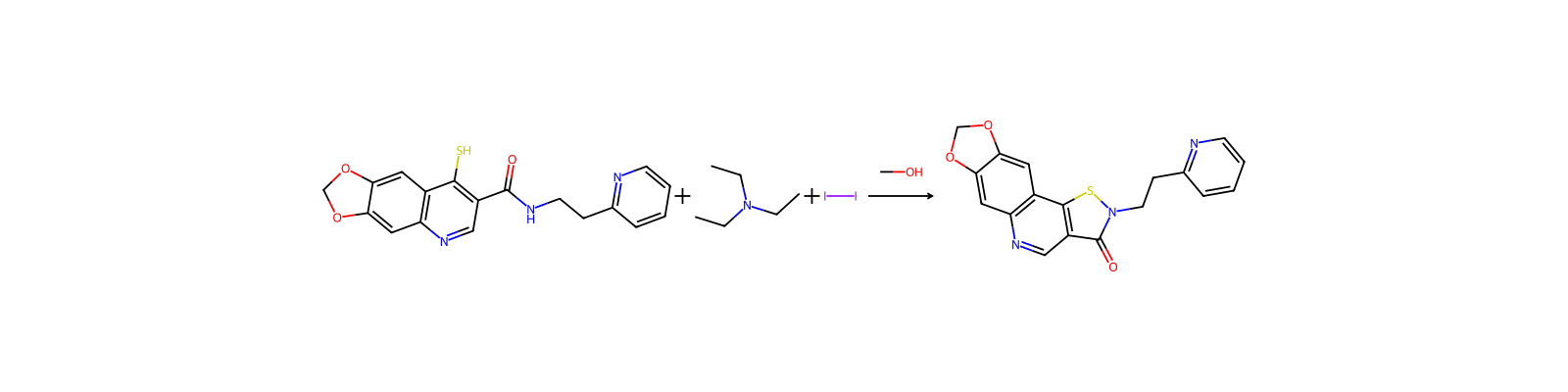
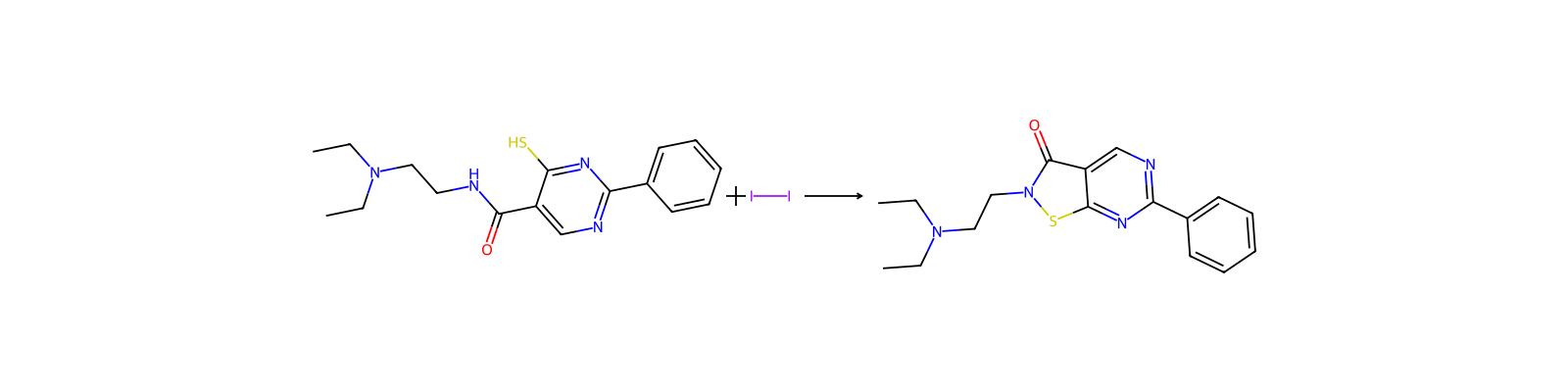
相关反应
6,200 条


关联笔记
加载中…