
基本信息
- 标准SMILES
O=[N+]([O-])[O-]- InChIKey
NHNBFGGVMKEFGY-UHFFFAOYSA-N- 分子式
- NO3-
- 平均分子量
- 62.005 g/mol
- 单同位素质量
- 61.98781786
名称与标识
- 首选名称
- Nitrate
- IUPAC
- nitrate
- 中文名
- 硝酸根(硝酸盐)标准溶液
- 英文名
- NITRATE
- 分子式
- NO3-
- 分子量
- 62
名称与别名
nitrateNITRATE ION14797-55-8NitratesNitrate(1-)trioxonitrate(1-)trioxidonitrate(1-)INORGANIC NITRATEST93E9Y2844DTXSID5024217CHEBI:17632RefChem:6470
展开更多名称
软皂钾皂智利硝硝酸鈉硝酸盐硝酸根(硝酸盐)标准溶液硝酸根离子(NO3-)标准溶液硝酸根离子(NO3-)标准溶液NO3NITRATE STANDARDSEKKEN-KNANO2 99% MINSODIUM NITRATNITROGEN STANDARDNITRATE IC STANDARDNITRATE ION STANDARD
DTXCID904217NO3-MFCD00144920UN3218CHEMBL186200Nitrate (6CI,7CI,8CI,9CI)UN1447Nitrate(1-); Nitrato; Nitric acid, ion(1-)
数据库标识
- CAS
14797-55-8- PubChem CID
- 943
- DTXSID
DTXSID5024217- ChEMBL
CHEMBL186200- ChEBI
CHEBI:17632- UNII
- T93E9Y2844
- Nikkaji
- J215.749G
性质
结构计算性质
- XLogP
- -1.4
- 极性表面积
- 62.9 Ų
- 氢键供体
- 0
- 氢键受体
- 3
- 可旋转键
- 0
- 重原子
- 4
- 形式电荷
- -1
- 复杂度
- 18
实验与物化性质
Physical DescriptionSolid
物理化学性质
- 储存条件
- 2 · 2-8°C
- 形态
- Liquid
- 颜色
- Clear colorless
- 水溶解性
- Miscible with water.
- InChI
- InChI=1S/NO3/c2-1(3)4/q-1
- InChIKey
- NHNBFGGVMKEFGY-UHFFFAOYSA-N
- SMILES
- [N+]([O-])([O-])=O
- EPA化学物质信息
- Nitrate (14797-55-8)
化学性质
透明膏状体,有弹性,水溶性好,泡沫丰富,与钠皂相比,不易凝结。
安全与法规
危害信息
Regulatory Information
Hazard Traits - Hematotoxicity;Authoritative List - CA MCLs; CWA 303(d);Report - if used as a fragrance or flavor ingredient
Regulation (EC) No 1831/2003 (amended)
DOT LabelOxidizer
Fire Hazards
Excerpt from ERG Guide 140 [Oxidizers]:;CAUTION: Ammonium nitrate products may explode if involved in fire or contaminated with hydrocarbons (fuels), organic matter, other contaminants or when hot molten and contained. Treat as an explosive (ERG Guide 112). These substances will accelerate burning when involved in a fire. Some may decompose explosively when heated or involved in a fire. May explode from heat or contamination. Some will react explosively with hydrocarbons (fuels). May ignite combustibles (wood, paper, oil, clothing, etc.). Containers may explode when heated. Runoff may create fire or explosion hazard. (ERG, 2024)
Health Hazards
Excerpt from ERG Guide 140 [Oxidizers]:;Inhalation, ingestion or contact (skin, eyes) with vapors or substance may cause severe injury, burns or death. Fire may produce irritating, corrosive and/or toxic gases. Runoff from fire control or dilution water may cause environmental contamination. (ERG, 2024)
Reactive GroupNitrate and Nitrite Compounds, Inorganic
Reactivity AlertsExplosive;Strong Oxidizing Agent
Reactivity Profile
Mixtures of metal/nonmetal nitrates with alkyl esters may explode, owing to the formation of alkyl nitrates; mixtures of a nitrate with phosphorus, tin (II) chloride, or other reducing agents may react explosively [Bretherick 1979 p. 108-109].
DOT Hazard Classification
Nitrates, inorganic, aqueous solution, n.o.s.
UN3218
Div 5.1 Oxidizer (49 eCFR § 173.127)
PG II: the degree of danger presented by the material is medium;PG III: the degree of danger presented by the material is minor;For more information about the packing group assignment, please visit 49 eCFR § 173
Nitrates, inorganic, n.o.s.
Air and Water ReactionsNo rapid reaction with air. No rapid reaction with water.
安全与防护
Fire Fighting
Excerpt from ERG Guide 140 [Oxidizers]:;SMALL FIRE: Use water. Do not use dry chemicals or foams. CO2 or Halon® may provide limited control.;LARGE FIRE: Flood fire area with water from a distance. Do not move cargo or vehicle if cargo has been exposed to heat. If it can be done safely, move undamaged containers away from the area around the fire.;FIRE INVOLVING TANKS, RAIL TANK CARS OR HIGHWAY TANKS: For ammonium nitrate products: Do not fight cargo fire. Withdraw, evacuate and isolate area for at least 1600 meters (1 mile). Treat as an explosive (ERG Guide 112). Do not enter area for 24 hours or until expert advice has been provided. Fight fire from maximum distance or use unmanned master stream devices or monitor nozzles. Cool containers with flooding quantities of water until well after fire is out. ALWAYS stay away from tanks in direct contact with flames. For massive fire, use unmanned master stream devices or monitor nozzles; if this is impossible, withdraw from area and let fire burn. (ERG, 2024)
First AidExcerpt from ERG Guide 140 [Oxidizers]:;Refer to the "General First Aid" section. Specific First Aid: Contaminated clothing may be a fire risk when dry. (ERG, 2024)
Nonfire Spill Response
Excerpt from ERG Guide 140 [Oxidizers]:;Keep combustibles (wood, paper, oil, etc.) away from spilled material. Do not touch damaged containers or spilled material unless wearing appropriate protective clothing. Stop leak if you can do it without risk. Do not get water inside containers.;SMALL DRY SPILL: With clean shovel, place material into clean, dry container and cover loosely; move containers from spill area.;SMALL LIQUID SPILL: Use a non-combustible material like vermiculite or sand to soak up the product and place into a container for later disposal.;LARGE SPILL: Dike far ahead of liquid spill for later disposal. (ERG, 2024)
Isolation and Evacuation
Excerpt from ERG Guide 140 [Oxidizers]:;IMMEDIATE PRECAUTIONARY MEASURE: Isolate spill or leak area in all directions for at least 50 meters (150 feet) for liquids and at least 25 meters (75 feet) for solids.;LARGE SPILL: Consider initial downwind evacuation for at least 100 meters (330 feet).;FIRE: If tank, rail tank car or highway tank is involved in a fire, ISOLATE for 800 meters (1/2 mile) in all directions; also, consider initial evacuation for 800 meters (1/2 mile) in all directions. If ammonium nitrate products are in a tank, rail car or truck and involved in a fire, ISOLATE for 1600 meters (1 mile) in all directions; also, initiate evacuation including emergency responders for 1600 meters (1 mile) in all directions. (ERG, 2024)
Protective Action Criteria (PAC)
0.16 [ppm]
24 [ppm]
92 [ppm]
Personal Protective Equipment (PPE)
Excerpt from ERG Guide 140 [Oxidizers]:;Wear positive pressure self-contained breathing apparatus (SCBA). Wear chemical protective clothing that is specifically recommended by the manufacturer when there is NO RISK OF FIRE. Structural firefighters' protective clothing provides thermal protection but only limited chemical protection. (ERG, 2024)
毒理信息
Treatment
Methemoglobinemia can be treated with supplemental oxygen and methylene blue 1% solution administered intravenously slowly over five minutes followed by IV flush with normal saline. Methylene blue restores the iron in hemoglobin to its normal (reduced) oxygen-carrying state. (L1613)
Target OrgansHematologic
Health EffectsNitrate and nitrite poisoning causes methemoglobinemia. Nitrites may cause pregnancy complications and developmental effects. They may also be carcinogenic. (L1137)
Adverse Effects
Main adverse effects from nitrate use come from dilation of the venous blood vessels. Other side effects can be reflexes from the activation of the sympathetic nervous system or re-exposure after withdrawal. These side effects include:;* Headaches (greater than 10%);* Hypotension (0.1 to 10%);* Cutaneous flushing (0.1 to 10%);* Syncope (0.1 to 10%);* Reflex tachycardia (0.1 to 10%);* Methemoglobinemia (rare);* Monday disease (tachycardia, headache, and dizziness during re-exposure)
Exposure RoutesOral (L1137) ; inhalation (L1137)
Toxicity Summary
There is currently no evidence of the teratogenicity or carcinogenicity potential of nitrate.;Methemoglobinemia can be caused by nitrate toxicity in rare cases. Generally, supportive care and cessation of nitrate should be sufficient for most cases of methemoglobinemia. Methylene blue is an effective antidote if needed.
Nitrate's toxicity is a result of it's conversion to nitrite once in the body. Nitrite causes the autocatalytic oxidation of oxyhemoglobin to hydrogen peroxide and methemoglobin. This elevation of methemoglobin levels is a condition known as methemoglobinemia, and is characterized by tissue hypoxia, as methemoglobin cannot bind oxygen. (A2450, L1613)
Signs and Symptoms
Nitrate and nitrite poisoning causes methemoglobinemia. Symptoms include cyanosis, cardiac dysrhythmias and circulatory failure, and progressive central nervous system (CNS) effects. CNS effects can range from mild dizziness and lethargy to coma and convulsions. (L1137)
EPA IRIS Information
Nitrate
Hematologic
1.6 mg/kg-day
Carcinogen ClassificationIngested nitrate or nitrite under conditions that result in endogenous nitrosation is probably carcinogenic to humans (Group 2A). (L135)
Toxicity DataLD50: 138 ppm over 30 minutes (Inhalation, Rat) (A677)
RAIS Toxicity Values
4
ATSDR Final
1.6
IRIS Current
4
ATSDR Final
USGS Health-Based Screening Levels for Evaluating Water-Quality
Nitrogen, Nitrate
00618
Nutrient
10000
Nitrate (as N)
Smith, C.D. and Nowell, L.H., 2024. Health-Based Screening Levels for evaluating water-quality data (3rd ed.). DOI:10.5066/F71C1TWP
法规信息
Regulatory Information
Hazard Traits - Hematotoxicity;Authoritative List - CA MCLs; CWA 303(d);Report - if used as a fragrance or flavor ingredient
Regulation (EC) No 1831/2003 (amended)
化学与工业
药理信息
Metabolism/Metabolites
Intake of some amount of nitrates and nitrites is a normal part of the nitrogen cycle in humans. In vivo conversion of nitrates to nitrites can occur in the gastrointestional tract under the right conditions, significantly enhancing nitrates' toxic potency. The major metabolic pathway for nitrate is conversion to nitrite, and then to ammonia. Nitrites, nitrates, and their metabolites are excreted in the urine. (L1137)
Tissue LocationsAdipose Tissue;Bladder;Epidermis;Fibroblasts;Heart;Intestine;Kidney;Lung;Neuron;Pancreas;Platelet;Skeletal Muscle;Spleen;Testis;Thyroid Gland
用途与制造
UsesNitrates and nitrites are naturally produced and may also be found in pesticides. Exposure usually occurs from contact with contaminated soil, food water. Nitrates may also be found in certain drugs. (L1137)
Use ClassificationFood Additives -> COLOUR_RETENTION_AGENT; PRESERVATIVE -> JECFA Functional Classes
应用领域
用途常供理发店和医院洗发、洗手。
供应商7 家
Career Henan Chemica Co+86-0371-86658258 +86-13203830695 · [email protected]
上海丽康新材料有限公司+86-16631818819 +86-17736933208 · [email protected]
陕西缔都医药化工有限公司+86-29-81139210 +86-17392587031 · [email protected]
艾万拓威达优尔国际贸易(上海)有限公司400-821-8006 · [email protected]
上海前衍生物科技有限公司02781293128 · [email protected]
成都华纯科技有限公司400-1166-196 15982826727 · [email protected]
北京市燕京药业有限公司—
相关反应
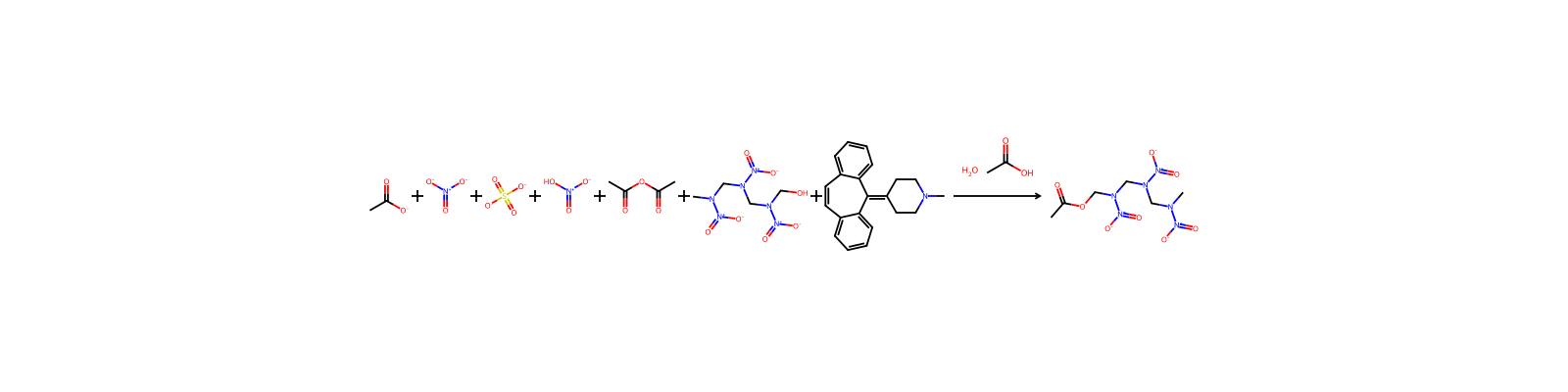
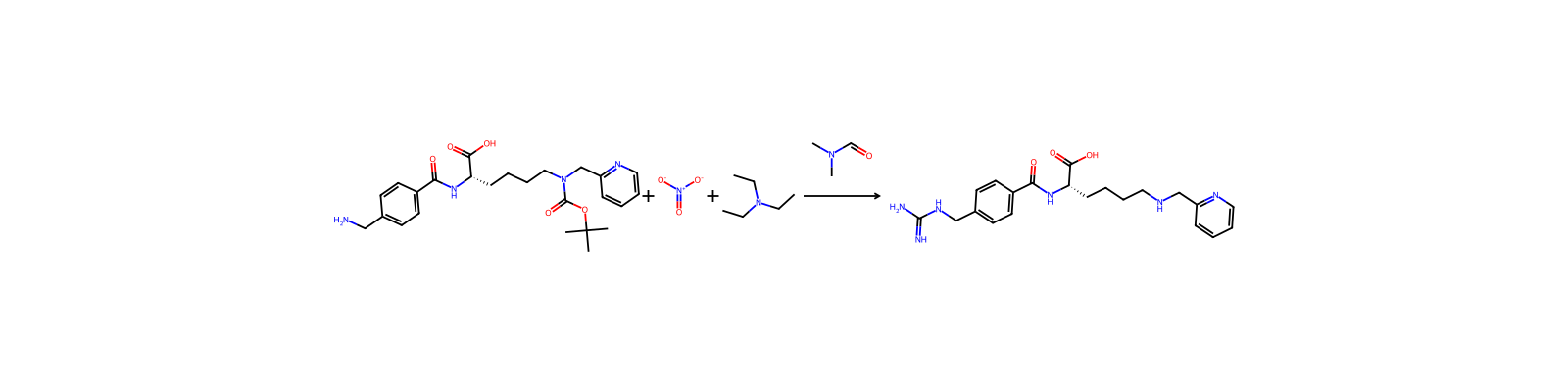
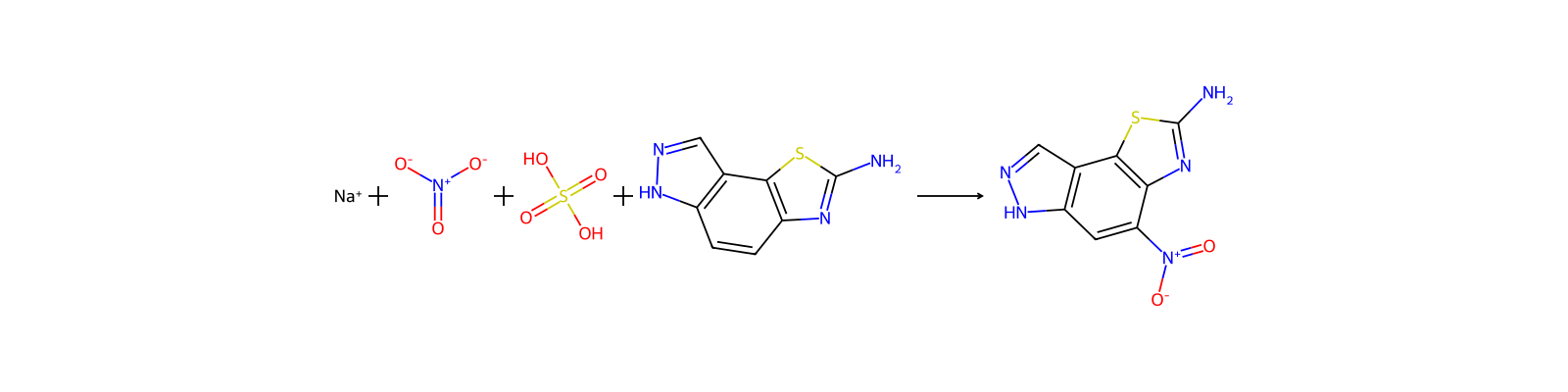
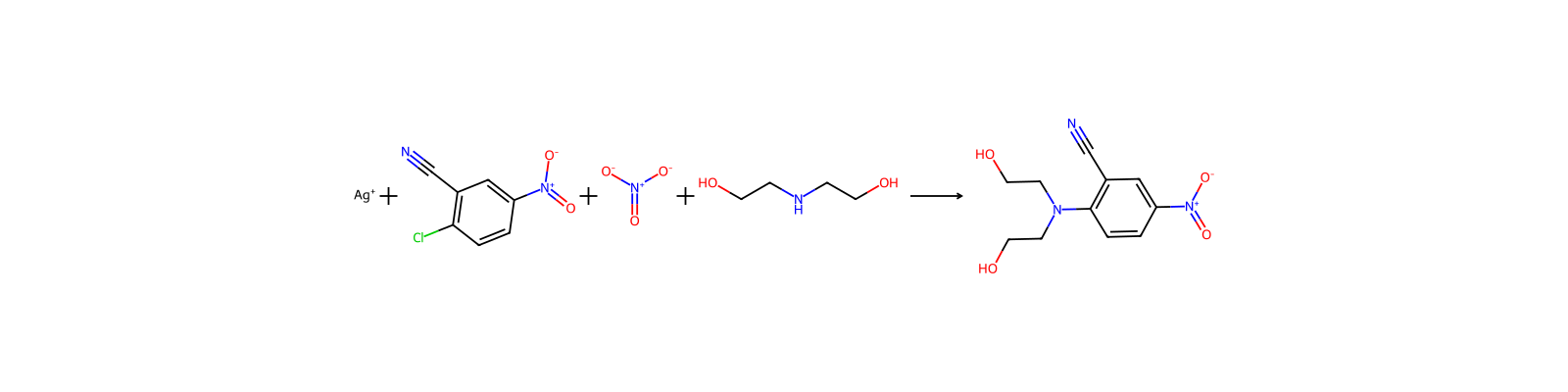
914 条




关联笔记
加载中…