反应方程式

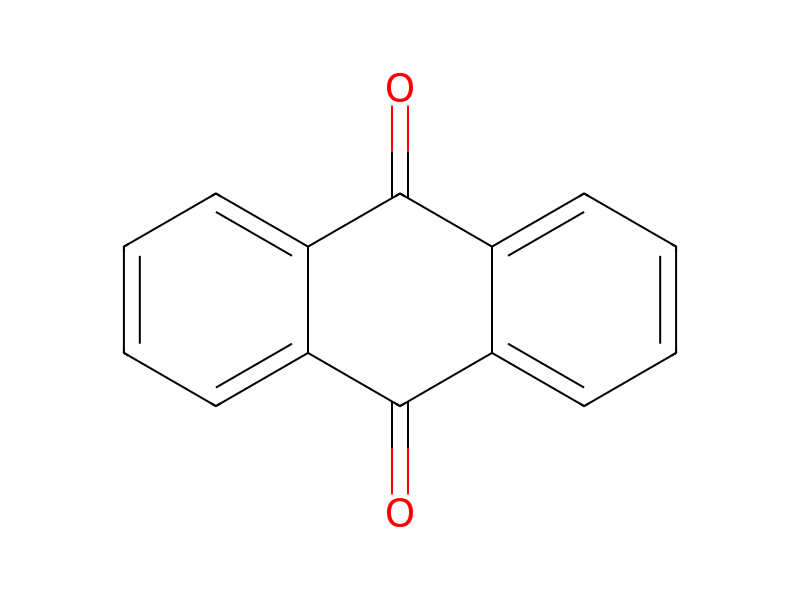
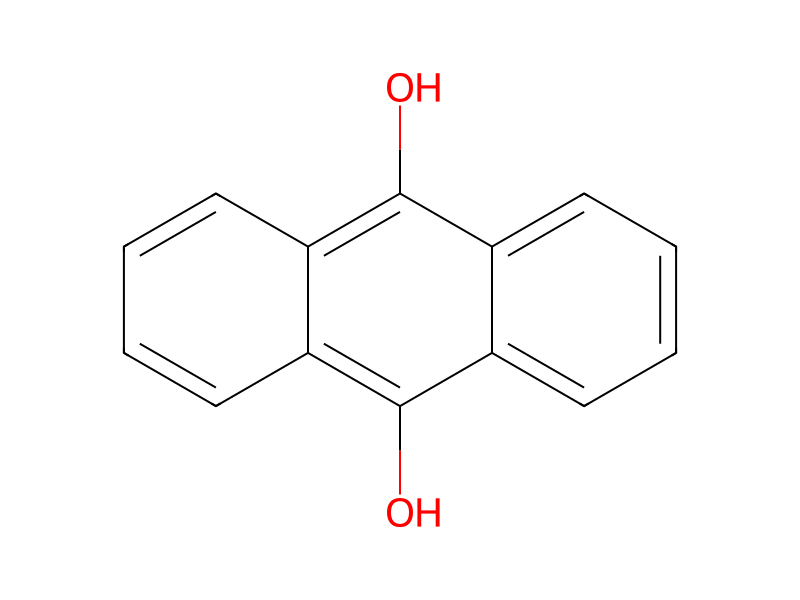
S.C([C:6]1[C:19]2[C:18](=[O:20])[C:17]3[C:12](=[CH:13][CH:14]=[CH:15][CH:16]=3)[C:11](=[O:21])[C:10]=2[CH:9]=[CH:8][CH:7]=1)(C)(C)C>>[CH:13]1[C:12]2[C:11](=[O:21])[C:10]3[C:19](=[CH:6][CH:7]=[CH:8][CH:9]=3)[C:18](=[O:20])[C:17]=2[CH:16]=[CH:15][CH:14]=1.[CH:15]1[CH:16]=[C:17]2[C:18]([OH:20])=[C:19]3[C:10](=[C:11]([OH:21])[C:12]2=[CH:13][CH:14]=1)[CH:9]=[CH:8][CH:7]=[CH:6]3参与物
4

实验过程
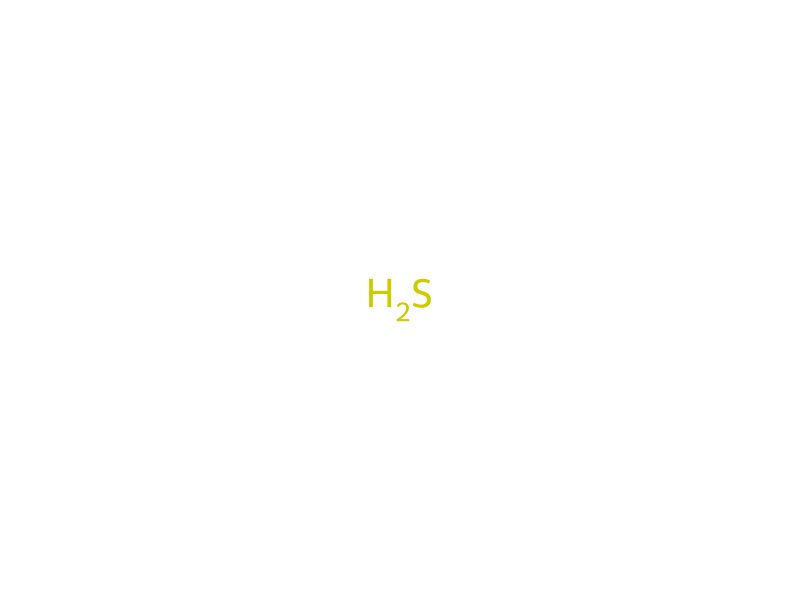
H2S and t-butyl anthraquinone are dissolved in several solvents. They are then reacted in the H2S reactor at optimum conditions to determine which combination of reactants and solvents yields the greatest conversion of anthraquinone to anthrahydroquinone. The results are set forth in Table 1 below.
来源与证据
- ORD记录
- ord-f19aadf040314c9c9843f27d8b6328fe
- 来源数据集
- uspto-grants-1986_04
- 专利号
- US04581128
关联笔记
加载中…