反应方程式

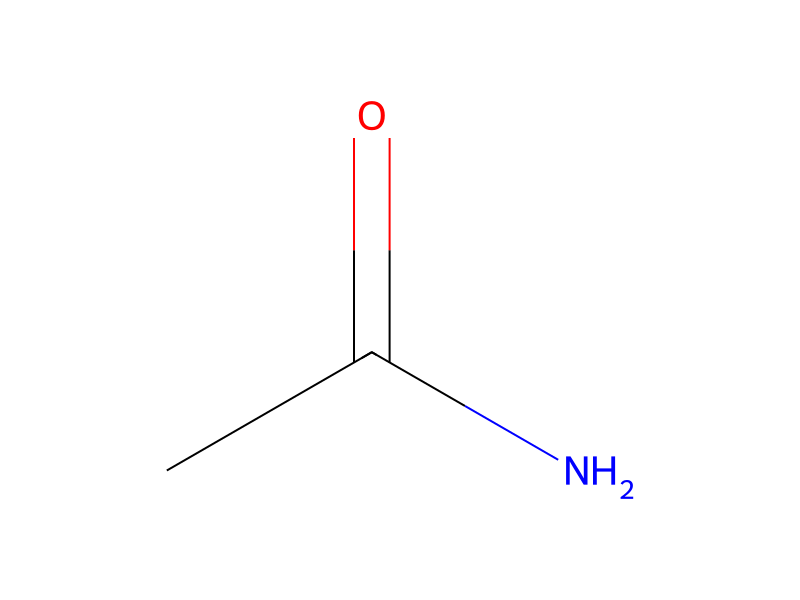
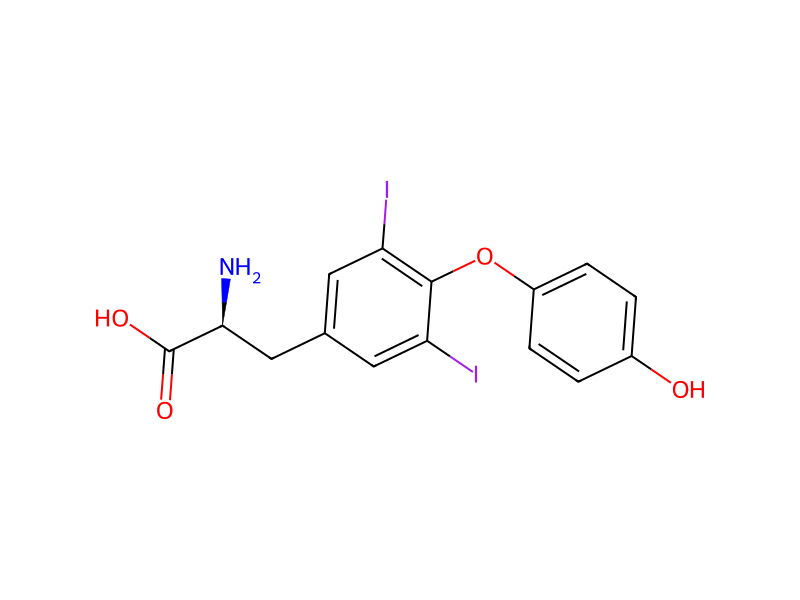
C(N)(=O)C.COC.I.Br.C([O:12][C:13](=[O:37])[C@H:14]([CH2:19][C:20]1[CH:25]=[C:24]([I:26])[C:23]([O:27][C:28]2[CH:33]=[CH:32][C:31]([O:34]C)=[CH:30][CH:29]=2)=[C:22]([I:36])[CH:21]=1)[NH:15]C(=O)C)C>>[I:26][C:24]1[CH:25]=[C:20]([CH:21]=[C:22]([I:36])[C:23]=1[O:27][C:28]1[CH:33]=[CH:32][C:31]([OH:34])=[CH:30][CH:29]=1)[CH2:19][C@@H:14]([C:13]([OH:37])=[O:12])[NH2:15]参与物




实验过程
Many patent and non-patent literature describe the use of an intermediate called Bis (p-anisyl)iodonium bromide in the preparation of Levothyroxine sodium. Hillmann (Z. Naturforch 1956; 11b:424-425) describes a process for the assembly of the biphenyl-ether system present in Levothyroxine, wherein a key coupling reaction is initiated between N-Acetyl 3,5-diiodo-L-tyrosine ethyl ester, derived from the stepwise protective conversion of amine as amide and acid as ester of 3,5 diido-L-tyrosine, and Bis (p-anisyl)iodonium bromide in the presence of copper metal or powder as a catalyst to afford (S)—N-acetyl-3,5-diiodo-4-p-methoxyphenoxyphenylalanine ethyl ester, with 87% yield. All the three protective groups in (S)—N-acetyl-3,5-diiodo-4-p-methoxyphenoxyphenylalanine ethyl ester, viz. acetamide, methyl ether, ethyl ester were cleaved using a mixture of Hydroiodic acid and Hydrobromic acid to give 3,5-Diiodothyronine. 3,5-Diiodothyronine on subsequent iodination with iodine gave L-thyroxine of an yield that corresponds to 92%.
来源与证据
- ORD记录
- ord-19dc8d269fa84dfbaa970919e8c7f67c
- 来源数据集
- uspto-grants-2016_08
- 专利号
- US09428444B2
关联笔记
加载中…