
名称与标识
- 首选名称
- Hydrogen Bromide
- IUPAC
- bromane
- 中文名
- 氢溴酸
- 英文名
- Hydrogen bromide
- 分子式
- BrH
- 分子量
- 80.91
名称与别名
Hydrogen bromideHYDROBROMIC ACID10035-10-6bromaneBromwasserstoffBroomwaterstofBromowodorAcido bromidricoAcide bromhydriqueHydrogen bromide (HBr)Anhydrous hydrobromic acidHydrogen bromide, anhydrous
展开更多名称
溴氢酸氫溴酸溴化氢氢溴酸氢溴 酸溴化氢气体氢溴酸醋酸溴化氢溶液氢溴酸溶液高纯溴化氢HBRHBR/ACOHHydrobromichydrobromic acid 48%Hydrogen bromide solutionHydrogen bromide in acetic acidhydrobroMic acid in acetic acidHydrobromic Acid (47%)
Acido bromhidricoHydrogen monobromide3IY7CNP8XJBromure d'hydrogene anhydreBromuro de hidrogeno anhidrobromure d'hydrogeneCHEBI:47266DTXSID0029713
数据库标识
- CAS
10035-10-6- PubChem CID
- 260
- DTXSID
DTXSID0029713- ChEBI
CHEBI:22927- UNII
- 3IY7CNP8XJ
- EC Number
- 233-113-0
- Nikkaji
- J95.186B
性质
结构计算性质
- XLogP
- 1
- 极性表面积
- 0 Ų
- 氢键供体
- 1
- 氢键受体
- 0
- 可旋转键
- 0
- 重原子
- 1
- 形式电荷
- 0
- 复杂度
- 0
实验与物化性质
pHAqueous solutions are strongly acidic
Odor
Sharp, irritating odor
Acrid odor
TasteFumes have a sour taste
Density
2.14 at -88.6 °F (USCG, 1999) - Denser than water; will sink
3.307 g/L
Density: 2.603 g/ cu cm at -84 °C (liquid)
A solution of hydrogen bromide gas in water. Colorless or faintly yellow; slowly darkens on exposure to air and light; miscible with water, alcohol; density: 1.517 (50% HBr solution); 1.38 (40% HBr solution); 1.13 (34% HBr solution); 1.08 (10% HBr solution); miscible with water and alcohol /Hydrobromic acid/
Relative density (water = 1): 1.8
2.14 at -88.6 °F
Color/Form
Colorless gas
Colorless gas [Note: Shipped as a liquified compressed gas]
Solubility
49 % (NIOSH, 2024)
221 g/100 cc water at 0 °C; 130 g/100 cc water at 100 °C
Freely soluble in water; 1 volume of water dissolves 600 volumes of HBr at 0 °C
204.0 g/ 100 g water at 15 °C
Very soluble in water
For more Solubility (Complete) data for Hydrogen bromide (6 total), please visit the HSDB record page.
CorrosivityCorrosive
Boiling Point
-88.2 °F at 760 mmHg (USCG, 1999)
-66.38 °C
-67 °C
-88.2 °F
-66.5 °C @760 [mm Hg]
-88 °F
Decomposition
Hazardous decomposition products formed under fire conditions - Hydrogen bromide gas.
When heated to decomposition ... it emits toxic and corrosive fumes of /hydrogen bromide/.
Melting Point
-124 °F (NIOSH, 2024)
-86.80 °C
-87 °C
-124 °F
-87 °C
-124 °F
Vapor Density
2.81 (NIOSH, 2024) - Heavier than air; will sink (Relative to Air)
2.71 (Air = 1)
Relative vapor density (air = 1): 2.8
2.81
Odor Threshold
Odor Threshold Low: 2.0 [ppm];Odor threshold from CHEMINFO
The odor threshold is 26.6 ppm.
Odor threshold= 6.6667 mg/cu m. Irritating concentration= 10.00 mg/cu m.
物理化学性质
- 熔点
- 87 °C · −87 °C(lit.)
- 沸点
- 67 °C · −67 °C(lit.)
- 密度
- 1.49 g/mL · 1.49 g/mL at 25 °C (lit.)
- 蒸气密度
- 2.8 · 2.8 (vs air)
- 蒸气压
- 334.7 psi · 334.7 psi ( 21 °C)
- 折射率
- 20 · n20/D 1.438
- 闪点
- 40 °C · 40°C
- 储存条件
- 30 °C · Store below +30°C.
- 溶解度
- soluble
- 酸度系数(pKa)
- -9 · -9(at 25℃)
- 形态
- Solution
- 颜色
- Light yellow, brown
- 比重
- 1.49 · 1.49
- 气味 (Odor)
- 2 ppm · Sharp, irritating odor detectable at 2 ppm
- PH值
- 3.01 · 3.01(1 mM solution);2.04(10 mM solution);1.08(100 mM solution)
- 水溶解性
- soluble
- 比热容
- 0.36 J/ · Cp(gas): 0.36 J/(g·K), at 25℃
- 敏感性
- Hygroscopic
- Merck
- 14 · 14,4778
- BRN
- 3587158 · 3587158
- Henry's Law Constant
- 6.8 · 6.8×10-2 mol/(m3Pa) at 25℃, Hayer et al. (2022)
- 暴露限值
- 2 ppm · ACGIH:TLV-CEILING 2 ppm (6.6 mg/m3)OSHA:PEL-TWA 3 ppm (10 mg/m3)NIOSH:REL-Ceiling 3 ppm
- 介电常数
- 7 · 7.0(-85℃)
- 稳定性
- Stable. Incompatible with strong bases, strong oxidizing agents, ammonia, ozone, fluorine, water, metals. Air and light sensitive.
- 化妆品成分功效
- BUFFERING
- InChI
- 1S/BrH/h1H
- InChIKey
- CPELXLSAUQHCOX-UHFFFAOYSA-N
- SMILES
- Br
- LogP
- 0.629 at · 0.629 at 25℃
- CAS 数据库
- 10035 · 10035-10-6(CAS DataBase Reference)
- NIST化学物质信息
- Hydrogen bromide(10035-10-6)
- EPA化学物质信息
- Hydrobromic acid (10035-10-6)
化学性质
无色或浅黄色液体,微发烟。 易溶于氯苯、二乙氧基甲烷等有机溶剂。能与水、醇、乙酸混溶。
安全与法规
GHS分类
GHS Classification
Danger
H314: Causes severe skin burns and eye damage [Danger Skin corrosion/irritation];H335: May cause respiratory irritation [Warning Specific target organ toxicity, single exposure; Respiratory tract irritation]
P260, P261, P264, P271, P280, P301+P330+P331, P302+P361+P354, P304+P340, P305+P354+P338, P316, P319, P321, P363, P403+P233, P405, and P501 (click each P-code to see the statement)
This chemical does not meet GHS hazard criteria for 0.2% (1 of 432) of reports.
危害信息
Hazards IdentificationToxic/poison by inhalation (TIH/PIH)
Regulatory Information
Chemical: Hydrobromic acid
Hydrobromic acid is listed on the EPA's Chemical Data Reporting (CDR) system. Manufacturers and importers of Hydrobromic acid are required to report information about their production and use of this chemical to the EPA under the Toxic Substances Control Act (TSCA). (40 eCFR Part 711)
Status: Active Update: 26-09-2021 https://echa.europa.eu/registration-dossier/-/registered-dossier/14814;Status: Cease Manufacture Update: 28-03-2018 https://echa.europa.eu/registration-dossier/-/registered-dossier/23369;Status: Cease Manufacture Update: 24-01-2012 https://echa.europa.eu/registration-dossier/-/registered-dossier/6169
Hydrogen bromide: HSNO Approval: HSR004091 Approved with controls
The New Jersey Worker and Community Right to Know Act requires public and private employers to provide information about hazardous substances at their workplaces. (N.J.S.A. 34:5A-1 et. seq.)
Other Safety InformationIMAP assessments - Hydrobromic acid: Human health tier I assessment
DOT Label
Corrosive
Poison Gas Corrosive
Fire Hazards
Excerpt from ERG Guide 154 [Substances - Toxic and/or Corrosive (Non-Combustible)]:;Non-combustible, substance itself does not burn but may decompose upon heating to produce corrosive and/or toxic fumes. Some are oxidizers and may ignite combustibles (wood, paper, oil, clothing, etc.). Corrosives in contact with metals may evolve flammable hydrogen gas. Containers may explode when heated. For electric vehicles or equipment, ERG Guide 147 (lithium ion or sodium ion batteries) or ERG Guide 138 (sodium batteries) should also be consulted. (ERG, 2024)
Behavior in Fire: Pressurized container may explode and release toxic, irritating vapor. (USCG, 1999)
· Non-combustible, substance itself does not burn but may decompose upon heating to produce corrosive and/or toxic fumes.;· Some are oxidizers and may ignite combustibles (wood, paper, oil, clothing, etc.).;· Corrosives in contact with metals may evolve flammable hydrogen gas.;· Containers may explode when heated.;· For electric vehicles or equipment, GUIDE 147 (lithium ion or sodium ion batteries) or GUIDE 138 (sodium batteries) should also be consulted.
· Some may burn but none ignite readily.;· Vapors from liquefied gas are initially heavier than air and spread along ground.;· Some of these materials may react violently with water.;· Cylinders exposed to fire may vent and release toxic and/or corrosive gas through pressure relief devices.;· Containers may explode when heated.;· Ruptured cylinders may rocket.;· For UN1005: Anhydrous ammonia, at high concentrations in confined spaces, presents a flammability risk if a source of ignition is introduced.
Not combustible. Heating will cause rise in pressure with risk of bursting. Risk of fire and explosion on contact with metals as a result of hydrogen formation.
Fire PotentialNot combustible. Heating will cause rise in pressure with risk of bursting.
Health Hazards
Excerpt from ERG Guide 154 [Substances - Toxic and/or Corrosive (Non-Combustible)]:;TOXIC and/or CORROSIVE; inhalation, ingestion or skin contact with material may cause severe injury or death. Contact with molten substance may cause severe burns to skin and eyes. Avoid any skin contact. Fire may produce irritating, corrosive and/or toxic gases. Runoff from fire control or dilution water may be corrosive and/or toxic and cause environmental contamination. (ERG, 2024)
Inhalation causes severe irritation of nose and upper respiratory tract, lung injury. Ingestion causes burns of mouth and stomach. Contact with eyes causes severe irritation and burns. Contact with skin causes irritation and burns. (USCG, 1999)
· TOXIC and/or CORROSIVE; inhalation, ingestion or skin contact with material may cause severe injury or death.;· Contact with molten substance may cause severe burns to skin and eyes.;· Avoid any skin contact.;· Fire may produce irritating, corrosive and/or toxic gases.;· Runoff from fire control or dilution water may be corrosive and/or toxic and cause environmental contamination.
· TOXIC and/or CORROSIVE; may be fatal if inhaled, ingested or absorbed through skin.;· Vapors are extremely irritating and corrosive.;· Contact with gas or liquefied gas may cause burns, severe injury and/or frostbite.;· Fire will produce irritating, corrosive and/or toxic gases.;· Runoff from fire control or dilution water may cause environmental contamination.
Hazards Summary
Aqueous hydrogen bromide = Hydrobromic acid; [NIOSH] Skin contact with acid solutions may cause burns. HBr, compared to HCl, is more toxic to rats, and considerably more toxic to mice in acute inhalation studies. [ACGIH] Highly corrosive to skin; [Quick CPC] Possible frostbite from contact with liquid; [NIOSH] A corrosive substance that can cause pulmonary edema; [ICSC] The following chemicals can release HBr when spilled in water: Boron tribromide, Phosphorus pentabromide, Acetyl bromide, and Aluminum bromide. [ERG 2016] See the Process, Toxic Gas from Spilling Chemical in Water. Hydrogen bromide is fibrogenic to the lungs in the context of an acute inhalation exposure complicated by bronchiolitis obliterans.
DOT ID and Guide
1788 154
1048 125
1048 125(anhydrous)
1788 154(solution)
Reactive Group
Acids, Strong Non-oxidizing;Water and Aqueous Solutions
Acids, Strong Non-oxidizing
EC ClassificationSymbol: C; R: 35-37; S: (1/2)-7/9-26-45
UN ClassificationUN Hazard Class: 2.3; UN Subsidiary Risks: 8
安全与防护
Fire Fighting
Excerpt from ERG Guide 154 [Substances - Toxic and/or Corrosive (Non-Combustible)]:;SMALL FIRE: Dry chemical, CO2 or water spray.;LARGE FIRE: Dry chemical, CO2, alcohol-resistant foam or water spray. If it can be done safely, move undamaged containers away from the area around the fire. Dike runoff from fire control for later disposal.;FIRE INVOLVING TANKS, RAIL TANK CARS OR HIGHWAY TANKS: Fight fire from maximum distance or use unmanned master stream devices or monitor nozzles. Do not get water inside containers. Cool containers with flooding quantities of water until well after fire is out. Withdraw immediately in case of rising sound from venting safety devices or discoloration of tank. ALWAYS stay away from tanks in direct contact with flames. (ERG, 2024)
Excerpt from ERG Guide 125 [Gases - Toxic and/or Corrosive]:;SMALL FIRE: Dry chemical or CO2.;LARGE FIRE: Water spray, fog or regular foam. If it can be done safely, move undamaged containers away from the area around the fire. Do not get water inside containers. Damaged cylinders should be handled only by specialists.;FIRE INVOLVING TANKS: Fight fire from maximum distance or use unmanned master stream devices or monitor nozzles. Cool containers with flooding quantities of water until well after fire is out. Do not direct water at source of leak or safety devices; icing may occur. Withdraw immediately in case of rising sound from venting safety devices or discoloration of tank. ALWAYS stay away from tanks in direct contact with flames. (ERG, 2024)
In case of fire in the surroundings, use appropriate extinguishing media. In case of fire: keep cylinder cool by spraying with water. NO direct contact with water.
First Aid Measures
Fresh air, rest. Half-upright position. Refer for medical attention.
ON FROSTBITE: rinse with plenty of water, do NOT remove clothes. Refer for medical attention .
First rinse with plenty of water for several minutes (remove contact lenses if easily possible), then refer for medical attention.
Accidental Release Measures
· CALL 911. Then call emergency response telephone number on shipping paper. If shipping paper not available or no answer, refer to appropriate telephone number listed on the inside back cover.;· Keep unauthorized personnel away.;· Stay upwind, uphill and/or upstream.;· Ventilate closed spaces before entering, but only if properly trained and equipped.
· ELIMINATE all ignition sources (no smoking, flares, sparks or flames) from immediate area.;· Do not touch damaged containers or spilled material unless wearing appropriate protective clothing.;· Stop leak if you can do it without risk.;· Prevent entry into waterways, sewers, basements or confined areas.;· Absorb or cover with dry earth, sand or other non-combustible material and transfer to containers.;· DO NOT GET WATER INSIDE CONTAINERS.
· CALL 911. Then call emergency response telephone number on shipping paper. If shipping paper not available or no answer, refer to appropriate telephone number listed on the inside back cover.;· Keep unauthorized personnel away.;· Stay upwind, uphill and/or upstream.;· Many gases are heavier than air and will spread along the ground and collect in low or confined areas (sewers, basements, tanks, etc.).;· Ventilate closed spaces before entering, but only if properly trained and equipped.
· Do not touch or walk through spilled material.;· Stop leak if you can do it without risk.;· If possible, turn leaking containers so that gas escapes rather than liquid.;· Prevent entry into waterways, sewers, basements or confined areas.;· Do not direct water at spill or source of leak.;· Use water spray to reduce vapors or divert vapor cloud drift. Avoid allowing water runoff to contact spilled material.;· Isolate area until gas has dispersed.
First Aid
Excerpt from ERG Guide 154 [Substances - Toxic and/or Corrosive (Non-Combustible)]:;Refer to the "General First Aid" section. Specific First Aid: For corrosives, in case of contact, immediately flush skin or eyes with running water for at least 30 minutes. Additional flushing may be required. (ERG, 2024)
Excerpt from NIOSH Pocket Guide for Hydrogen bromide:;Eye:;⢠IRRIGATE IMMEDIATELY (SOLUTION) - If this chemical in solution contacts the eyes, immediately wash (irrigate) the eyes with large amounts of water, occasionally lifting the lower and upper lids. Get medical attention immediately.;⢠FROSTBITE - If eye tissue is frozen, seek medical attention immediately; if tissue is not frozen, immediately and thoroughly flush the eyes with large amounts of water for at least 15 minutes, occasionally lifting the lower and upper eyelids. If irritation, pain, swelling, lacrimation, or photophobia persist, get medical attention as soon as possible.;Skin:;⢠WATER FLUSH IMMEDIATELY (SOLUTION) - If this chemical in solution contacts the skin, immediately flush the contaminated skin with water. If this chemical penetrates the clothing, immediately remove the clothing and flush the skin with water. Get medical attention promptly.;⢠FROSTBITE - If frostbite has occurred, seek medical attention immediately; do NOT rub the affected areas or flush them with water. In order to prevent further tissue damage, do NOT attempt to remove frozen clothing from frostbitten areas. If frostbite has NOT occurred, immediately and thoroughly wash contaminated skin with soap and water.;Breathing: RESPIRATORY SUPPORT - If a person breathes large amounts of this chemical, move the exposed person to fresh air at once. If breathing has stopped, perform artificial respiration. Keep the affected person warm and at rest. Get medical attention as soon as possible.;Swallow: MEDICAL ATTENTION IMMEDIATELY (SOLUTION) - If this chemical in solution has been swallowed, get medical attention immediately. (NIOSH, 2024)
General First Aid:;· Call 911 or emergency medical service.;· Ensure that medical personnel are aware of the material(s) involved, take precautions to protect themselves and avoid contamination.;· Move victim to fresh air if it can be done safely.;· Administer oxygen if breathing is difficult.;· If victim is not breathing:;-- DO NOT perform mouth-to-mouth resuscitation; the victim may have ingested or inhaled the substance.;-- If equipped and pulse detected, wash face and mouth, then give artificial respiration using a proper respiratory medical device (bag-valve mask, pocket mask equipped with a one-way valve or other device).;-- If no pulse detected or no respiratory medical device available, provide continuous compressions. Conduct a pulse check every two minutes or monitor for any signs of spontaneous respirations.;· Remove and isolate contaminated clothing and shoes.;· For minor skin contact, avoid spreading material on unaffected skin.;· In case of contact with substance, remove immediately by flushing skin or eyes with running water for at least 20 minutes.;· For severe burns, immediate medical attention is required.;· Effects of exposure (inhalation, ingestion, or skin contact) to substance may be delayed.;· Keep victim calm and warm.;· Keep victim under observation.;· For further assistance, contact your local Poison Control Center.;· Note: Basic Life Support (BLS) and Advanced Life Support (ALS) should be done by trained professionals.;Specific First Aid:;· For corrosives, in case of contact, immediately flush skin or eyes with running water for at least 30 minutes. Additional flushing may be required.
General First Aid:;· Call 911 or emergency medical service.;· Ensure that medical personnel are aware of the material(s) involved, take precautions to protect themselves and avoid contamination.;· Move victim to fresh air if it can be done safely.;· Administer oxygen if breathing is difficult.;· If victim is not breathing:;-- DO NOT perform mouth-to-mouth resuscitation; the victim may have ingested or inhaled the substance.;-- If equipped and pulse detected, wash face and mouth, then give artificial respiration using a proper respiratory medical device (bag-valve mask, pocket mask equipped with a one-way valve or other device).;-- If no pulse detected or no respiratory medical device available, provide continuous compressions. Conduct a pulse check every two minutes or monitor for any signs of spontaneous respirations.;· Remove and isolate contaminated clothing and shoes.;· For minor skin contact, avoid spreading material on unaffected skin.;· In case of contact with substance, remove immediately by flushing skin or eyes with running water for at least 20 minutes.;· For severe burns, immediate medical attention is required.;· Effects of exposure (inhalation, ingestion, or skin contact) to substance may be delayed.;· Keep victim calm and warm.;· Keep victim under observation.;· For further assistance, contact your local Poison Control Center.;· Note: Basic Life Support (BLS) and Advanced Life Support (ALS) should be done by trained professionals.;Specific First Aid:;· In case of contact with liquefied gas, only medical personnel should attempt thawing frosted parts.
(General first aid procedures);Eye: Irrigate immediately (solution)/Frostbite;Skin: Water flush immediately (solution)/Frostbite;Breathing: Respiratory support;Swallow: Medical attention immediately (solution)
Safe StorageSeparated from incompatible materials. See Chemical Dangers. Cool. Dry. Ventilation along the floor.
Exposure Control and Personal Protection
· Wear positive pressure self-contained breathing apparatus (SCBA).;· Wear chemical protective clothing that is specifically recommended by the manufacturer when there is NO RISK OF FIRE.;· Structural firefighters' protective clothing provides thermal protection but only limited chemical protection.
· Wear positive pressure self-contained breathing apparatus (SCBA).;· Wear chemical protective clothing that is specifically recommended by the manufacturer when there is NO RISK OF FIRE.;· Structural firefighters' protective clothing provides thermal protection but only limited chemical protection.
TIH (Toxic Inhalation Hazard) - Term used to describe gases and volatile liquids that are toxic when inhaled. Some are TIH materials themselves, e.g., chlorine, and some release TIH gases when spilled in water, e.g., chlorosilanes. [ERG 2016].
2.0 [ppm]
Fire Fighting Procedures
Suitable extinguishing media: Use water spray, alcohol-resistant foam, dry chemical or carbon dioxide.
Advice for firefighters: Wear self-contained breathing apparatus for firefighting if necessary.
Use water spray to cool unopened containers.
Extinguish fire using agent suitable for surrounding fire. Use flooding quantities of water. Use water spray to keep fire-exposed containers cool. Approach fire from upwind to avoid hazardous vapors. /Hydrobromic acid solution/
For more Fire Fighting Procedures (Complete) data for Hydrogen bromide (6 total), please visit the HSDB record page.
Storage Conditions
Separated from incompatible materials. ... Cool. Dry. Ventilation along the floor.
Keep container tightly closed in a dry and well-ventilated place. Containers which are opened must be carefully resealed and kept upright to prevent leakage.
Store in a cool, dry, well-ventilated location. Separate from alkalies, oxidizing materials, amines, halogens, and metals. /Hydrobromic acid solution/
Cleanup Methods
Evacuate danger area! Consult an expert! Personal protection: gas-tight chemical protection suit including self-contained breathing apparatus. Ventilation. NEVER direct water jet on liquid. Remove gas with fine water spray.
ACCIDENTAL RELEASE MEASURES: Personal precautions, protective equipment and emergency procedures: Wear respiratory protection. Avoid breathing vapors, mist or gas. Ensure adequate ventilation. Evacuate personnel to safe areas. Environmental precautions: Prevent further leakage or spillage if safe to do so. Do not let product enter drains. Methods and materials for containment and cleaning up: Clean up promptly by sweeping or vacuum.
Stop or control the leak, if this can be done without undue risk. Absorb in noncombustible material for proper disposal. /Hydrobromic acid solution/
Nonfire Spill Response
Excerpt from ERG Guide 154 [Substances - Toxic and/or Corrosive (Non-Combustible)]:;ELIMINATE all ignition sources (no smoking, flares, sparks or flames) from immediate area. Do not touch damaged containers or spilled material unless wearing appropriate protective clothing. Stop leak if you can do it without risk. Prevent entry into waterways, sewers, basements or confined areas. Absorb or cover with dry earth, sand or other non-combustible material and transfer to containers. DO NOT GET WATER INSIDE CONTAINERS. (ERG, 2024)
Excerpt from ERG Guide 125 [Gases - Toxic and/or Corrosive]:;Do not touch or walk through spilled material. Stop leak if you can do it without risk. If possible, turn leaking containers so that gas escapes rather than liquid. Prevent entry into waterways, sewers, basements or confined areas. Do not direct water at spill or source of leak. Use water spray to reduce vapors or divert vapor cloud drift. Avoid allowing water runoff to contact spilled material. Isolate area until gas has dispersed. (ERG, 2024)
Disposal Methods
Generators of waste (equal to or greater than 100 kg/mo) containing this contaminant, EPA hazardous waste number D002, must conform with USEPA regulations in storage, transportation, treatment and disposal of waste.
SRP: Wastewater from contaminant suppression, cleaning of protective clothing/equipment, or contaminated sites should be contained and evaluated for subject chemical or decomposition product concentrations. Concentrations shall be lower than applicable environmental discharge or disposal criteria. Alternatively, pretreatment and/or discharge to a permitted wastewater treatment facility is acceptable only after review by the governing authority and assurance that "pass through" violations will not occur. Due consideration shall be given to remediation worker exposure (inhalation, dermal and ingestion) as well as fate during treatment, transfer and disposal. If it is not practicable to manage the chemical in this fashion, it must be evaluated in accordance with EPA 40 CFR Part 261, specifically Subpart B, in order to determine the appropriate local, state and federal requirements for disposal.
Product: Offer surplus and non-recyclable solutions to a licensed disposal company. Contact a licensed professional waste disposal service to dispose of this material; Contaminated packaging: Dispose of as unused product.
Spillage DisposalEvacuate danger area! Consult an expert! Personal protection: gas-tight chemical protection suit including self-contained breathing apparatus. Ventilation. NEVER direct water jet on liquid. Remove gas with fine water spray.
毒理信息
Treatment
EYES: irrigate opened eyes for several minutes under running water. INGESTION: do not induce vomiting. Rinse mouth with water (never give anything by mouth to an unconscious person). Seek immediate medical advice. SKIN: should be treated immediately by rinsing the affected parts in cold running water for at least 15 minutes, followed by thorough washing with soap and water. If necessary, the person should shower and change contaminated clothing and shoes, and then must seek medical attention. INHALATION: supply fresh air. If required provide artificial respiration.
Target OrgansEyes, skin, respiratory system
Health Effects
Bromine vapour causes irritation and direct damage to the mucous membranes. Elemental bromine also burns the skin. The bromide ion is a central nervous system depressant and chronic exposure produces neuronal effects. This is called bromism and can result in central reactions reaching from somnolence to coma, cachexia, exicosis, loss of reflexes or pathologic reflexes, clonic seizures, tremor, ataxia, loss of neural sensitivity, paresis, papillar edema of the eyes, abnormal speech, cerebral edema, delirium, aggressiveness, and psychoses. (L625, L626, L627)
Adverse EffectsDermatotoxin - Skin burns.;Toxic Pneumonitis - Inflammation of the lungs induced by inhalation of metal fumes or toxic gases and vapors.;Fibrogenic - Inducing tissue injury and fibrosis (scarring).
Exposure Routes
The substance can be absorbed into the body by inhalation.
inhalation, ingestion (solution), skin and/or eye contact
Oral (L626) ; inhalation (L626) ; dermal (L626)
Toxicity Summary
IDENTIFICATION AND USE: Hydrogen bromide (HBr) is a colorless gas. It is utilized in the production of inorganic bromides and organic bromides, in reaction with alkynes to form bromoalkenes, opening epoxides and lactones, as a catalyst for oxidations, and in alkylations and condensations in organic chemistry. It is also used in analytical chemistry, and as a solvent for ore minerals. HUMAN STUDIES: Nose and throat irritation occurred in human subjects exposed to HBr for several minutes at concentrations of 3 ppm (1 of 6 subjects) and 4 ppm (3 of 6 subjects) respectively for several minutes. No effects were observed at 2 ppm, but detectable odor was noted at all exposure levels (2 to 6 ppm). No eye irritation was noted. The odor threshold is given as 6.667 mg/cu m and the irritating concentration as 10.00 mg/cu m. Concentrations of 0.13-0.2% are lethal. HBr is also corrosive to skin and mucous membranes and can cause severe burns. Exposure to high concentrations may result in dermatitis. Severe exposures result in pulmonary edema, and often laryngeal spasm. Ingestion causes burns of mouth and stomach. A 60-year-old laboratory technician developed pulmonary infiltrates consistent with chemical pneumonitis following accidental exposure to a mixture of hydrogen bromide and phosphorus tribromide. Two patients developed acute pneumonitis followed by reactive airways dysfunction syndrome after bathing in a hot tub. Bromine and hydrobromic acid generated from a widely used water disinfectant were implicated as the underlying cause. ANIMAL STUDIES: In rats, tissue injury following nose-breathing exposure to HBr was confined to the nasal region. However, mouth-breathing exposure in rats caused higher mortality rates and major tissue disruption in the trachea, including epithelial, submucosal, glandular, and cartilage necrosis, and accumulations of inflammatory cells and exudates. More peripheral lung damage was manifested by lung gravimetric increases and histopathologic chan
Bromine is a powerful oxidizing agent and is able to release oxygen free radicals from the water in mucous membranes. These free radicals are also potent oxidizers and produce tissue damage. In additon, the formation of hydrobromic and bromic acids will result in secondary irritation. The bromide ion is also known to affect the central nervous system, causing bromism. This is believed to be a result of bromide ions substituting for chloride ions in the in actions of neurotransmitters and transport systems, thus affecting numerous synaptic processes. (L626, L627, A543)
Signs and Symptoms
Burning sensation. Cough. Sore throat. Laboured breathing. Shortness of breath. Symptoms may be delayed.
ON CONTACT WITH LIQUID: FROSTBITE. Redness. Pain. Blisters.
Redness. Pain. Severe deep burns.
irritation eyes, skin, nose, throat; solution: eye, skin burns; liquid: frostbite
Bromine vapour causes irritation and direct damage to the mucous membranes. Symptoms include lacrimation, rhinorrhoea, eye irritation with mucous secretions from the oropharyngeal and upper airways, coughing, dyspnoea, choking, wheezing, epistaxis, and headache. The bromide ion is a central nervous system depressant producing ataxia, slurred speech, tremor, nausea, vomiting, lethargy, dizziness, visual disturbances, unsteadiness, headaches, impaired memory and concentration, disorientation and hallucinations. This is called bromism. (L626, L627)
Effluent Concentrations
Hydrogen bromide was not detected in emissions from combustion of mixed plastics with coal in a bubbling fluidized bed boiler(1). The compound is formed and released as a result of high heating of electronic circuit boards containing brominated flame retardants(2).
Natural Pollution SourcesHydrogen bromide is found in gases from volcanoes(1).
Atmospheric Concentrations
Airborne hydrogen bromide concentrations ranged from less than the detection limit (0.01 ppm) to 0.11 ppm in a monitoring study for airborne vapors during structural foam molding of ignition resistant high impact polystyrene. Hydrogen bromide gas is the primary decomposition product of concern from the flame retardant system(1).
Human Toxicity Excerpts
/HUMAN EXPOSURE STUDIES/ Nose and throat irritation occurred in human subjects exposed to HBr for several minutes at concentrations of 3 ppm (1 of 6 subjects) and 4 ppm (3 of 6 subjects) respectively for several minutes. No effects were observed at 2 ppm, but detectable odor was noted at all exposure levels (2 to 6 ppm). No eye irritation was noted at all concentrations exposed. The odor threshold is given as 6.667 mg/cu m and the irritating concentration as 10.00 mg/cu m.
/SIGNS AND SYMPTOMS/ ... Highly toxic /gas/ ... Being severely irritating to upper resp tract. The ... /acid/ formed neutralizes the alkali of tissues and can cause death as a result of edema or spasm of larynx and inflammation of upper resp system. Concn of 0.13-0.2% are lethal ... In exposures lasting a few min.
/SIGNS AND SYMPTOMS/ /GAS/ ... Also corrosive to skin and mucous membranes and can cause severe burns. Exposure to high concn may ... Result in dermatitis. Contact with eyes rapidly causes severe irritation of eyes and eyelids.
/SIGNS AND SYMPTOMS/ Inhalation of hydrogen bromide causes irritation of the upper respiratory tract, and a concentration of about 35 ppm causes irritation of the throat after short exposure. More severe exposures result in pulmonary edema, and often in laryngeal spasm.
For more Human Toxicity Excerpts (Complete) data for Hydrogen bromide (8 total), please visit the HSDB record page.
Artificial Pollution SourcesHydrogen bromide's production and use in the manufacture of other bromine compounds, chemical reagent and catalyst(1) may result in its release to the environment through various waste streams(SRC).
法规信息
Regulatory Information
Chemical: Hydrobromic acid
Hydrobromic acid is listed on the EPA's Chemical Data Reporting (CDR) system. Manufacturers and importers of Hydrobromic acid are required to report information about their production and use of this chemical to the EPA under the Toxic Substances Control Act (TSCA). (40 eCFR Part 711)
Status: Active Update: 26-09-2021 https://echa.europa.eu/registration-dossier/-/registered-dossier/14814;Status: Cease Manufacture Update: 28-03-2018 https://echa.europa.eu/registration-dossier/-/registered-dossier/23369;Status: Cease Manufacture Update: 24-01-2012 https://echa.europa.eu/registration-dossier/-/registered-dossier/6169
Hydrogen bromide: HSNO Approval: HSR004091 Approved with controls
The New Jersey Worker and Community Right to Know Act requires public and private employers to provide information about hazardous substances at their workplaces. (N.J.S.A. 34:5A-1 et. seq.)
RCRA RequirementsD002; A solid waste containing hydrobromic acid may become characterized as a hazardous waste when subjected to testing for corrosivity as stipulated in 40 CFR 261.21, and if so characterized, must be managed as a hazardous waste.
DHS Chemicals of Interest (COI)
Hydrogen bromide(anhydrous)
95.33
500
Weapons of Mass Effect chemical material that, if stolen or diverted, can be converted into weapons using simple chemistry, equipment, or techniques.
安全数据
- wgk
- 1
- tsca
- TSCA listed
- 毒性
- LC50 in mice, rats: 814, 2858 ppm by inhalation, K. C. Back et al., Reclassification of Materials Listed as Transportation Health Hazards (TSA-20-72-3, PB 214-270, 1972)
- RTECS号
- MW3850000
- 危险等级
- 2.3
- 存储类别
- 8B - Non-combustible corrosive hazardous materials
- 安全说明
- 26-45-7/9-36/37/39
- 海关编码
- 28111990
- 危险品标志
- C,Xi
- 危险性类别
- Eye Dam. 1Met. Corr. 1Skin Corr. 1BSTOT SE 3
- 危险类别码
- 35-37-34-10-36/37/38
- DOT Classification
- 2.3, Hazard Zone C (Gas poisonous by inhalation)
- 毒害物质数据
- 10035-10-6(Hazardous Substances Data)
- 职业暴露限值
- Ceiling: 3 ppm (10 mg/m3)
- 危险品运输编号
- UN 1048
- 立即威胁生命和健康浓度
- 35 ppm(116 mg/m3)
毒性防护
毒性高毒。气体或蒸气都有刺鼻恶臭,都能刺激眼睛和呼吸系统。应使吸入气体的患者脱离污染区,安置休息并保暖。如眼睛污染用大量水冲洗,严重者须就医诊治。皮肤污染时先用大量水冲洗,严重者须就医诊治。
急性毒性吸入-大鼠 LC50: 2858 PPM/1小时; 吸入-小鼠 LC50: 814 PPM/1小时
职业标准TWA 3 PPM (10 毫克/ 立方米)
包装储运
爆炸物危险特性与空气混合可爆
可燃性危险特性遇H发孔剂可燃; 遇氰化物出有毒氰化氢气体; 受热分解有毒溴化物气体
储运特性库房通风低温干燥;与氰化物、H发孔剂、碱类分开存放。
化学与工业
药理信息
Metabolism/Metabolites
Bromine is mainly absorbed via inhalation, but may also enter the body through dermal contact. Bromine salts can be ingested. Due to its reactivity, bromine quickly forms bromide and may be deposited in the tissues, displacing other halogens. (L626)
用途与制造
Uses
Used in synthesis of organic compounds and bromides; also used to dissolve ores and catalyze alkylation; [ACGIH] Dilute HBr used in holography (color bleach); [www.ci.tucson.az.us/arthazards/medium.html]
Photographic Processing [Category: Other];Metal Extraction and Refining [Category: Industry]
Pharmaceutical intermediate. /Hydrogen bromide gas/
Isomerization of conjugated diolefins. /Hydrobromic acid/
Analytical chemistry, solvent for ore minerals. /Hydrobromic acid/
Hydrogen bromide is utilized in: production of inorganic bromides by reaction with the appropriate aqueous solution or slurry of metal hydroxides, oxides, or carbonates; production of organic bromides by reaction with alkyl alcohols or alkenes; reaction with alkynes to form bromoalkenes; opening epoxides and lactones; as a catalyst for oxidations; and alkylations and condensations in organic chemistry. /Hydrogen bromide gas/
U.S. Production
2023: 100,000,000 - <500,000,000 lb;2022: 100,000,000 - <500,000,000 lb;2021: 100,000,000 - <500,000,000 lb;2020: 100,000,000 - <500,000,000 lb
(1977) 4.99X10+9 G
Production volumes for non-confidential chemicals reported under the Inventory Update Rule.[Table#1657]
Non-confidential 2016 Chemical Data Reporting (CDR) information on the production and use of chemicals manufactured or imported into the United States. Chemical: hydrobromic acid:;Table: National Aggregate Production Volume (pounds) [Table#1658]
Industry UsesChemical reaction regulator;Plating agent;Solvent;Intermediate;Processing aids, specific to petroleum production;Etching agent;Catalyst;Ion exchange agent;Flux agent
Methods of Manufacturing
Hydrogen bromide is prepared commercially by the direct gas-phase reaction of hydrogen and bromine ... The reaction can be conducted without catalyst by maintaining a self-sustaining flame within an enclosed burner. /Hydrogen bromide gas/
(1) By passing hydrogen with bromine vapor over warm platinum sponge which acts as a catalyst; (2) As a by-product in the bromination of organic compounds. /Hydrogen bromide gas/
By dissolving hydrogen bromide in water or by distilling from a mixture of sodium bromide and 50% sulfuric acid. /Hydrobromic acid/
The anhydrous gas is produced industrially by burning bromine in the presence of excess hydrogen at 500 °C or by reacting bromine with hydrogen at 375 °C over platinized silica gel or platinized asbestos catalyst. Generation of hydrogen bromide as a byproduct during bromination of aromatic compounds is another major source of the industrial gas, although the hydrogen bromide is less pure. In either case, entrained bromine can be removed by scrubbing with phosphorous acid or by activated carbon. The gas is liquefied by compression for storage and shipment in cylinders. Methods for laboratory preparation include reaction of bromine with 1,2,3,4-tetrahydronaphthalene at 20 °C or by the reaction of bromine with sulfur dioxide and water followed by distillation.
Constant-boiling hydrobromic acid distills at 124.3 °C at atmospheric pressure and contains 47.63 wt% hydrogen bromide. The boiling point and hydrogen bromide concentration can be partially controlled by varying the pressure during distillation. These solutions are produced industrially by dissolution of hydrogen bromide in water.
Formulations/Preparations
Grade: Up to 99.8% minimum purity. /Hydrogen bromide gas/
Grades: Technical 40%; Medicinal 48%, 62% /Hydrobromic acid/
The aqueous acid is commercially available as colorless 48% and 62% solutions.
Anhydrous hydrogen bromide is commonly available in 99.8 % purity in cylinders containing 6.8, 13.6, or 68 kg at 2.2 MPa at 21.1 °C.
General Manufacturing Information
Plastics Product Manufacturing;Electrical Equipment, Appliance, and Component Manufacturing;All Other Basic Inorganic Chemical Manufacturing;All Other Basic Organic Chemical Manufacturing;Industrial Gas Manufacturing;Petrochemical Manufacturing;Miscellaneous Manufacturing;Plastics Material and Resin Manufacturing
Hydrobromic acid: ACTIVE
Liquefied hydrobromic acid is available commercially in cylinders and various strengths of aqueous hydrobromic acid are available in drums or tank cars.
应用领域
概述溴和氢的化合物,是一种强酸。微发烟。毒性为低毒,半数致死浓度(大鼠吸入)2.858G/L/h。长期接触,表现为慢性呼吸道刺激症状和消化功能障碍。易溶于氯苯、二乙氧基甲烷等有机溶剂。能与水、醇、乙酸混溶。具有很强的腐蚀性,可以和除铂、金、钽以外的所有金属反应生成金属溴化物。还原性也很强,露于空气及日光中因溴游离而逐渐变成黄棕色。
用途1.测定硫、硒、铋、锌和铁。从砷和锑中分离锡,烷化催化剂,还原剂,有机合成,有机和无机溴化物的制备,高纯金属提炼。 2.用于制造各种溴化合物,也可用于医药、染料、香料等工业;是制造各种无机溴化物如溴化钠、溴化钾、溴化锂和溴化钙等和某些烷基溴化物如溴甲烷、溴乙烷等的基本原料。医药上用以合成镇静剂和麻醉剂等。也是一些金属矿物的良好溶剂,用于高纯金属的提炼。 3. 石油工业用作烷基化催化剂。烷氧基和苯氧基化合物的分离剂,以及脂环烃及链烃氧化为酮、酸或过氧化物的催化剂。 4.医药工业用于合成镇静剂和麻醉剂等医药用品。
用途是制造各种无机溴化物如溴化钠、溴化钾、溴化锂和溴化钙等和某些烷基溴化物如溴甲烷、溴乙烷等的基本原料。医药上用以合成镇静剂和麻醉剂等。也是一些金属矿物的良好溶剂,用于高纯金属的提炼。石油工业用作烷氧基和苯氧基化合物的分离剂、脂环烃及链烃氧化为酮、酸或过氧化物的催化剂。也用于合成染料和香料等。
用途用于无机和有机溴化物的制造;还用于合成香料、染料等。
用途用于高纯度的提炼及溴化物的合成,也用作分析试剂
用途是制造各种无机溴化物如溴化钠、溴化钾、溴化锂和溴化钙等和某些烷基溴化物如溴甲烷、溴乙烷等的基本原料。医药上用以合成镇静剂和麻醉剂等。也是一些金属矿物的良好溶剂,用于高纯金属的提炼。石油工业用作烷氧基和苯氧基化合物的分离剂、脂环烃及链烃氧化为酮、酸或过氧化物的催化剂。也用于合成染料和香料等。 用于制造各种溴化合物,也可用于医药、染料、香料等工业 用于高纯度的提炼及溴化物的合成,也用作分析试剂 用于无机和有机溴化物的制造;还用于合成香料、染料等。
用途用作分析试剂。测定硫和硒,从砷和锑中分离锡,测定铋、锌和铁,烷化催化剂
用途测定硫、硒、铋、锌和铁。从砷和锑中分离锡。烷化催化剂。还原剂。有机合成。有机和无机溴化物的制备。高纯金属提炼。
制备方法
生产方法溴素与氢气在活性炭催化剂存在下直接合成溴化氢。然后蒸馏、提纯,制得溴化氢。其Br2+H2→2HBr
生产方法赤磷法 先将赤磷放入盛水的反应器中,在搅拌下缓慢加入溴素,反应生成氢溴酸和亚磷酸,通过沉降、过滤、蒸馏制得氢溴酸成品。其P4+6Br2+12H2O→12HBr+4H3PO3二氧化硫法 将二氧化硫通入加有溴和碎冰的反应釜中,保持温度在20℃以下进行反应直至溶液呈黄色。将混合溶液进行蒸馏,蒸出溶液加入氢氧化钡溶液与生成的硫酸反应,生成硫酸钡沉淀。经静置,过滤,除去沉淀,再蒸馏滤液即得氢溴酸成品。其Br2+SO2+2H2O→2HBr+HzSO4
上下游产品信息
上游原料
下游产品
试剂价格
- 036694 · 250ml
- 氢溴酸Hydrobromic acid, ACS — 899元
- 014036 · *4x940ml
- 氢溴酸Hydrobromic acid — 5732元
供应商50 家
国药集团化学试剂有限公司86-21-63210123 · [email protected]
梯希爱(上海)化成工业发展有限公司021-67121386 · [email protected]
上海阿拉丁生化科技股份有限公司400-6206333 13167063860 · [email protected]
爱斯特(成都)生物制药股份有限公司+86-28-85122536 85324413 · [email protected]
上海迈瑞尔生化科技有限公司4006356688 18621169109 · [email protected]
阿法埃莎(中国)化学有限公司400-6106006 · [email protected]
安耐吉化学&3A(安徽泽升科技股份有限公司)400-0056266 · [email protected]
常州市程益生物科技有限公司13338800824 · [email protected]
上海景颜化工科技有限公司13817811078 · [email protected]
嘉兴市艾森化工有限公司0573-85285100 18627885956 · [email protected]
池州捷峰生物科技有限公司0566-8928158 · [email protected]
上海泰坦科技股份有限公司400-6009262 15618770481 · [email protected]
上海隆盛化工有限公司58099637 13585536065 · [email protected]
上海忆嵘生物科技有限公司18049974220 · [email protected]
山东艺鸿化工有限公司15253143303 15269100373
山东西亚化学有限公司13355009207 13355009207 · [email protected]
玛雅试剂+86 (573) 82222445 (0)18006601000 452520369 · [email protected]
四川库利南科技有限公司400-1166-196 18981987031 · [email protected]
河南萬象化工有限公司(优势生产供应!)0371-56669001 13949088811 · [email protected]
南京维奥化工有限公司Please Send Email 18652950785 · [email protected]
寿光诺盟化工有限公司0536-5399456 13869682027 · [email protected]
斯百全化学(上海)有限公司021-021-021-67601398-809-809-809 15221380277 · [email protected]
艾科试剂4008-755-333 18080918076 · [email protected]
上海思域化工科技有限公司86-21-34053660 · [email protected]
赛默飞世尔科技(中国)有限公司800-810-5118 · [email protected]
北京伊诺凯科技有限公司400-810-7969 010-59572699 · [email protected]
TCI AMERICA800-4238616 · [email protected]
TOKYO CHEMICAL INDUSTRY CO., LTD.03-36680489 · [email protected]
TCI Europe320-37350700 · [email protected]
深圳康特腾科技有限公司86-0755-86635001 · [email protected]
上海汇凯化学科技有限公司021-61995394 18916691159 · [email protected]
北京环宇世纪化学科技有限公司hysj_bj.com
上海将来实业股份有限公司400-0066400 13621662912 · [email protected]
HBCChem, Inc.+1-510-219-6317 · [email protected]
日照力德士化工有限公司010-51268198 · [email protected]
上海爱蝶实业有限公司021-58957966 18930537195 · [email protected]
成都零六生物科技有限公司400-1166-196 13458535857 · [email protected]
广拓化学(上海)有限公司021-60899189-8001 18918189673 · [email protected]
上海恒岳化工科技有限公司51691706 13391095697 · [email protected]
上海御略医药科技有限公司021-60345187 13671753212 · [email protected]
上海麦克林生化科技股份有限公司15221275939 15221275939 · [email protected]
滁州德威化学技术有限公司0550-3593607 · [email protected]
上海嵩爰化工科技有限公司010-1234567 18521000990 · [email protected]
成都润泽本土化工有限公司13096311329 028-88469284 616445927 · [email protected]
凯试(上海)科技有限公司021-50135380 · [email protected]
池州凯隆进出口贸易有限公司[email protected]
Sigma-Aldrich西格玛奥德里奇(上海)贸易有限公司021-61415566 800-8193336 · [email protected]
成都瑞欧克科技有限公司028-64353063 · [email protected]
上海波以尔化工有限公司021-50182298 021-50180596 · [email protected]
九鼎化学(上海)科技有限公司4009209199 · [email protected]
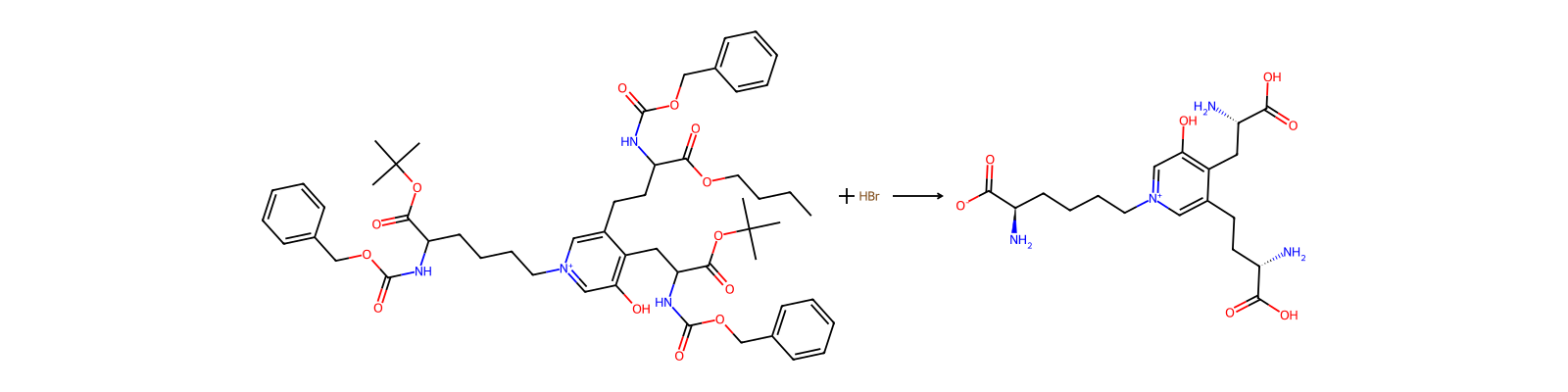
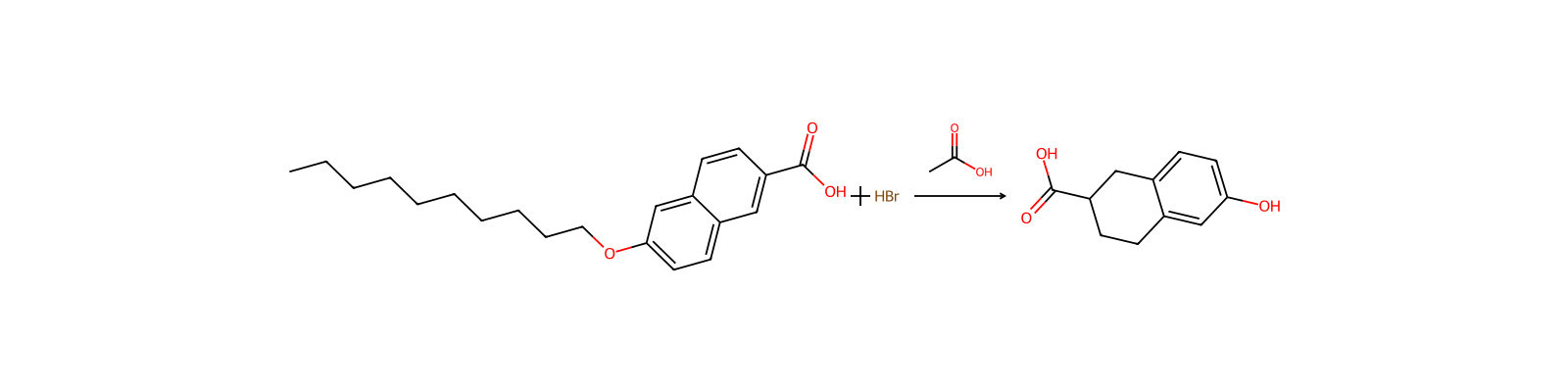
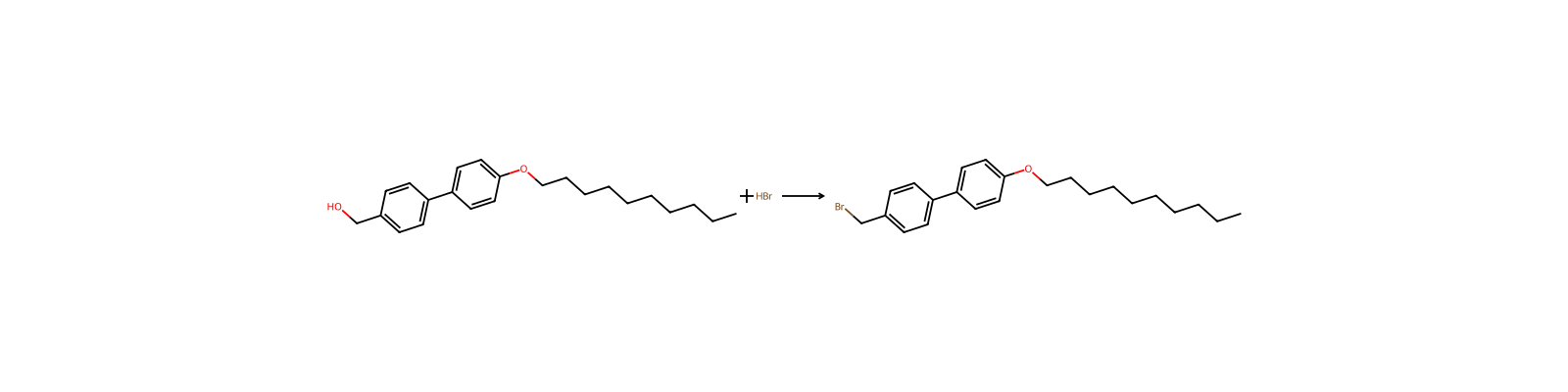
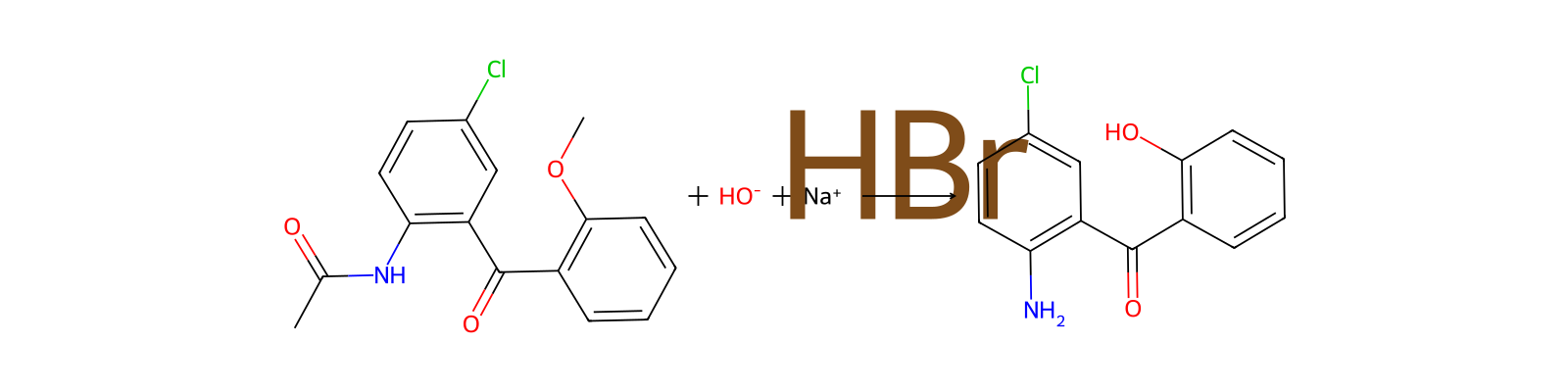
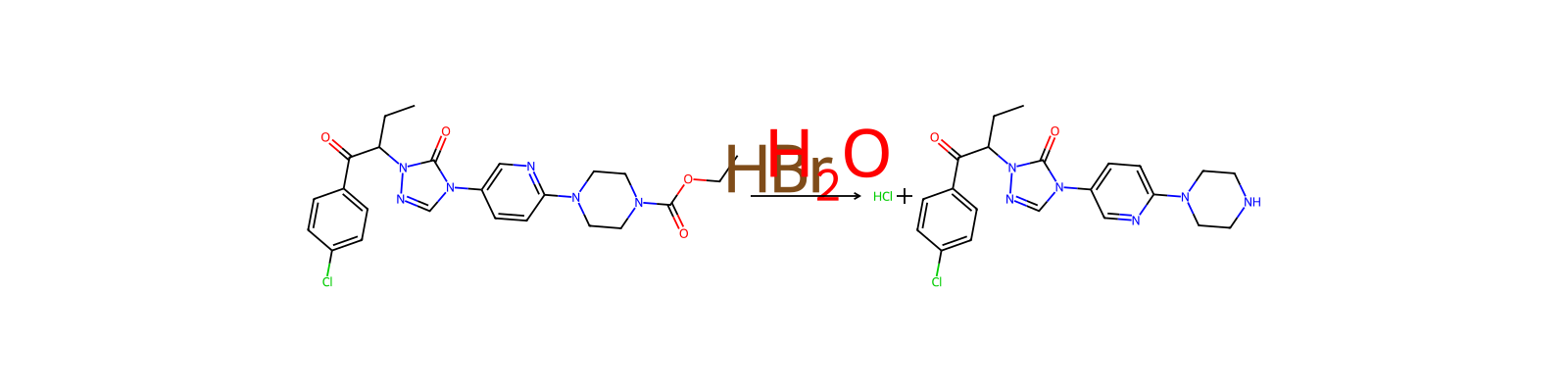
相关反应
11,929 条



关联笔记
加载中…