Safety information is for reference only and does not replace the supplier’s Safety Data Sheet (SDS), applicable regulations, or professional assessment.
GHS classification
GHS Classification · 4 items
Danger
H302 (91.8%): Harmful if swallowed [Warning Acute toxicity, oral]
P260, P261, P262, P264, P264+P265, P270, P271, P280, P301+P317, P302+P352, P304+P340, P305+P351+P338, P316, P317, P319, P321, P330, P332+P317, P337+P317, P361+P364, P362+P364, P403+P233, P405, and P501 (click each P-code to see the statement)
Aggregated GHS information provided per 49 reports by companies from 9 notifications to the ECHA C&L Inventory. Each notification may be associated with multiple companies.
Hazard information
Regulatory Information · 2 items
Chemical: Benzenamine, 3-bromo-
3-Bromoaniline: Does not have an individual approval but may be used under an appropriate group standard
Hazards SummaryIntraperitoneal LDLo (rat) = 140 mg/kg; [RTECS] A skin and strong eye irritant; May induce methemoglobinemia; May cause liver and kidney injury; Harmful by ingestion and skin absorption; [Sigma-Aldrich MSDS] See 3-Chloroaniline.
Hazard Classes and CategoriesAcute Tox. 4 (91.8%)
Toxicology
Adverse EffectsMethemoglobinemia - The presence of increased methemoglobin in the blood; the compound is classified as secondary toxic effect
Safety data
F
8-10-23
PPE
Eyeshields, Faceshields, Gloves, type ABEK (EN14387) respirator filter
Chemistry & industry
Uses & manufacturing
General Manufacturing InformationBenzenamine, 3-bromo-: ACTIVE
Applications
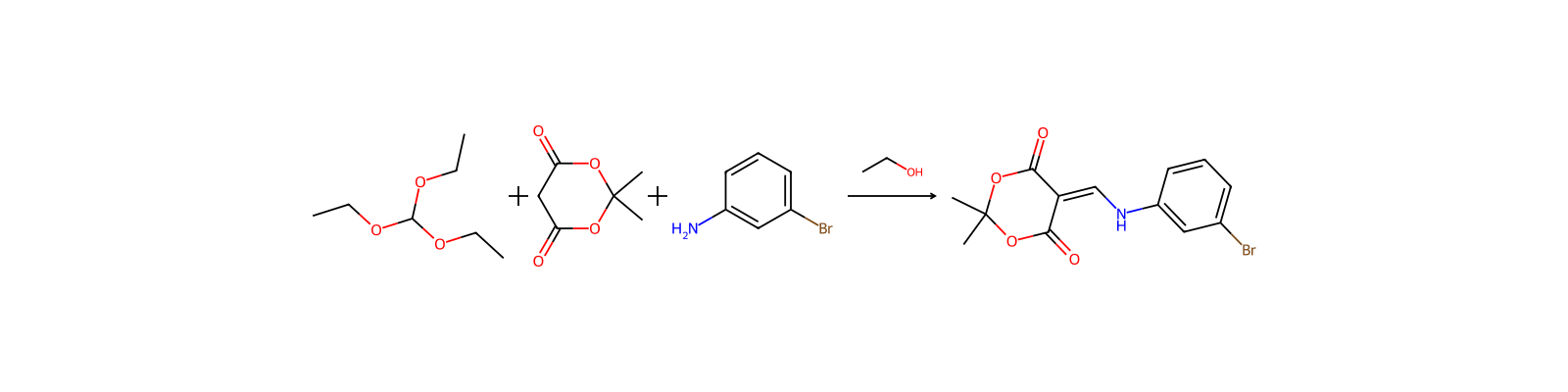
Uses3-Bromoaniline is used in the synthesis of amino substituted quinazoline.
General DescriptionThe in vitro nephrotoxic potential of 3-bromoaniline was studied.