HomeMCPSkillsWorkbenchOpenChem
HomeWorkbenchNotificationsMe
llms.txt · skill.md · MCP GuidePrivacy Policy · Terms of Service · Supportv1.8.5
  1. Home
  2. /Compound

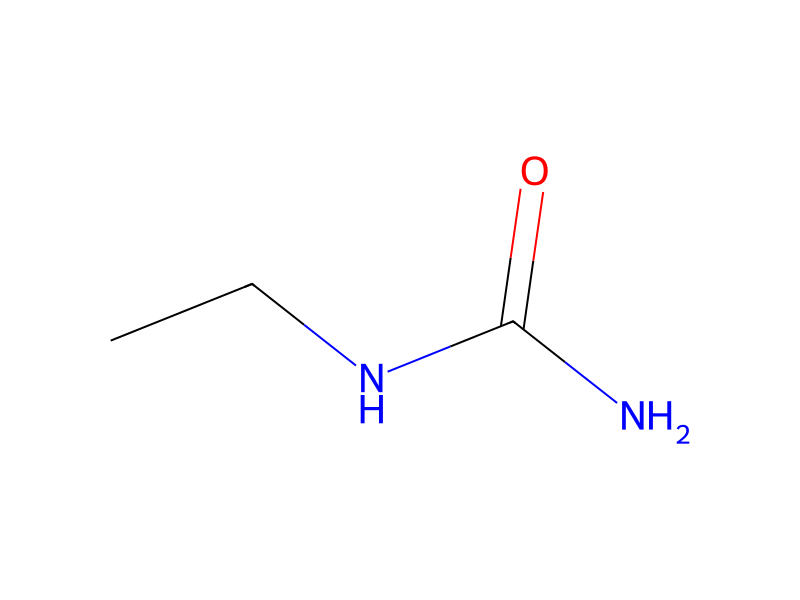
Ethylurea

HCID 12254
New reaction
Print
Basic informationOverviewNames & identifiersPropertiesSafety & regulationChemistry & industryRelated reactionsCompound notes
Substructure searchFind similar structures

Basic information

CAS
625-52-5
Standard SMILES
CCNC(N)=O
InChIKey
RYECOJGRJDOGPP-UHFFFAOYSA-N
Molecular formula
C3H8N2O
Average molar mass
88.11 g/mol
Monoisotopic mass
88.06366288

Overview

See also: Polyurethane (annotation moved to).

Names & identifiers

Preferred name
Ethylurea
IUPAC
ethylurea
English name
Ethylurea
Molecular formula
C3H8N2O
Molecular weight
88.11

Names & synonyms

EthylureaN-ETHYLUREA625-52-51-EthylureaUrea, ethyl-7K14B03X18NSC-53556DTXSID20873854RefChem:921324DTXCID3011929210-898-8Urea, 1-ethyl-
Show more names
ethyl-ureethvlureaETHANOLUREA1-ethyl-ureurea,ethyl-Ethylurea>monoethylurea
Urea, N-ethyl-ethyl ureaMFCD000079539009-54-5AthylisoharnstoffEINECS 210-898-8NSC 53556UNII-7K14B03X18

Database identifiers

CAS
625-52-5、9009-54-5
PubChem CID
12254
DTXSID
DTXSID20873854
UNII
7K14B03X18
EC Number
210-898-8、618-449-1
Nikkaji
J3.010D

Properties

Computed structural properties

XLogP
-0.7
Topological polar surface area
55.1 Ų
Hydrogen bond donors
2
Hydrogen bond acceptors
1
Rotatable bonds
1
Heavy atoms
6
Formal charge
0
Complexity
52.8

Experimental & physicochemical properties

PolymersPlastics & Rubber -> Polymers
SpringerMaterials Properties15N nuclear magnetic resonance spectrum
PesticidesEnvironmental transformation -> Pesticide transformation products (metabolite, successor)
LogP-0.74
Food Contact SubstancesFCS -> FDA Inventory of Food Contact Substances Listed in 21 CFR
Physical DescriptionSolid; [Elite Foam MSDS]

Physicochemical properties

Melting point
87 · 87-90 °C (lit.)
Boiling point
163.08 °C · 163.08°C (rough estimate)
Density
1.213 · 1.2130
refractive index
1.4715 · 1.4715 (estimate)
Flash point
93 °C · 93 °C

Safety & regulation

Safety information is for reference only and does not replace the supplier’s Safety Data Sheet (SDS), applicable regulations, or professional assessment.

GHS classification

GHS Classification · 6 items

This chemical does not meet GHS hazard criteria for 33.3% (1 of 3) of reports.

Warning

H315 (66.7%): Causes skin irritation [Warning Skin corrosion/irritation]

P261, P264, P264+P265, P271, P280, P302+P352, P304+P340, P305+P351+P338, P319, P321, P332+P317, P337+P317, P362+P364, P403+P233, P405, and P501 (click each P-code to see the statement)

Aggregated GHS information provided per 3 reports by companies from 3 notifications to the ECHA C&L Inventory. Each notification may be associated with multiple companies.

This chemical does not meet GHS hazard criteria for 100% (3 of 3) of all reports.

Hazard information

Regulatory Information · 2 items

Chemical: Urea, ethyl-

Urea, ethyl-: Does not have an individual approval but may be used under an appropriate group standard

Hazards SummaryHuman inhalation of 12 mg/m3 for 11 weeks causes visual field changes; [RTECS] Dust may cause mechanical irritation; [Elite Foam MSDS] See DIISOCYANATES.
Hazard Classes and Categories · 2 items

Skin Irrit. 2 (66.7%)

Not Classified

Safety & protection

Protective Action Criteria (PAC) · 3 items

120 [mg/m3]

1300 [mg/m3]

7900 [mg/m3]

Toxicology

Chemistry & industry

Uses & manufacturing

UsesWidely used foam insulation. [ChemIDplus] Polyurethane refers to a group of similar polymers with applications including furniture, household products, and biological products; [REPROTOX]
Use ClassificationEnvironmental transformation -> Pesticide transformation products (metabolite, successor)
General Manufacturing InformationUrea, N-ethyl-: ACTIVE

Applications

UsesN-Ethylurea, is a versatile building block, that can be used in organic synthesis of various pharmaceutical and biologically active compounds, as Nitrogen and Carbonyl source.

Upstream & downstream products

Downstream products

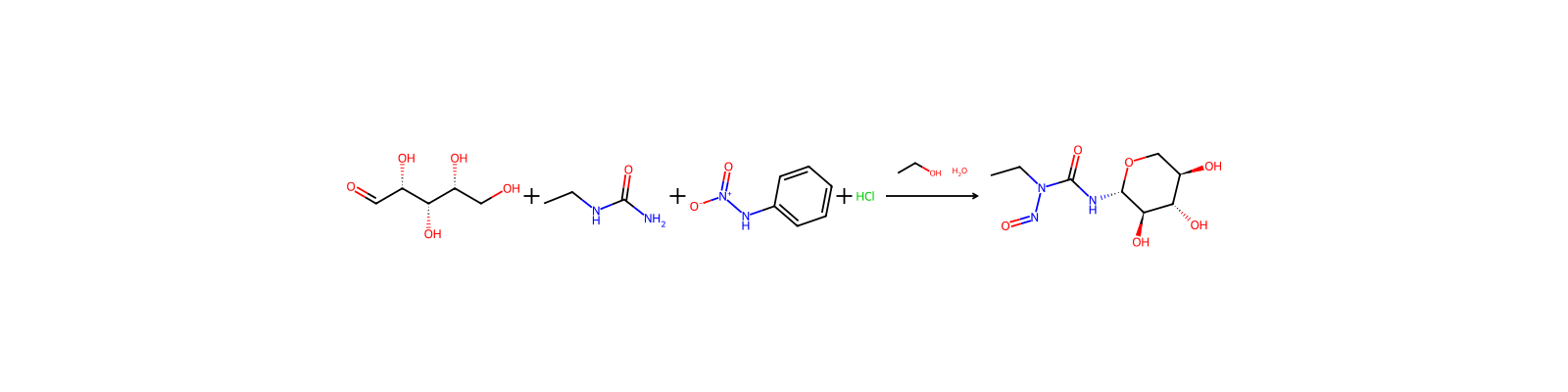
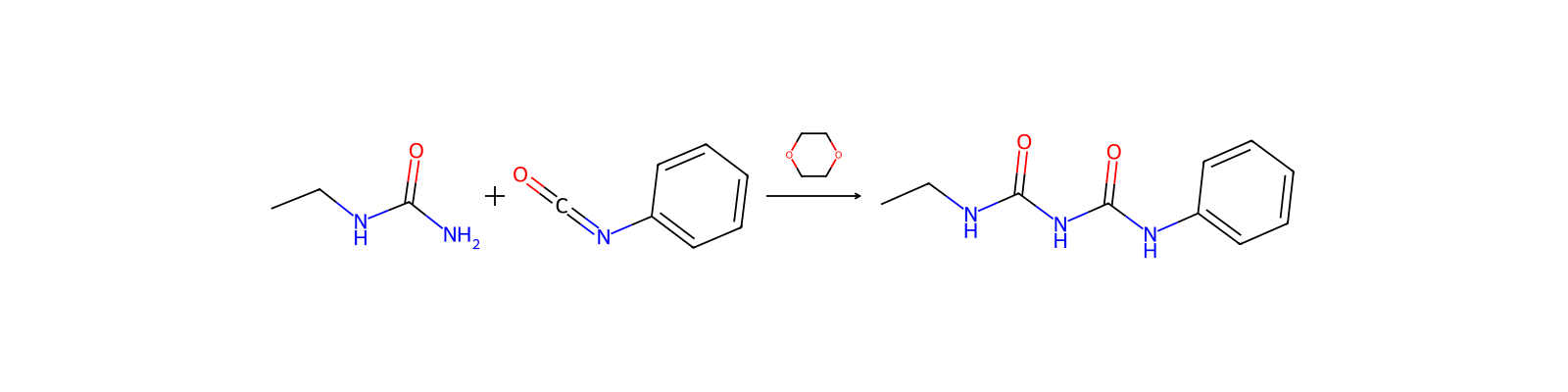
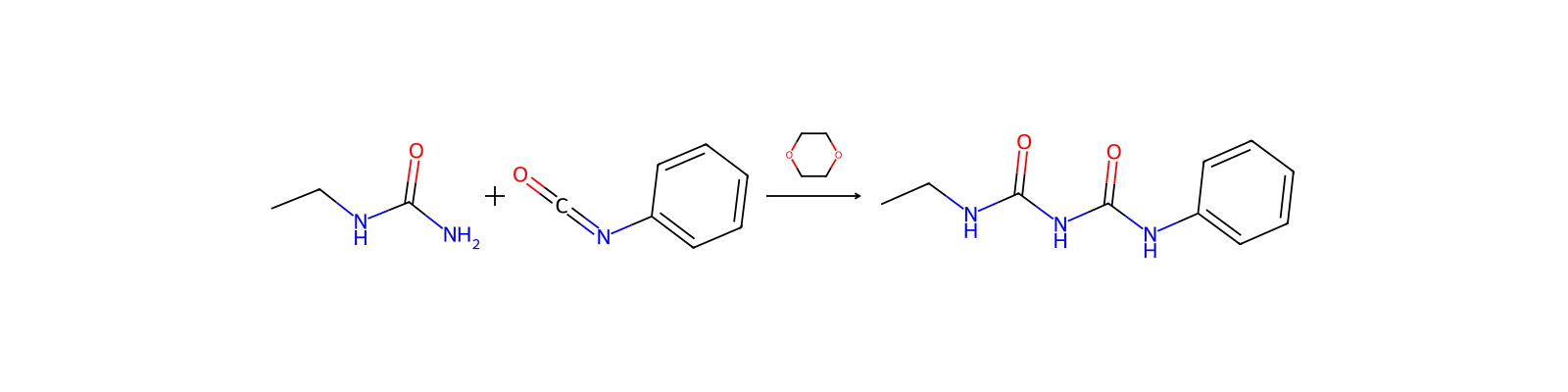
Carmustine2-cyano-N-[(ethylamino)carbonyl]acetamideLomustineCymoxanil6-Amino-1-ethyl-1H-pyrimidine-2,4-dione

Related reactions

14 records
New reaction record
HRID 359266As reactant
HRID 542246As reactant
HRID 962303UNKNOWN
HRID 1076829As reactant
HRID 1134366As reactant
HRID 1577136As reactant
HRID 1702989As reactant
HRID 1758917As reactant
PreviousPage 1 of 2

Compound notes

On this pageBasic informationOverviewNames & identifiersPropertiesSafety & regulationChemistry & industryRelated reactionsCompound notes
storage temp.
Sealed in dry,Room Temperature
solubility
2 O: · H2O: 0.1 g/mL, clear, colorless
pka
14.39 · 14.39±0.46(Predicted)
form
Solid
color
Off-White to Pale Yellow
Water Solubility
soluble
BRN
1740512 · 1740512
InChI
1S/C3H8N2O/c1-2-5-3(4)6/h2H2,1H3,(H3,4,5,6)
InChIKey
RYECOJGRJDOGPP-UHFFFAOYSA-N
SMILES
CCNC(N)=O
CAS DataBase Reference
625 · 625-52-5(CAS DataBase Reference)
FDA UNII
7 K14B03X18 · 7K14B03X18
NIST Chemistry Reference
Urea, ethyl-(625-52-5)
EPA Substance Registry System
Ethylurea (625-52-5)
UNSPSC Code
12352100 · 12352100
NACRES
22 · NA.22
Symbol(GHS)
7 · GHS07
Signal word
Warning
Hazard statements
317 · H317-H319
Precautionary statements
280 · P280-P305+P351+P338
PPE
95 · Eyeshields, Gloves, type N95 (US)
Hazard Codes
Xn
Risk Statements
68 · 68-37-20/21/22
Safety Statements
22 · 22-24/25
RIDADR
1325 · 1325
WGK Germany
3 · 3
RTECS
2335000 · YT2335000
TSCA
TSCA listed
PackingGroup
III
HS Code
2924199090 · 2924199090
Storage Class
11 · 11 - Combustible Solids
Carcinogen Classification · 6 items

Polyurethane foams

Group 3: Not classifiable as to its carcinogenicity to humans

Volume 19: (1979) Some Monomers, Plastics and Synthetic Elastomers, and Acrolein

1987

1987

NB This CAS No. has been deleted.

Safety data

PPE
Eyeshields, Gloves, type N95 (US)
wgk
3
tsca
TSCA listed
rtecs
YT2335000
ridadr
1325
hs_code
2924199090
risk_code
68-37-20/21/22
Signal word
Warning
Symbol(GHS)
GHS07
hazard_code
Xn
safety_code
22-24/25
Storage Class
11 - Combustible Solids
packing_group
III
Hazard statements
H317-H319
Precautionary statements
P280-P305+P351+P338